
From the ground, a city often appears as a chaotic intertwining of streets, buildings, and people. It is a realm of noise, movement, and life that can bewilder the senses. But then, there is that transcendent moment when you see it from above—when the mosaic of life, architecture, and nature aligns into a singular, breathtaking vision. It was during one such instance, as I soared high above the cityscape, that I comprehended the intricate tapestry of urban life in a way I could never fathom from the pavement.
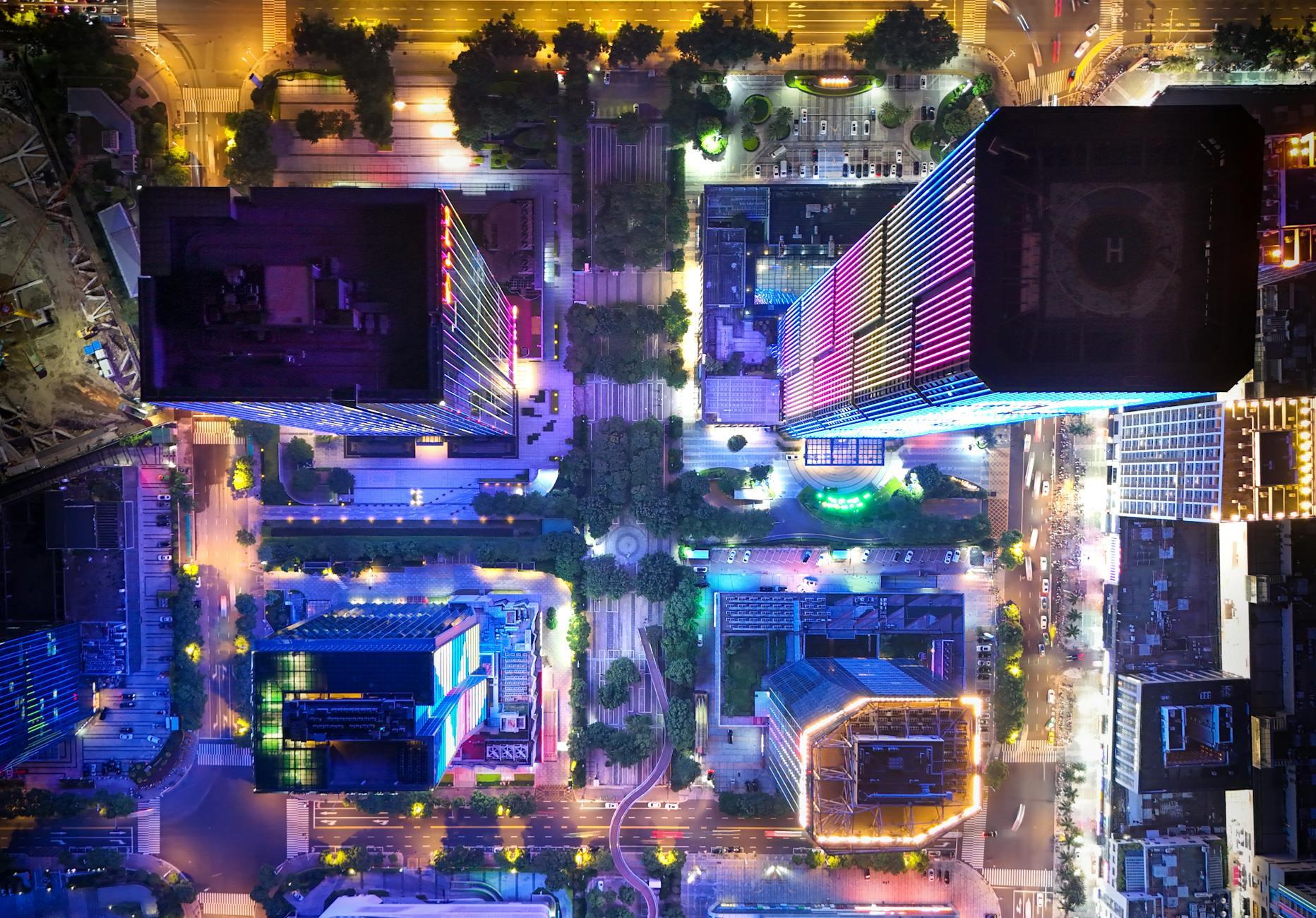
A New Perspective
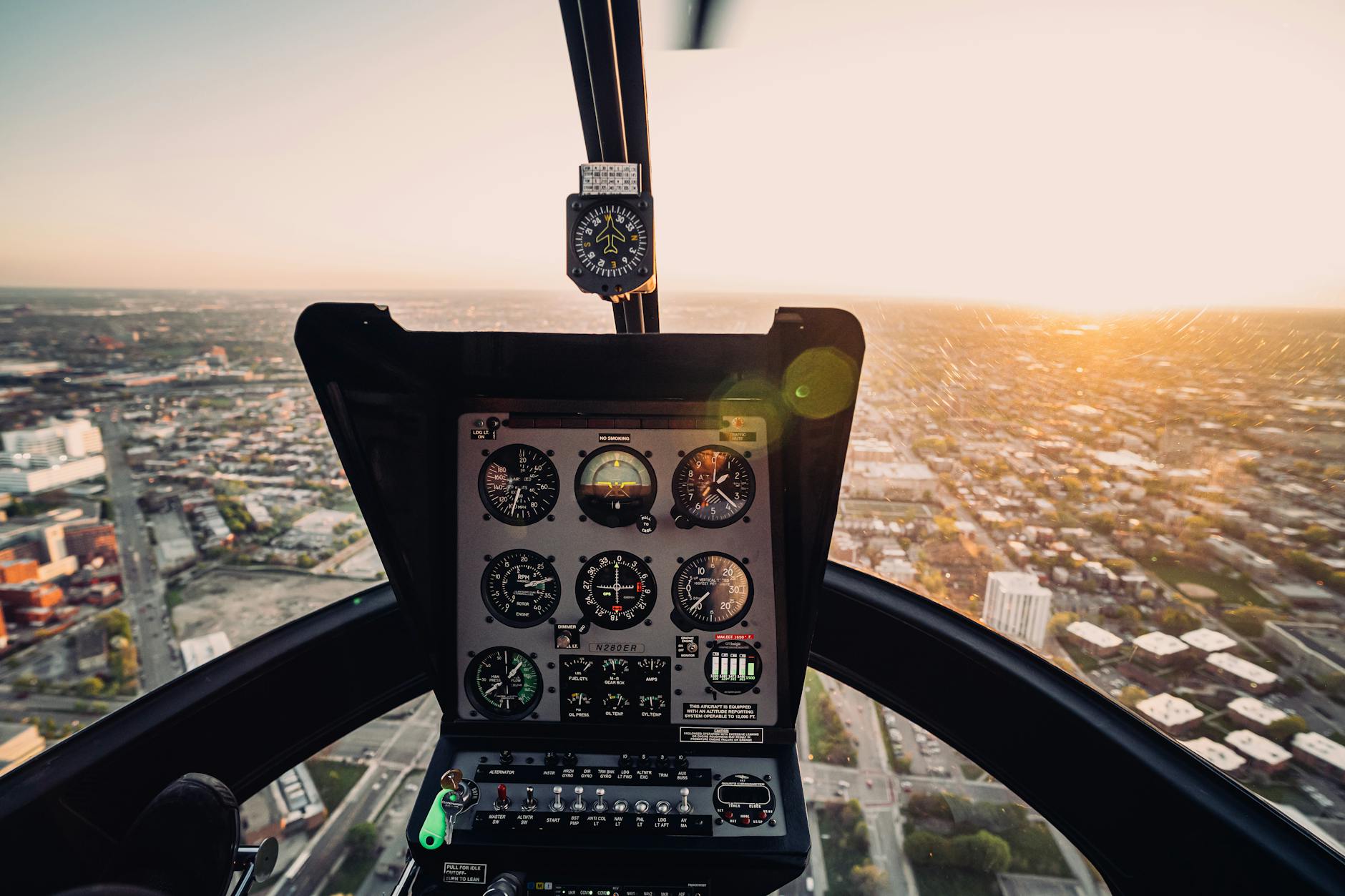
On a bright morning, I boarded a small helicopter for a guided tour of the city that had long been my home. As we ascended, a panorama unfolded beneath me. I had always viewed the city through a narrow lens: the hustle of daily commutes, the comforting familiarity of favorite neighborhoods, the routines that seemed almost monotonous. But here, from above, the familiar morphs into something phenomenal. The grid of streets, previously a confusing maze, now revealed itself as a well-structured framework, each avenue and alley playing its part in the grand design.
The moment the helicopter reached a few thousand feet, I noticed how the buildings—once mere structures—transformed into distinct characters in a sprawling narrative. The skyscrapers stood tall like sentinels, each with its own architectural style, colors, and histories, narrating stories of aspiration and resilience. The patterns of parks interspersed amidst concrete reminded me of nature’s enduring presence, testament to human efforts to cultivate green amidst urban growth.
The Stories Behind the Street Grid
Flying above, I became acutely aware of the interconnectedness of the city’s elements. Roads that seemed to stretch aimlessly were, in reality, arteries of life—facilitating movement, commerce, and connection. Each street I flew over told a story of its own, embodying the struggles and successes of the communities that lived there. The neighborhoods, distinguished by their architectural styles and colors, harbored unique cultures, histories, and economies. I realized that every block contributed to the city’s identity, from the artistic murals brightening dull walls to the corner shops that served as social hubs.
It struck me how the city was a living organism, where every part relied on and influenced the other. Traffic flowed like blood through its streets, with the hustle of morning commutes contrasted sharply against the lull of the weekends. I could see how some areas thrived, bustling with life, while others lay dormant, shadows of past vibrancy. The challenges of gentrification, urban decay, and revitalization were all visible from this lofty perch, reminding me of the ongoing stories of inequality and progress that shaped urban existence.
The Harmony of Urban and Nature
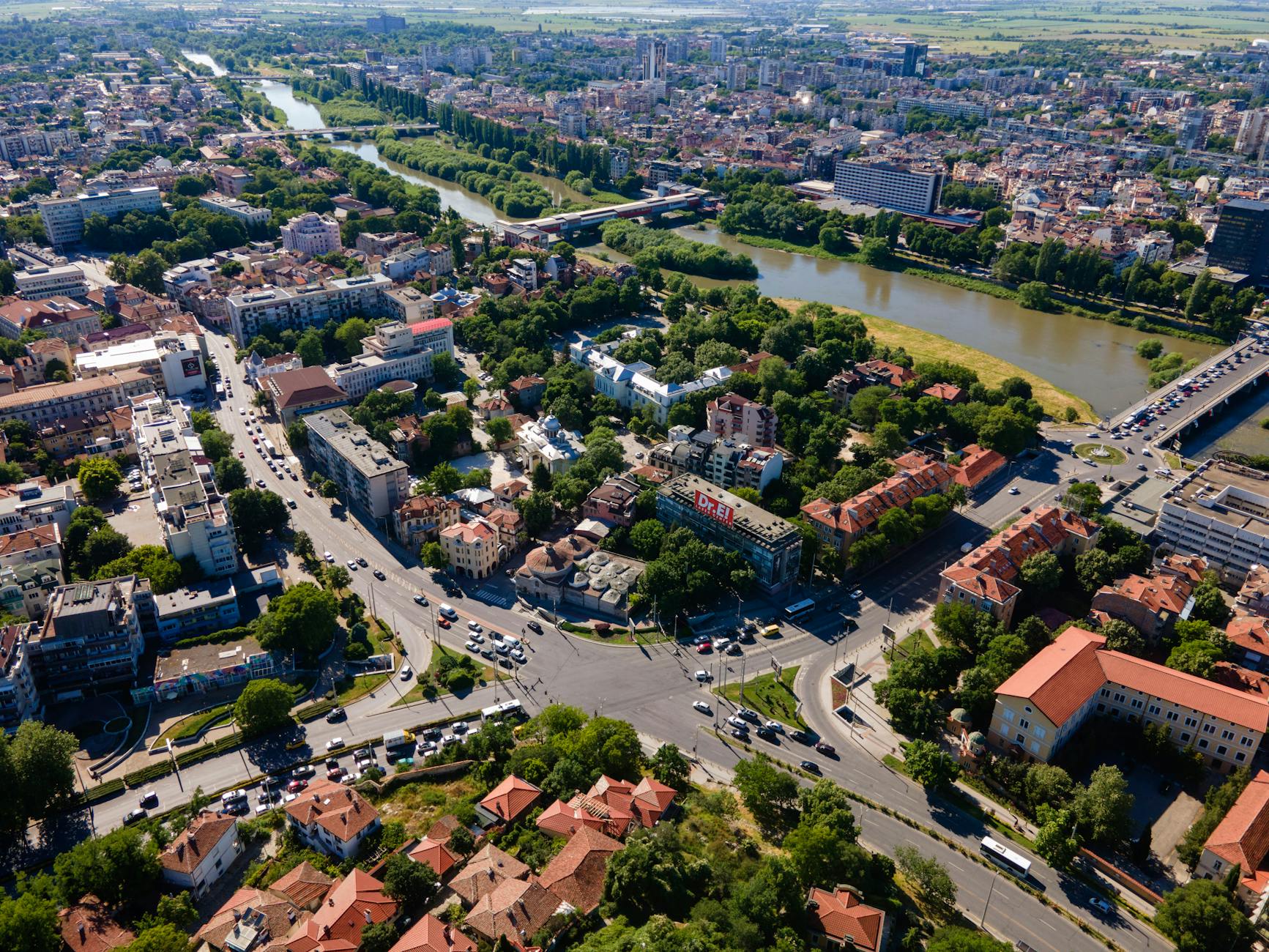
As I hovered over the river that traced the city’s outline, I was deeply touched by the balance of nature and urbanization. The waterways shimmered like silver ribbons, weaving through the concrete jungle. Parks and green spaces, often trivialized in a cluttered city landscape, appeared as essential threads in the fabric of urban life. They provided not only a retreat from the hustle but also sanctuaries for wildlife in an otherwise bustling environment.
In that moment, I understood the critical importance of preserving and creating green spaces within urban settings. They represent a refuge for inhabitants both human and animal, fostering mental health and community well-being. The lush parks below were not just vast expanses of grass but were vital ecosystems—breathing life into the city. I was reminded of the growing movement towards sustainability, where cities strive to embrace eco-friendly practices and green architecture, ensuring that nature and urban life coexist harmoniously.
Reflections on Urban Identity
As we circled back toward the landing zone, I took one last look at the city below—no longer just streets and buildings but an intricate weave of human experiences and aspirations. In that aerial moment, I grasped the essence of urban identity: it is a collective experience of diversity, complexity, and resilience. Every neighborhood, no matter how small or seemingly insignificant, contributed its flavor to the city’s vastness, creating a rich tapestry of life.
The city, I realized, was not just a backdrop for my daily activities but a living entity that grew and changed, shaped by the collective heartbeat of its inhabitants. Each person walking the sidewalks below had their own story—dreams, struggles, and experiences interlaced with those of strangers. This revelation rekindled a sense of appreciation for my city, motivating me to engage more deeply with my community and understand its narratives. My aerial view had afforded me clarity that transcended the mundane, allowing me to see the extraordinary in the ordinary.
As the helicopter landed and I stepped back onto solid ground, I carried with me an enlightened perspective. This moment of seeing the city from above was not merely a visual experience; it was a revelation of interconnectedness—an understanding of how every life, every brick, and every blade of grass contributes to the pulsating heart of urban existence. It prompted me to advocate for a sustainable, inclusive future where cities continue to thrive while respecting the delicate balance of nature and community.
In the end, the true beauty of a city lies in its complexities and contradictions. It is a rich canvas painted by the lives of its inhabitants, a dynamic entity that flourishes when we choose to engage with it not just as observers but as active participants. The urban environment is an intricate dance between humanity and nature—the moment I saw it from above, I understood the choreography that binds us all.