
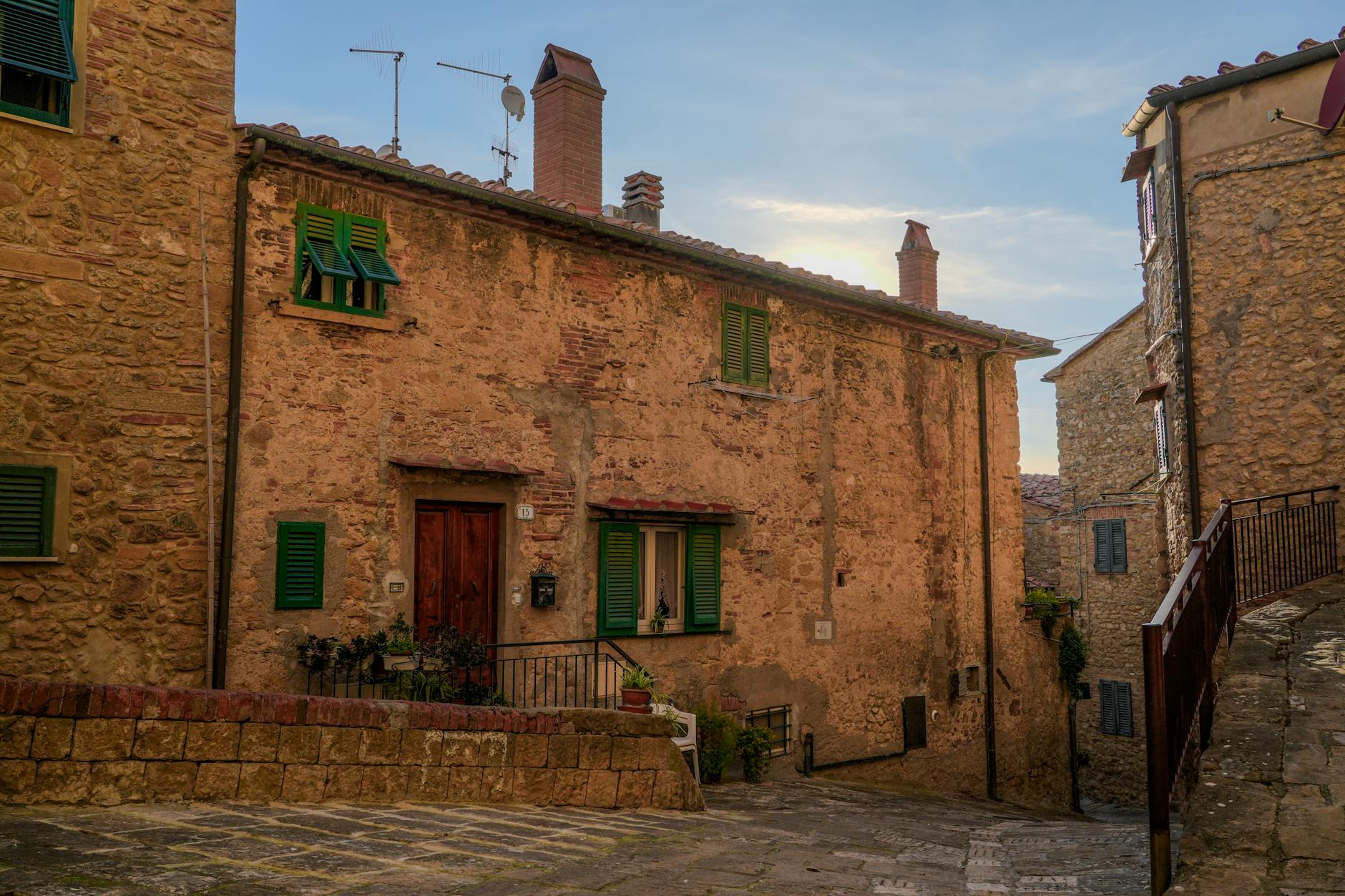
There’s something magical about exploring a new place, a feeling that often transcends the physical journey. One sunny afternoon in a small, tucked-away village in Italy, I had a revelation that would alter the way I perceive travel. As I strolled through the cobblestone streets, surrounded by aged stone buildings with centuries-old stories etched into their facades, I understood that travel is not merely a series of destinations; rather, it is about the tales each place tells and how they resonate with our experiences. This epiphany opened my eyes to the narrative essence of travel and its profound connection to interior design.
The Architectural Narratives of a Place
In every corner of the world, architecture serves as a storyteller, revealing the cultural, historical, and social contexts of the place. From the baroque structures in Vienna to the minimalist aesthetics of Scandinavian design, each architectural choice reflects the values and stories of its inhabitants. Those intricate carvings on a cathedral might whisper of the artisans who toiled to create beauty, while the modern buildings in Oslo might speak to a society striving for sustainability and innovation.
During my explorations, I began to notice how interiors encapsulate these stories as well. Take, for instance, the cozy guesthouses adorned with antique furniture in the French countryside. Each piece has a tale—perhaps a grandmother’s favorite armchair or a dining table that hosted countless family gatherings. These interiors invite travelers not just to stay, but to engage with the very essence of the locale. By incorporating locally sourced materials and traditional craftsmanship, designers create spaces that resonate with the narratives of their surroundings.
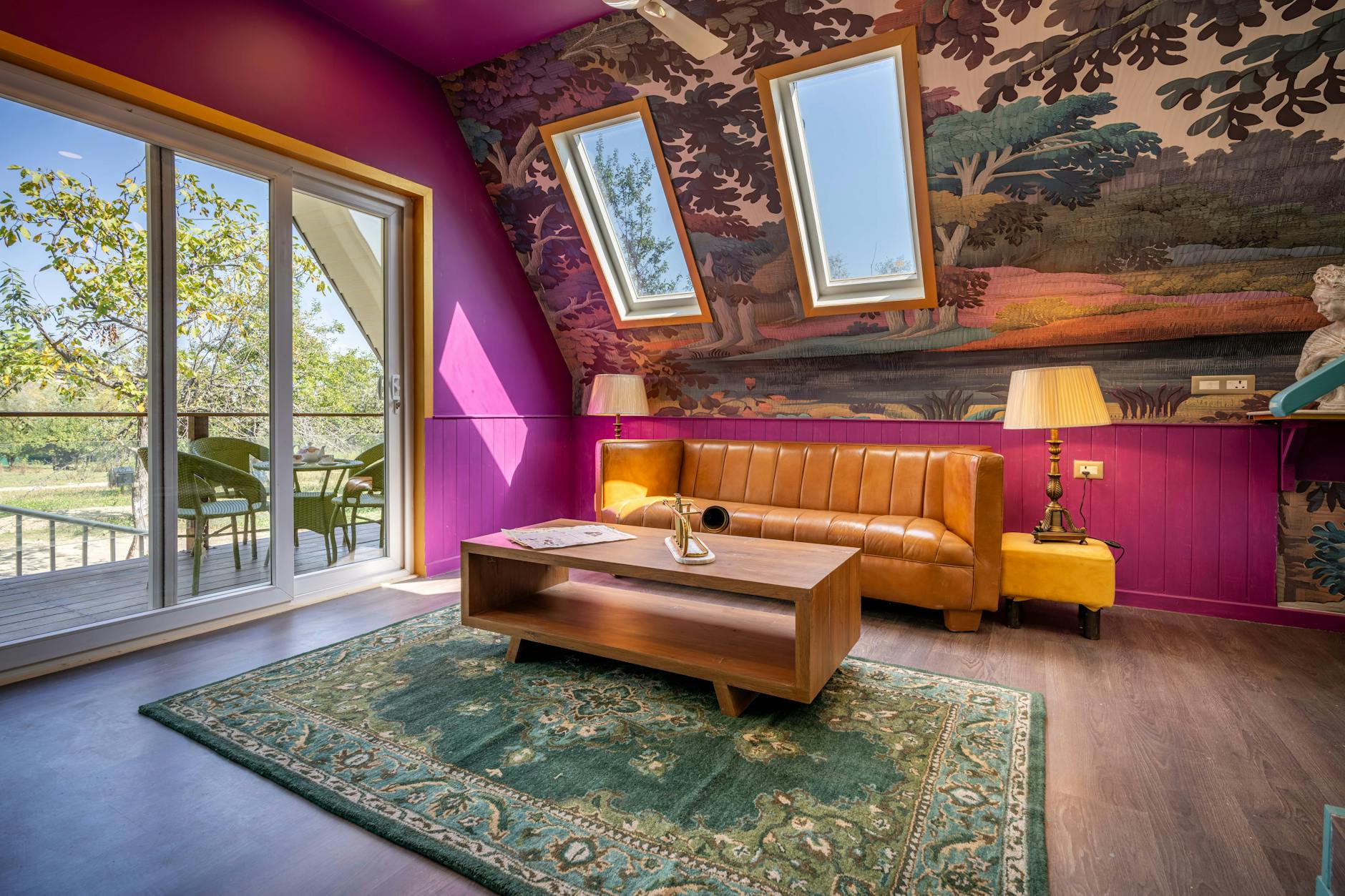
Moreover, the way a space is designed can significantly influence the experience of the traveler. Think about a beach resort that utilizes natural light and open spaces, drawing in the sights and sounds of the ocean. This is not just an aesthetic choice—it’s a way of weaving the external environment into the internal experience. It creates an atmosphere where each guest can feel the gentle call of the waves and the warmth of the sun, fostering a deeper connection with the place. The interior becomes part of the larger story that is being told through the landscape outside.
Personal Stories Intertwined with Place
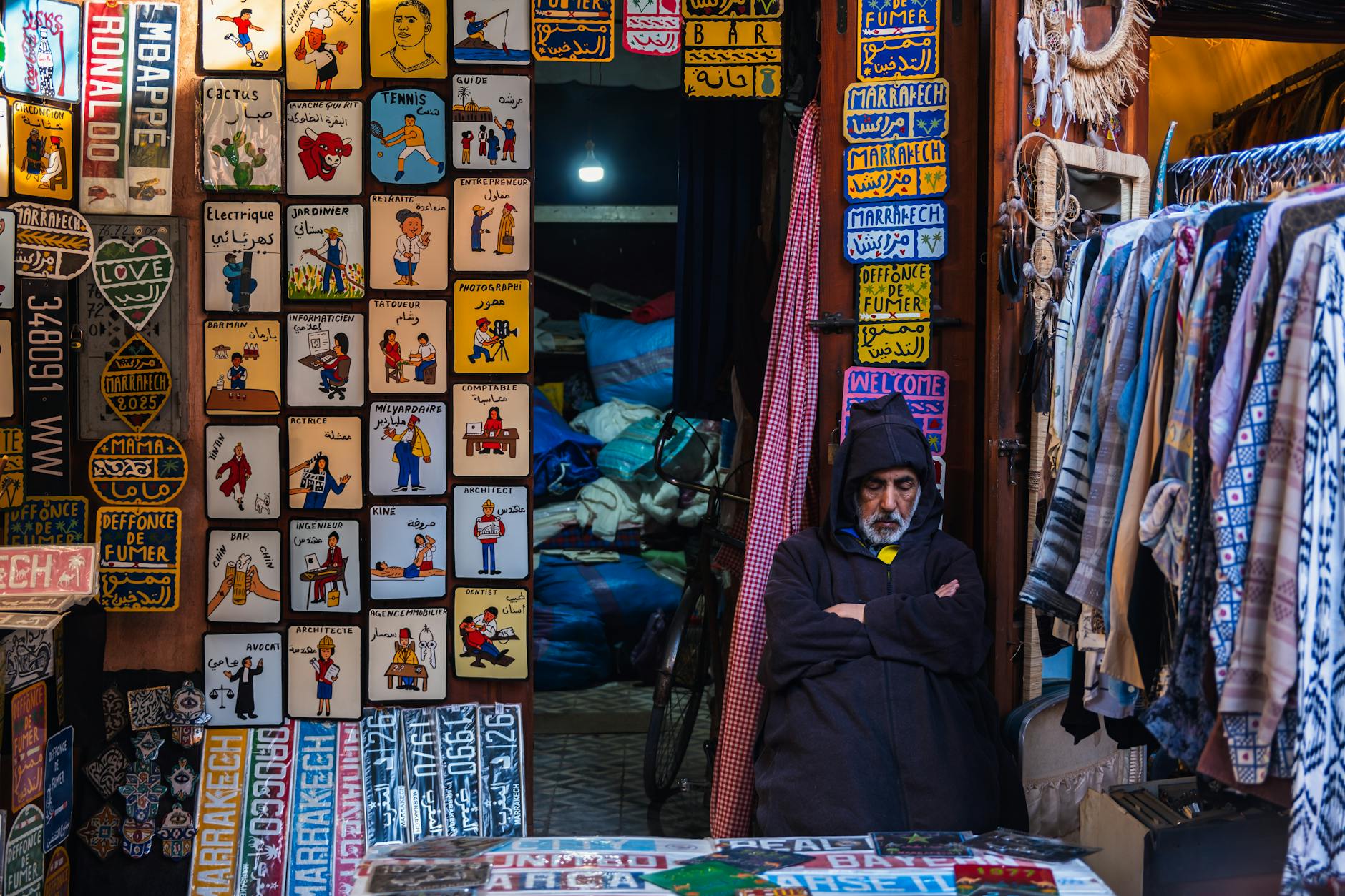
While exploring a city, it’s easy to feel lost in the historical significance of monuments or the beauty of a landscape. However, it’s the personal stories that often connect us to these places on a deeper level. I vividly remember chatting with a local artisan in a bustling market in Marrakech. As he handed me a beautifully crafted ceramic bowl, he shared the story of his family’s multi-generational craft. Through his words, I learned not just about the bowl, but about the culture, the struggles, and the joys that shaped his community. This interaction transformed my understanding of Moroccan design, giving context to the vibrant colors and intricate patterns that define it.
Interior design, too, thrives on these personal narratives. Each object in a space reflects a choice, often laden with meaning. When creating interiors, designers have the unique opportunity to weave these narratives into their work. For example, integrating local artwork not only supports artisans but also provides stories that provoke thought and conversation among guests. It transforms a mere living room into a canvas of the region’s culture, creating a backdrop for the story of the place and its people. This approach fosters a sense of belonging and identity, enriching the experience for anyone who enters.
The Role of Authenticity in Design
In an age of globalization, the pursuit of authenticity in travel has risen in importance. Travelers seek experiences that are genuine and unique—ways to connect with a place that aren’t filtered through the lens of corporate tourism. This quest for authenticity is reflected in the growing popularity of boutique hotels that emphasize local culture in their design. These establishments often embrace a less-is-more philosophy, forgoing opulence in favor of a more intimate connection to their environment.
Consider a boutique hotel in Kyoto designed around traditional Japanese aesthetics. By integrating tatami mats, shoji screens, and natural elements, the designers create a space that tells the story of the region’s deep-rooted practices. Guests aren’t just provided with a place to sleep; they’re invited into the culture, rituals, and history of Japan. This immersion is what transforms a simple hotel stay into a meaningful journey of discovery.
As designers and travelers, understanding the importance of authenticity can elevate not only the spaces we create but also the stories we tell through them. The best designs encourage individuals to engage with their surroundings, igniting curiosity and connection. In essence, the interiors we inhabit hold the potential to narrate the history and culture of their environments, enriching our lives through their stories.
Finding Your Story
As I reflect on that day in the Italian village, I realize that the beauty of travel lies not just in the places we visit, but in the stories that those places inspire within us. Each trip serves as a chapter in our lives, shaping our perspectives and helping us understand our world more deeply. As travelers, we have the power to create our own narratives by immersing ourselves in the stories that different cultures offer. By engaging with locals, exploring lesser-known corners, and appreciating the details in design, we can craft a journey that resonates far beyond the physical realm.
For those in the field of interior design, this understanding opens up new avenues for creativity. By focusing on the narratives behind materials, styles, and layouts, one can curate spaces that do not merely exist but breathe life into the history and culture they represent. This fusion of travel and design allows us to honor the stories that communities have to share while creating spaces that feel truly alive with meaning.
Travel is indeed about the stories places tell, and as we journey through different cultures, we become part of a larger narrative that enriches our understanding of humanity. The more we engage with these stories, the more we realize that we are all interconnected, woven together in an intricate tapestry of experiences, histories, and dreams.