
In an era where our lives are often cluttered and chaotic, the concept of beautiful simplicity in interior design emerges as a refreshing antidote. This approach revolves around the idea that less is more, focusing on creating serene spaces that promote tranquility and functionality while showcasing elegance. Whether you are looking to redesign a single room or an entire home, embracing simplicity can yield transformative results. This article will explore various interior design ideas that exemplify beautiful simplicity, showcasing how you can achieve a harmonious atmosphere without overwhelming your space with unnecessary elements.
The Essence of Minimalism: Colors and Textures
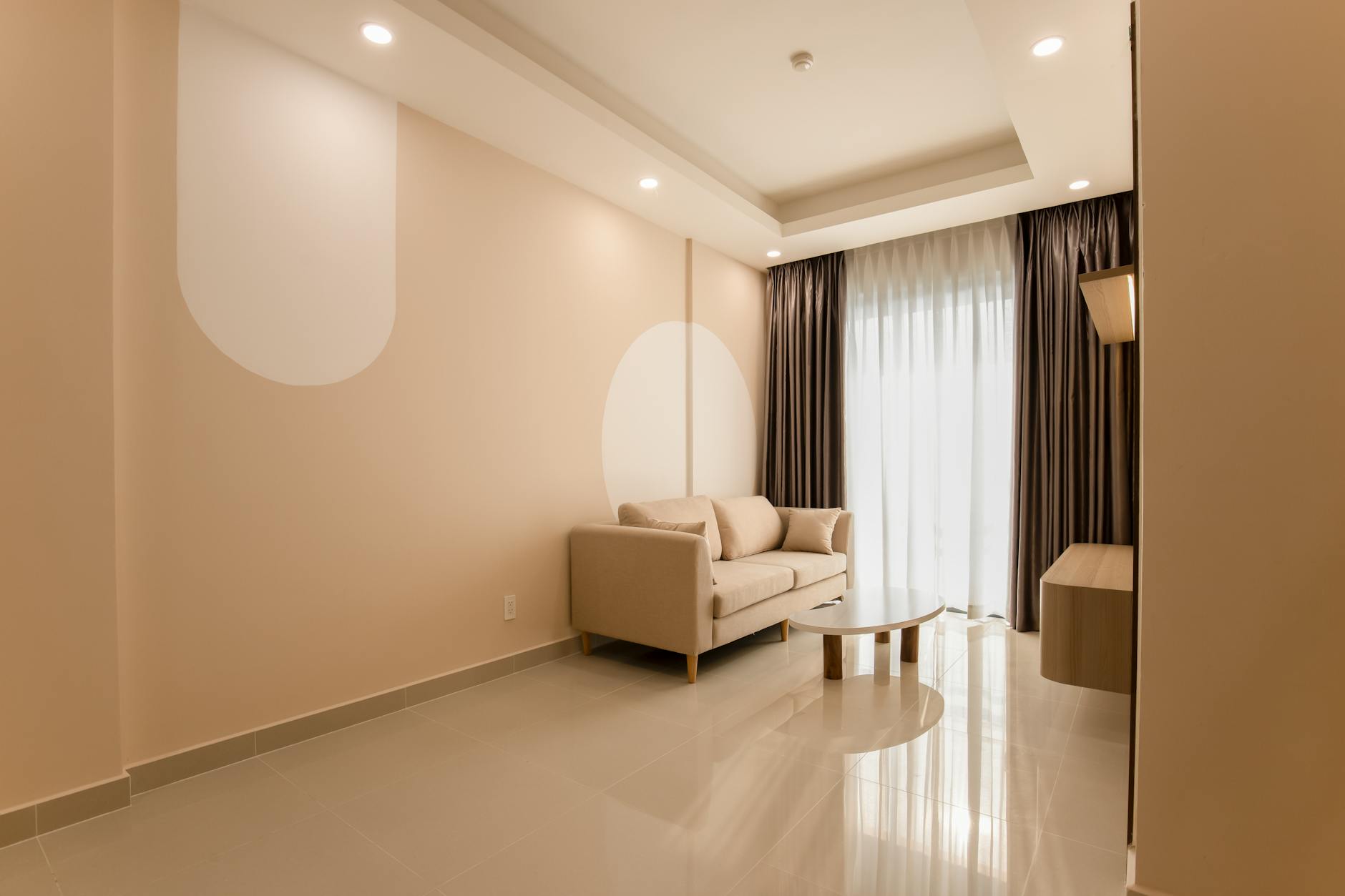
When it comes to creating a minimalist space, color choice plays a pivotal role. Neutral tones often take center stage—think whites, beiges, soft grays, and muted earth tones. These colors promote a sense of calm and provide a versatile backdrop for both modern and traditional furnishings. For instance, a soft white wall can enhance natural light, making the room feel more expansive, while also allowing furniture and decor to stand out without overwhelming the viewer’s senses.
Beyond color, textures add depth and character to minimalist interiors. Utilizing materials such as natural wood, smooth stone, and soft fabrics can create a rich tactile experience while maintaining a clean aesthetic. A plush woolen throw on a sleek leather couch or a jute rug beneath a wooden coffee table can introduce warmth and comfort without compromising simplicity. Mixing textures in a thoughtful manner helps to keep a minimalist space inviting and visually interesting.
Furniture Choices: Function Meets Form
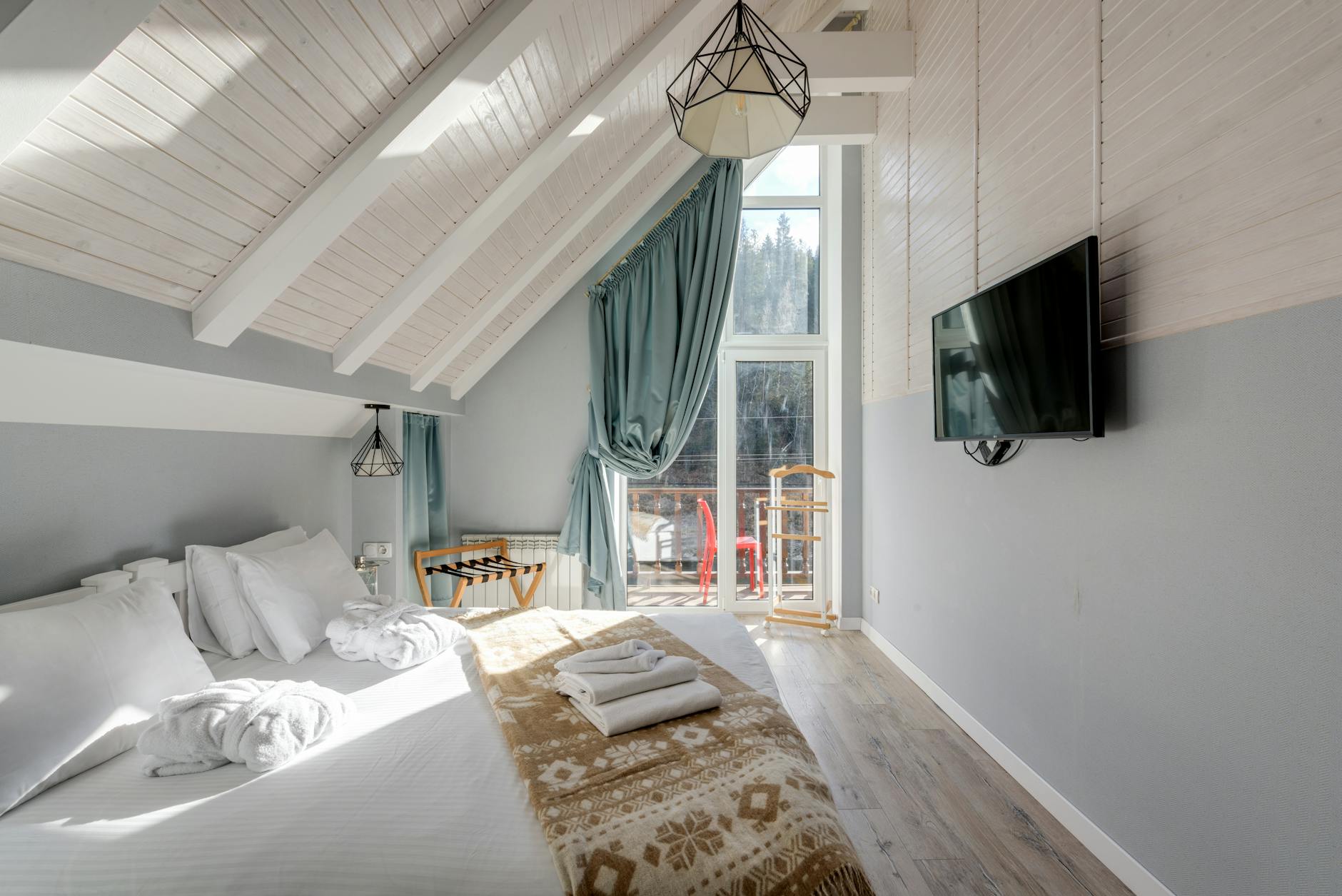
In a simple yet beautiful interior, the selection of furniture is crucial. Opting for multifunctional pieces allows you to maximize space while minimizing clutter. For example, a stylish ottoman that serves both as a seating option and storage solution can keep your living area looking tidy without sacrificing style. Additionally, furniture with clean lines and organic forms lends an understated elegance that embodies the essence of minimalist design.
Furniture arrangement also plays a significant role in promoting a sense of simplicity. Avoid overcrowding a room with excess furniture; instead, focus on a few key pieces that serve a purpose and contribute to the room’s overall aesthetic. Creating open spaces allows for easy movement and fosters an air of tranquility. This arrangement not only enhances functionality but also creates an inviting environment conducive to relaxation and social interaction.
“Simplicity is the ultimate sophistication.” – Leonardo da Vinci
Decorative Elements: Personal Touches without Overwhelm
While minimalism emphasizes simplicity, it does not exclude personality from your design. Incorporating decorative elements can breathe life into a space, but it’s essential to choose wisely. A few carefully selected art pieces can serve as focal points that add character without overwhelming the senses. Consider framing a single large artwork or displaying a small gallery wall with a cohesive theme—this allows for personal expression while maintaining visual harmony.
Plants are another wonderful way to enrich a minimalist environment. Indoor plants not only purify the air but also introduce a natural element that enhances the overall atmosphere. Choose simple planters in understated colors, and position them in well-thought-out locations to bring organic beauty into your space. A single potted snake plant on a console table or a cluster of succulents on a window sill can create vibrant focal points without adding to the clutter.
Lighting: The Heart of a Simple Interior
Lighting is often an overlooked aspect of interior design, yet it dramatically influences the atmosphere of a space. In a minimalist design, natural light should be the priority, as it enhances the simplicity and openness of the environment. Large windows or glass doors allow sunlight to flow freely, creating a bright and airy ambiance. Consider using sheer curtains that filter light without obstructing the view, thus maintaining privacy while inviting the outdoors in.
For evenings, complement natural light with carefully chosen artificial lighting. Select fixtures that embody simplicity in design—think of sleek pendant lights or understated floor lamps that provide functional illumination without detracting from the minimalist theme. Dimmable lights allow you to create different moods, transitioning your space from a bright, energizing environment to a warm and cozy retreat when the sun sets.
Creating Outdoor Extensions of Your Space
Incorporating outdoor spaces into your overall design philosophy is another step toward embracing beautiful simplicity. A minimalist patio or garden can serve as an extension of your home, offering additional space for relaxation and enjoyment. Keep outdoor furniture selection simple—choose a few elegant pieces that complement your indoor aesthetic rather than create competition. A minimalist garden with native plants or a few strategically placed boulders can evoke a substantial impact while remaining low-maintenance and true to your design ethos.
Fostering a seamless transition between indoor and outdoor areas enhances the simplicity of your overall design. Large glass doors that open up to the exterior can create an uninterrupted flow, allowing for both visual and physical connectivity. This setup not only expands your living space but also encourages engagement with nature, reinforcing the calming effects that minimalism aims to achieve.
The Joy of Decluttering: A Mindful Approach to Space
A fundamental principle of beautiful simplicity is the practice of decluttering—not just physically, but mentally as well. Before embarking on your design journey, evaluate your belongings and assess what truly adds value to your life. Begin by categorizing items into essentials, sentimental pieces, and items that can be donated or discarded. This process not only creates a more organized living environment but also fosters a mindset of mindfulness and appreciation for what you possess.
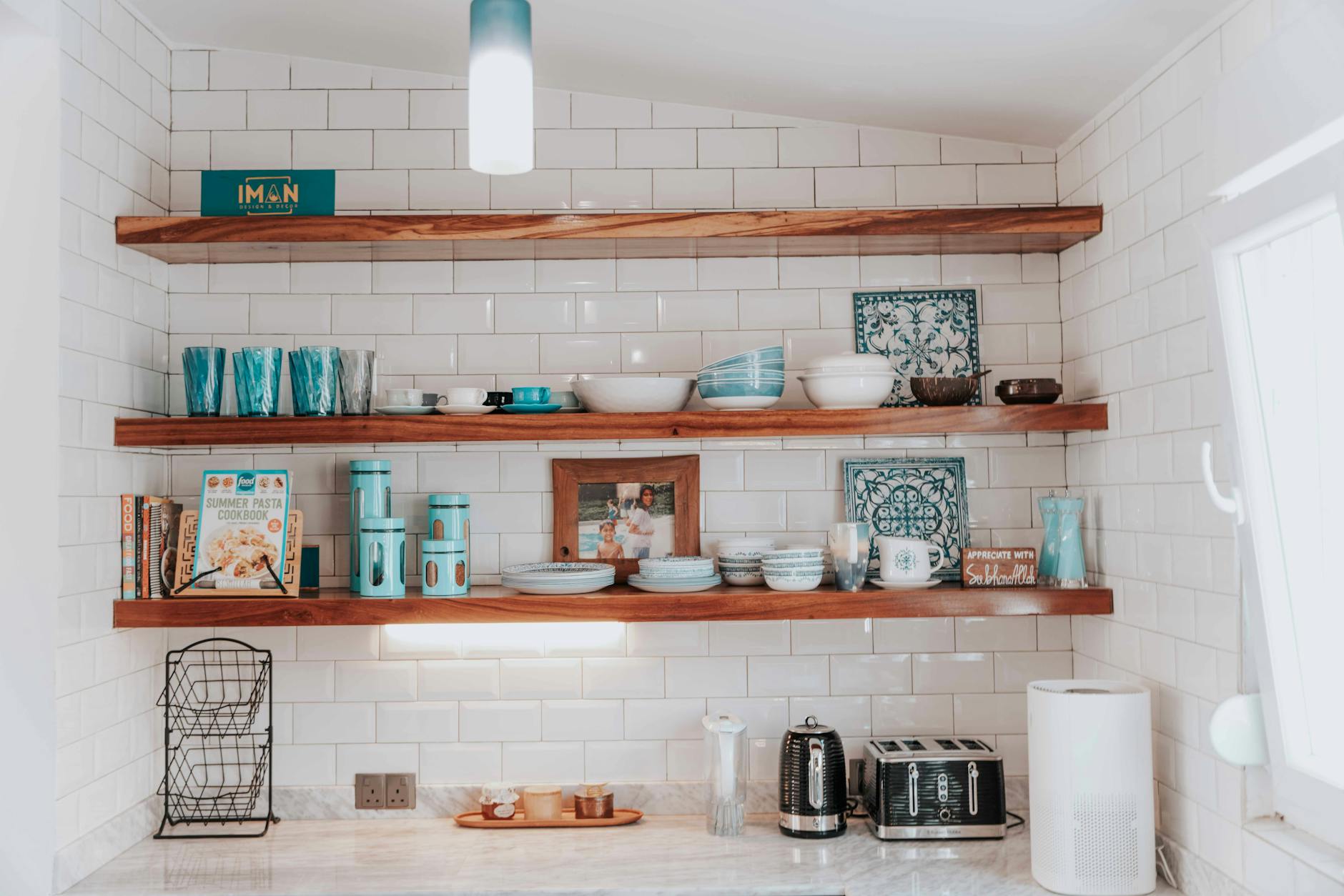
Once you have decluttered, adopt a habit of maintaining this simplicity going forward. Implementing storage solutions that are both functional and aesthetically pleasing can further support this intention. Baskets, chic boxes, and built-in shelving can help keep spaces organized while contributing to the overall design. Having a home that reflects your personal style without the burden of excess creates a sanctuary where you can thrive.
Final Thoughts on Beautiful Simplicity
Embracing beautiful simplicity in interior design is not merely about aesthetics; it’s a lifestyle choice that promotes clarity, peace, and appreciation for everyday moments. By carefully selecting colors, textures, furniture, and decor, you can curate spaces that embody elegance while championing functionality. Remember to engage in mindful decluttering and consider the importance of light and outdoor spaces in achieving your vision. In a world increasingly characterized by excess, the art of simplicity offers a pathway to serenity and beauty in our homes.