
In recent years, the realm of interior design has witnessed a magnificent shift towards styles that not only emphasize aesthetic appeal but also incorporate elements of sustainability, natural materials, and a sense of warmth. Among these emerging styles lies Organic Modern Interior Design, a trend that harmoniously blends contemporary aesthetics with organic forms and sustainable practices. This article explores the fundamental aspects of Organic Modern Interior Design, its defining characteristics, and how to create spaces that resonate with nature while promoting well-being.
Understanding Organic Modern Design
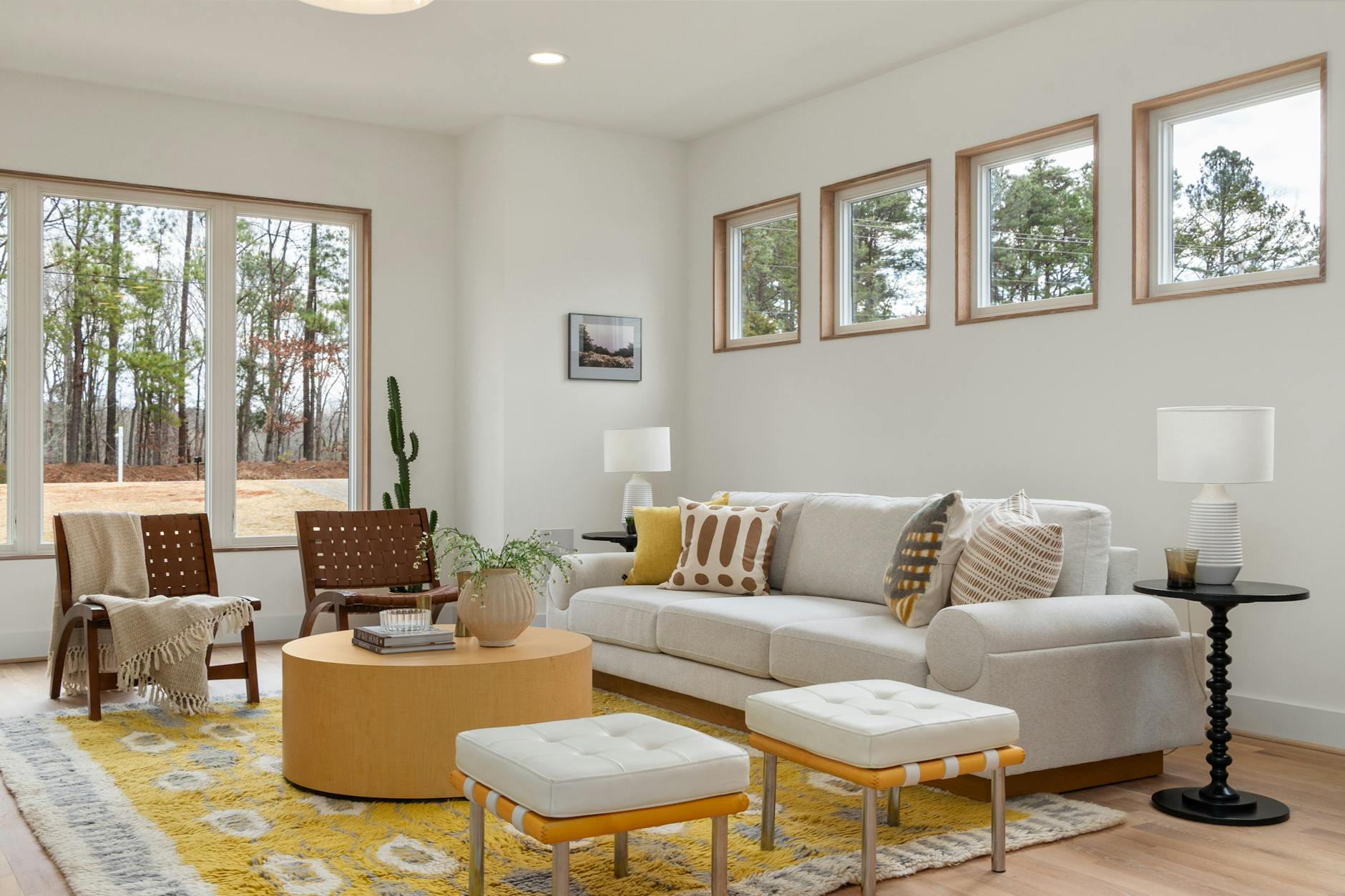
At its core, Organic Modern Interior Design is a style that merges sleek, modern lines with earthy, organic shapes. Originating from mid-century modern design and influenced by the natural world, it seeks to create a balanced environment that feels both sophisticated and inviting. This design philosophy emphasizes the use of sustainable materials such as reclaimed wood, natural stone, and eco-friendly textiles, which not only look beautiful but also promote a healthier living space.
One of the key principles of Organic Modern Design is its dedication to integrating nature into the home. This can be achieved through the incorporation of indoor plants, large windows that invite natural light, and open spaces that foster a connection to the outdoors. The result is a tranquil environment that encourages relaxation and provides a respite from the chaos of everyday life. This design approach is especially relevant today, as an increasing number of individuals seek homes that nurture their well-being while minimizing their environmental footprint.
Defining Characteristics of Organic Modern Interior Design
When diving into the principles of Organic Modern Interior Design, several defining characteristics emerge, each contributing to the overall aesthetic and functional appeal. One prominent feature is the use of organic shapes. Unlike traditional modern design, which often favors angular lines and stark geometry, Organic Modern embraces rounded edges and fluid forms. Sofas, chairs, and other furnishings might showcase curvy silhouettes that invite comfort and relaxation.
Another hallmark of this style is the palette of natural colors. From soft earth tones like terracotta and beige to muted greens and blues, the color scheme is designed to evoke a sense of tranquility. These shades are often complemented by rich wooden accents that bring warmth to the space. In addition, textures play a significant role; the juxtaposition of smooth fabrics, woven materials, and rough stone adds depth and interest to the overall design.
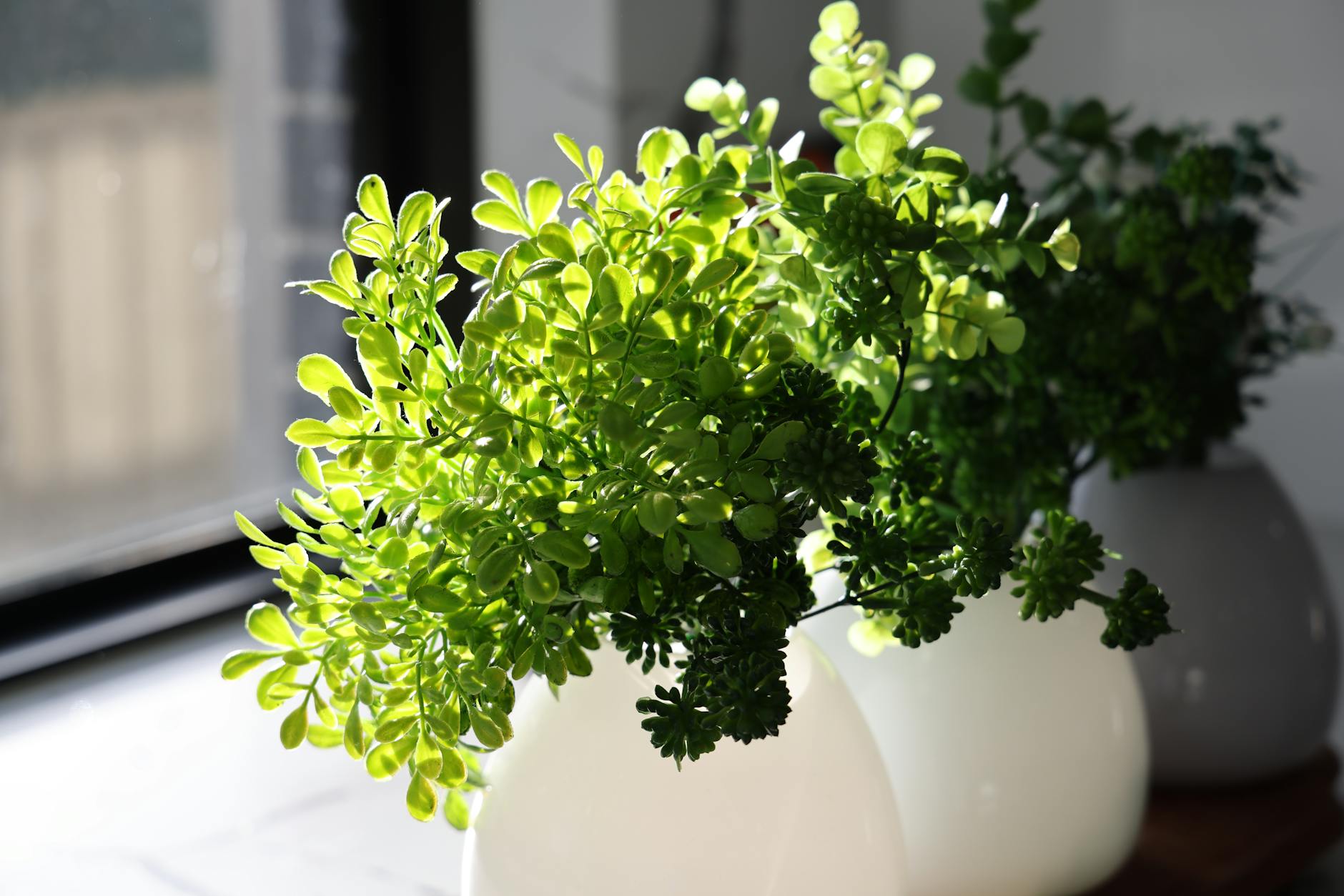
The lighting in an Organic Modern home is also carefully curated. Natural light is prized, with expansive windows and skylights allowing sunlight to flood into the space. When artificial lighting is necessary, fixtures are often made of organic materials or feature soft, diffused designs that mimic the gentle glow of daylight. This attention to lighting not only enhances the aesthetic but also creates an ambiance that aligns with the calming essence of nature.
Creating Your Organic Modern Space
Transforming your home into an Organic Modern haven doesn’t require a complete overhaul. Instead, consider adopting a gradual approach that focuses on key elements to create a cohesive and inviting atmosphere. Start by assessing your current furniture and décor; identify any pieces that might fit within the Organic Modern aesthetic. For instance, replace heavy metal or plastic furniture with wooden pieces or items made from sustainable materials.
Next, bring nature indoors. Incorporating plants not only enhances the visual appeal of your space but also contributes to better air quality. Choose a variety of indoor plants that suit your style and space, from leafy greens like fiddle leaf figs to low-maintenance succulents. You can also enhance your connection to nature by displaying art that reflects natural themes, such as landscapes or botanical prints.
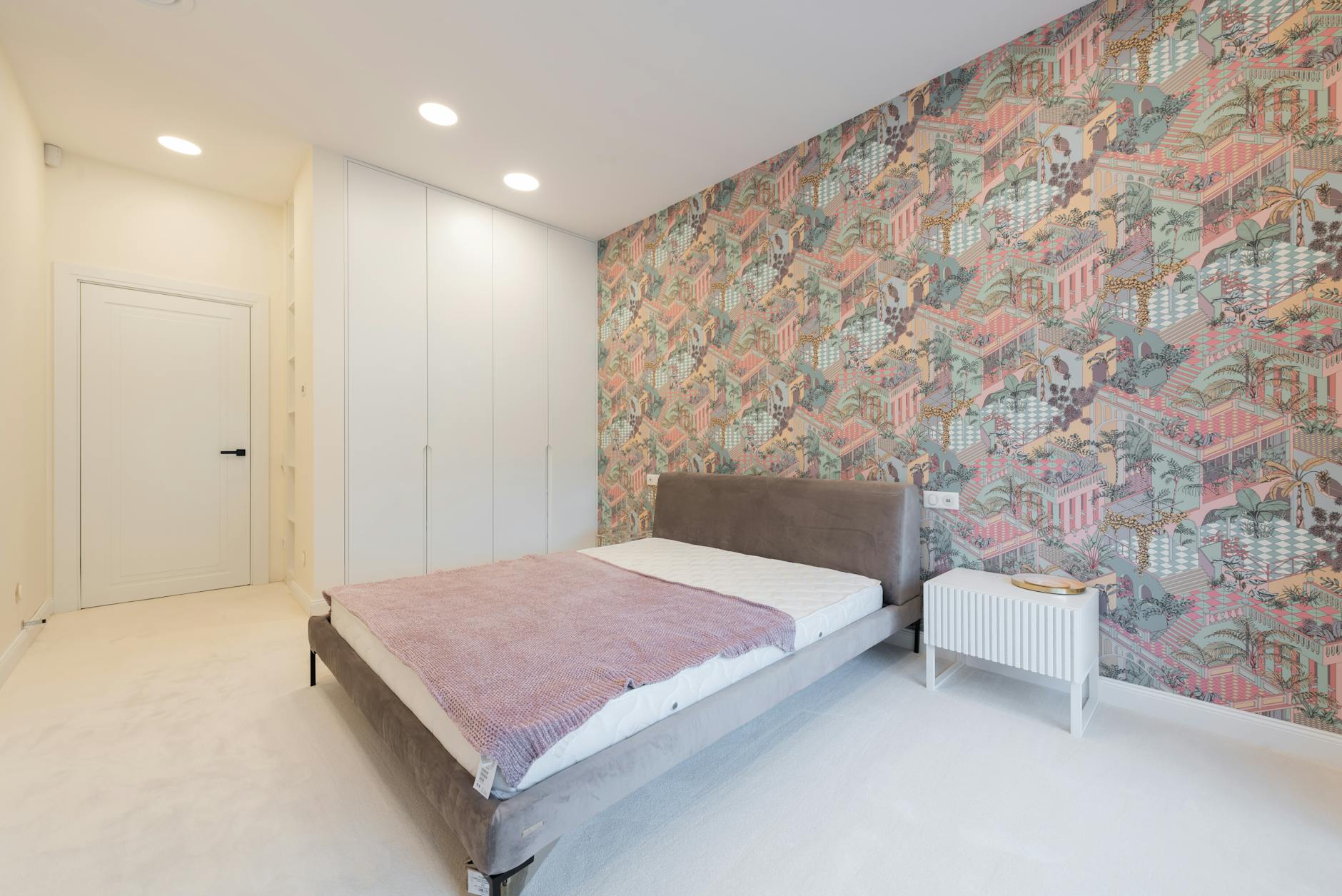
Texture is crucial in Organic Modern Design, so experiment with different materials to create layers within your space. Consider adding a jute rug, linen cushions, or clay pottery to introduce tactile variety. The combination of textures not only adds visual interest but also enhances comfort, making your space feel welcoming.
Lastly, when it comes to color, opt for a muted, natural palette. Paint walls in earthy tones and choose furniture that complements these colors. You can also add pops of color through accessories, such as throw pillows or artwork, to keep the design dynamic yet rooted in nature.
The Impact of Organic Modern Design on Well-Being
The significance of Organic Modern Interior Design extends beyond its aesthetic appeal; it plays a vital role in promoting emotional and physical well-being. Numerous studies have shown that natural elements within our living spaces can reduce stress and enhance mood. By integrating organic shapes, textures, and colors inspired by nature, this design approach creates an environment that fosters relaxation and rejuvenation.
Furthermore, a focus on sustainable materials and eco-friendly practices contributes to a healthier living environment. By choosing items that are free from harmful chemicals and pollutants, homeowners can improve indoor air quality and promote a more sustainable lifestyle. The rise of Organic Modern Design reflects a growing awareness of our connection to the environment, emphasizing that our homes should be sanctuaries that nurture both our bodies and minds.
In summary, Organic Modern Interior Design represents a beautiful marriage of contemporary style and nature-inspired elements. By creating spaces that prioritize sustainability and well-being, this design approach not only enhances aesthetic appeal but also promotes a healthier lifestyle. As more individuals embrace this philosophy, the homes we create can become more than just living spaces—they can transform into harmonious retreats that nurture our connection to the world around us.