
The air quality inside our homes can often be overlooked, yet it significantly impacts our health and well-being. Poor indoor air quality is linked to a range of health problems, including respiratory issues, allergies, and even long-term diseases. In this article, we will explore practical and effective methods to enhance the air quality in your living space. By adopting these strategies, you can create a healthier environment for yourself and your family.
Understanding Indoor Air Quality
Indoor air quality (IAQ) refers to the condition of the air within and around buildings, particularly as it relates to the health and comfort of the occupants. A variety of factors contribute to indoor air quality, including ventilation, humidity levels, and the presence of pollutants. Common culprits of poor air quality include volatile organic compounds (VOCs) emitted by household products, dust mites, mold, pet dander, and outdoor air pollution that seeps in. Understanding these elements plays a crucial role in improving the air we breathe at home.
One of the critical measurements of IAQ is the presence of particulate matter. These tiny particles can penetrate our bodies, leading to health issues. Therefore, monitoring and managing these pollutants is vital. It’s essential to recognize how even seemingly benign objects, like furniture and paints, can contribute to the overall air quality.
Effective Strategies for Enhancing Indoor Air Quality
Improving air quality requires a multi-faceted approach. Here are some actionable strategies to ensure cleaner air in your home.
1. Optimize Ventilation
Proper ventilation is the cornerstone of good indoor air quality. Adequate airflow helps dilute indoor pollutants and remove stale air. Open windows and doors whenever possible to allow fresh air to circulate. Additionally, consider using exhaust fans in high-moisture areas like kitchens and bathrooms to reduce humidity and prevent mold growth.
For those living in areas with high outdoor pollution, a mechanical ventilation system with filters can enhance indoor air quality without sacrificing comfort. Heat recovery ventilators (HRVs) or energy recovery ventilators (ERVs) bring in fresh air while maintaining energy efficiency.
2. Invest in Air Purifiers
Air purifiers equipped with HEPA filters can effectively capture small particles, including pollen, dust, and pet dander. These devices can significantly reduce allergens and other harmful pollutants in your home, making them particularly beneficial for people with asthma or allergies.
When selecting an air purifier, consider the size of the space and the specific pollutants you wish to eliminate. Some modern air purifiers even come with smart features that allow for real-time monitoring of air quality, enabling you to take action as needed.
3. Maintain Optimal Humidity Levels
Humidity plays a critical role in indoor air quality. Too much moisture can lead to mold growth, while too little can cause dry skin and respiratory issues. Ideally, indoor humidity should be maintained between 30% and 50%. Use dehumidifiers in damp areas to control moisture levels, especially in basements or bathrooms. Conversely, humidifiers can add moisture to dry air during winter months.
Regularly check for signs of mold or excess moisture, such as water stains or musty odors, as these can indicate poor air quality. Addressing leaks or water damage promptly will help maintain a healthier indoor environment.

4. Choose Non-Toxic Products
The products we use in our homes can emit harmful chemicals that degrade indoor air quality. To mitigate this, opt for non-toxic, eco-friendly options for cleaning, painting, and furnishing. Look for products labeled as low-VOC or free from harmful chemicals. Additionally, always ensure proper ventilation when using any chemical substances to minimize exposure to harmful fumes.
Furthermore, consider incorporating houseplants known for their air-purifying abilities. Plants like spider plants, peace lilies, and snake plants can help absorb harmful pollutants while also adding a touch of nature to your home.
Regular Cleaning and Maintenance
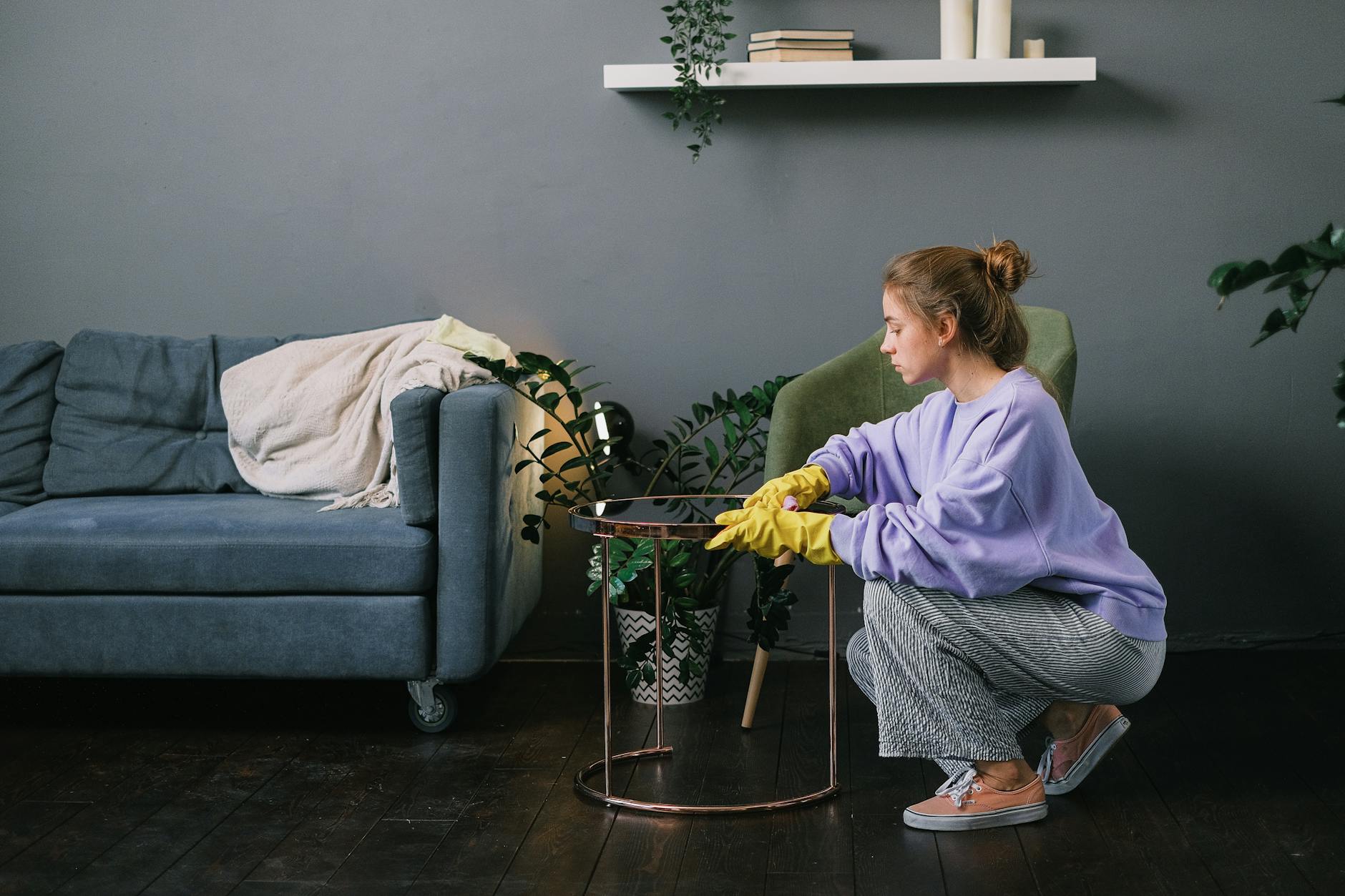
Routine cleaning is essential for maintaining good air quality. Dust and vacuum regularly to reduce allergens and particulates. Use a vacuum cleaner equipped with a HEPA filter to effectively trap dust mites and pet dander. Don’t forget to clean hard-to-reach areas where dust can accumulate, such as behind furniture and in vents.
Additionally, change air filters in your heating and cooling systems regularly—every 1 to 3 months, depending on usage. This simple action can prevent the circulation of dust and allergens, ensuring a cleaner air environment.
Awareness and Monitoring of Indoor Air Quality
Being proactive about indoor air quality means being aware of what affects it. Consider using indoor air quality monitors to track levels of pollutants, humidity, temperature, and air changes. These devices can provide valuable insight, allowing you to take action before issues arise.
Moreover, educating all household members about the importance of air quality can encourage collective efforts in maintaining a healthy environment. Simple habits like removing shoes at the door, keeping windows closed during high pollen seasons, and avoiding smoking indoors can make a significant difference.
Conclusion
Improving indoor air quality is not just a one-time effort but an ongoing commitment to fostering a healthier living environment. By implementing the strategies discussed, such as optimizing ventilation, using air purifiers, maintaining humidity levels, and choosing non-toxic products, you can significantly enhance the quality of the air in your home. Regular cleaning and monitoring are essentials that can help maintain these improvements over time.
In the quest for better health, let’s not forget the unseen element that surrounds us—the air we breathe. By taking these steps, we not only improve our immediate living conditions but also contribute to our overall well-being.