
Styling shelves might seem like a simple task, but achieving that polished, designer look can often feel elusive. The way you arrange and decorate your shelves can significantly influence the overall aesthetic and functionality of a room. Whether you’re styling a bookshelf in your living room, a display shelf in your kitchen, or even open shelving in a bathroom, understanding the styling principles used by interior designers can elevate your space. Here’s how to style your shelves like a pro, creating a balanced, eye-catching display that reflects your personal style.
Understanding the Basics of Shelf Styling
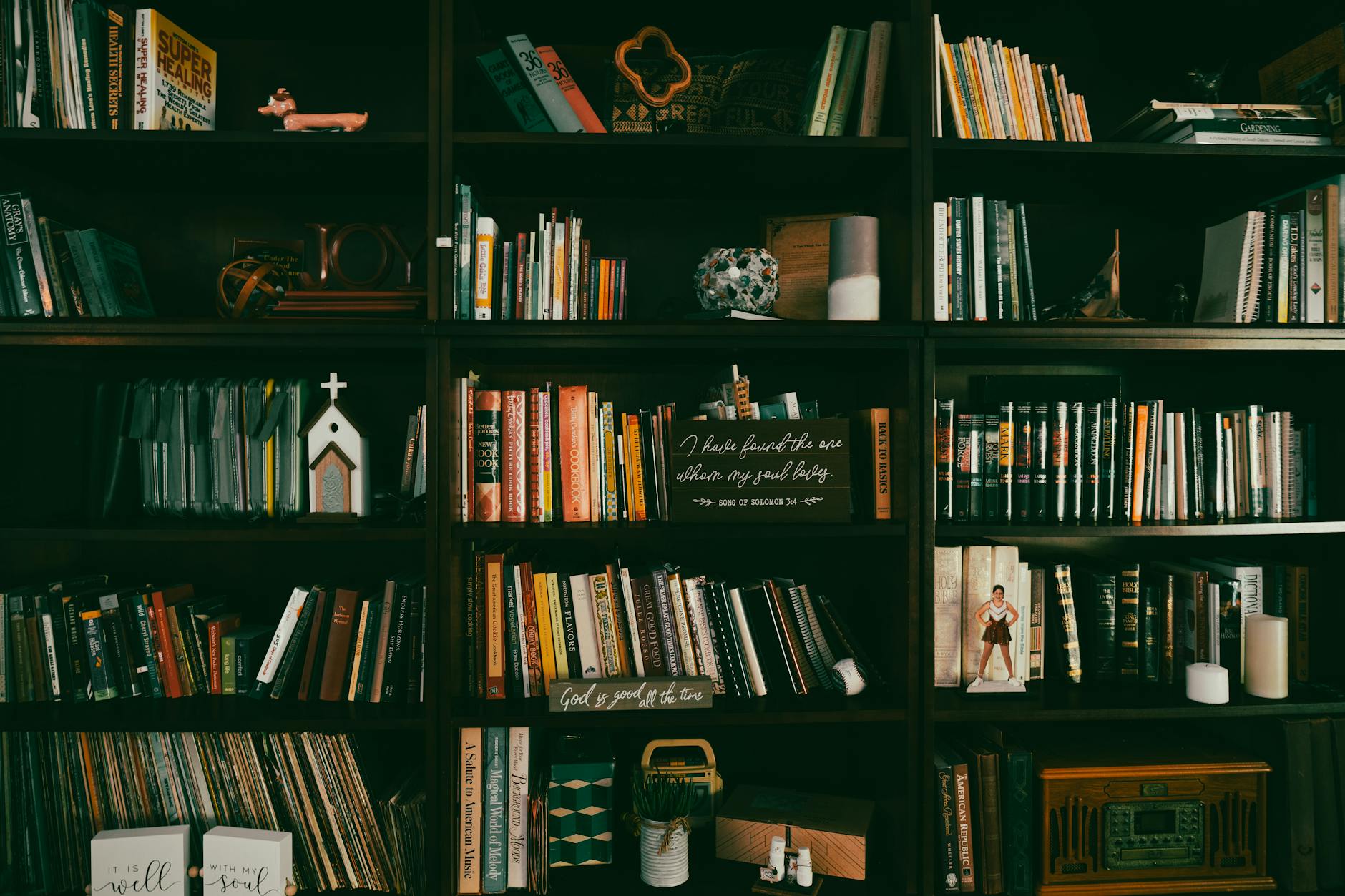
Before you dive into the art of shelf styling, it’s essential to grasp some fundamental design principles. The key is to create a cohesive look that combines function with aesthetics. One of the primary concepts is the rule of three, which suggests that objects arranged in odd numbers are more visually appealing. This principle applies to height, texture, and color. For instance, varying the height of books and decorative items adds dimension and intrigue.
Another critical aspect is layering. Place larger items at the back of the shelf, gradually moving to smaller items at the front. This layering technique not only creates depth but also ensures that each piece is visible and contributes to the overall composition. Using negative space effectively is also crucial—don’t feel compelled to fill every inch of your shelves. Leaving some empty space allows the eye to rest and highlights the items you choose to display.
Selecting the Right Items to Display
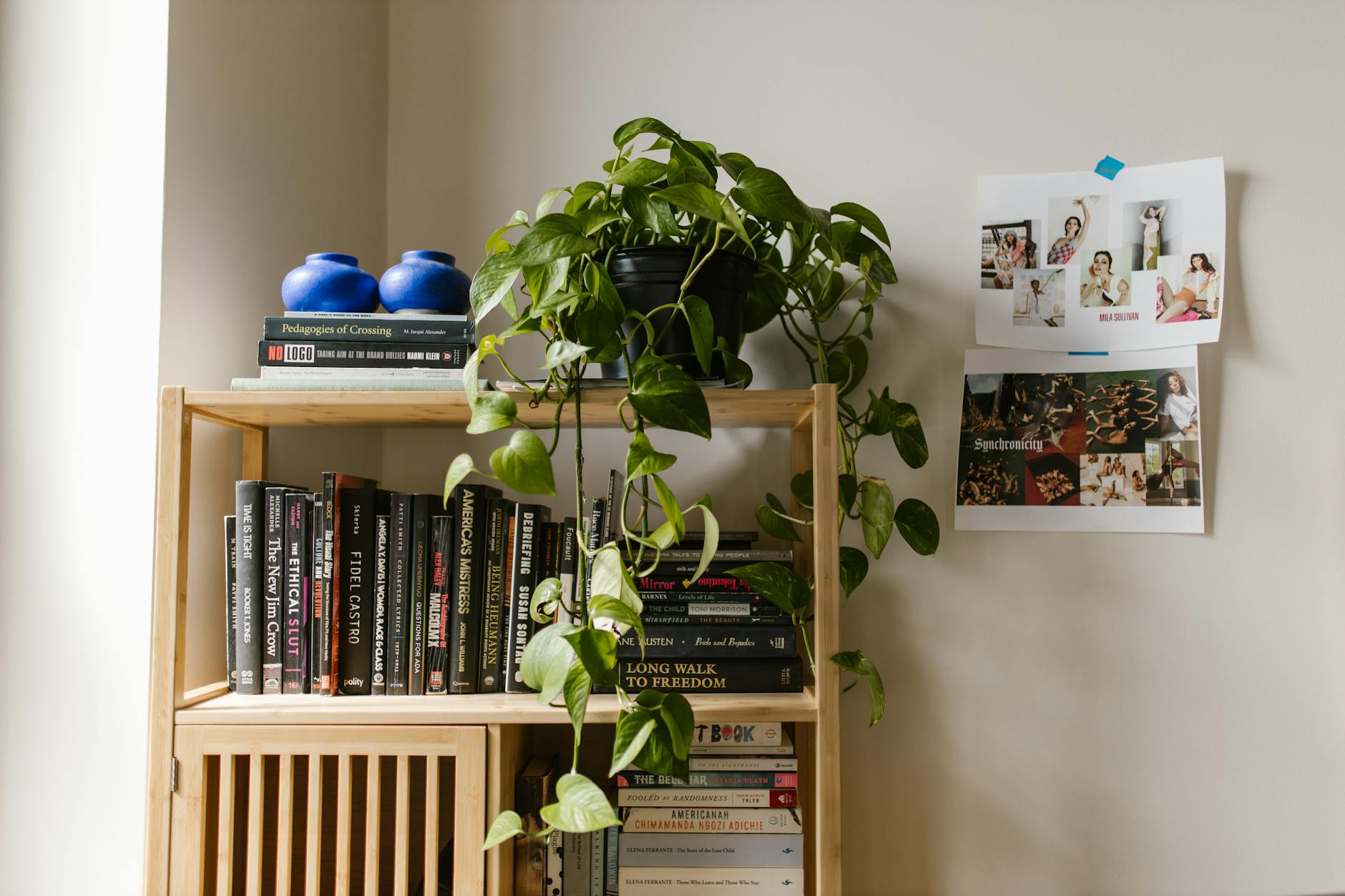
Choosing the right items to style your shelves involves more than just picking your favorite decor pieces. Start by considering a mix of functional and decorative items, ensuring a balance between both. Books are a classic choice and serve as an excellent base; stack some horizontally and stand others vertically to create variety. Consider integrating personal touches like family photos or travel souvenirs to add character to your display.
Incorporating natural elements can enhance the aesthetic of your shelves. Plants, whether real or faux, not only bring life into your space but also add texture and color. Smaller sculptures, vases, or bowls can work as eye-catching accents. Collectibles and art pieces can also provide unique focal points, while decorative boxes can help keep clutter hidden while still looking stylish. Aim to reflect your personality in the items you choose—after all, your shelves should tell a story.
Creating a Cohesive Color Palette
Color is a powerful tool in interior design, and it plays a critical role in shelf styling. When styling your shelves, think about establishing a cohesive color palette that ties the items together. Start with a base color that fits the room’s overall décor, then build from there with complementary or contrasting colors. For example, if your room features a neutral palette, you might choose to add pops of color through your decor items—think vibrant books, colorful vases, or rich textiles.
Monochromatic schemes can also create a sophisticated look, especially in spaces where you want to promote calmness and simplicity. However, don’t hesitate to introduce some variety—textured items like woven baskets or metallic accents can add interest even within a limited color scheme. The key is to ensure that your shelves harmonize with your existing decor, creating a seamless flow throughout the room.
Incorporating Functionality into Your Design
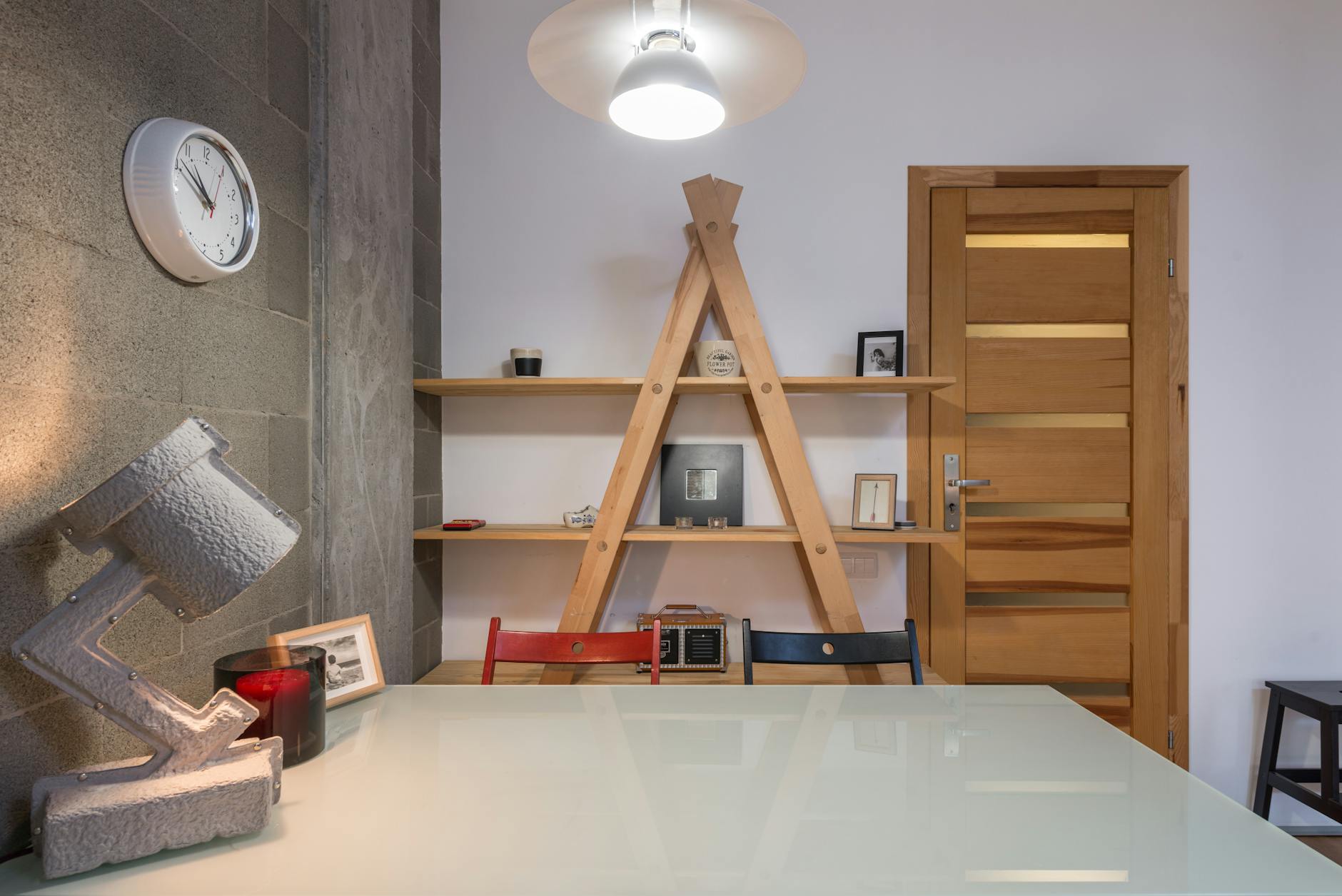
While aesthetics are crucial, remember that shelves should serve a purpose. If you’re styling shelves in a workspace or a kitchen, consider what items you genuinely need to access regularly. Integrating functionality into your design can enhance the practical use of your shelves while maintaining their style. For example, use decorative bins to store office supplies or kitchen essentials, keeping them organized yet visually appealing.
Open shelving in kitchens often requires a careful balance of beauty and practicality. Displaying everyday dishes alongside decorative items can create a charming, lived-in look while providing easy access to what you need. Consider the depth of your shelves as well; this can influence what items you can realistically display without appearing cluttered. Choose items that fit within the space without overwhelming it.
Final Touches: Personalization and Seasonal Decor
One of the most rewarding aspects of styling your shelves is the opportunity for personalization. Infuse your personality into the design by showcasing items that resonate with you. This could include artwork created by you or your kids, handmade crafts, or souvenirs from memorable trips. By incorporating these personal pieces, your shelves transform into a gallery of your life experiences, offering a conversation starter for guests.
Moreover, consider updating your shelves seasonally. Small adjustments like changing out artwork, swapping decorative items, or adding seasonal plants can keep your shelves looking fresh and aligned with the time of year. In autumn, you might introduce warm-colored leaves, while in spring, you could showcase vibrant flowers or pastel accents. This adaptability not only keeps your space dynamic but also allows you to embrace the changing seasons within your home.
In essence, styling shelves is an art that combines creativity with practical considerations. By understanding basic design principles, selecting the right items, and incorporating personal touches, you can create stunning displays that resonate with your style and enhance the beauty of your living space.
Feel free to adjust the content as needed, or let me know if you have specific requests or changes!