
In an increasingly complex world, managing important documents at home has never been more vital. Whether it’s tax returns, medical records, or legal documents, knowing where to find your important papers can save you time, stress, and even money. A well-structured system not only keeps your home organized but also ensures that you can easily access your information when you need it most.

Assessing Your Document Needs
The first step in organizing your documents is to assess which papers are truly important. Begin by gathering all your paperwork from various places around the house. This includes files from your home office, mail that typically gets piled on the counter, and documents from your family. Categories to consider include:
- Financial Records: Bank statements, investment documents, and loan information.
- Medical Records: Health insurance cards, vaccination records, and bills.
- Legal Documents: Wills, deeds, and any contracts.
- Personal Documents: Birth certificates, passports, and marriage licenses.
Once you have all your documents in one place, it’s time to evaluate each item. Ask yourself: Is this document necessary? Do I need to keep it for a specific period? This assessment will help you reduce clutter and focus on what truly matters. Keep in mind that electronic records can serve as backups for important documents, which can also reduce physical storage needs.
Creating a Filing System
After determining which documents are essential, the next step is to create a filing system that works for you. Here are some methods to consider:
- Alphabetical Filing: Organize documents by category alphabetically. For example, under “Financial,” you could have separate folders for ‘Banking,’ ‘Insurance,’ and ‘Investments.’
- Chronological Filing: This system is especially useful for documents that are time-sensitive, such as tax returns or medical bills. You can group them by year, making it easy to locate files when needed.
- By Project or Subject: If you have ongoing projects—like renovations or legal matters—consider creating separate folders for each project, which can help you keep relevant documents together.
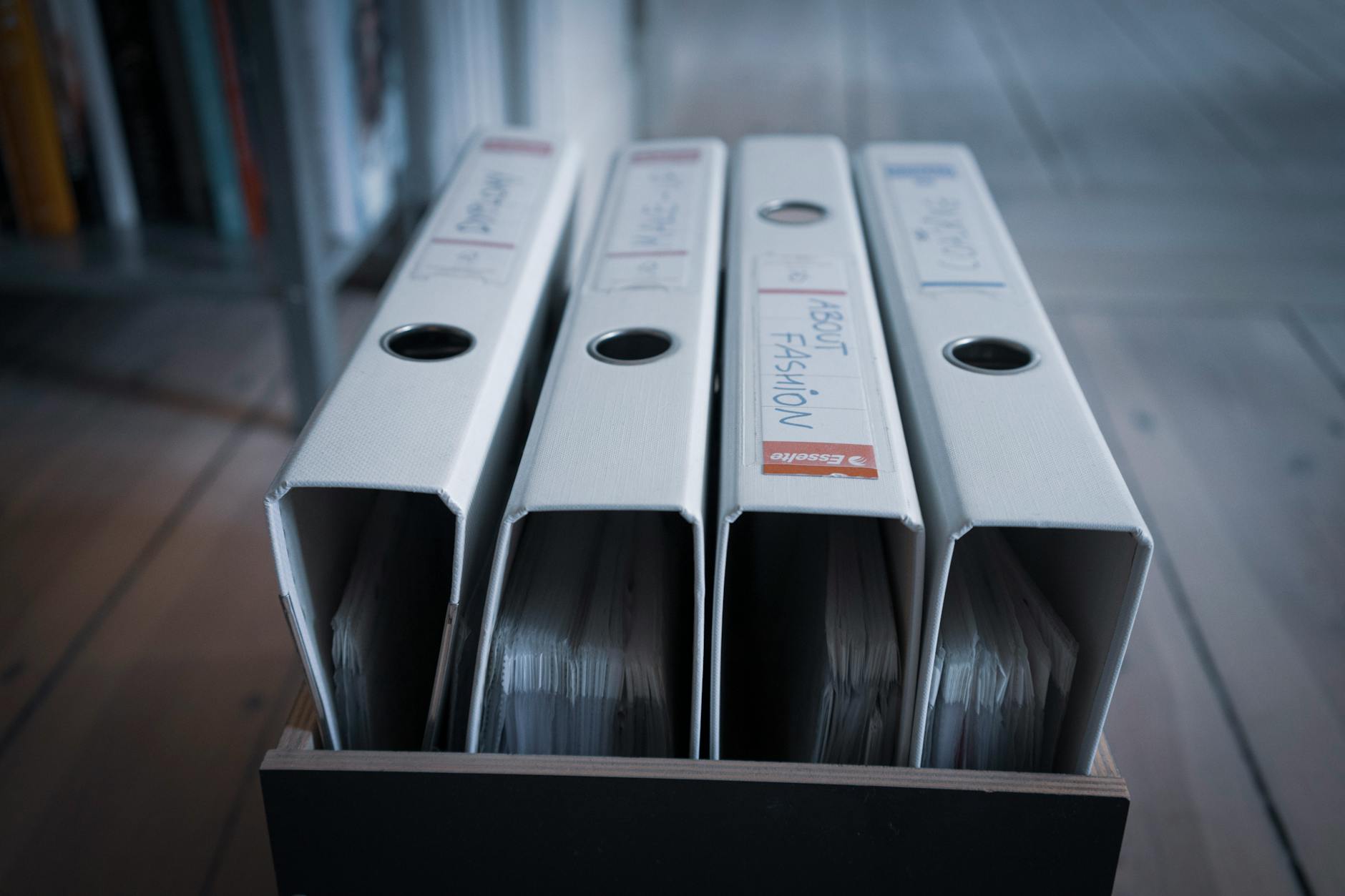
Whichever method you choose, labeling is key to maintaining an organized system. Create clear, easy-to-read labels for each folder or file, using bold text and consistent terminology. Consider using color-coded tabs or folders to further enhance the organization and make navigation effortless.
Digital vs. Physical Organization
In today’s digital age, many people prefer to store important documents electronically. However, maintaining a balance between digital and physical copies can provide the best protection against loss. Consider the following tips:
- Scan Important Documents: Use a scanner or a smartphone app to digitize your most critical documents. Store them in a secure cloud service or on an external hard drive to ensure easy access.
- Secure Your Digital Files: Use strong passwords and consider enabling two-factor authentication on accounts that store sensitive information. Regular backups can also prevent loss due to hardware failures.
- Keep Physical Copies for Key Documents: While digital files are convenient, some documents—like your passport, birth certificate, and legal papers—should have physical copies stored securely.
- Use a Home Safe: Investing in a fireproof and waterproof safe can protect your most important physical documents from disaster.
Remember that even in a digital age, connectivity and power outages can happen, so having access to hard copies can be invaluable in emergencies.
Regular Maintenance and Review
Organizing your documents isn’t a one-time task; it requires regular maintenance. Set a dedicated time each month or at least quarterly to review your filing system. During this review, do the following:
- Check for Expired Documents: What can be shredded or deleted? For example, tax records can generally be discarded after seven years, while medical records might be kept for only a specific time frame.
- Update Your Files: Add new documents that have accumulated since your last review, and remove outdated ones.
- Assess the Organization: Are your documents still easy to find? If you notice certain categories becoming congested, consider adjustments to improve flow.
Keeping your documents organized is like maintaining any other aspect of your home; it requires consistent effort. Regular maintenance will help keep clutter at bay and reduce stress during times when you need to find something quickly.
Final Thoughts on Document Organization
Organizing important documents at home is an investment of time that pays off in countless ways. Not only does it create a more serene living space, but it also provides peace of mind knowing that you can access essential information quickly. With a well-structured filing system, the right balance between digital and physical storage, and ongoing maintenance, you can take control of your documents and, by extension, your life.
Ultimately, the goal of organizing documents is not merely to file them away but to create a system that enhances your daily routine. As your life changes, so too should your system of organization. Embrace the process, and enjoy the clarity that comes from knowing your important documents are just a reach away.