
Living in a small space can be challenging, especially when it comes to feeling cramped or overwhelmed by clutter. However, with a few clever design tricks and smart organization techniques, you can make your home feel larger instantly. This article will delve into some effective strategies that can create an illusion of spaciousness and enhance your home’s atmosphere.
1. Utilize Mirrors Wisely
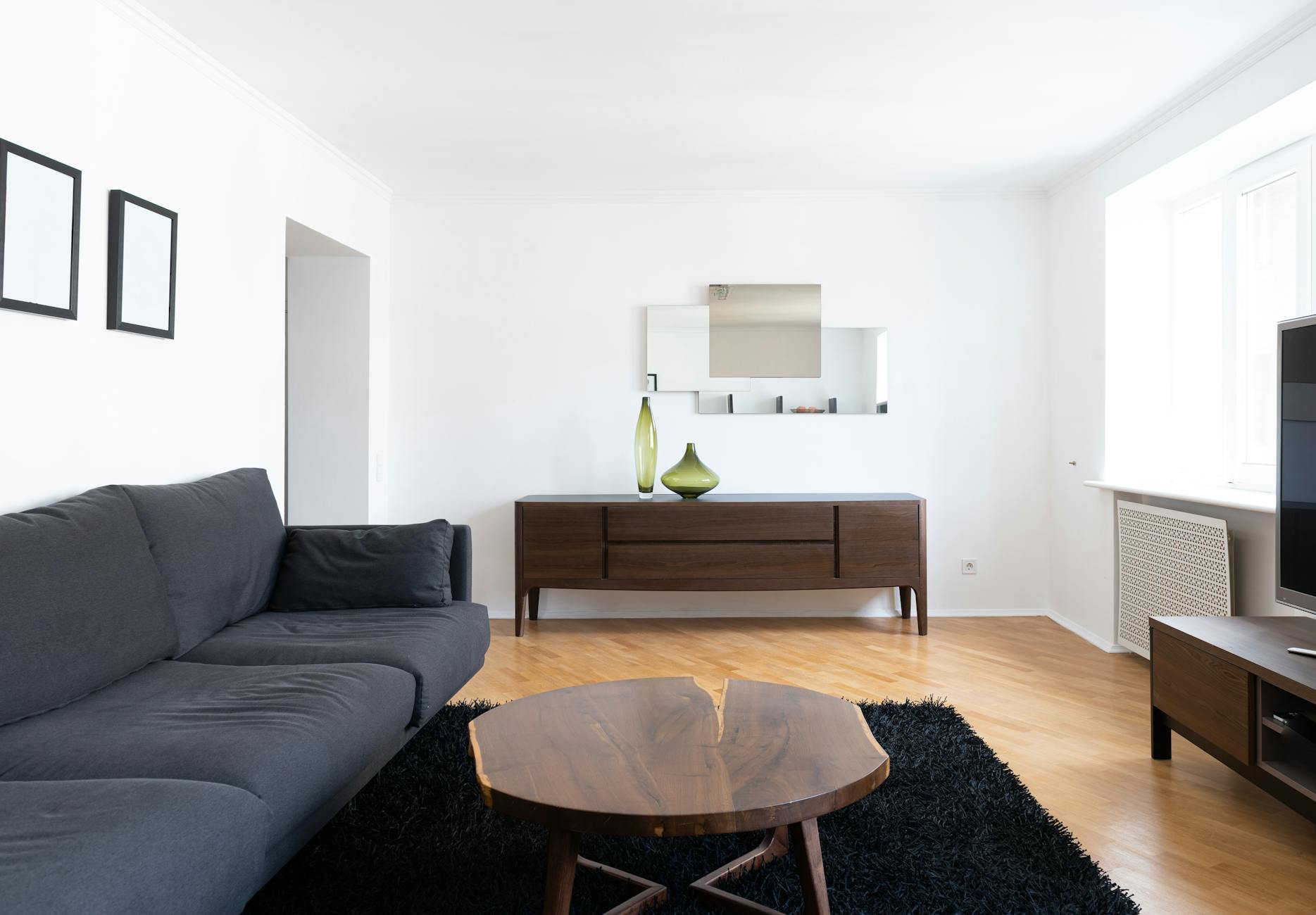
One of the most effective ways to create the illusion of space is to use mirrors. By strategically placing mirrors around your home, you can reflect light and open up areas that might otherwise feel confined. A large mirror mounted on a wall can act as a focal point, drawing the eye and giving the appearance of depth.
Consider placing mirrors across from windows or in areas that receive ample natural light. Pairing multiple smaller mirrors in a gallery wall can also make a stylish statement while enhancing the perception of space. Remember, the key is to avoid cluttering your walls; instead, focus on simple, elegant arrangements that highlight your design aesthetic.
2. Opt for Light Colors and Minimalist Design
The colors you choose for your walls, furnishings, and décor can significantly impact how spacious your home feels. Light colors, such as whites, soft pastels, and pale neutrals, can enhance brightness and create an airy atmosphere. These shades reflect light rather than absorb it, which can make even the smallest of rooms feel more expansive.
Along with color, adopting a minimalist design approach can drastically change your space. Aim for fewer, but more meaningful pieces in each room. By eliminating unnecessary clutter, you not only streamline your visual layout but also create more open areas, allowing your home to breathe. Consider multifunctional furniture, such as storage ottomans or fold-out tables, which provide convenience without crowding your space.
3. Maximize Vertical Space
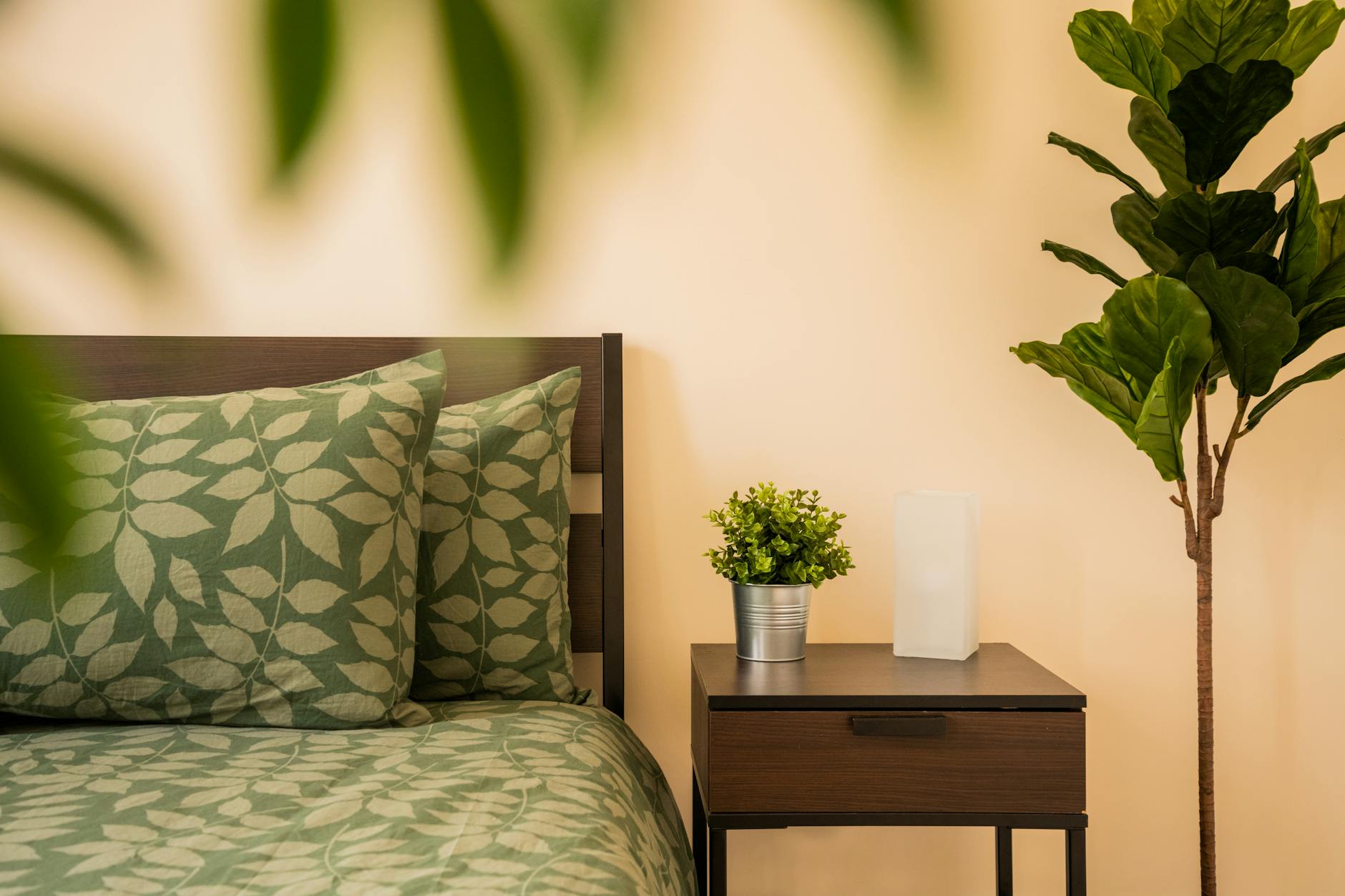
When dealing with limited floor space, think vertically. Using shelving units, wall-mounted cabinets, and tall bookcases can draw the eye upward, creating the illusion of higher ceilings and a more spacious environment. Consider installing floating shelves to display books, plants, or decorative items without taking up floor space. This method not only enhances functionality but also adds visual interest to your walls.
Additionally, hanging curtains closer to the ceiling will create the illusion of taller windows and, thereby, higher ceilings. Use long curtains that reach the floor and choose fabrics that are light and airy, which can maintain the openness of the room. This simple trick can elevate your space, making rooms feel larger and more refined.
4. Declutter and Organize Efficiently
Clutter can quickly overwhelm a small space, making it feel confined and chaotic. A strategic decluttering session can drastically enhance how spacious your home feels. Start by evaluating each room and removing items that no longer serve a purpose. Be critical—ask yourself if each object deserves its spot in your home.
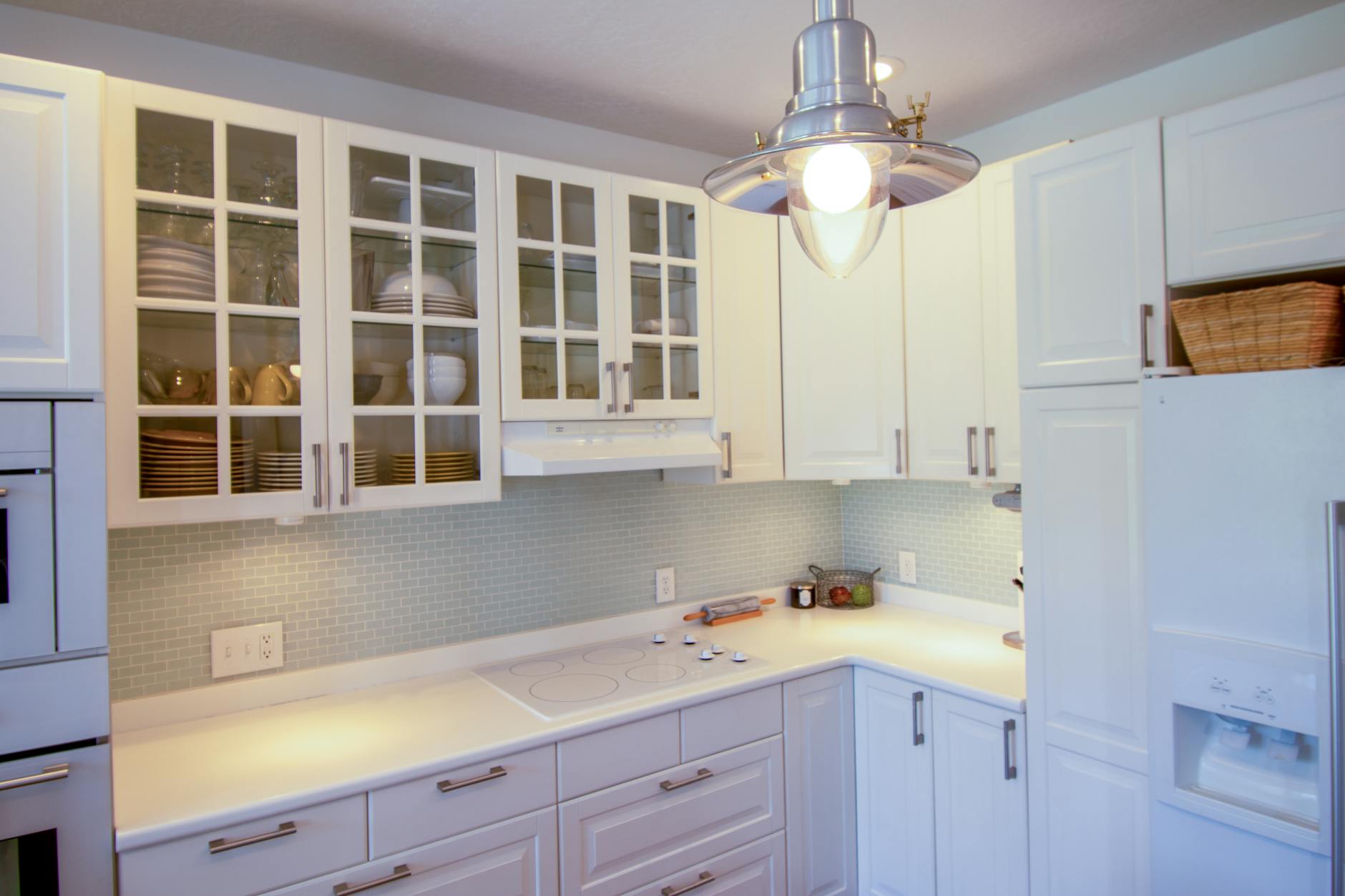
Once you’ve decluttered, implement efficient organization solutions. Utilize attractive storage baskets, bins, or drawer organizers to keep your belongings tidy and out of sight. The more organized your space, the more room it appears to have. Consider using labels to maintain organization, making it easier to locate items without creating further mess.
5. Create Zones with Area Rugs
In open floor plans, delineating spaces can sometimes be difficult. Area rugs can be a fantastic solution to help define different zones within a larger room. For instance, a rug under a dining table can create a distinct eating area, while a separate rug in the living room can signify a relaxing space. This way, you give each area its unique identity, which can help the overall feel of the home appear larger and more organized.
Opt for rugs that are lighter in color and textured for added interest without overwhelming the space. Avoid using multiple rugs that have clashing patterns or colors, as this can create visual chaos. Instead, aim for cohesion—select rugs that complement each other to enhance fluidity across your home.
“The most beautiful space is one that feels both open and inviting, achieving a perfect balance of comfort and style.”
6. Bring in Natural Light
Natural light plays a critical role in how spacious a room feels. If possible, maximize natural light by keeping windows free of heavy curtains. Sheer drapes can provide privacy while still allowing sunlight to filter through. Position mirrors and reflective surfaces to bounce light around the room, enhancing the bright, open atmosphere.
In spaces with limited natural light, consider adding lamps that replicate daylight, such as full-spectrum light bulbs. This can help to brighten darker corners and maintain a welcoming ambiance throughout your home. Incorporate plants as well; not only do they enhance the décor, but they also bring a sense of vitality and connection to the outdoors, making your space feel more expansive and alive.
7. Choose Furniture Wisely
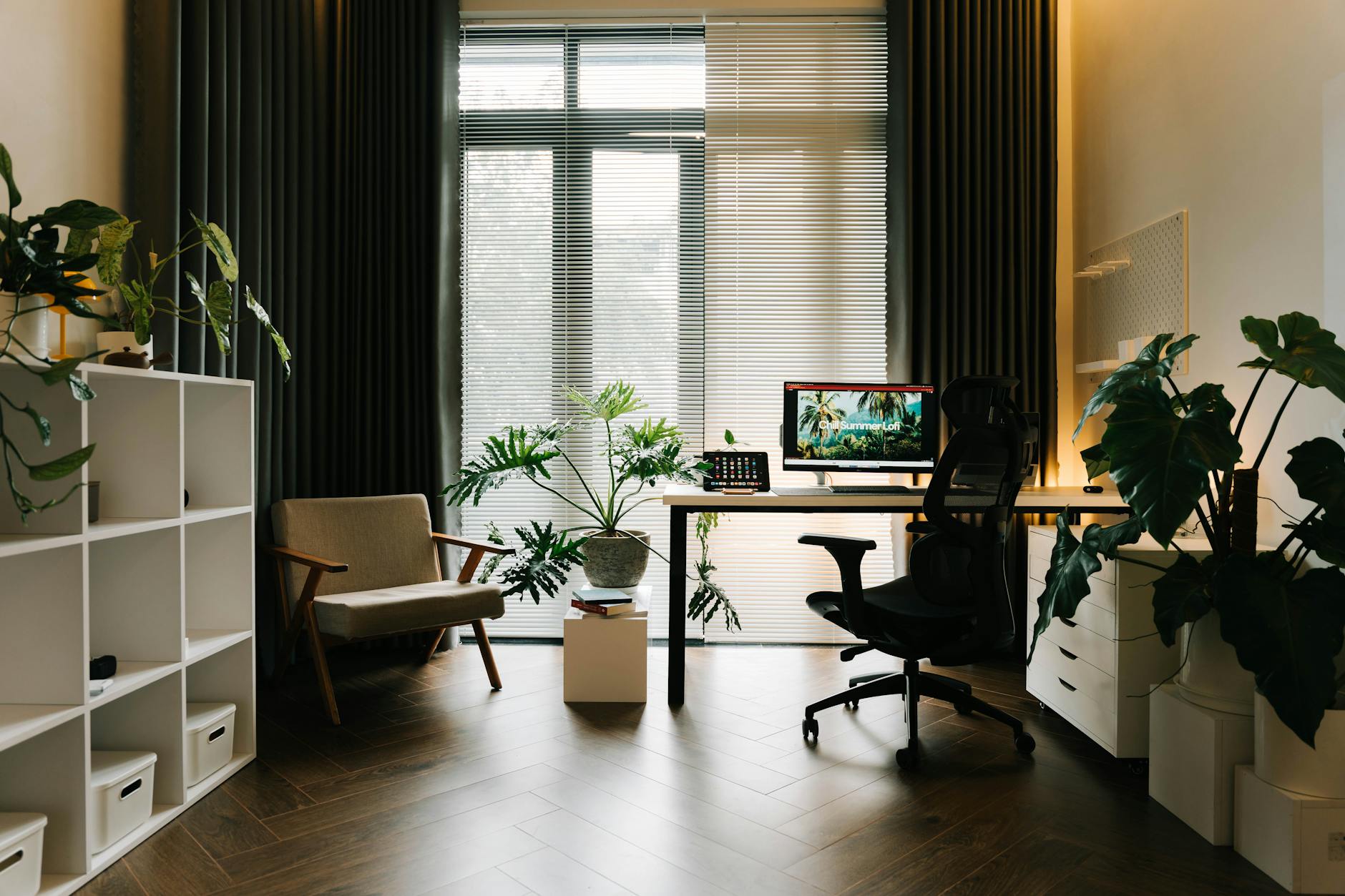
When selecting furniture for a smaller living space, scale is paramount. Choose pieces that are proportionate to the room; oversized furniture can make a space feel cramped, whereas slimmer, low-profile options can increase the perception of openness. Consider furniture that doubles as storage, such as coffee tables with drawers or beds with built-in drawers underneath, which reduces visual clutter.
Additionally, transparent furniture, such as acrylic chairs or glass-top tables, can minimize visual weight in a room. This furniture style allows light to flow freely, creating an unobstructed sightline that further enhances the illusion of space.
By implementing these strategies, your home can transform from a cramped environment to an open, spacious retreat. Whether it’s utilizing mirrors or optimizing your furniture choices, each adjustment can contribute to a more comfortable and relaxed living experience. Make these changes today and experience the instant impact they can have on your home!