
Creating the illusion of space in your home is a common challenge, especially when dealing with smaller rooms or areas. The right lighting can transform the feel of your space, making it appear larger, brighter, and more inviting. By understanding the principles of lighting and implementing a few strategic techniques, you can enhance the spaciousness of your home without any hefty renovations.
The Power of Natural Light
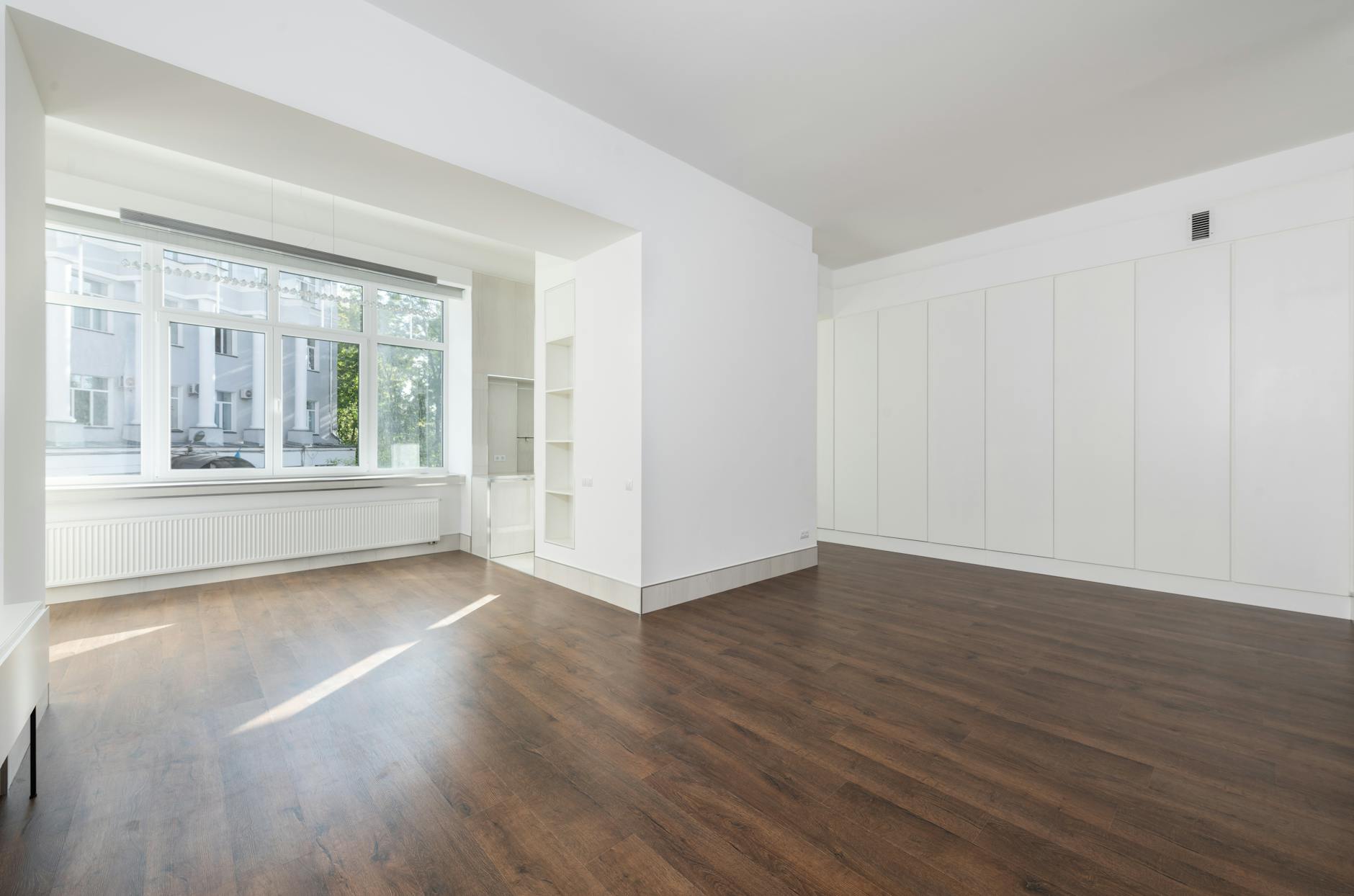
One of the most effective ways to make a room feel larger is by maximizing the amount of natural light that enters your space. Large windows can be a game-changer, allowing sunlight to flood in and create a warm, airy atmosphere. If your home lacks large windows, consider making modifications such as removing heavy drapes and opting for sheer curtains. This simple change can significantly increase the quantity of natural light in a room.
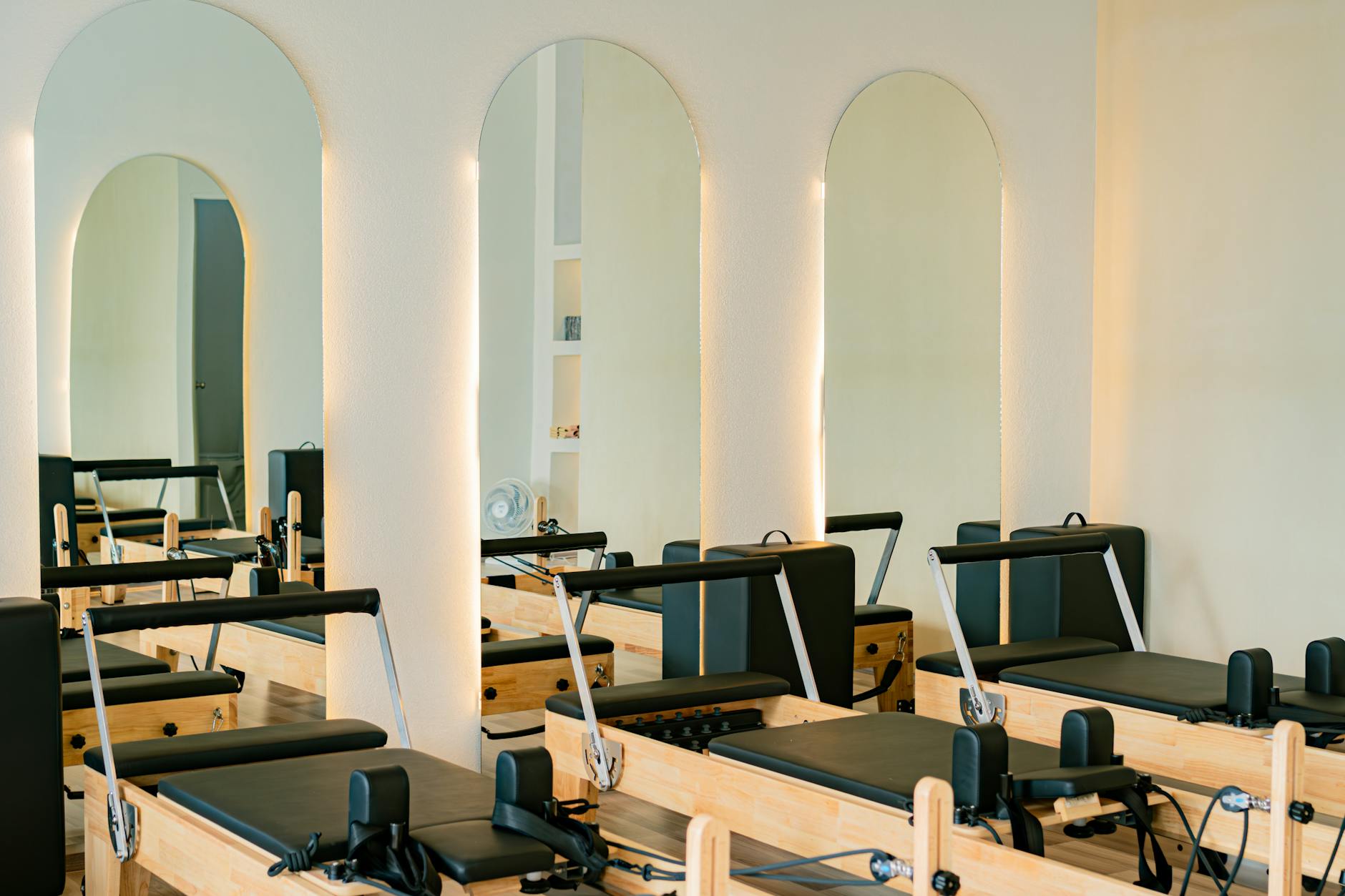
Furthermore, strategically placing mirrors opposite windows can reflect natural light, enhancing the perception of space. Mirrors not only create depth but also bounce light around the room, making it feel more expansive. A well-placed mirror can trick the eye, giving the illusion of another window, thus amplifying the effect of natural light.
Layering Your Lighting
Lighting should never be one-dimensional. Layering your lighting—using ambient, task, and accent lighting—creates a dynamic environment that draws the eye around the room. Ambient lighting serves as the general illumination, providing the foundation for the room’s light. Ceiling fixtures or recessed lights work well for this purpose.
Task lighting, such as table lamps or under-cabinet lights in the kitchen, focuses light on particular areas where activities occur, making them functional and efficient. Accent lighting highlights specific features in your home, such as artwork or architectural details. By combining these three types of lighting, you can cast away shadows and create a more open atmosphere.
The Importance of Color Temperature
Not all light bulbs are created equal. The color temperature of your bulbs can significantly affect how your space feels. Warmer light (around 2700K to 3000K) tends to create a cozy and intimate atmosphere, while cooler light (around 4000K to 5000K) mimics daylight and can make a space feel more expansive and invigorating. For rooms that aim to feel larger and more airy, opting for a cooler color temperature during the day can help achieve this effect.
Additionally, consider using LED bulbs, which are not only energy-efficient but also come in a variety of color temperatures. With the right choice of bulbs, you can create different moods in your home, enhancing its spaciousness at various times of the day.
Using Light to Define Spaces
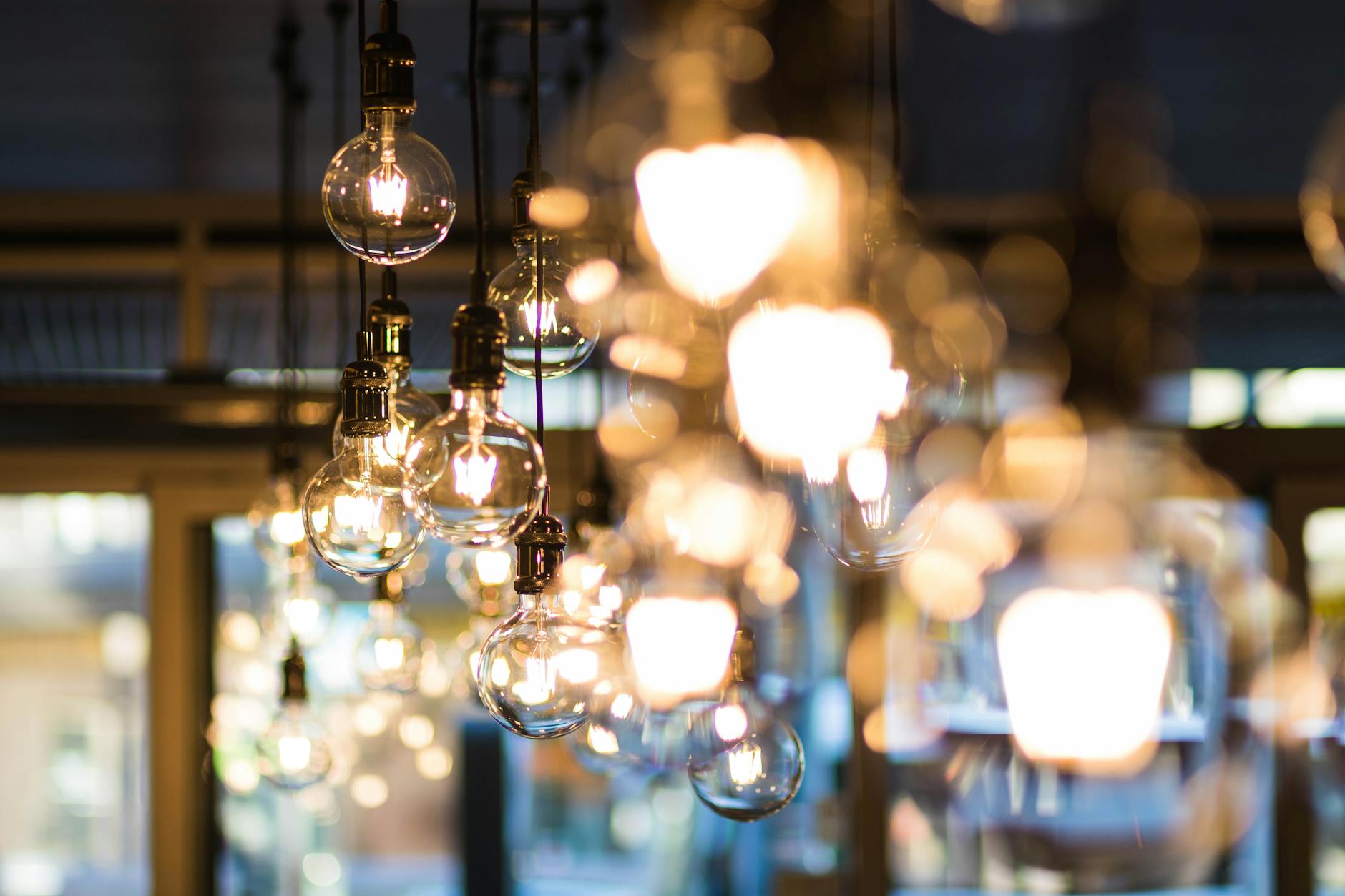
In open-concept layouts, defining different areas can be challenging. Thoughtful lighting can help distinguish between functional zones, such as living areas and dining spaces. For instance, using pendant lights or chandeliers over a dining table can visually separate that area from the rest of the room. Similarly, floor lamps can create distinct pools of light that guide the eye through the space, making it feel less cluttered and more organized.
Accent lighting can also be used to bring attention to architectural features or decor elements that highlight the room’s character. By emphasizing these details, you direct the viewer’s gaze, allowing for a more spacious feel as the eye moves fluidly around the room.
Smart Use of Lighting Fixtures
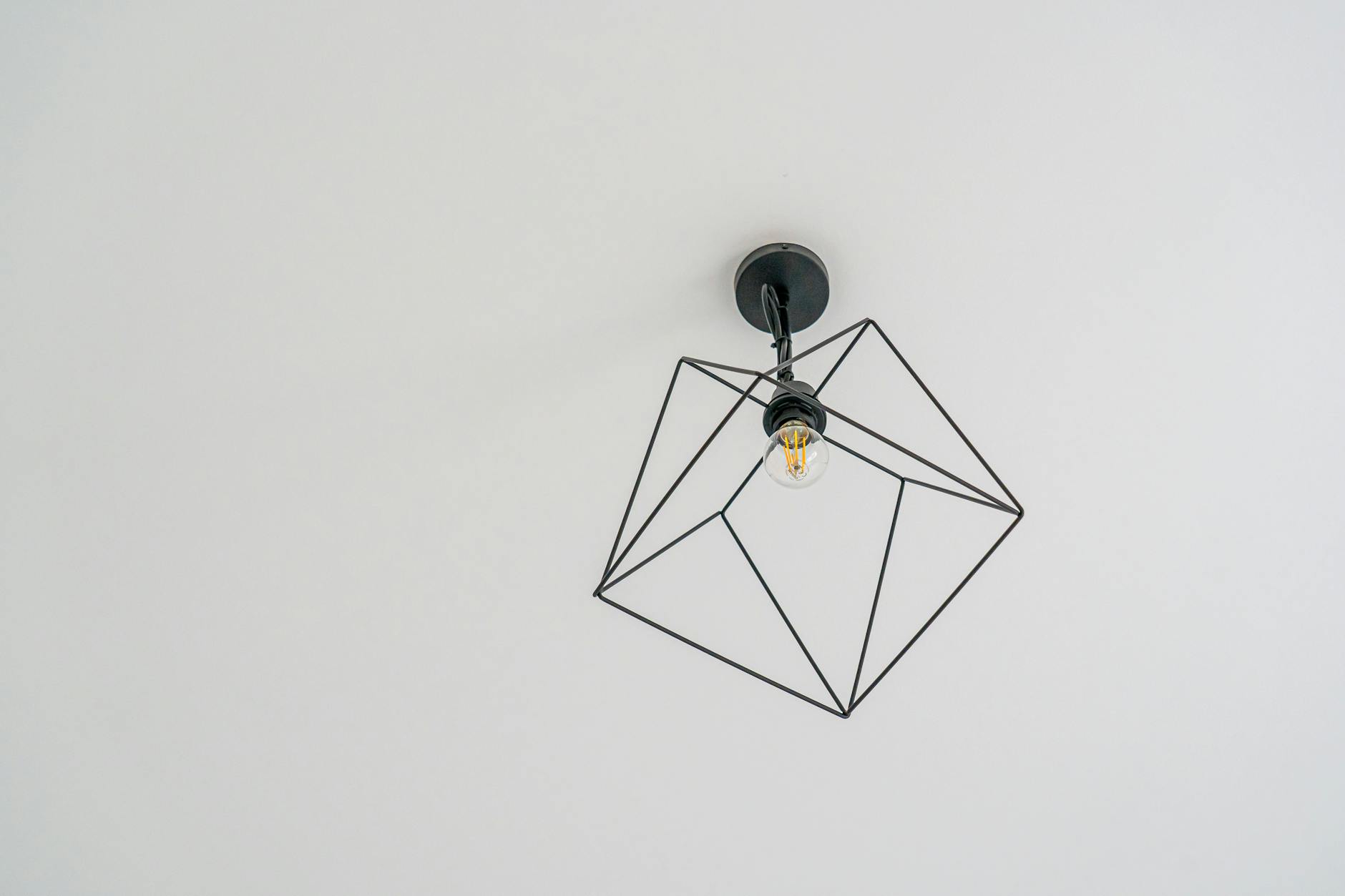
Choosing the right fixtures can greatly impact the spaciousness of your home. Opt for slimmer, minimalist designs that do not overpower the space. For instance, flush-mounted ceiling lights create an unobtrusive profile, keeping a room feeling open and airy. Pendant lights with a delicate design can add character without crowding the visual field.
Additionally, consider adjustable lighting options. Dimmers can allow you to change the brightness according to the time of day and the activities taking place, ensuring that your home remains accommodating and inviting. The more control you have over your lighting, the more effectively you can create an atmosphere that feels spacious.
Embrace Open and Reflective Surfaces
To amplify your lighting design, incorporate open and reflective surfaces into your decor. Furniture with glass or glossy finishes can enhance light distribution, preventing shadows from taking over your space. Light-colored walls also play a crucial role, as they reflect light better than darker hues. Painting your walls in soft, neutral tones allows light to bounce off surfaces, creating an airy backdrop that enhances the spacious feel of the room.
Incorporate open shelving instead of bulky cabinets; this not only creates a sense of openness but also allows light to travel freely across surfaces. By adopting these design principles, you can maintain a sense of spaciousness while also adding your personal touch to your home decor.
Creating a spacious environment in your home is an art that hinges on the strategic use of lighting. By harnessing the power of both natural and artificial light, layering your lighting sources, and making thoughtful choices in fixtures and finishes, you can visually enhance your space. Whether you live in a compact apartment or a traditional home, these techniques can make your rooms feel open, inviting, and rich in character.
Ultimately, understanding how to manipulate light will empower you to create a home that is not only beautiful but also functional and spacious.