
Dust is an ever-present challenge in maintaining a clean and healthy living environment. While it may seem unavoidable, implementing effective strategies can significantly reduce dust accumulation in your home. In this article, we will explore various methods and practical tips tailored to help you maintain a dust-free sanctuary.
Understanding Dust: What Is It and Where Does It Come From?
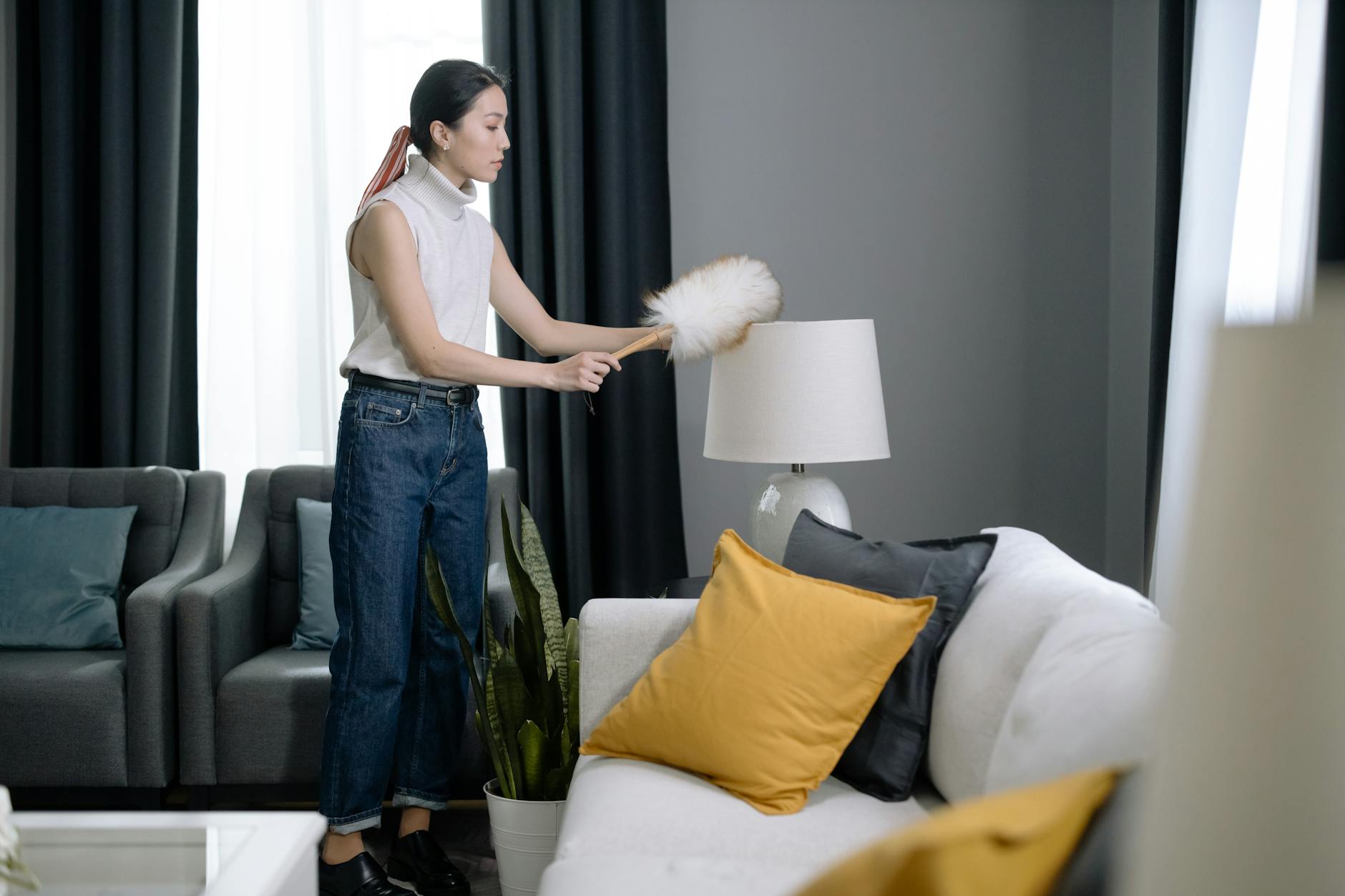
Before tackling dust removal strategies, it’s essential to understand what dust is. Dust consists of tiny particles, including pollen, skin cells, fabric fibers, pet dander, and other microscopic debris. These particles can easily circulate in the air, settling on surfaces and contributing to indoor air pollution. Understanding the sources of dust can make identifying effective cleaning strategies easier.
The primary culprits of indoor dust include textiles, pets, and outdoor pollutants. Fabrics like curtains, upholstered furniture, and rugs can trap dust, while pets shed dander and hair that contribute significantly to dust levels. Additionally, dust can infiltrate your home through windows, doors, and ventilation systems. By identifying these sources, you can implement targeted cleaning and prevention strategies.
Strategic Cleaning Techniques
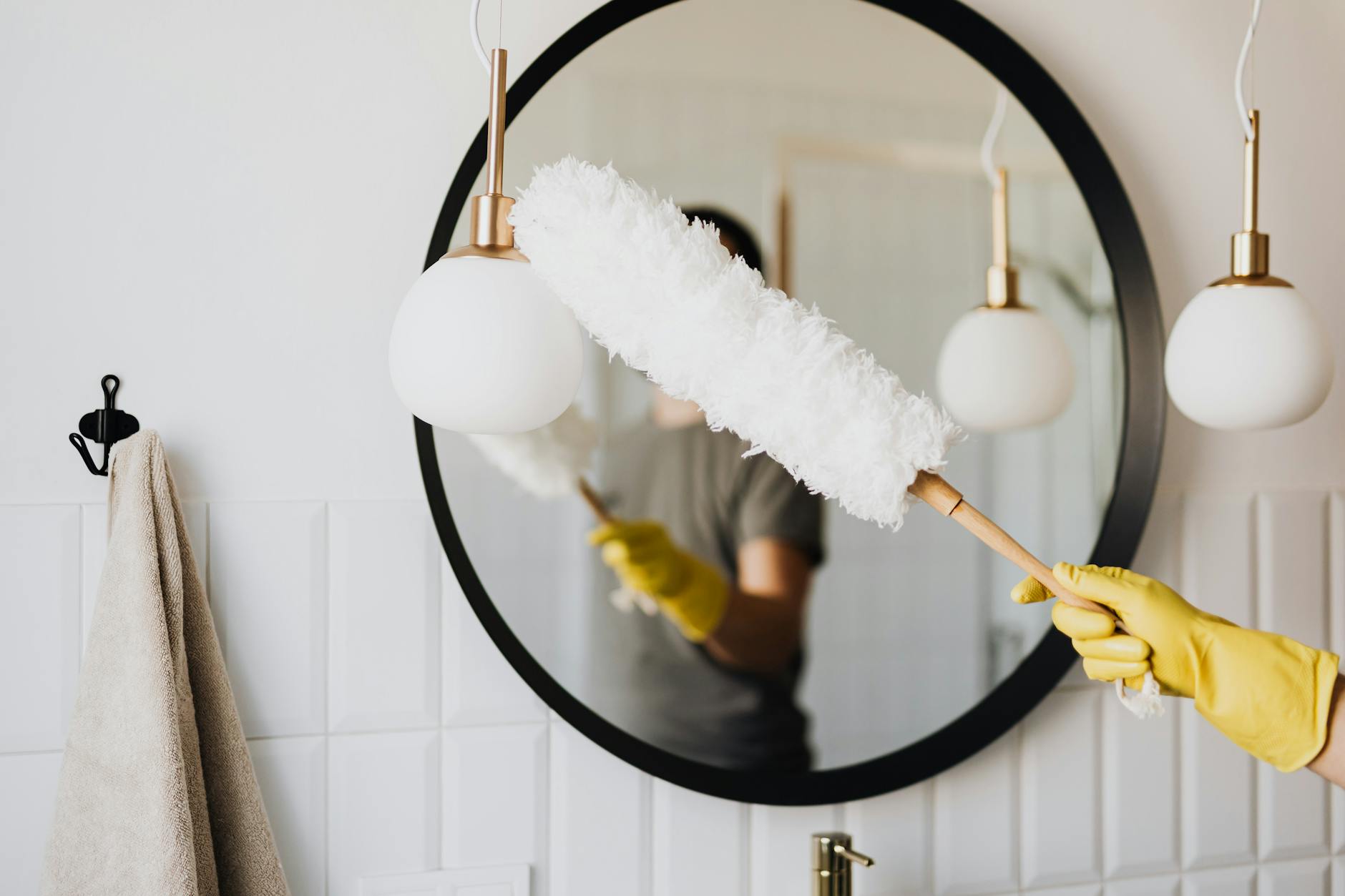
One of the most effective ways to combat dust is through a consistent and strategic cleaning routine. Regularly cleaning your home not only reduces dust buildup but also promotes a healthier indoor environment. Here are some cleaning techniques that can help you effectively eliminate dust:
- Use Microfiber Cloths: Unlike traditional dusters, microfiber cloths trap dust particles rather than merely pushing them around. Use these cloths to wipe down surfaces, including shelves, furniture, and electronics.
- Vacuum Regularly: Invest in a high-efficiency particulate air (HEPA) vacuum cleaner, which is capable of trapping fine particles. Be sure to vacuum carpets, rugs, and upholstery, as these areas can harbor significant amounts of dust.
- Focus on Nooks and Crannies: Pay extra attention to areas often overlooked, such as baseboards, ceiling fans, and behind appliances. A small brush attachment can help you reach these tricky spots and eliminate hidden dust accumulations.
It’s crucial to create a cleaning schedule that incorporates these techniques. For example, you might aim to vacuum at least once a week, while dusting surfaces two to three times weekly. This structured approach will help keep your home consistently dust-free.
Optimize Your Home for Dust Prevention
Beyond cleaning, several modifications can help minimize dust presence in your home. Optimizing your living space can create a more inhospitable environment for dust accumulation. Here are key strategies for reducing dust buildup:
- Invest in Air Purifiers: Air purifiers equipped with HEPA filters can significantly improve indoor air quality by capturing airborne dust particles. Place them in high-traffic areas or bedrooms for maximum effectiveness.
- Seal Entry Points: Prevent outdoor dust from entering your home by sealing gaps around windows and doors and using doormats to trap dirt and debris at entryways.
- Choose Hard Flooring: If you’re considering a home renovation, opt for hard flooring instead of carpet. Hard surfaces are easier to clean and do not trap dust like carpets do.
These preventative measures can dramatically reduce dust levels in your home, creating a cleaner and healthier space. Combining cleaning and prevention strategies will yield the best results.

Managing Allergies and Health Concerns
For individuals with allergies or respiratory issues, dust control becomes even more critical. Dust mites, in particular, thrive in warm, humid environments and can exacerbate allergic reactions. Here’s how to manage dust effectively if you or a family member are sensitive to allergens:
- Wash Linens Regularly: Launder bedding and curtains in hot water at least once a week to eliminate dust mites and allergens. Additionally, consider using allergen-proof covers on pillows and mattresses.
- Control Humidity Levels: Maintaining humidity levels between 30-50% can help reduce dust mite populations. Use dehumidifiers in damp areas and consider using exhaust fans in bathrooms and kitchens.
- Avoid Clutter: Clutter provides more surfaces for dust to accumulate. Regularly assess your belongings and declutter spaces to simplify cleaning and reduce dust traps.
By implementing these strategies, you not only keep your home dust-free but also safeguard your health and ensure a more comfortable living environment.
Enhancing Your Cleaning Kit
Having the right tools can enhance your ability to manage dust effectively. Here’s a list of essential supplies to include in your cleaning kit:
- Microfiber Cloths: As previously mentioned, these are vital for effective dusting.
- Vacuum Cleaners: A vacuum with a HEPA filter will trap fine dust and allergens.
- Cleaning Sprays: Consider eco-friendly cleaning solutions that can help break down dust and grime without introducing harmful chemicals.
- Lint Rollers: Ideal for quick clean-ups on furniture and clothing, lint rollers can efficiently remove dust and pet hair.
Investing in quality cleaning supplies will not only improve your efficiency but also enhance the overall cleanliness of your home. An organized cleaning kit can streamline your cleaning process and make it more effective.
Final Thoughts on Dust Management
Eliminating dust from your home is a continuous endeavor requiring a thoughtful and proactive approach. By understanding the sources and implementing strategic cleaning and prevention techniques, you can create a healthier and more inviting living space. Remember that consistency is key; regular cleaning, combined with dust prevention measures, will yield the best results.
Invest time and effort in establishing a clean home environment. You may discover a newfound appreciation for your space—a sanctuary free from dust-enhancing both your health and your overall quality of life.