
The living room is often considered the heart of a home, a gathering space for family and friends. It should evoke warmth, comfort, and style. However, maintaining a clutter-free living room can sometimes feel like a daunting task, especially in fast-paced modern life. It’s easy for items to accumulate, and before you know it, your cozy space might become a chaotic mess. Here, we explore effective strategies to keep your living room organized and clutter-free.
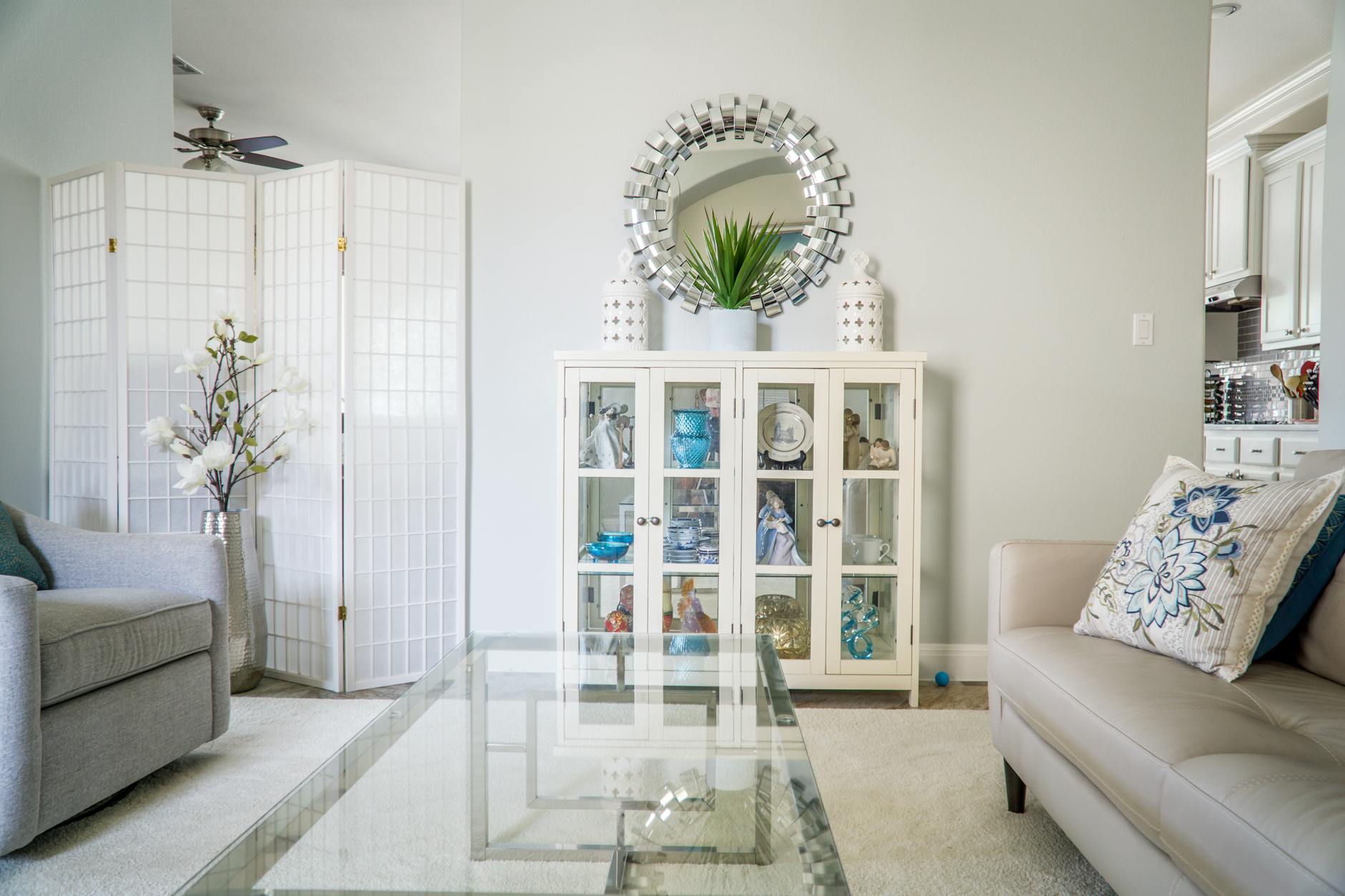
Understanding the Importance of a Clutter-Free Space
A cluttered living room can do more than just affect aesthetics; it also impacts mental well-being. Studies have shown that a clean, organized environment can lead to reduced stress and increased productivity. When your living room is tidy, it invites relaxation and comfort, making it an ideal space for unwinding after a long day. Furthermore, a well-organized living room enhances social interactions, allowing guests to feel more comfortable and engaged.
Additionally, recognizing the emotional connection we have to our possessions is crucial. Each item in your living room often carries memories or significance, making it challenging to let go of things. Thus, a clutter-free living room isn’t just about removing items; it’s about creating a curated space that reflects your values and lifestyle while providing a sense of peace.
Implementing Practical Solutions for Decluttering
To achieve and maintain a clutter-free living room, consider implementing these practical solutions:
- Adopt the One In, One Out Rule: This principle encourages you to let go of one item for every new item you bring into your living room. This method helps you control the influx of new possessions and prevents unnecessary accumulation.
- Establish Zones: Designate specific areas in your living room for different activities. For instance, create a reading nook, a game area, and a relaxation zone. When everything has its place, it’s easier to tidy up after use.
- Use Smart Storage Solutions: Invest in multifunctional furniture such as ottomans with hidden storage or coffee tables with drawers. These items can help conceal clutter while maintaining accessibility when you need it.
Incorporating these strategies can significantly enhance the organization of your living room. Regularly assessing what you have and how it fits into your current lifestyle is also crucial. Make it a habit to go through your belongings seasonally to determine what you truly need or love.
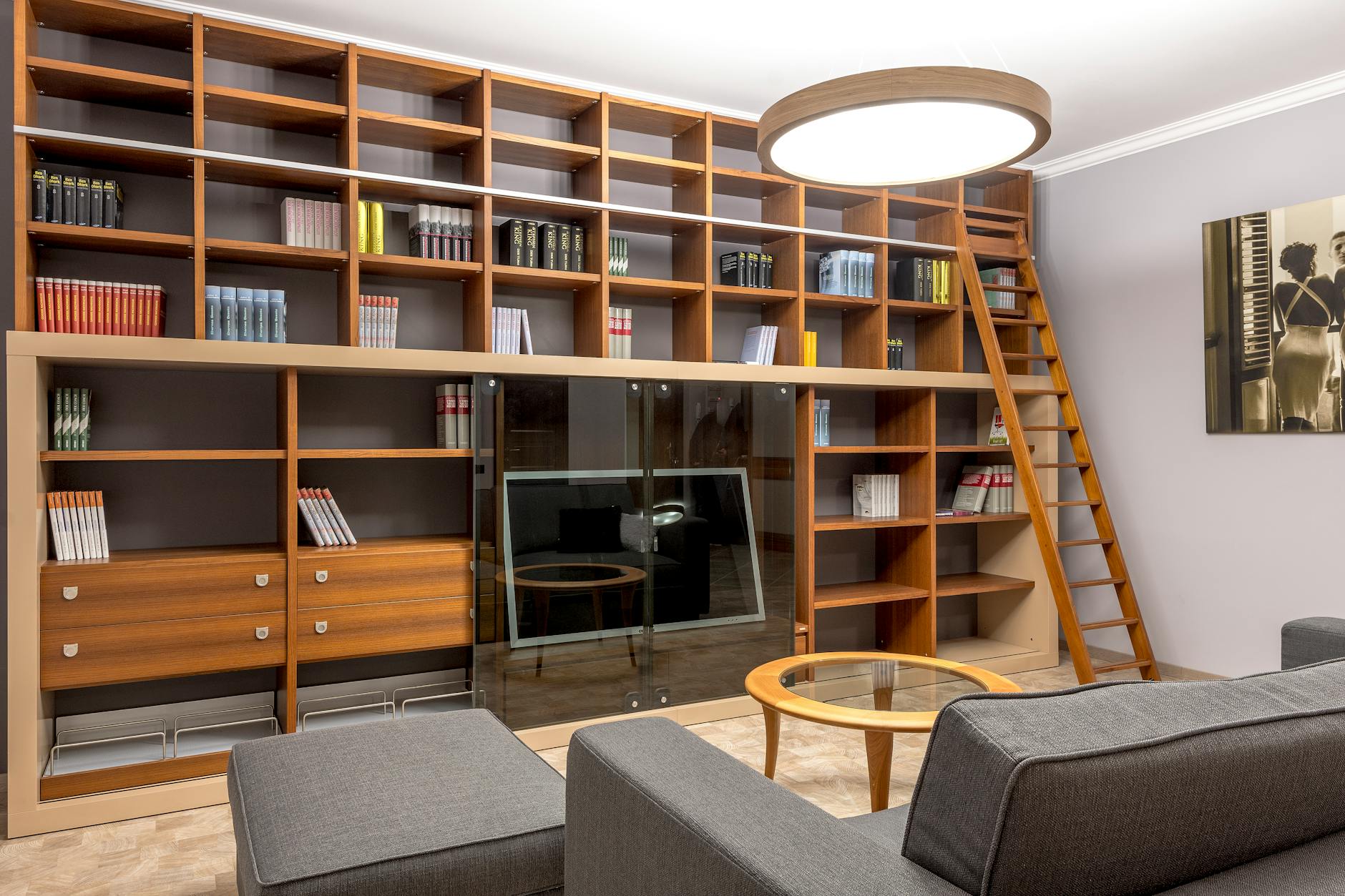
Regular Cleaning and Maintenance Routines
Creating a clutter-free living room requires diligence, and daily or weekly maintenance routines are essential. Here are some rituals to instill in your lifestyle:
- Daily Tidy-Up: Spend just 10 to 15 minutes each day organizing your living room. This can involve returning items to their designated spots, folding blankets, and clearing surfaces. These small daily efforts prevent clutter from building up.
- Weekly Deep Cleaning: Set aside time each week for a more thorough cleaning session. Dust surfaces, vacuum, and check if any items need to be tidied or relocated. This routine keeps your living room looking fresh and inviting.
- Declutter Regularly: Ensure you schedule time to declutter your space. Whether you dedicate a specific time each month or each season, make it a routine part of your home management. This is especially important for high-traffic areas like the living room.
Engaging in these routines fosters a sense of discipline and ownership over your space. It’s a form of self-care that can enhance your living experience, transforming your home into a sanctuary rather than a storage unit.
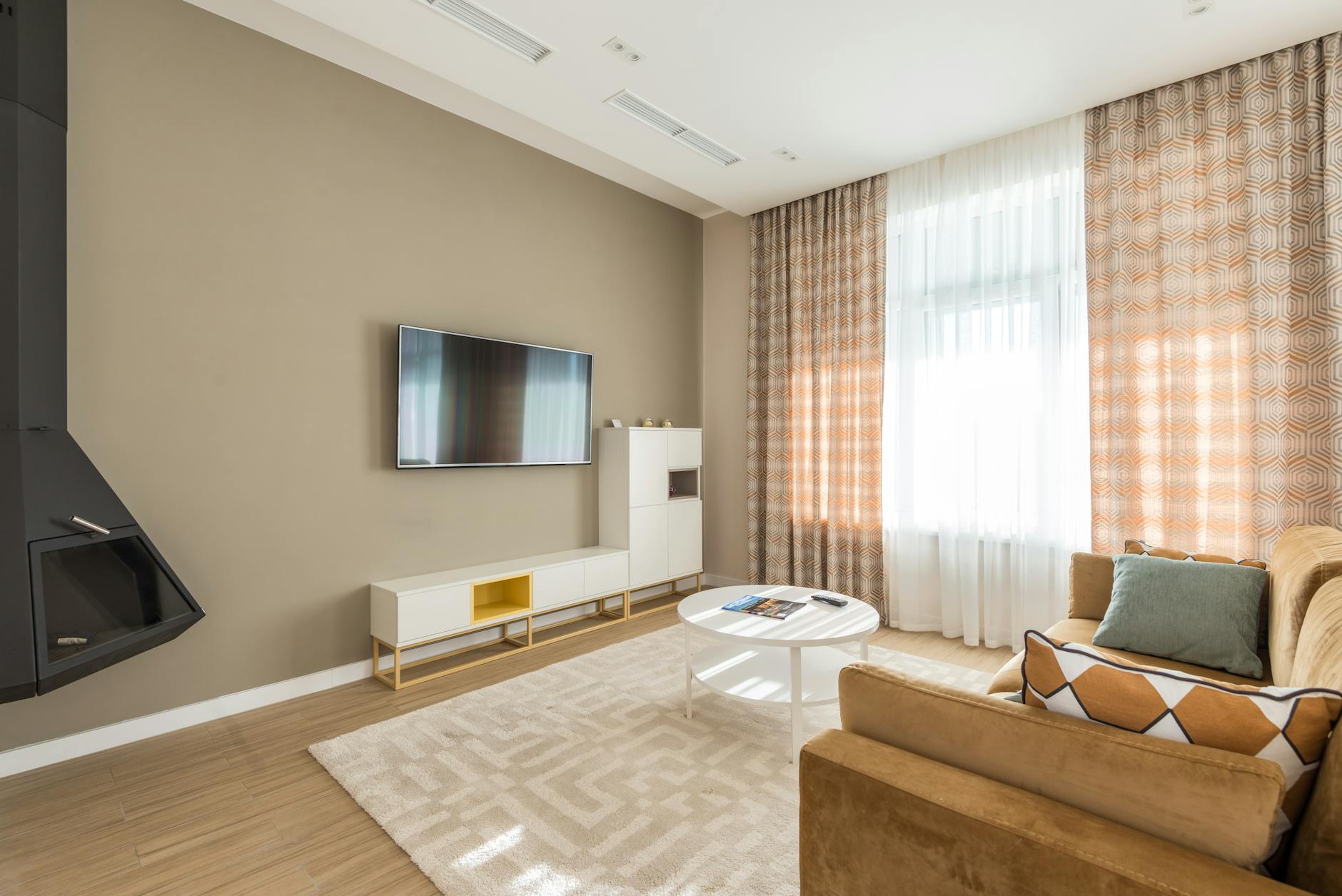
Creating a Mindful Living Environment
Beyond physical organization, it’s essential to cultivate a mindful living environment. The following practices can help you maintain a clutter-free mindset:
- Mindful Purchasing: Before adding new items to your living room, ask yourself if it aligns with your needs and values. Consider the space it will occupy and whether it will bring joy or functionality. Making thoughtful decisions can reduce the likelihood of future clutter.
- Limit Surface Items: Keep surfaces such as coffee tables and side tables clear of unnecessary items. Aim for a minimalistic approach, perhaps displaying just one or two decorative pieces. This not only enhances the aesthetic but simplifies cleaning and maintenance.
- Encourage Participation: If you share your living space with family, involve them in the decluttering process. Assign age-appropriate responsibilities for children and create a culture of collective ownership over the living space.
By fostering a mindful approach to living, you not only keep your living room organized but also create a space that resonates with peace and clarity.
Embracing Change and Flexibility
Finally, recognize that maintaining a clutter-free living room is an ongoing process. Life changes—whether a new family member, a change in work-from-home policies, or new hobbies—can affect how you use your space. Embrace flexibility. Your organizational strategies may need adjusting as you evolve.
Keep open communication with family members about the importance of maintaining a clutter-free environment. Encourage input and suggestions to create a cooperative ethos in your home. This adaptability not only nurtures organization but also fosters stronger relationships and community within your living space.
In conclusion, a clutter-free living room is achievable with commitment and regular effort. By understanding the significance of a tidy space, implementing practical decluttering solutions, engaging in consistent maintenance routines, and cultivating a mindful environment, you can transform your living room into a serene haven. Remember, the goal is not perfection, but progress, and with each small step, you will create a space that reflects your unique lifestyle and values.