
Creating a harmonious living space involves more than just choosing the right furniture and décor. One of the most critical aspects of interior design is ensuring that the furniture arrangement encourages a natural flow of movement throughout the room. A well-planned layout enhances not only functionality but also the overall aesthetic appeal. In this article, we explore effective strategies for arranging furniture to enhance the flow in your home.
Understanding Space Dynamics
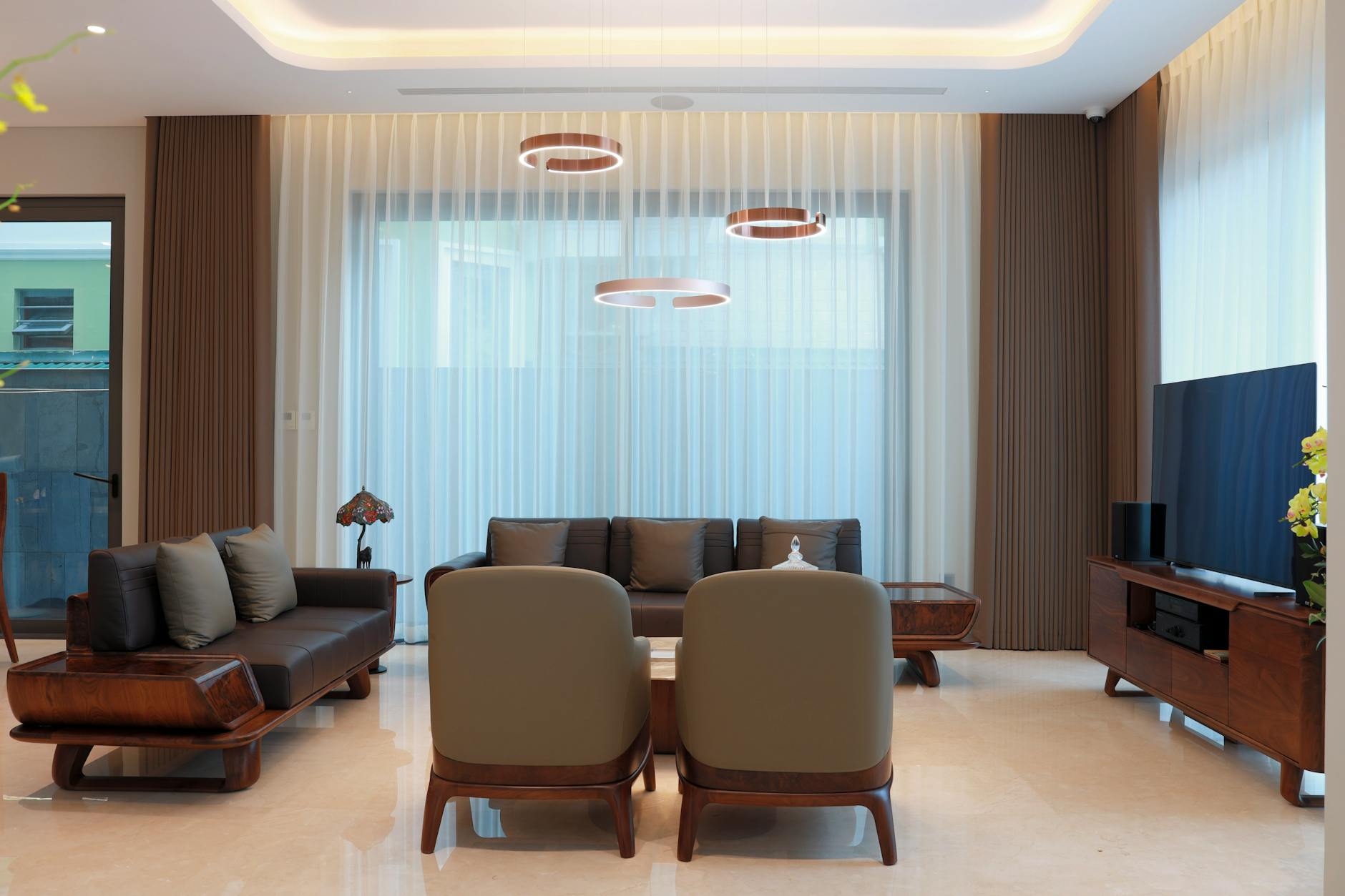
The first step in creating a layout that promotes better flow is to understand the dynamics of your space. Each room has its unique dimensions and characteristics that dictate how you can arrange the furniture. Begin by measuring the room and noting the locations of doors, windows, and built-in features such as fireplaces or shelving. This understanding helps you visualize traffic patterns and identify areas that may feel cramped or awkward.
Consider the function of the room as well. For example, a living room is often a social space where family and guests gather. This space should facilitate conversation and interaction, with seating arrangements encouraging face-to-face communication. A dining room, on the other hand, might prioritize linear arrangements with a table central to the space, allowing easy access for serving and seated dining. By recognizing the purpose of each room, you can better tailor the furniture layout to enhance flow.
Establishing Clear Pathways
Once you have a thorough understanding of the space, the next step is to establish clear pathways that encourage movement. Aim for a minimum of 18 inches of clearance between furniture pieces to allow for comfortable passage. This is particularly important in high-traffic areas such as entryways, living rooms, and kitchens where people frequently move about. Look to create a natural flow that guides individuals from one area to another without obstruction.
Arrange larger furniture pieces, like sofas or bookcases, against walls or in a configuration that delineates the space without blocking access. For instance, in a living room, positioning a couch parallel to a wall opens up the area, while a sectional might create a cozy nook but could impede flow if not placed thoughtfully. To ensure a good balance, consider the use of area rugs to define spaces, especially in open floor plans. Not only do they help create visual boundaries, but they also add texture and warmth to the environment.
Creating Focal Points
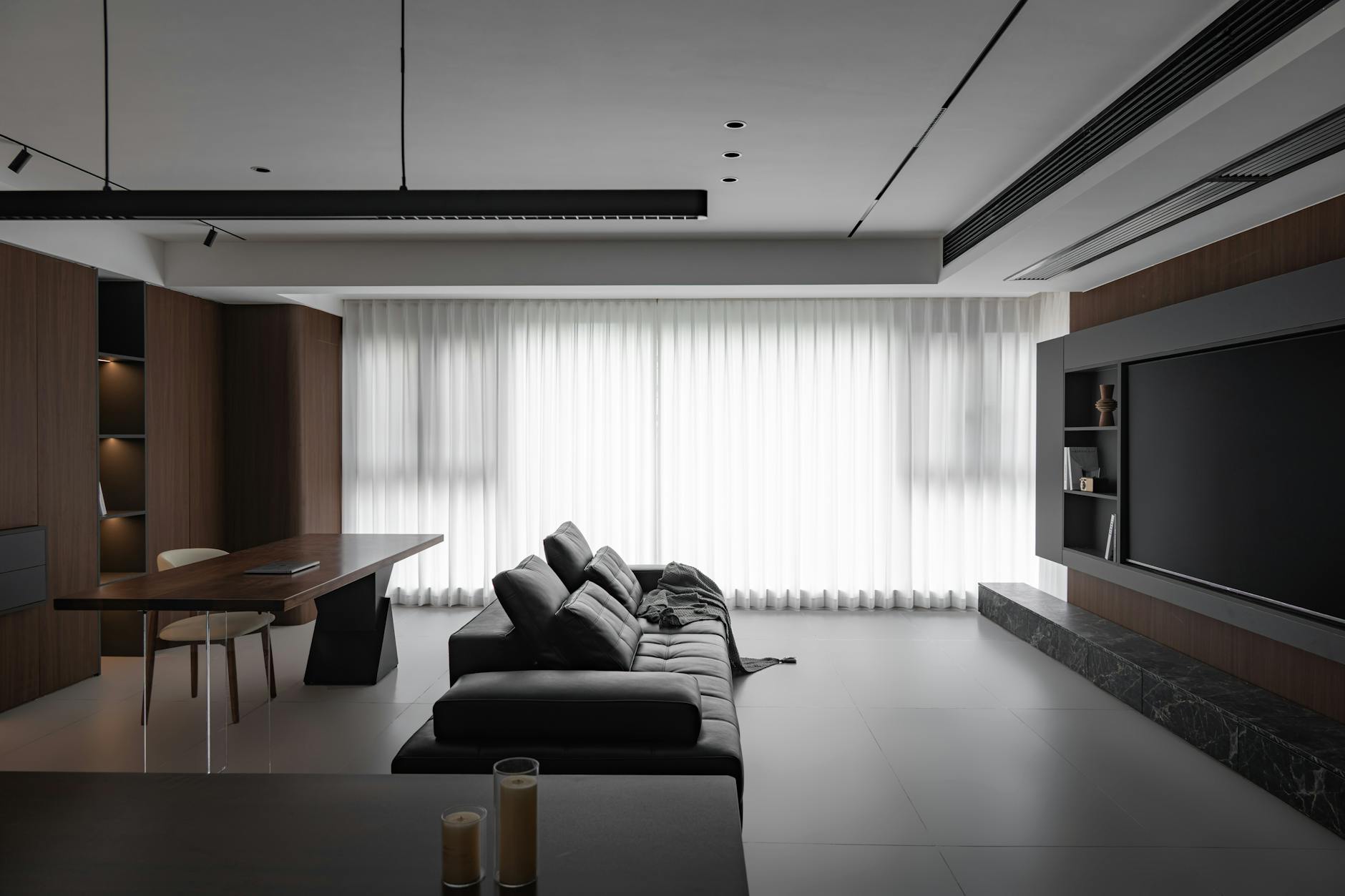
Every room should have a focal point that draws the eye and provides a sense of purpose. This could be a fireplace, a piece of artwork, or even a stunning view. Arranging furniture around a focal point not only enhances visual interest but also encourages a flow that revolves around this centerpiece. Ensure that seating is oriented toward the focal point to facilitate interaction and engage guests, creating a welcoming environment.
In addition to seating, consider accent pieces like ottomans or side tables that can help create additional organized spaces around the focal point. These items invite conversation while contributing to the harmony of the room’s flow. The key is to strike a balance; while it’s important to gather furnishings around the focal point, avoid overcrowding the area, which can disrupt the flow and make it feel cramped.
Incorporating Multi-Functional Furniture
In an effort to maximize both space functionality and flow, consider incorporating multi-functional furniture into your design. Items such as storage ottomans, expandable dining tables, or sofa beds serve dual purposes, allowing for flexibility in how the space is used. This versatility can be particularly valuable in smaller homes or apartments where space is at a premium. By minimizing the number of pieces needed to achieve functionality, you can create more open pathways for movement.
Moreover, multi-functional furniture encourages a fluid approach to space usage. For instance, a coffee table that converts into a desk can facilitate work-from-home arrangements without needing a separate workspace. This adaptability results in fewer rigid divisions between areas, enhancing overall flow. As you design, think of how each piece can evolve with your space and lifestyle, creating an adaptable environment that responds to your needs.
Personal Touch with Style and Comfort
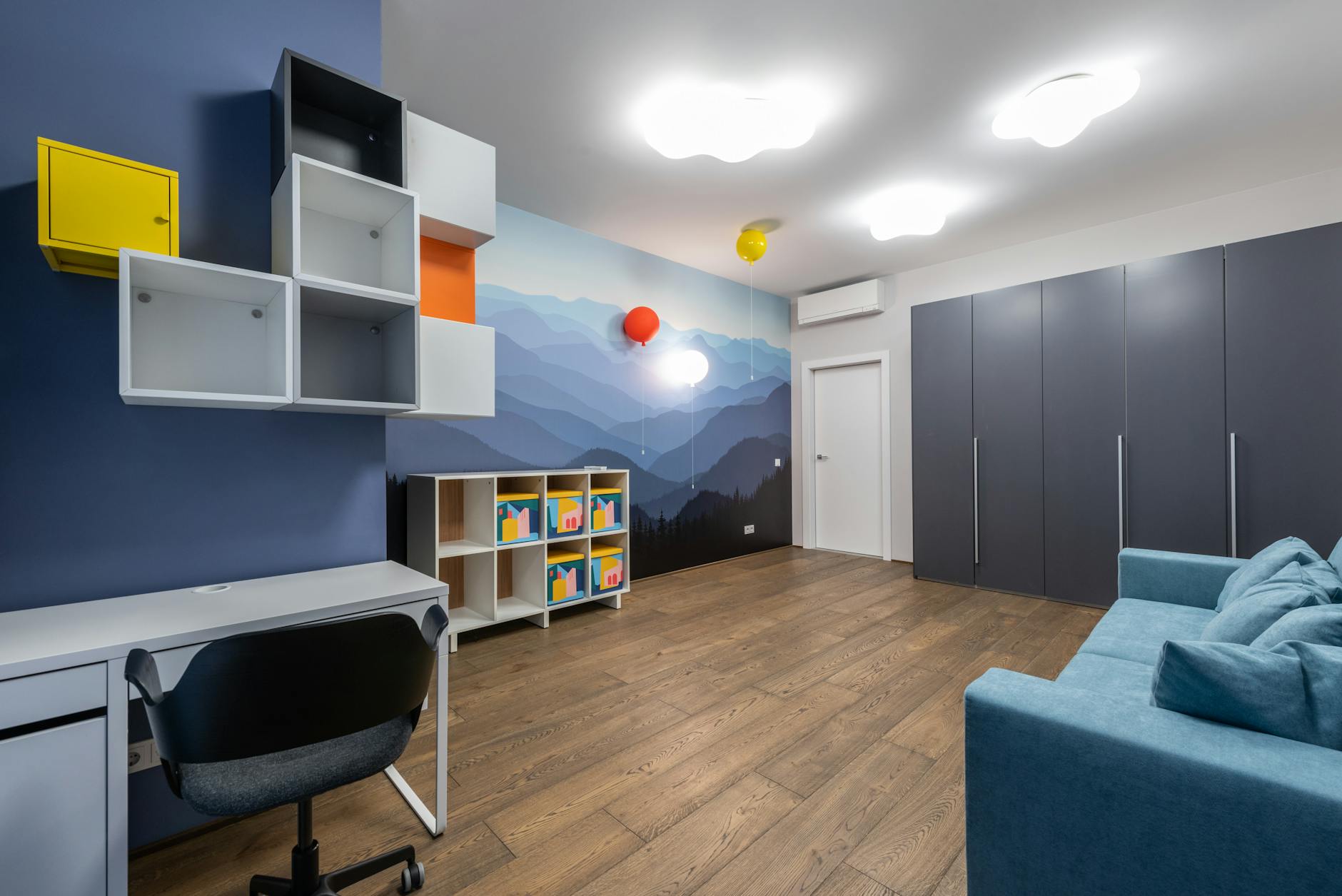
Finally, while the principles of flow and functionality are essential, personal style should also be reflected in your furniture arrangements. Incorporating elements that resonate with your aesthetic preferences can transform a space from merely functional to truly inviting. Use colors, textures, and decorative accents that reflect your personality, ensuring that the space feels cohesive and comfortable.
Layering is a fantastic way to achieve visual depth and interest without sacrificing flow. Utilizing throw pillows, blankets, and artwork can soften the feel of the room while maintaining an open flow. When decorating, be mindful of how these elements interact with the furniture arrangement; they should enhance the overall harmony, not detract from it. The balance between style and function is what will ultimately make your space feel like home.
Final Thoughts on Furniture Arrangement
Organizing furniture in a way that promotes better flow is a vital aspect of effective interior design. By understanding your space, establishing clear pathways, creating focal points, incorporating multi-functional pieces, and adding personal touches, you can achieve a harmonious environment that enhances daily living. Remember that the best arrangement is one that not only looks good but also feels right—an inviting space where movement is effortless and enjoyment is prioritized.
With thoughtful planning and intentional design, your home can become a sanctuary of comfort, functionality, and beauty. Start with small changes, observe how they affect your space, and adjust as necessary until you find the perfect arrangement that harmonizes aesthetics with flow.