
In a bustling city filled with towering skyscrapers and modern architecture, it’s easy to overlook structures that don’t fit within the confines of contemporary design. One day, I found myself standing in front of an old brick building that, at first glance, appeared to be just another forgotten relic. But soon, I discovered that this seemingly mundane structure held stories and significance that transcended its physical presence, revealing layers of history and meaning hidden beneath its weathered facade.
The Initial Encounter
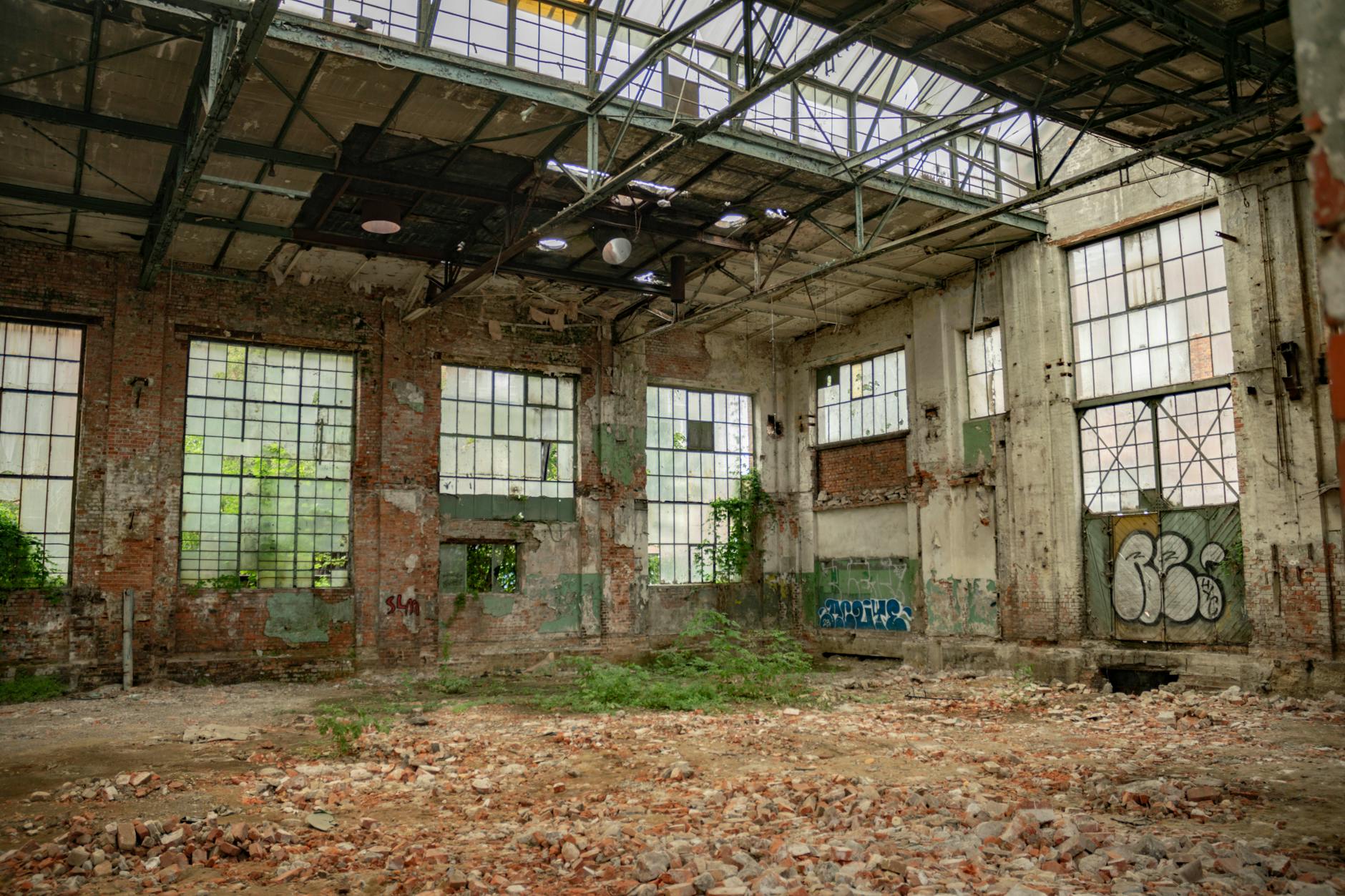
The building, marked by crumbling bricks and faded signage, had been overshadowed by its sleek neighbors. Its creaky doors and dusty windows whispered stories of the past, yet I nearly walked by without a second thought. However, something about it compelled me to pause. Perhaps it was the way the afternoon sun cast a golden hue on its façade, or maybe it was a sense of nostalgia that reminded me of the simpler, more authentic architecture of bygone eras.
As I stood there, a wave of curiosity washed over me. What secrets did this old building hold? Was it merely a shelter for forgotten memories, or did it stand as a testament to the resilience of history against the relentless march of modernization? My decision to delve deeper into its story became an exploration of both the building itself and the lessons it taught about society and identity.
Unraveling History
As I researched the building, I uncovered a treasure trove of information. Erected in the late 1800s, it was once a bustling hub of activity, housing a variety of local businesses and serving as a gathering place for the community. Over the years, it survived economic downturns, the rise and fall of industries, and changing demographics. Each chapter of its history contributed to the fabric of the city’s narrative, showcasing the socio-economic shifts that shaped the region.
“Buildings bear witness to the stories of their surroundings, capturing the essence of the lives they cradle within.”
This building was no exception. It had witnessed the birth of neighborhoods, the struggle of families, and the evolution of community dynamics. As I absorbed these stories, I was struck by the realization that buildings are often more than just bricks and mortar; they are living entities imbued with the emotions, triumphs, and tribulations of those who inhabit them.
Meaning Beyond the Structure
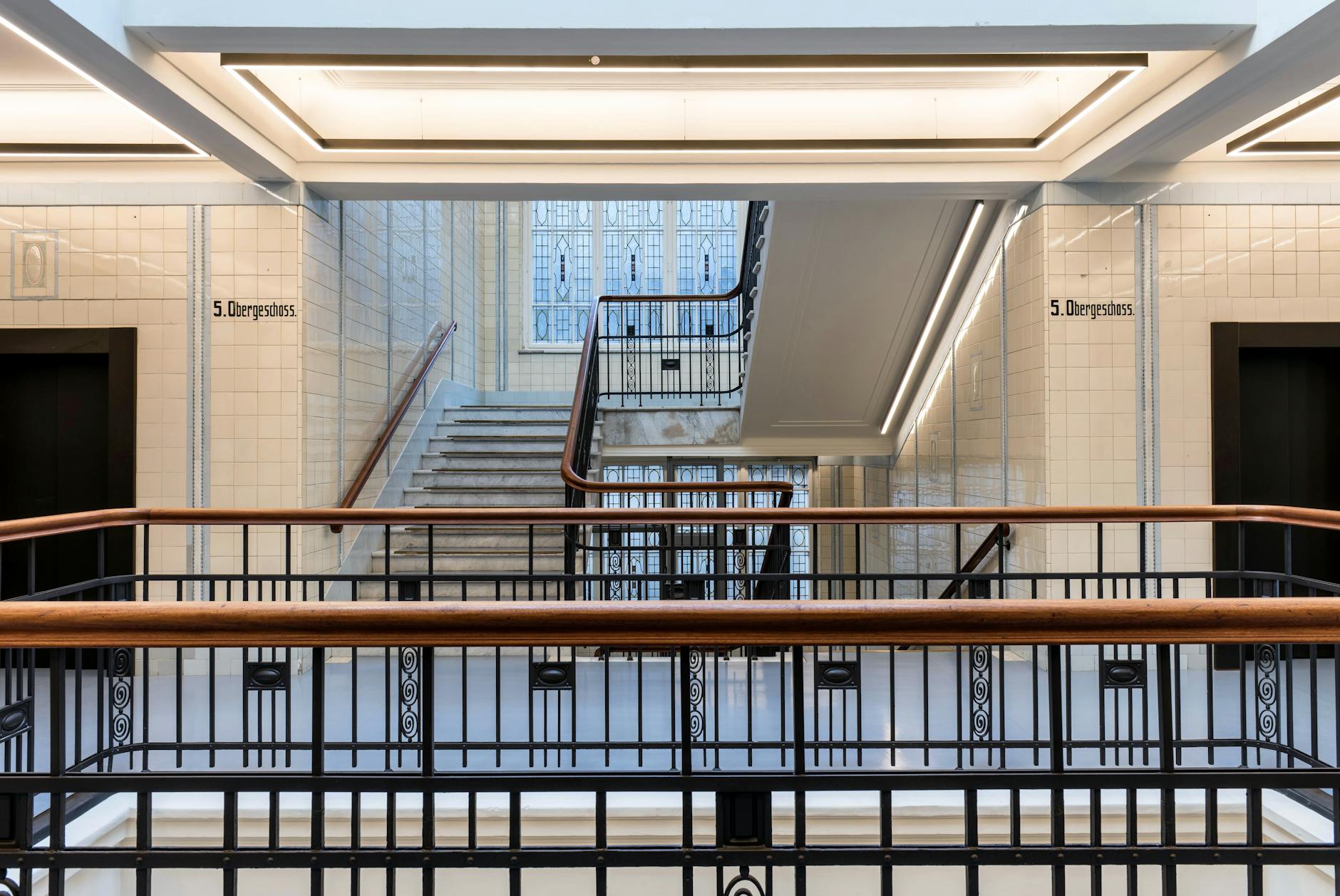
Diving deeper into the architectural elements of the building, I noticed its distinctive facades—an amalgamation of Romanesque and Gothic revival elements. The intricate stonework and arched windows spoke of a time when craftsmanship was valued, and buildings were designed not only for function but also for beauty. Each detail seemed to reflect the aspirations of a community yearning for permanence, a foundation built on dreams and possibilities.
The building’s hidden meanings also pertain to the broader cultural narrative. It stood as a reminder of community resilience. In an age where commercial interests often overshadow local heritage, this structure symbolized the need to preserve our past as we move forward. It encapsulated the stories of generations that came before, emphasizing that understanding our history is vital for nurturing a sense of identity.
A Call to Action
After uncovering its rich history, I felt a profound connection to the building and a newfound responsibility to advocate for its preservation. In cities worldwide, many similar structures are at risk of being demolished in favor of modern developments. Yet, in discarding these buildings, we erase significant chapters of our collective story. They embody the spirit of the community and serve as anchors for future generations.
Community members, historians, and urban planners must collaborate to ensure that these architectural treasures are not forgotten. By promoting awareness and engaging in preservation efforts, we can foster an environment where history coexists with progress. Restoration projects, educational programs, and community events can breathe new life into these buildings, turning them into vibrant spaces that educate and inspire.
Reflections on Modernity
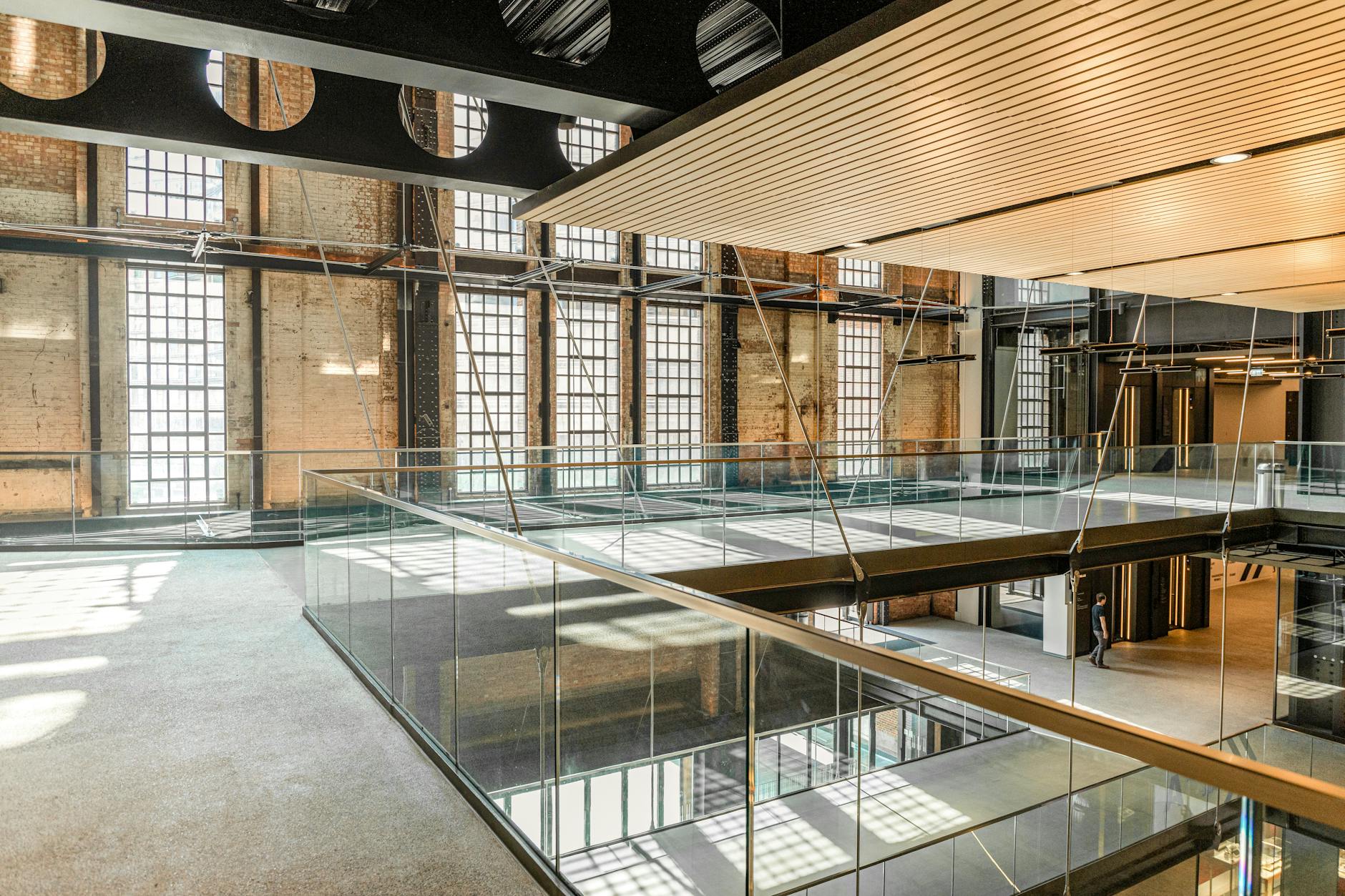
As I stood before the old brick building, I couldn’t help but reflect on the contrast between modern architecture and historical structures. While sleek, glass-fronted buildings dominate skylines, they often lack the unique character and narrative depth that older buildings provide. In our pursuit of modernity, we risk losing the essence of our history, which shapes our identity and informs our future.
The experience also made me ponder our relationship with the spaces we inhabit. Do we take the time to appreciate the stories behind the buildings we pass by each day? Or do we let the relentless pace of modern life wash over us, neglecting the importance of our historical roots? The hidden meanings behind structures like this one call us to reconnect with our environment, to seek understanding in the stories of the past, and to become active participants in the ongoing narrative of our communities.
“Each brick tells a story; each corner holds a memory. In every building lies a connection to the past.”
This building, once at risk of being ignored, became a powerful symbol of identity, resilience, and the importance of preservation. It reminds us that every structure, regardless of its size or grandeur, has the potential to weave unforgettable tales into the tapestry of our cities.
A Journey Worth Taking
In conclusion, my encounter with the seemingly unremarkable building transformed into a journey that deepened my understanding of community and heritage. It reignited my appreciation for the architectural narratives that shape our environment. The next time you find yourself passing by an old building, take a moment to pause and consider the history it holds. You might uncover layers of meaning that can enrich your relationship with your surroundings, nurturing a deeper connection to the place you call home.
As we navigate the complexities of modern living, preserving our architectural heritage not only honors those who came before us but also inspires future generations to appreciate the richness of their history. Let this be a call to action—embrace the stories of the past, for they are the foundation upon which we build our future.