
Travel often opens doors—not just to new places, but to the very hearts of the communities we visit. My experience in a quaint village nestled in the rolling hills of Tuscany was a perfect example of this. Invited into the home of a local family, I discovered not just their warm hospitality but also the rich history that shaped their lives. This encounter was transformative, revealing how personal stories intertwine with broader historical narratives.
A Surprise Invitation
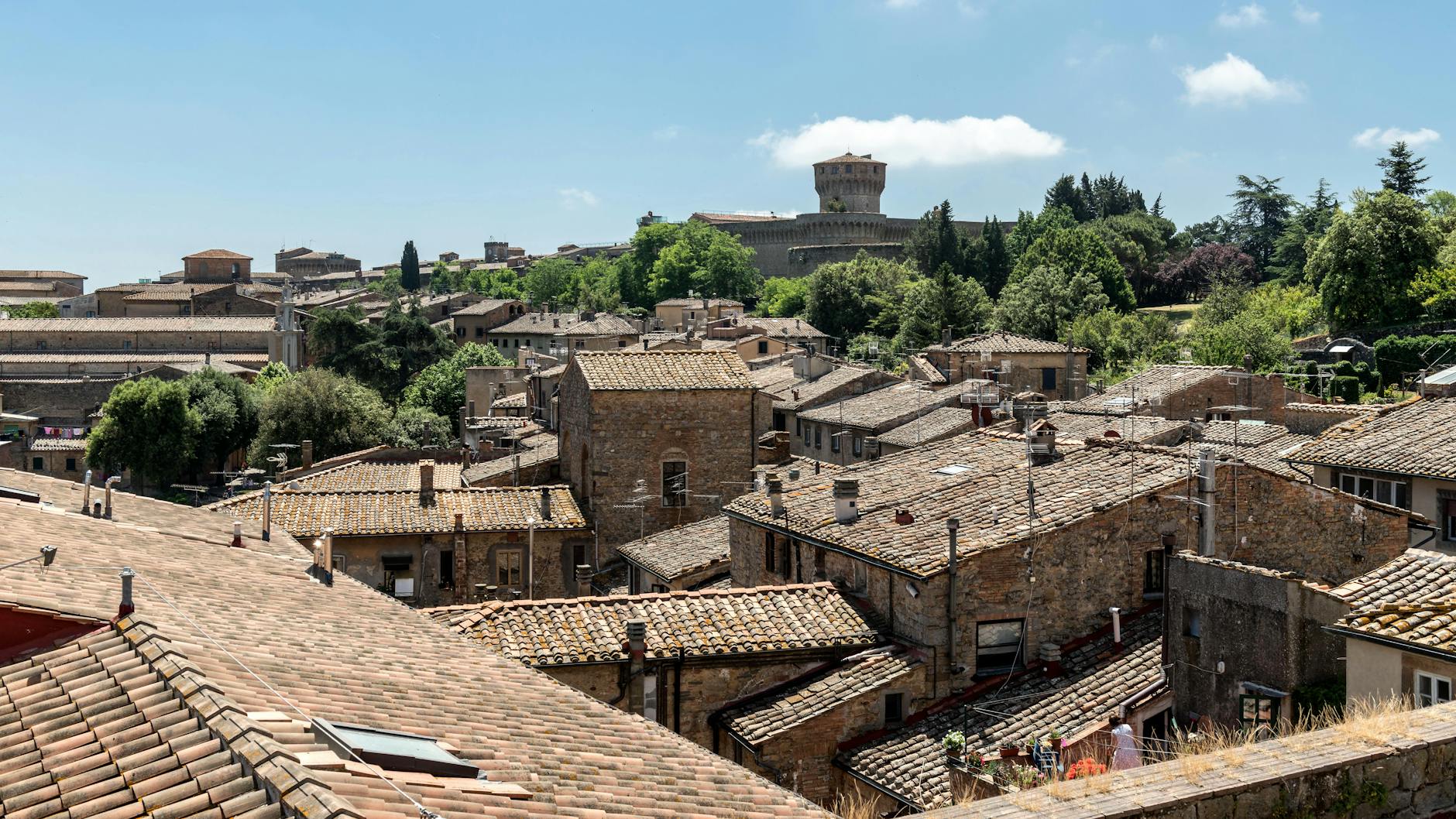
It was a crisp autumn afternoon when I wandered through the narrow, cobblestone streets of the village. The sun cast a golden hue over the terracotta rooftops, and the scent of freshly baked bread wafted through the air. I paused at a small bakery, where a friendly baker named Marco noticed my interest in the traditional pastries. As we chatted about local delicacies—like cantucci and panforte—he invited me to his family’s home for dinner that evening, a gesture reflecting the warmth and openness of Italian culture.
This spontaneous invitation was a thrilling prospect, offering a rare glimpse into the lives of those who call this enchanting village home. While I had come to explore the beautiful landscapes and taste the authentic cuisine, I found myself equally curious about the stories embedded within the village itself—stories that Marco and his family would surely share over a meal.

Dining with History
As I arrived at Marco’s family home, a charming, centuries-old stone house adorned with flowering plants, I felt both nervous and excited. The door swung open to reveal Marco’s mother, Teresa, a spirited woman in her seventies whose smile radiated warmth. The dining room was inviting, filled with the delightful aroma of ragu simmering on the stove. The table was set for a feast, each dish representing generations of culinary tradition.
As we sat down, I learned that the family’s history was deeply intertwined with the land. Marco began recounting tales of his ancestors, who had cultivated olives and grapes in the very fields surrounding us. “My great-grandfather planted the first olive trees over a century ago,” he explained, a hint of pride in his voice. Through him, I learned how each family recipe was not just a meal but a connection to the past—each ingredient carried a story.
“Food is a bridge between our history and our future,” Marco said, raising a glass of Chianti in a toast.
This sentiment resonated deeply with me. I realized that history wasn’t merely about dates and events; it was embedded in the daily lives of the people, their traditions, and their identities. Each bite of the homemade pasta or sip of the rich wine felt like a taste of the past, connecting me to generations of family gatherings and rituals.

The Stories Behind the Walls
After dinner, as the sun dipped below the horizon, Teresa suggested a tour of the house. The walls were adorned with family photographs, each image narrating tales of love, resilience, and change. One photograph caught my attention—a black-and-white image of Marco’s grandparents on their wedding day, framed carefully beside a modern picture of him with his fiancée. “Love and family,” Teresa said softly, “are what keep our history alive.” These moments, captured in time, told stories of migration, struggle, and joy.
Marco took me outside to show the garden, where a small patch held heirloom seeds passed down through the family. He explained how they grew traditional vegetables which were staples in their kitchen. “We believe in preserving our heritage,” he said, his hands brushing the foliage. “This garden is a reminder of who we are.” Standing in that garden, it was evident that each plant had a role in their family narrative, contributing to an ongoing legacy rooted in the soil.
“Every season brings new lessons,” Marco noted, pointing to the vibrant colors of the harvest.
This connection to the land and its history emphasized the importance of sustainability and respect for resources. It was not merely agricultural practice; it was a philosophy that shaped their way of life, echoing the traditions that had been upheld for generations.
Lessons in Community and Resilience
As the evening drew to a close, I found myself reflecting on the profound impact of this experience. The stories I heard that night transcended language and culture, revealing a universal truth about the significance of community. I learned that their history was not just about a family’s past; it was about the collective memory of a village, encompassing struggles, triumphs, and the shared hope for future generations.
Back in my own home, I often think of that night in Tuscany. It serves as a reminder that every community holds a tapestry of stories waiting to be uncovered. The invitation into Marco’s home was not just about sharing a meal; it was about embracing the heart of a place—a heart that beats through the stories, the trees, and the people who inhabit it.

In a world that often feels disconnected, this experience reinforced the importance of connection—through food, history, and community. Each meal shared becomes a narrative thread woven into the fabric of our lives, reminding us of our shared humanity and the stories that unite us all.