
Imagine a place where the roar of crashing waves mingles with the distant calls of seagulls, the horizon stretches endlessly, and time seems to stand still. During my recent stay in an old lighthouse perched on a rugged cliff, I found myself immersed in an experience that was both surreal and enlightening. It wasn’t merely a retreat but an exercise in solitude that allowed me to explore the intersection of architectural design and emotional well-being.
The Allure of Lighthouse Living
The moment I stepped inside the lighthouse, I was enveloped by an aura of history and charm. Built in the late 19th century, its sturdy stone walls spoke of countless storms weathered, while the spiraling staircase led me to a panoramic view that was nothing short of breathtaking. The interior design was a harmonious blend of rustic elegance and modern comfort, a reflection of its past while catering to contemporary sensibilities.
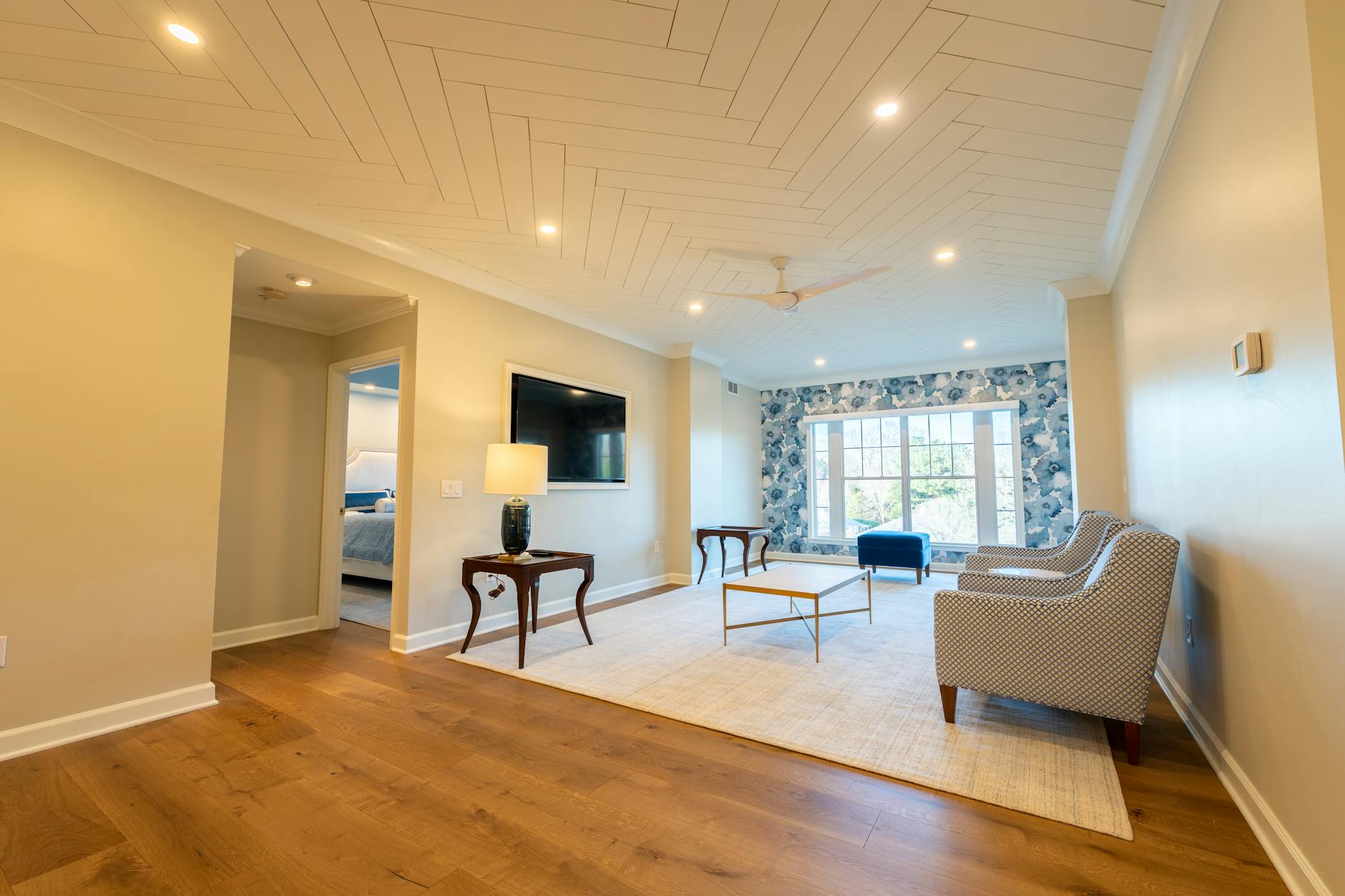
As I wandered through the living spaces, I couldn’t help but appreciate how the decor echoed the surrounding natural beauty. The walls were adorned with nautical-themed artwork, each piece a reminder of the lighthouse’s maritime heritage. Soft, neutral colors dominated the palette, complemented by warm wooden accents that created a grounding atmosphere. It was a sanctuary designed not just for comfort, but also for contemplation—each inch encouraging relaxation and introspection.
The furniture was a thoughtfully curated selection of vintage pieces that added character to the space. The plush sofa facing the vast ocean served as an invitation to sit back and lose oneself in the beauty of the ever-changing seascape. I found myself spending hours here, observing the colors of the sky shift from vibrant oranges to deep blues, a stunning display that changed with the tides.
Isolation as a Design Element
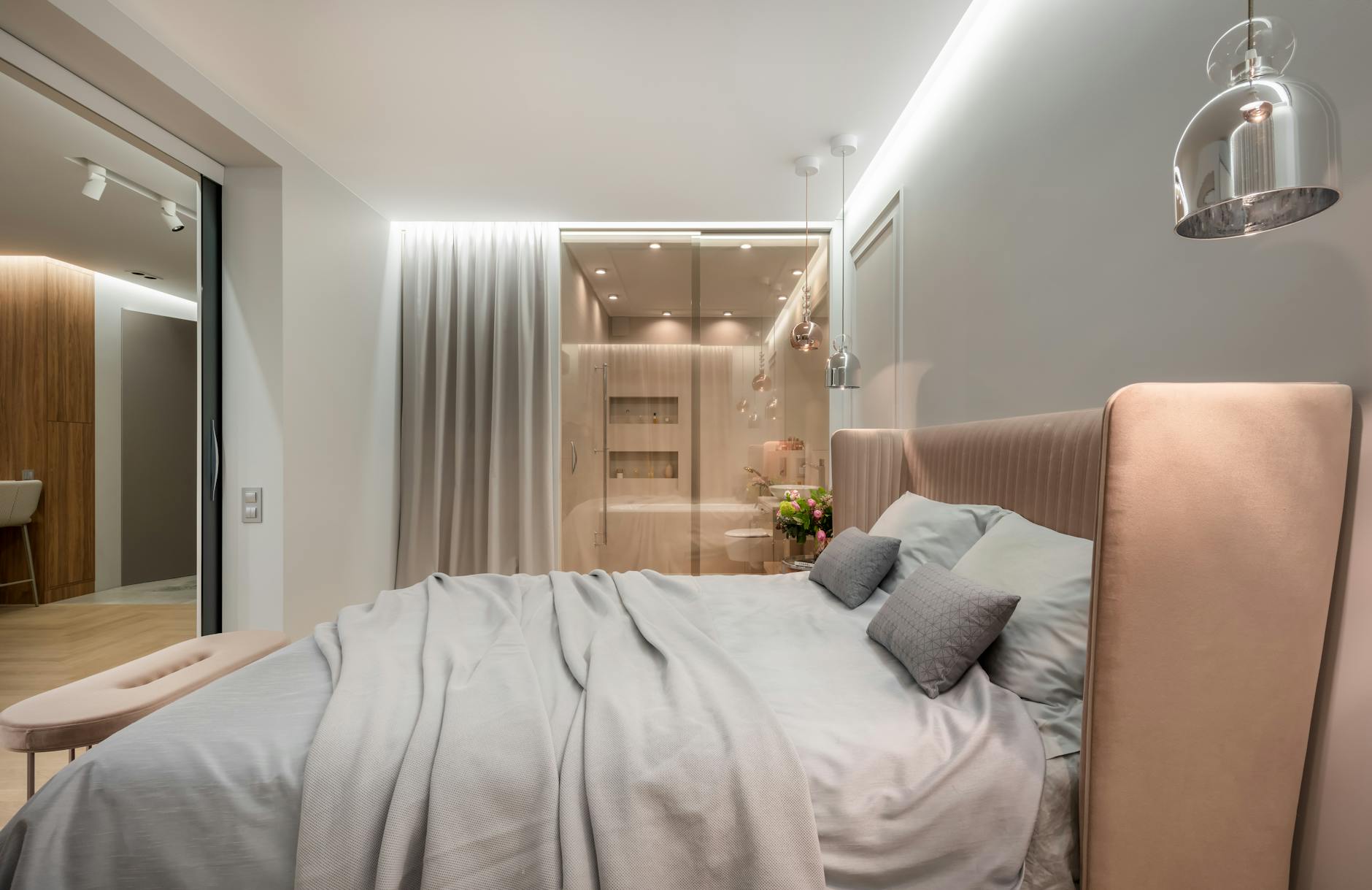
Staying in the lighthouse offered a unique form of isolation—an intentional escape from the hustle and bustle of modern life. This isolation was not merely a lack of physical connection to the outside world; it was an opportunity to delve deeper into oneself in an environment designed to foster reflection. The concept of “empty space” plays a significant role in interior design, especially in places where the goal is to promote mindfulness and relaxation.
In a world filled with distractions, isolation can be a double-edged sword. On one hand, it can evoke feelings of loneliness or discomfort; on the other, it can serve as a catalyst for creativity and self-discovery. During my stay, I embraced the quietude. The absence of technology and the lavish distractions of daily life allowed me to tap into my thoughts, feelings, and aspirations in ways I had long neglected.
The lighthouse’s design elements—large windows that offered sweeping views and minimalist furnishings—perfectly complemented this experience of solitude. The open spaces encouraged both movement and stillness, essential for a balanced experience. I found myself gravitating toward the small library nook, where the combination of natural light and cozy seating created a perfect environment for reading and reflection.
The Impact of Coastal Living on Design Choices
The coastal setting of the lighthouse significantly influenced its design. The tumultuous beauty of the ocean outside became a vital part of the living experience. Natural materials, such as driftwood and marine-inspired textiles, were thoughtfully incorporated throughout the space, enhancing the connection between the interior and the wild beauty just beyond the walls. The sound of crashing waves was a constant reminder of nature’s power and grace, echoing throughout the interiors.
Color choices were also inspired by the coastal landscape. Soft blues and sandy beiges mirrored the ocean and beach, while pops of coral and seafoam green added a refreshing vibrancy to the decor. Such a color palette not only creates a soothing ambiance but can also evoke feelings of tranquility—each hue serving as a reminder of the serene landscape just outside the window.
Another fascinating aspect of coastal living is how the changing seasons and unpredictable weather patterns can impact interior design. In my time spent in the lighthouse, I experienced everything from bright sunny days to the fierce winds of an approaching storm. Each change in weather brought a renewed appreciation for the structure’s design; the cozy interiors felt like a safe haven against nature’s whims, a reminder of the resilience of both the building and its inhabitants.

Finding Solace in the Simplicity
Perhaps one of the most profound lessons I learned during my stay was the beauty of simplicity. As I ventured further into the lighthouse’s design elements, I noted how thoughtful choices in decor could elicit comfort and calm. Each item in the space—whether it was a handcrafted ceramic bowl or the soft knit throw draped over the chair—was imbued with meaning and purpose, steering clear of clutter and distraction. In this way, the lighthouse was an embodiment of mindful living.
In today’s fast-paced world, the desire for simplicity and tranquility often feels like a luxury. My experience underscored the idea that sometimes it’s essential to step away from the chaos, prioritize personal well-being, and immerse ourselves in an atmosphere that nurtures the spirit. This lighthouse, with its carefully curated design, was a perfect illustration of how interior spaces could influence mental and emotional health.
As my stay came to a close, I reflected on the profound sense of peace I found within those stone walls. The lighthouse was not merely a place to stay; it was a source of inspiration, a space where isolation transformed into an abundance of creativity and self-discovery. Through its design and the beauty of its surroundings, I was reminded of the importance of retreating from the noise of life to reconnect with oneself.
Ultimately, staying in a lighthouse is not just an adventure; it’s an exploration of how environment shapes experience. It is a reminder that even in isolation, we can find connection—both to our inner selves and to the natural world around us. As I ventured back to the bustling realities of everyday life, I carried with me the tranquility and insights gleaned from that solitary, yet beautifully designed, refuge by the sea.