
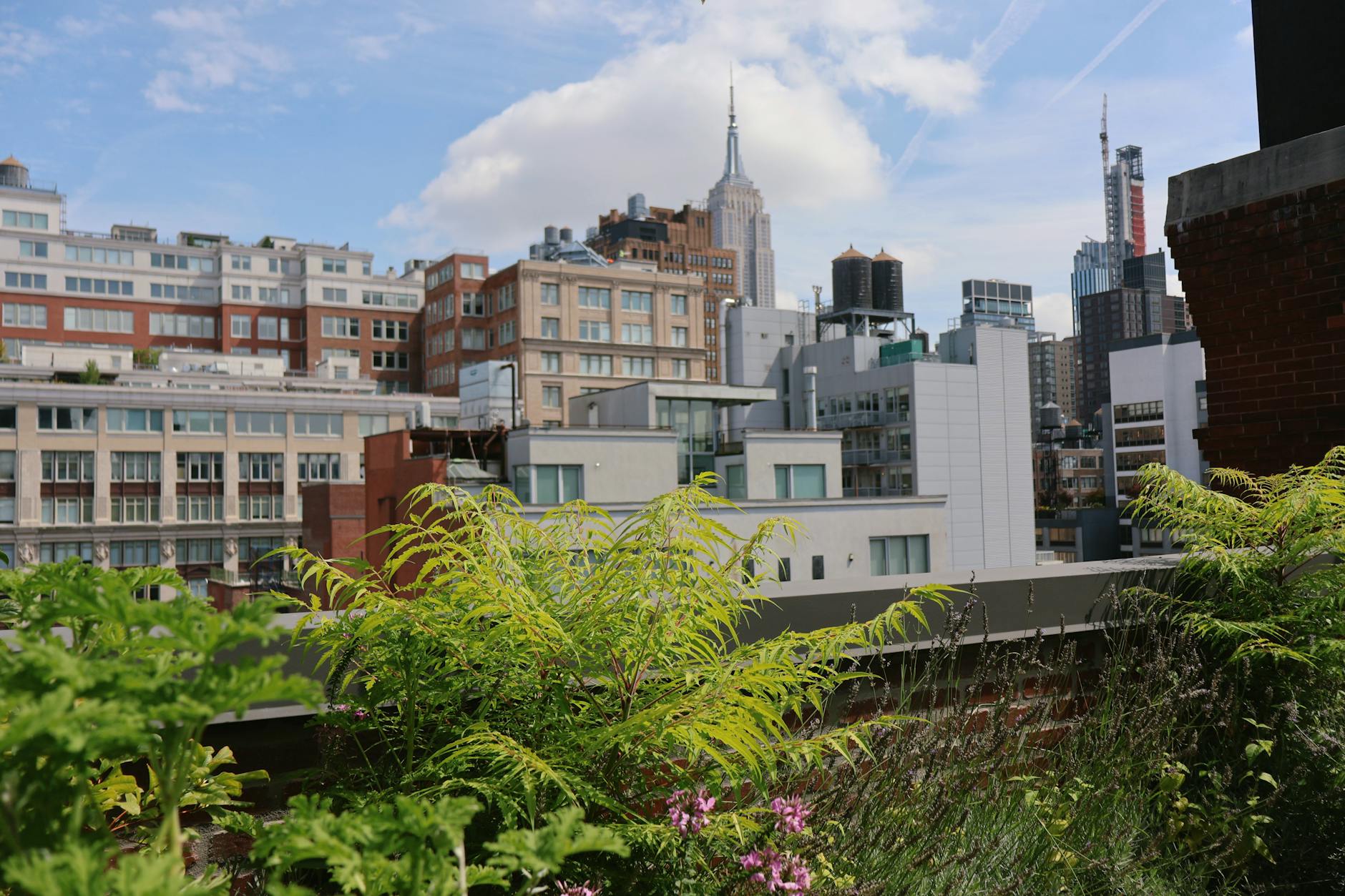
In the midst of a bustling city, where concrete towers touch the sky and the cacophony of daily life never ceases, a hidden treasure lies overhead. Elevated gardens, often unnoticed by the hurried passersby below, offer peaceful sanctuaries that bloom with life and color. These green oases are more than just fantastical retreats; they serve as crucial spaces for urban ecology and human well-being, marrying aesthetics with functionality.
This article explores the enchanting world of rooftop gardens, their impact on urban living, and how they transform concrete jungles into vibrant ecosystems. Whether you’re an aspiring urban gardener or simply a city dweller seeking tranquility, uncovering the potentials of these elevated green spaces can inspire a newfound appreciation for nature amidst the urban sprawl.
The Rise of Rooftop Gardens
With urbanization on the rise, cities worldwide are increasingly turning to rooftop gardens as an effective solution for various environmental and social challenges. These green spaces not only beautify urban landscapes but also provide significant environmental benefits. By absorbing rainwater, reducing heat, and improving air quality, rooftop gardens play a pivotal role in combating urban heat islands and mitigating stormwater runoff.
In addition to their ecological advantages, rooftop gardens foster community ties. They create communal spaces where neighbors can gather, share gardening tips, or simply enjoy a moment of peace away from the city’s hustle. They can serve educational purposes as well, offering local schools and organizations opportunities to learn about sustainability and horticulture firsthand. This revival of interest in gardening is not merely a trend; it represents a shift towards conscientious living, promoting a more sustainable future.

Creating Your Own Urban Oasis
If you’re inspired to create a secret garden above the city streets, the first step is evaluating your space. Rooftops vary greatly in size, accessibility, and exposure to sunlight. Begin by determining how much sunlight your rooftop receives throughout the day, as this will influence the types of plants you can grow. Most vegetables and flowers thrive with at least six hours of direct sunlight daily, while some shade-tolerant plants can survive in less light.
Consider the structural integrity of your building before embarking on your garden project. It’s crucial to consult with a professional to ensure your rooftop can support the additional weight of soil, plants, and water. Once confirmed, you can begin planning your garden. Raised beds are a popular choice for rooftop gardens, as they provide drainage and can help regulate soil temperature. Additionally, container gardening allows for flexibility in plant choice and arrangement, making it a versatile option for various spaces.
Choosing the Right Plants
The selection of plants plays a significant role in the success of your rooftop garden. Opt for native species that are well-adapted to the local climate; they require less maintenance and are more resilient to pests and diseases. Consider incorporating a mix of flowering plants and edibles to offer visual appeal while also providing food for pollinators like bees and butterflies.
Herbs and vegetables are also excellent choices for rooftop gardens, as they can be cultivated in smaller spaces and harvested throughout the growing season. Tomatoes, peppers, and leafy greens thrive in containers, offering fresh produce right at your fingertips. Additionally, integrating perennials into your design can provide ongoing blooms and greenery year after year, reducing the need for replanting.

Designing for Relaxation and Enjoyment
A rooftop garden is not just a collection of plants; it can be an extended living space that invites relaxation and enjoyment. Thoughtful design can transform a simple garden into an urban retreat. Consider incorporating seating arrangements, such as benches or lounge chairs, to provide comfortable spots for reading or enjoying a cup of coffee. Adding layers and varying heights through planter boxes can create visual interest and a sense of depth.
To make your garden more inviting, consider including elements such as water features, wind chimes, or decorative stones. These accents add sensory experiences that enhance the overall ambiance. Lighting is another important consideration, as it can extend the usability of your garden into the evening hours. String lights or solar-powered lanterns create a magical atmosphere and make the space feel cozy and intimate.
Moreover, think about the seasons when designing your rooftop garden. Choosing a diverse array of plants ensures that there is always something in bloom, allowing the garden to evolve throughout the year. Incorporating seasonal decorations or themed plantings can also keep the garden feeling fresh and engaging.
The Emotional Benefits of Green Spaces
The impact of green spaces on mental and emotional well-being is profound. Studies have shown that spending time in nature can reduce stress, improve mood, and enhance overall quality of life. Rooftop gardens provide a unique opportunity to connect with nature without leaving the urban environment. They allow city dwellers to escape the concrete monotony and reconnect with the earth.
Simply being in the presence of plants and natural textures can provide a calming effect. Additionally, engaging in gardening activities—whether planting, pruning, or watering—offers a meditative experience, fostering mindfulness and tranquility. The act of nurturing plants can also be highly rewarding, promoting a sense of accomplishment and pride in the garden.
Furthermore, rooftop gardens serve as social spaces that encourage interaction and connection with neighbors and friends. They can inspire communal gardening projects, workshops, and events, fostering a sense of belonging in an often isolated urban landscape. In these ways, rooftop gardens are not just about growing plants; they are about cultivating community and enhancing the human experience.
Sustainability and the Future of Urban Living
The integration of rooftop gardens into urban planning reflects a growing awareness of sustainability and environmental stewardship. As cities continue to expand and the effects of climate change become more pressing, these green spaces offer a viable solution for promoting biodiversity, improving air quality, and enhancing urban resilience.
Municipalities are beginning to recognize the value of green infrastructure, with many offering incentives for building owners to incorporate rooftop gardens into their designs. These initiatives can lead to reduced energy consumption, with plants naturally insulating buildings, thereby lowering heating and cooling costs. Moreover, the aesthetic enhancement of urban areas not only attracts residents but can also boost local economies by increasing property values.
As we move toward a more sustainable future, the vision for urban living must include ample green spaces that nurture both people and the environment. Rooftop gardens represent a compelling blend of innovation and tradition, offering a pathway to reimagine our cities as vibrant ecosystems rather than sterile landscapes. The secret gardens above the city streets are more than hidden gems—they are vital components in cultivating a harmonious and sustainable urban future.