
Travel often opens doors to unexpected experiences, and sometimes, the most remarkable journeys begin with a simple decision—to hop on a bus without a particular destination in mind. Such was my experience one brisk autumn day when a spontaneous bus ride whisked me away to a quaint village renowned for its unique architectural styles. What I discovered was a treasure trove of cultural significance and creative expressions in design, shaped by history, geography, and the communities that inhabit this charming locale.
A Journey Through Serendipity
The allure of the unknown has always captivated me. On that fateful morning, as the golden sun began to rise, I felt an inexplicable urge to venture beyond familiar territories. I boarded a bus marked with the name of a village I had never heard of—the destination itself became an adventure. The landscape transformed dramatically as we left the urban sprawl behind; lush greenery and rolling hills soon replaced concrete jungles. This was the type of scenery where one could imagine stories unfolding in every corner.
As the bus meandered through winding roads, I couldn’t help but be fascinated by the historical tapestry unfolding outside my window. Each curve in the road revealed picturesque farmlands dotted with charming cottages, their architecture whispering stories of times long past. I was intrigued—the style of these homes hinted at a distinctive regional identity that was ripe for exploration.
Discovering the Architectural Gems
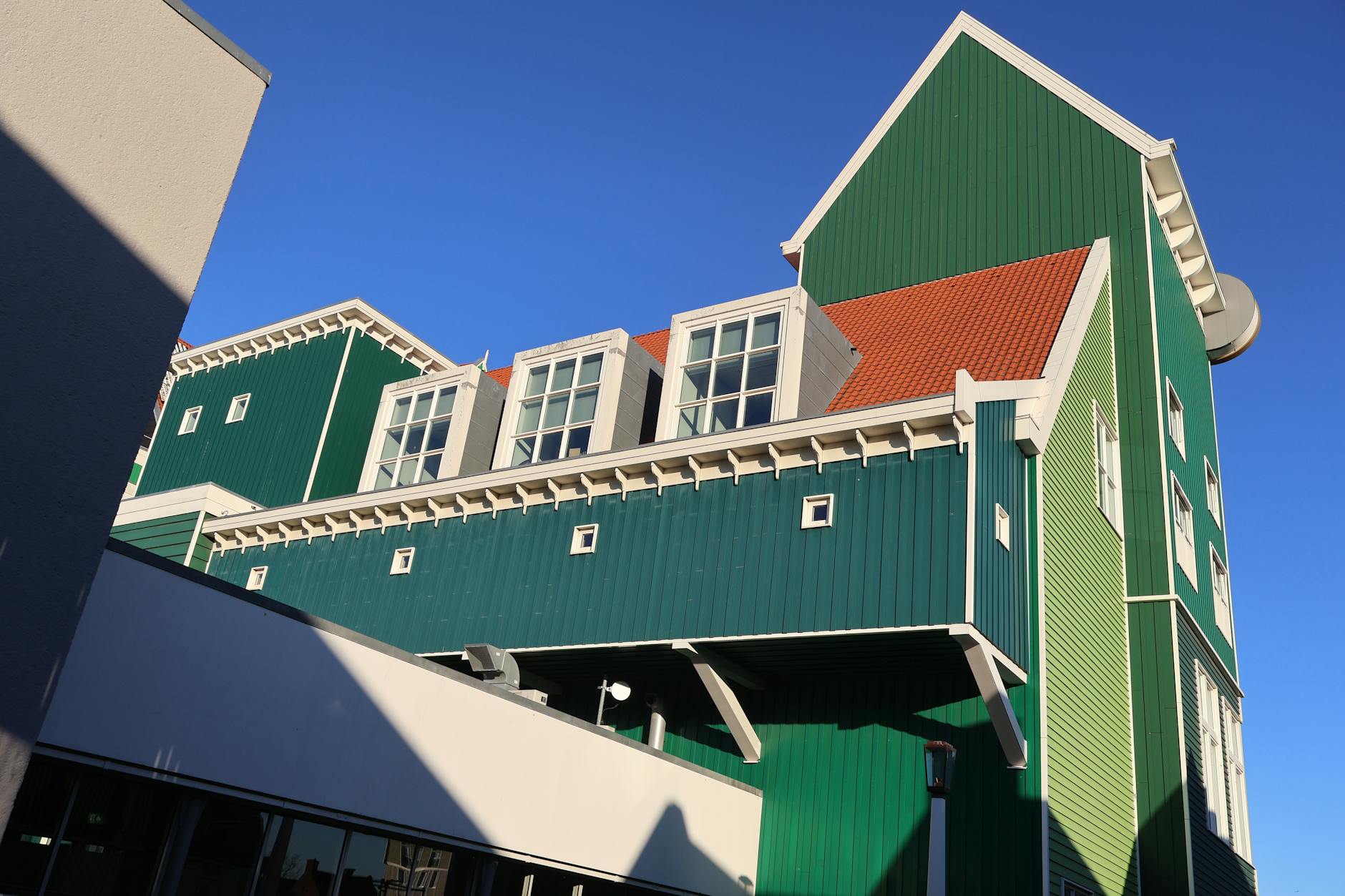
Upon arrival, I found myself in a village that seemed untouched by the pressures of modernity. The architecture here was a delightful mix of traditional and contemporary designs, reflecting the interplay of history and innovation. I wandered through the village streets, each turn revealing another gem—a medieval stone church with intricate carvings, a row of timber-framed houses painted in vibrant hues, and a contemporary art gallery housed in a repurposed barn.
What struck me most was how the architecture harmonized with the surrounding landscape. The buildings were not merely structures; they had been thoughtfully designed to complement the natural beauty. Many homes featured expansive windows that invited sunlight and offered stunning views of the rolling hills. The use of local materials, such as limestone and timber, further ensured that the houses blended seamlessly into their environment.

I soon learned that the village’s architectural style was rooted in centuries of local traditions and cultural influences. The blend of Gothic, Victorian, and even elements of Art Nouveau showcased a rich history. I spoke to an elderly resident who shared how the villagers took great pride in preserving their architectural heritage, viewing it as a vital part of their identity. This commitment to sustainability and authenticity was evident—many residents had renovated old buildings instead of opting for new constructions, demonstrating a respect for the past.
Interplay of Community and Design
As I delved deeper, interactions with locals revealed that the unique architecture was not solely aesthetic; it spoke of a community’s values and aspirations. In contrast to urban environments where individuality often flourishes in isolation, the village embraced a sense of togetherness that was palpable in both conversations and in the buildings themselves. Many structures served multifunctional purposes, acting as homes, gathering spaces, and even local businesses. This multifunctionality encouraged social interactions and fostered a sense of belonging among residents.
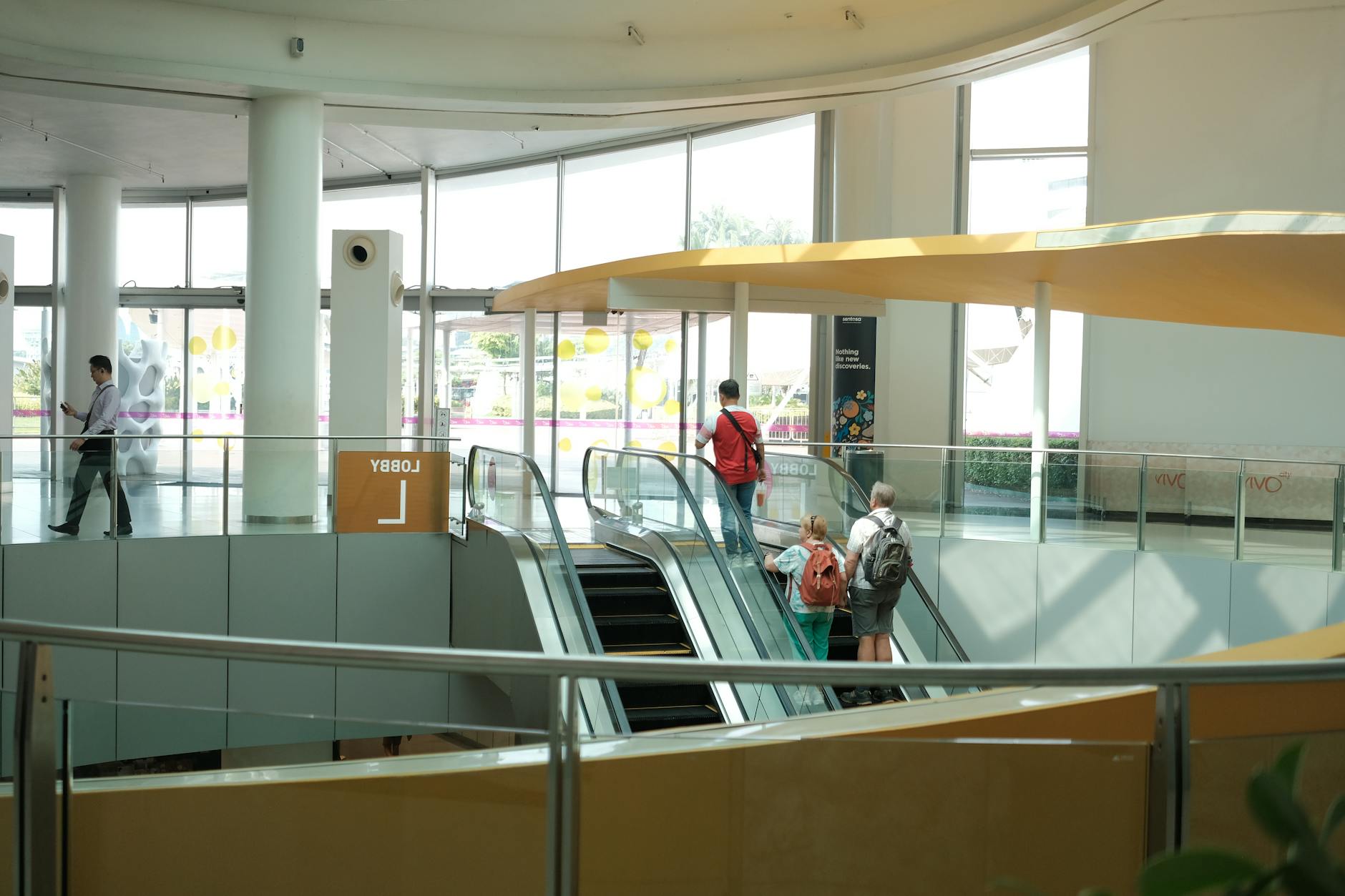
One particularly striking example was the village’s community center, a blending of modern and historic design elements. It boasted a classic stone façade but incorporated modern touches like open spaces and large multi-purpose rooms designed for gatherings, workshops, and cultural events. Residents often collaborated on projects, such as art exhibitions and seasonal festivals, which further emphasized the importance of communal ties. In an age where digital connectivity often supersedes face-to-face interactions, this small village served as a reminder of the value of physical community spaces.
A Lesson in Preservation
Through my exploration, it became clear that the village’s architectural identity was a testament to careful preservation efforts. Many buildings were included in cultural heritage programs aimed at restoring and maintaining their historical significance. I witnessed firsthand the enthusiasm of the local heritage committee as they guided restoration projects, ensuring that the past was not overshadowed by the insatiable march of progress. It was inspiring to see how they balanced modern needs with a deep-rooted respect for history.
This dedication to preservation has implications beyond aesthetics. Sustainable architecture principles were at play here, as the villagers understood that their heritage could not only enrich their lives but also attract tourism, providing economic benefits as well. Visitors from far and wide traveled to admire the distinct architecture, creating an opportunity for local artisans and craftspeople to thrive. The balance of economic vitality and historical preservation was a lesson in sustainable development that other communities could learn from.
The Emotional Connection to Place
As I sat on a bench overlooking the village square, absorbing the surroundings, it hit me—the architecture of this village was more than just bricks and mortar; it was a canvas of shared memories and collective aspirations. The buildings bore witness to the lives of those who came before and those who would follow, each generation adding their layer to the village’s narrative. I felt a profound connection to this place, one that transcended time and reminded me of the power of thoughtful design.
This unique village, with its architectural integrity, serves as a reminder of the stories that spaces can tell. In a world increasingly dominated by fleeting trends and disposable culture, the village stood firm, showcasing the beauty of enduring design. It encouraged a dialogue between tradition and innovation, proving that architecture could foster a sense of identity, community, and continuity.
As I boarded the bus to return home, I carried with me more than just memories; I took with me valuable insights into the significance of architecture in shaping the places we inhabit. This random bus ride, which began as a simple act of curiosity, had transported me to a microcosm of culture and creativity, leaving an indelible mark on my understanding of design and community.