
On a cold winter morning, I embarked on an adventure to explore a picturesque town blanketed in snow. As I wandered through the charming streets lined with quaint shops and cozy cafés, it felt as if I had entered a postcard or a scene from a fairytale. The town, with its idyllic blend of old-world charm and modern design elements, captivated my senses in ways that are difficult to articulate. This article captures the essence of my experience and the design elements that made this snowy town appear almost unreal.
A Snowscape of Architectural Wonders
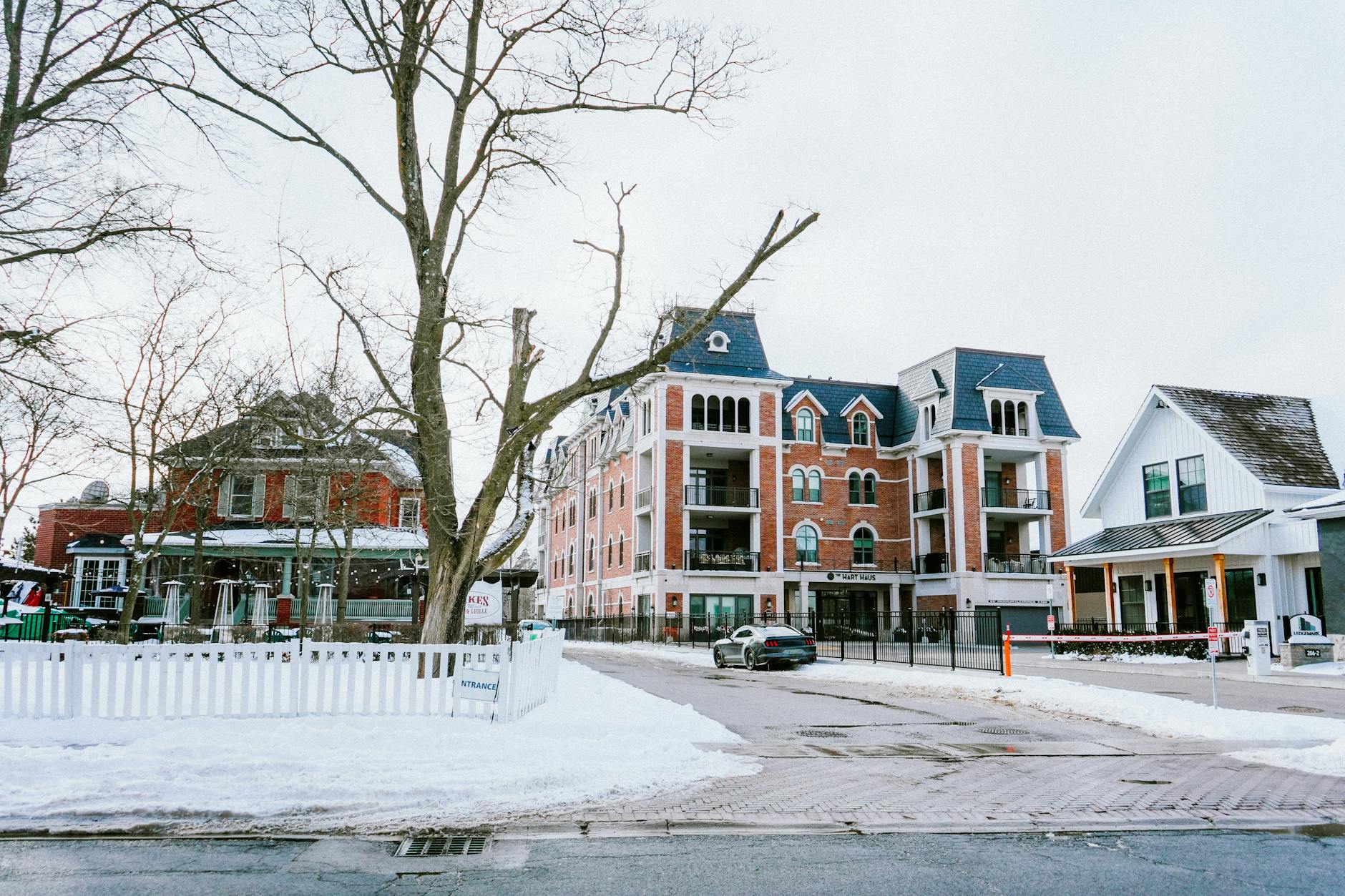
The architecture of the town played a pivotal role in creating its enchanting atmosphere. Each building, adorned with intricately carved wooden facades and colorful shutters, seemed to have its own story to tell. The snow-dusted roofs added a touch of magic to the scene, as if nature itself had decided to embellish these structures. Some houses showcased a blend of traditional and contemporary styles—stone walls and wooden beams married with large glass windows that invited the outside in. This design choice allowed for natural light to flood the interiors, highlighting the warmth of the wooden interiors, which counterbalanced the icy chill outside.
Walking down the cobblestone streets, I noticed how the town planners had thoughtfully integrated modern convenience without compromising the historical character. Smart outdoor lighting and heated walkways ensured that visitors could enjoy the winter wonderland safely and comfortably. Each detail, from the festive wreaths adorning doors to the carefully placed benches, contributed to creating a cohesive aesthetic that felt both inviting and cinematic.
The Role of Color and Texture in Winter Design
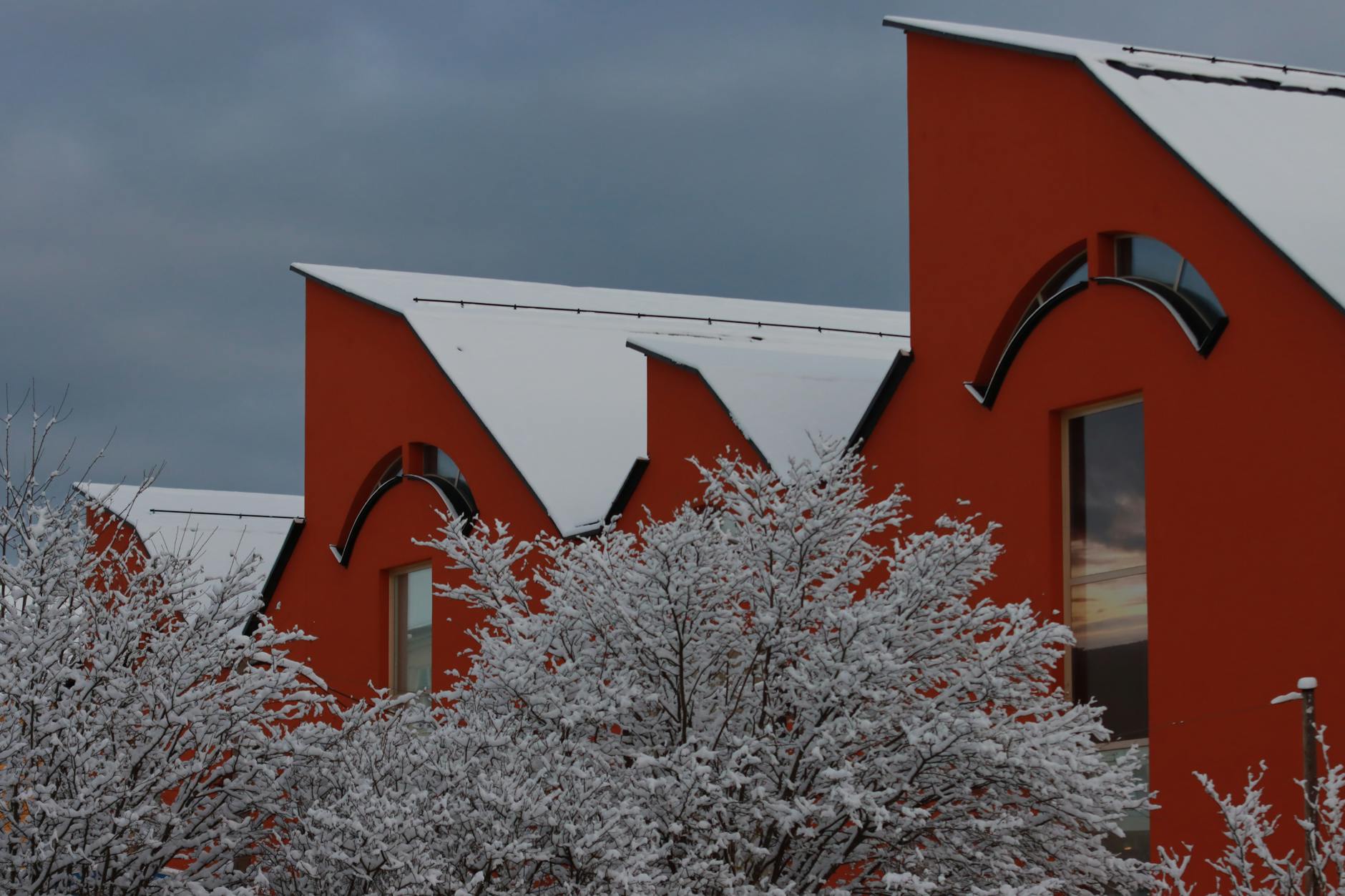
Color plays an essential role in interior and exterior design, and during winter, the palette shifts to embrace softer tones that mimic the natural world. The snowy town I visited was a masterclass in how color and texture can evoke feelings of warmth and comfort in cold weather. The building exteriors featured earthy hues of deep reds, forest greens, and soft blues, contrasting beautifully with the brilliant white of the snow. This intentional color selection created a harmonious visual experience, drawing attention to the buildings while allowing them to meld seamlessly with the landscape.
Texture was another significant design element that transformed the town into a living canvas. Materials such as rough-hewn wood, smooth glass, and rugged stone were interspersed throughout the architecture, creating a tactile experience that invited exploration. I ran my fingers along the weathered stones of a centuries-old church, feeling a connection to the history and craftsmanship that shaped the town. The combination of different materials not only added depth but also reflected the resilience of the town against winter’s harshness.
“Good design is not just about beauty; it is about how a space makes you feel.” – An Advocate for Sustainable Architecture
Exploring the Heart of the Town
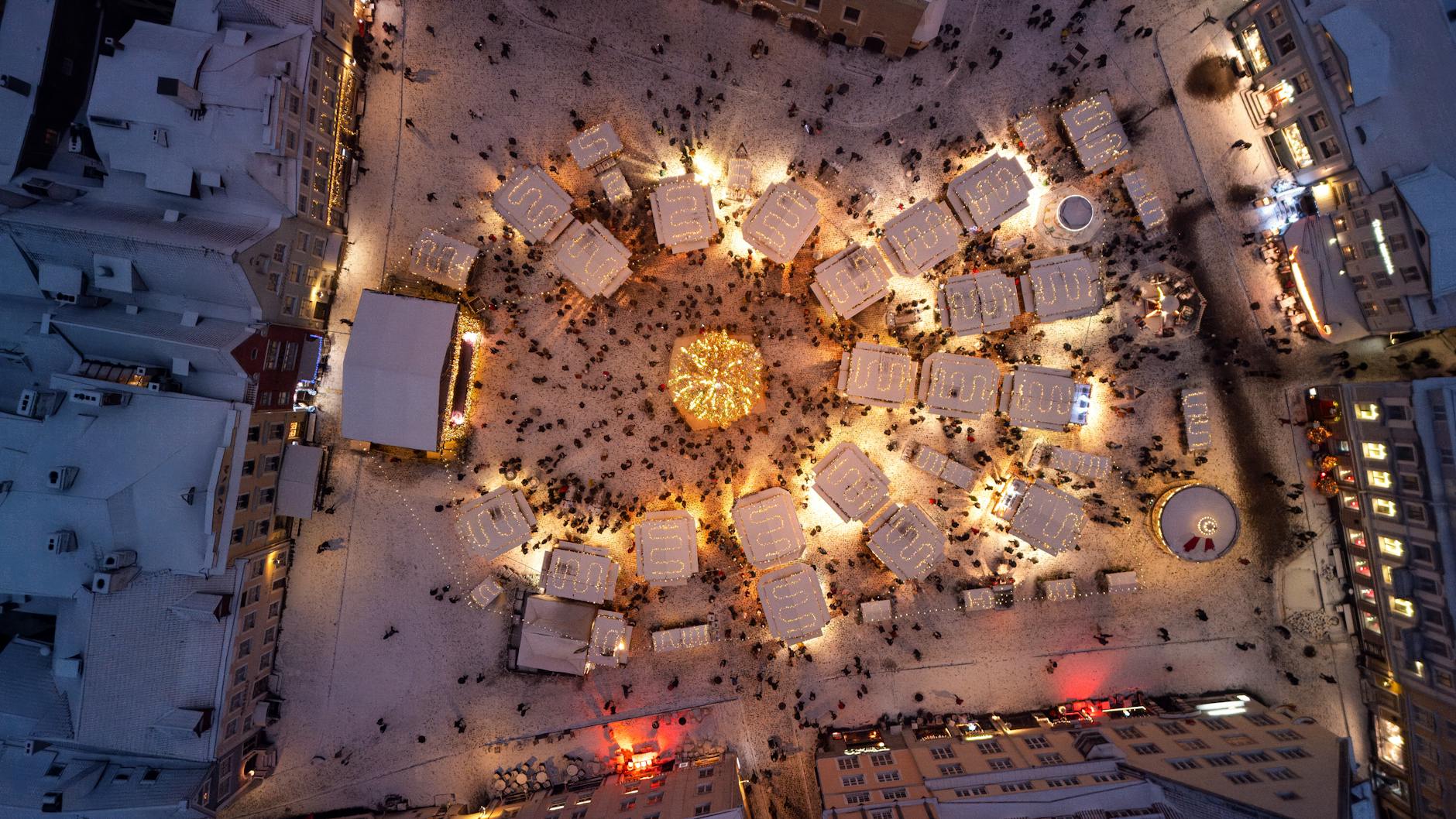
As I continued my journey, I found myself drawn to the central square, where a vibrant marketplace buzzed with activity. Stalls filled with handmade crafts, local delicacies, and warm beverages created a sensory feast. The rich aroma of spiced cider wafted through the air, intoxicating and inviting. The design of the marketplace itself was a testament to thoughtful urban planning, with a large, covered pavilion that allowed for year-round gatherings while protecting visitors from the elements.
This convergence of community and commerce illustrated how well-designed public spaces could enhance the quality of life. The square’s layout encouraged interaction among locals and tourists alike, fostering a sense of belonging. The market was not just a place to shop; it was the lifeblood of the town, where stories were shared, laughter echoed, and memories were made. Nearby, a small stage hosted live music, further animating the scene and creating an atmosphere of celebration.
Nature as a Design Element
The snowy landscape surrounding the town was as much a part of its design as the buildings themselves. Nature’s influence on architecture cannot be overstated, and here, the integration of the environment was apparent at every turn. Parks and green spaces were interwoven with pathways and benches, inviting residents and visitors to relish the beauty of winter. Sculptures and installations crafted from natural materials celebrated the local flora and fauna, providing focal points that sparked curiosity and admiration.
One park in particular, framed by towering evergreens dusted with snow, offered a serene escape. Benches carved from local stone provided spots for contemplation while admiring the breathtaking views. As I sat quietly, the sound of whispering winds through the trees created a symphony of nature, reminding me that design extends beyond human creations. The careful consideration of how the town’s layout interacted with its natural surroundings exemplified a holistic approach to urban planning, emphasizing sustainability and respect for the environment.
As the sun began to set, casting golden light over the white landscape, I found myself reflecting on how design can shape our experiences. The snowy town, with its stunning architecture, vibrant community spaces, and harmonious connection to nature, exemplified a blend of beauty and functionality that resonated deeply with me. Walking through this winter wonderland was not just a visual experience; it was an opportunity to witness the power of design in enriching our lives.