
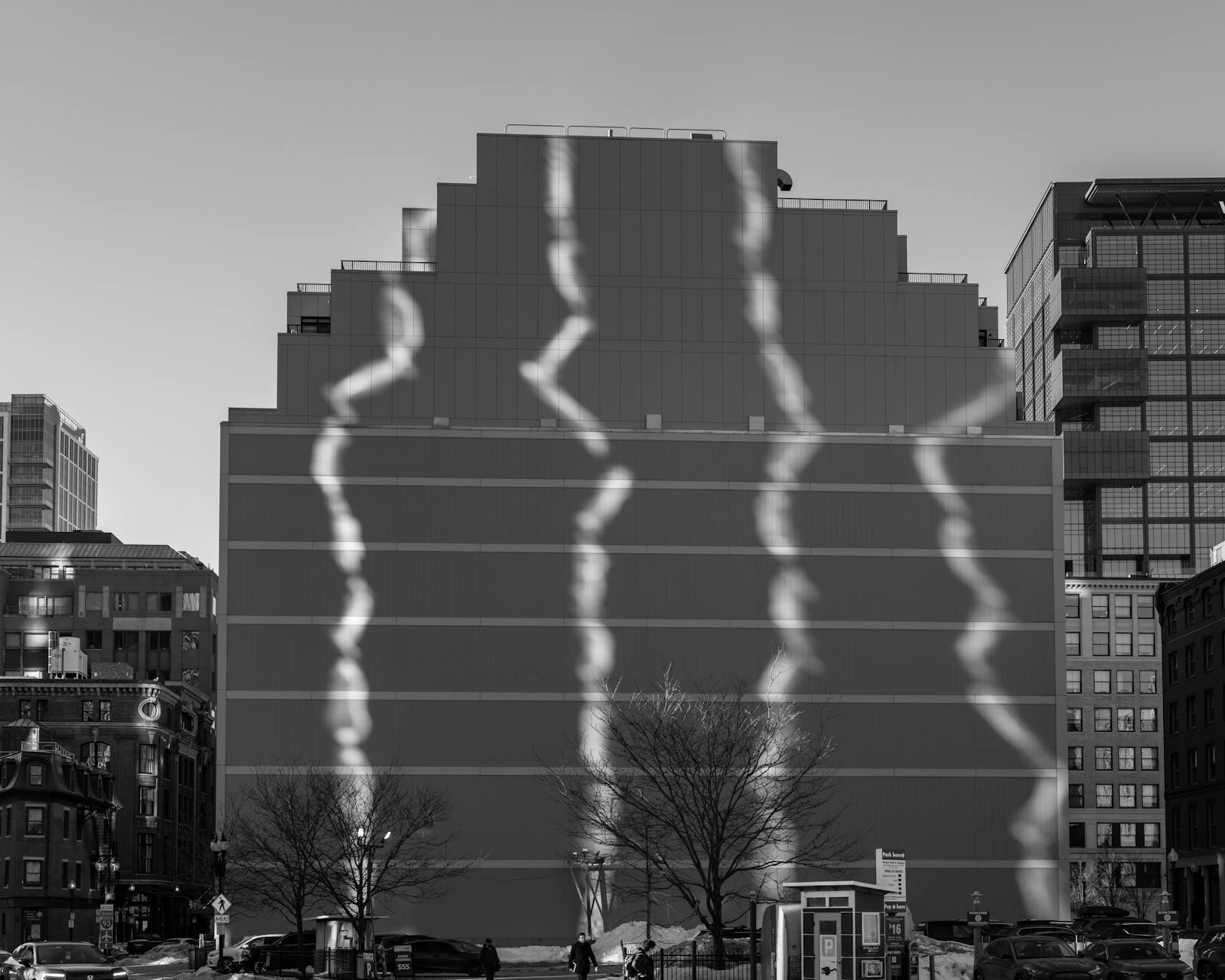
As I strolled through the cobblestone streets of Boston, a moment of clarity washed over me. I paused, taken aback by the buildings that surrounded me—each one standing as a testament to the passage of time and the stories intertwined within its walls. From the elegant Federal-style homes to the imposing structures of the modern skyline, I realized that architecture is not merely a collection of bricks and mortar; it is a narrative that captures the essence of a city’s culture, its struggles, and its triumphs. This revelation urged me to delve deeper into how the architecture of a city encapsulates its history, and what it communicates to those who take the time to observe.
The Language of Architecture
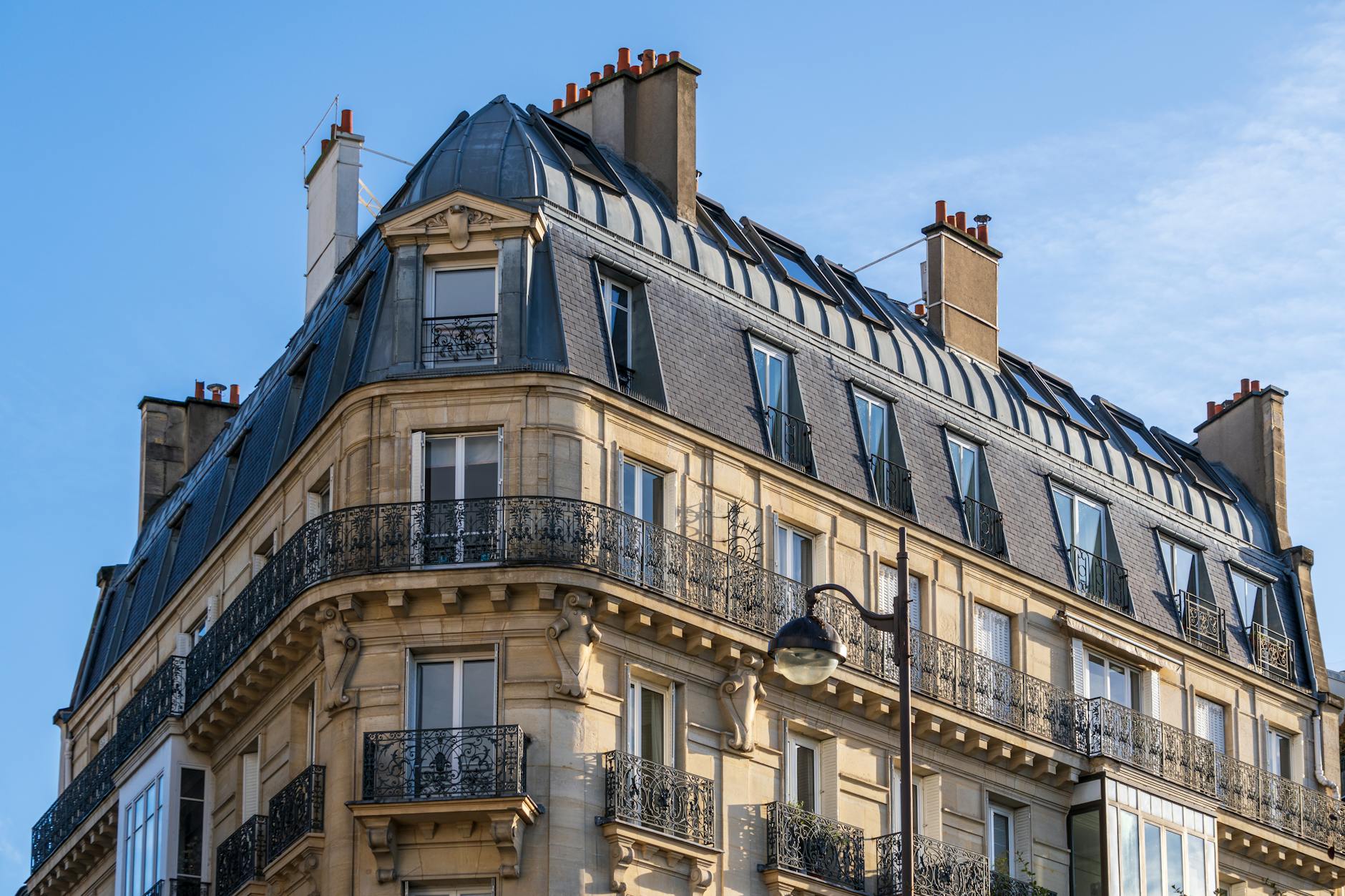
Each building tells a story, a language of materials and designs that speaks to the identity of its surroundings. Romanesque arches in one neighborhood may suggest a certain historical influence, while sleek glass facades in another could hint at a recent economic boom. By studying the architectural styles that prevail in a city, one can trace the development of societal values, technological advancements, and economic status over the years. For example, in cities like Paris, the Haussmannian style dominates, depicting a time of urban planning that sought to reflect modernity and order.
Take a closer look, and you will notice how these architectural styles often change as ethnic and cultural demographics shift. Buildings constructed during the industrial era may remain standing, juxtaposed with modern cafes and boutiques, creating a dynamic contrast that symbolizes adaptation and evolution. This layering of styles manifests a city’s rich tapestry of history and diversity, inviting residents and visitors alike to engage in dialogue with the past.
Reflecting Social Justice and Inequality
Architecture doesn’t just capture the essence of cultural evolutions; it also reflects social justice and inequality. The stark contrasts seen in the physical landscape of a city often highlight economic disparities among different neighborhoods. In many cases, affluent areas boast grandiose homes with manicured lawns, while adjacent neighborhoods struggle with dilapidated buildings and limited resources. These pressing realities can be felt in cities across the globe—from San Francisco to Mumbai—where architecture signifies more than just aesthetic appeal; it embodies the very fabric of societal divisions.
Consider the role of public spaces, which have also transformed over time. Parks and plazas serve as communal hubs where a city’s inhabitants gather. Yet, the accessibility and design of these spaces can be heavily influenced by socioeconomic factors. A well-maintained public park can indicate city investment in community well-being, while an underfunded plaza may reflect neglect or marginalization. The layout and condition of public spaces often narrate the history of local governance and public policy, inviting us to examine not just aesthetic considerations but also the broader implications of urban development.

Glimpses of Resilience in Architecture
Nature, too, plays a significant role in shaping architectural history. Cities situated in areas prone to natural disasters often adapt their designs to mitigate risks. For example, the iconic stilt houses of Southeast Asia are a direct response to their flood-affected environments. Similarly, after the devastating earthquakes in cities like San Francisco and Christchurch, architecture has evolved to prioritize not just aesthetics but resilience and safety. This adaptability showcases a city’s ability to learn from its calamities, embedding lessons of resilience into its structures.
Moreover, historical preservation has emerged as a crucial aspect of urban planning, reflecting a growing recognition of the value of heritage. Organizations dedicated to preserving historical landmarks work to ensure that cities retain a connection to their past, fighting against the tide of rapid modernization. This balance between progress and preservation often leads to a rich dialogue about what elements of history should be maintained and which might be left behind in the name of urban efficiency. In some cases, new developments are built with a nod to the past, incorporating traditional elements into modern designs, creating a dialogue across eras and styles.
The Influence of Globalization
As we traverse into the era of globalization, architecture has increasingly become a canvas upon which international influences are depicted. Exotic styles and foreign materials have woven their way into the urban fabric, often clashing with local traditions. Skyscrapers adorned with contemporary designs can dominate city skylines, while historical buildings struggle to maintain their narrative. Our cities have become a melting pot of architectural styles, reflecting global trends and the increasing interconnectedness of our societies.
Yet, this phenomenon raises questions—does globalization erode local character, or does it enrich a city’s architectural narrative? While some argue that unique styles are often diminished, others point to the hybridization of designs as a form of evolution. Iconic structures like the Burj Khalifa in Dubai exhibit this blend, where traditional Islamic architecture meets modern engineering marvels. This interplay of styles opens doors to new dialogues about identity, cultural exchange, and representation within urban landscapes.

Conclusion: A City’s Story Revealed
Ultimately, my experience wandering through the streets of Boston opened my eyes to a fascinating realization: a city’s architecture is a storyteller in its own right. Each building, style, and design choice serves as a page in a larger narrative—one that chronicles the resilience, struggles, and evolution of its inhabitants. Whether it serves to uplift or marginalize, architecture reflects the complexities of urban life and the rich history that underpins it.
As one traverses the intricate streets of any city, it becomes essential to look beyond mere aesthetics. Instead, by paying attention to these structures and the context they inhabit, we appreciate an unfolding historical narrative that invites exploration and discovery. In doing so, we not only learn about the places we inhabit but also about ourselves and the ways in which we are connected to the past and future.