
In an age where our homes have become sanctuaries from the outside world, the importance of comfortable and stylish interiors cannot be overstated. It’s not just about aesthetics; it’s about creating environments that support well-being and functionality. From cozy living spaces to serene bedrooms, the interior design of our homes plays a crucial role in how we feel and interact with our surroundings. This article delves into the elements that contribute to comfortable and stylish interiors, helping you transform your home into the perfect retreat.
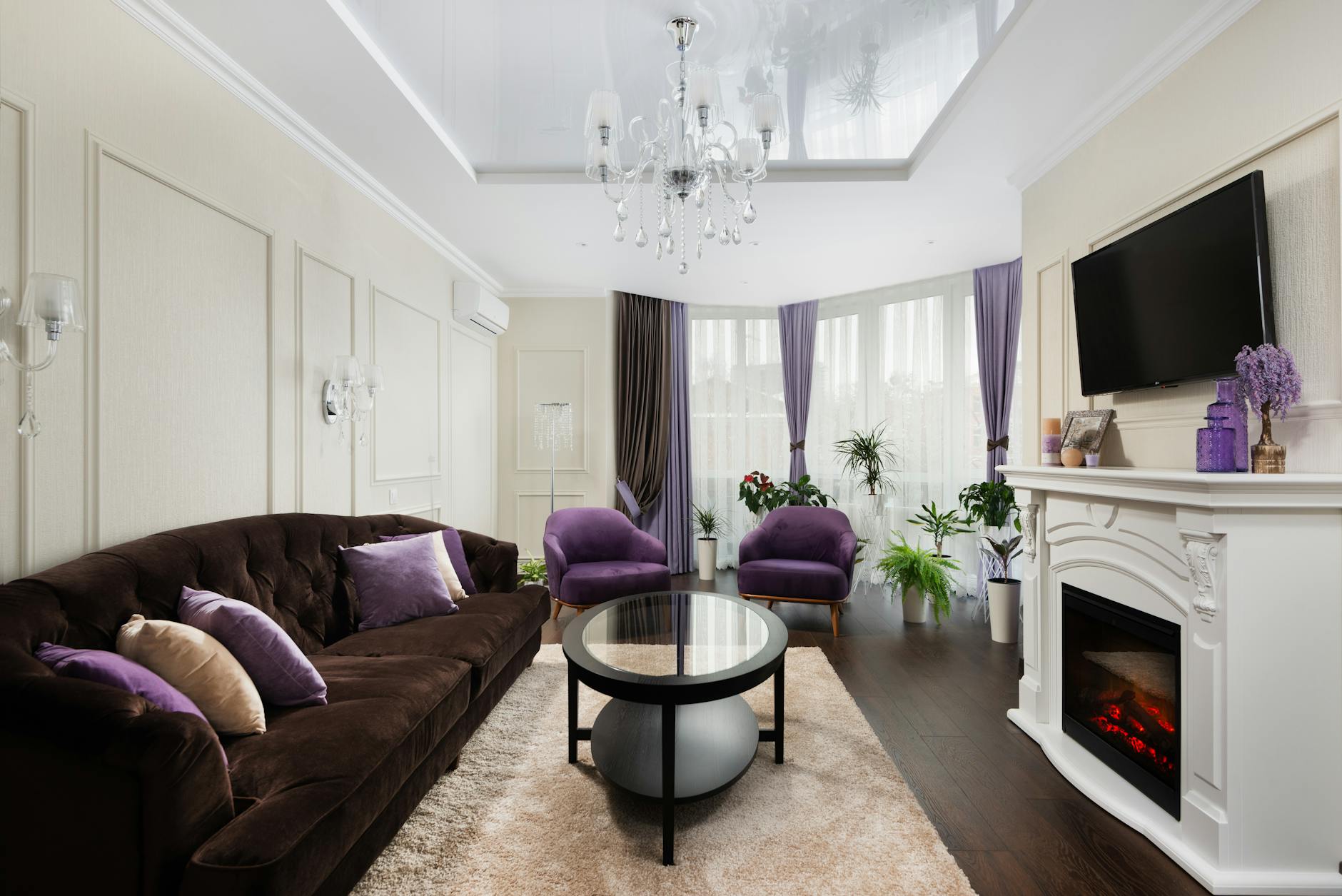
Understanding the Balance: Comfort Meets Style
Comfort and style may seem like opposing forces, but achieving harmony between the two is essential for any inviting home. Comfort begins with the selection of furniture that not only looks good but also serves the purpose of providing relaxation and ease. Sofas and chairs should be soft and well-cushioned, making them perfect for lounging after a long day or hosting guests. However, selecting the right fabrics and colors also plays a significant role in enhancing the style quotient of a space.
For instance, while a plush velvet sofa may evoke a sense of luxury, it can also be very inviting when paired with lighter, breathable textiles like cotton or linen. Incorporating diverse textures can add depth to the decor, making the space feel more lived-in and inviting. Additionally, utilizing throw blankets and plush cushions in harmonious hues can create an effortless blend of comfort and chic style, ensuring that your interior is both functional and visually appealing.
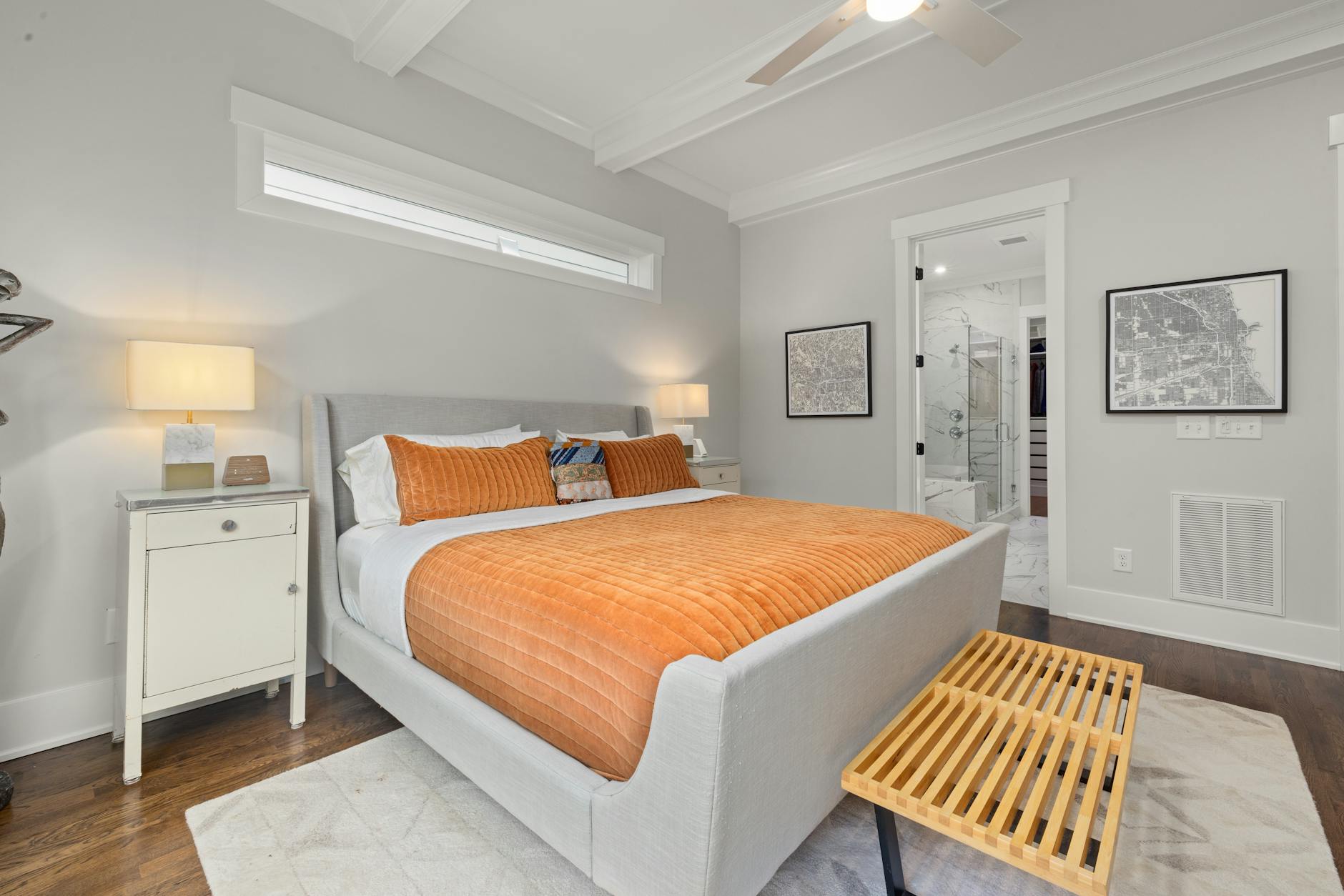
Creating Cozy Spaces: The Power of Color and Lighting
The psychological impact of color in interior design cannot be underestimated. Warm tones like soft yellows, gentle pinks, and earthy greens can evoke feelings of warmth and comfort, making spaces feel more inviting. Cooler shades such as blues and grays, on the other hand, can create a sense of calm and tranquility. When selecting colors for your interior, it’s vital to consider the mood you want to create while ensuring it harmonizes with the overall design theme.
Lighting is another key element that can significantly alter the feel of a room. Natural light is ideal for uplifting spirits and creating a lively atmosphere; however, when that isn’t available, layered lighting options can mimic its effects. Incorporate ambient lighting for overall brightness, task lighting for focused activities, and accent lighting to highlight decor pieces. Dimmers can also help adjust the mood from bright and energetic to soft and intimate, allowing for flexibility in how the space feels throughout the day.
“Your home should be a reflection of who you are and a collection of what you love.” – Nate Berkus
Functional Layouts: Optimize Your Space
The layout of a room can significantly influence its comfort and style. An effective design takes into consideration how the space will be used, ensuring that it not only looks good but is also practical. Open floor plans can promote better flow and make a space feel larger, while strategic zoning—using rugs, furniture placement, and decorative elements—can delineate areas for different activities.
For instance, in a living room, a conversational seating arrangement can invite social interaction, while in a bedroom, a well-placed vanity can create a personal retreat. It’s also wise to consider the scale of furniture concerning the size of the room; oversized furniture can overwhelm a small space, while petite pieces can disappear in larger rooms. Balancing the scale ensures visual harmony and maximizes comfort.
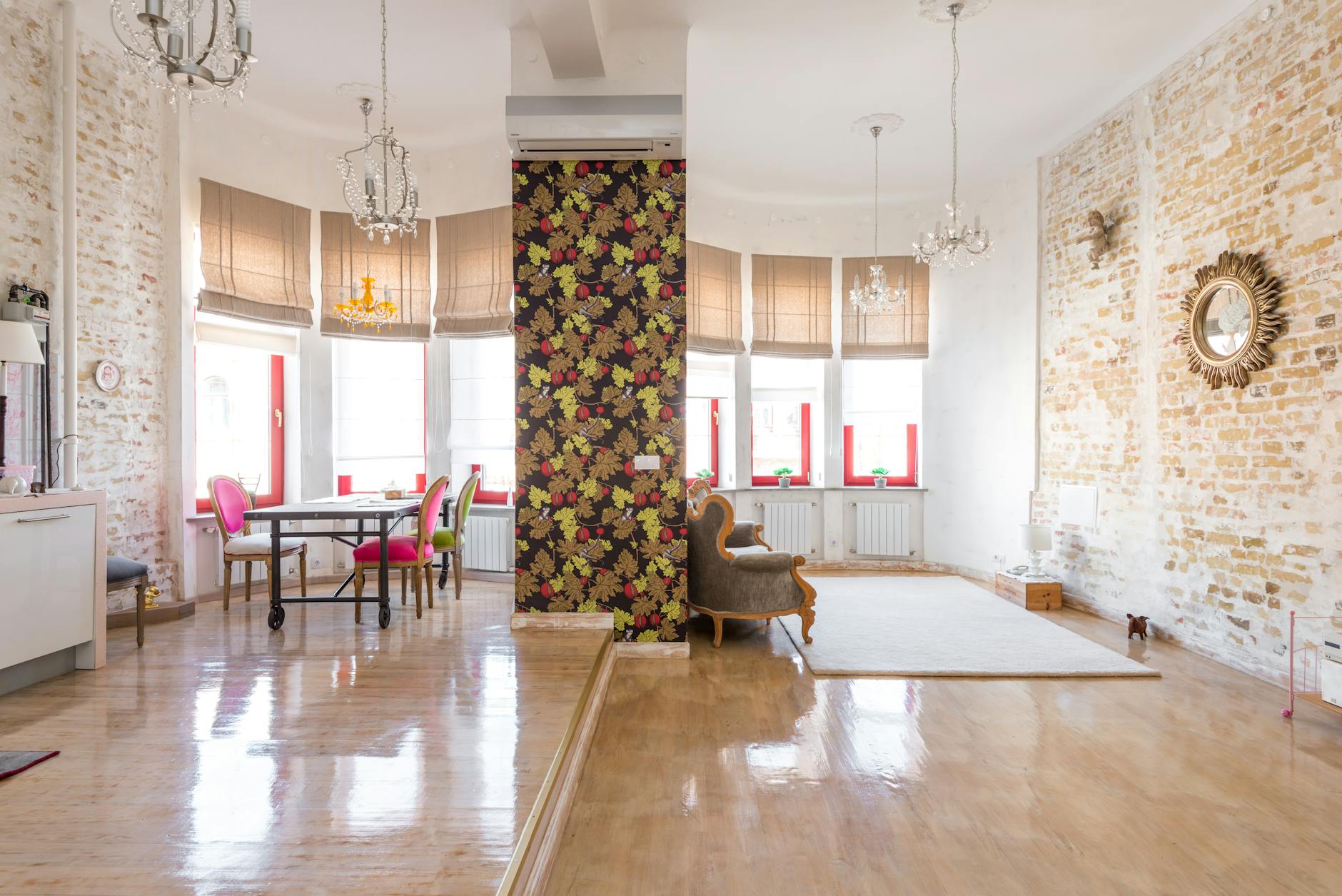
Personal Touches: Infusing Your Style
One of the most rewarding aspects of decorating your interior is the opportunity to express your personality through design choices. Incorporating personal touches like artwork, family photos, and curated collection pieces can tell a story and evoke memories, making the space feel truly yours. While it can be tempting to adhere strictly to current trends, it’s important to prioritize what resonates with you and reflects your lifestyle.
Consider using a mix of vintage and modern decor to add character and depth. Vintage finds can become unique focal points that spark conversation, while modern elements can provide a fresh contrast. Remember that layering personal artifacts within a cohesive theme—whether minimalist, bohemian, or eclectic—will ensure that your interiors remain stylish while being a true reflection of who you are.
Conclusion: Curating Your Comfortable Haven
Creating comfortable and stylish interiors is about finding that sweet spot between aesthetics and functionality. By considering furniture choices, color palettes, lighting, layout, and personal touches, you can cultivate spaces that not only look beautiful but also feel like home. Each element you implement should contribute to a welcoming atmosphere that reflects your lifestyle, making your home a sanctuary you look forward to returning to at the end of the day. Whether you’re designing a serene bedroom or a lively living area, the key is to balance comfort with style, creating interiors that nourish both body and soul.