
Embracing contemporary comfort in interior design merges aesthetic appeal with functionality, creating spaces that reflect our lifestyles and values. This approach prioritizes ease and relaxation while maintaining a modern flair. Whether you are rethinking your space or seeking inspiration for a new home, understanding the nuances of contemporary comfort can set the foundation for an inviting and stylish environment.
The Essence of Contemporary Comfort
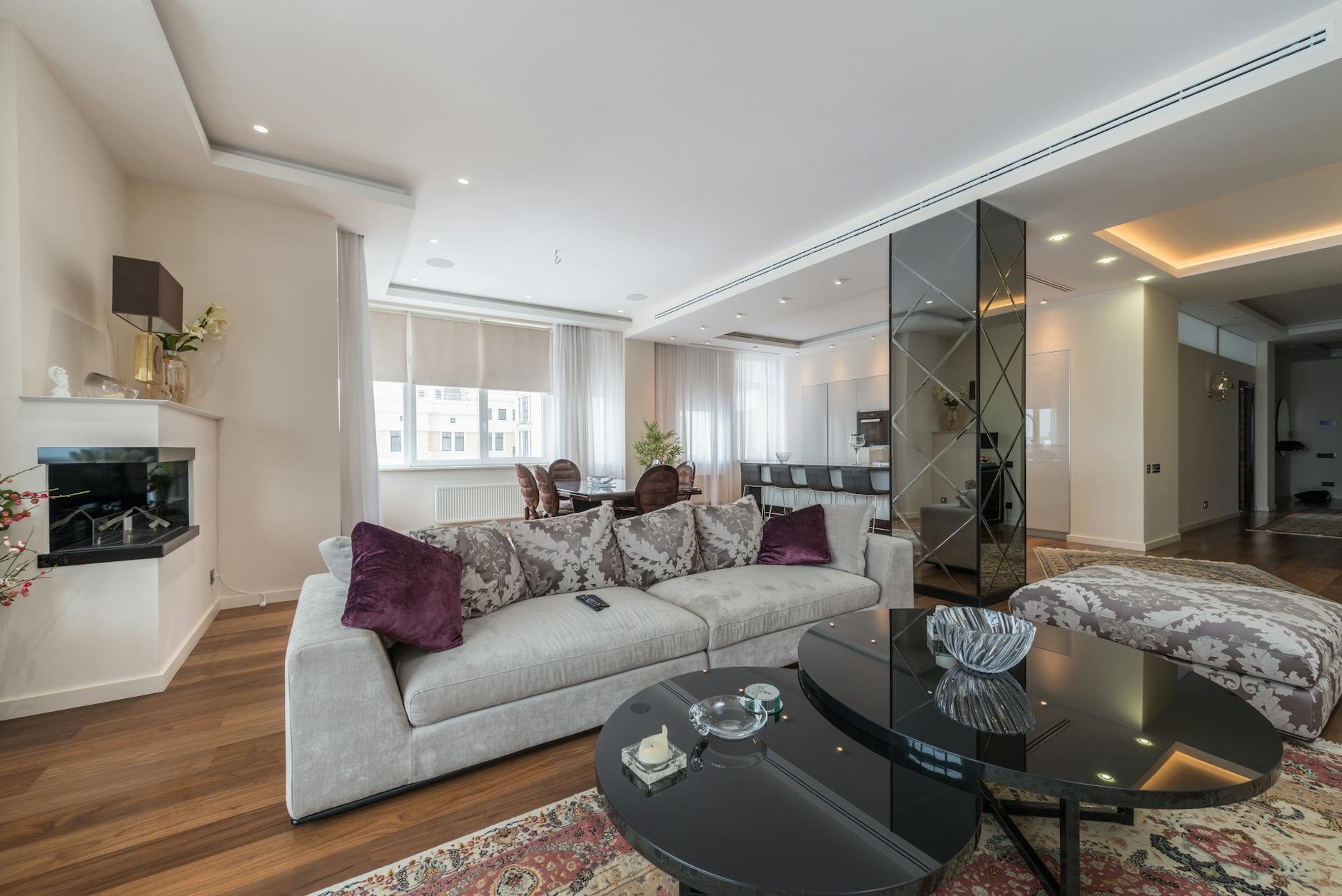
At its core, contemporary comfort focuses on creating harmonious environments that prioritize well-being and relaxation. This involves choosing materials, colors, and designs that evoke a sense of ease. Soft textures, natural elements, and muted tones are hallmarks of this style, allowing spaces to feel both chic and cozy. When curating your interior, consider how elements such as light, sound, and personal touch can enhance comfort.
The concept of contemporary comfort also embraces minimalism, emphasizing simple and clean lines. Furniture should be functional yet aesthetically pleasing, with designs that encourage gatherings and create conversation areas. Think of a plush sectional couch that invites you to sink in with a good book, or a Scandinavian-inspired coffee table that balances beauty with usability.
Color Palettes and Textures: Setting the Mood
Choosing the right color palette sets the emotional tone of a space. A contemporary comfort aesthetic often leans towards neutral tones such as beige, gray, and soft whites, which serve as a perfect canvas for layering textures. Adding depth to your design can be accomplished through the incorporation of rich fabrics like velvet, wool, or cotton, which provide warmth and tactile interest.
To create a dynamic yet soothing environment, consider integrating pops of color through accessories or artwork. Bright cushions, elegant throws, or strategically placed plants can introduce vibrant hues while maintaining a sense of cohesion. In this way, engaging visuals complement the overall atmosphere without overwhelming the senses.
Furniture Selection: Balancing Form and Function
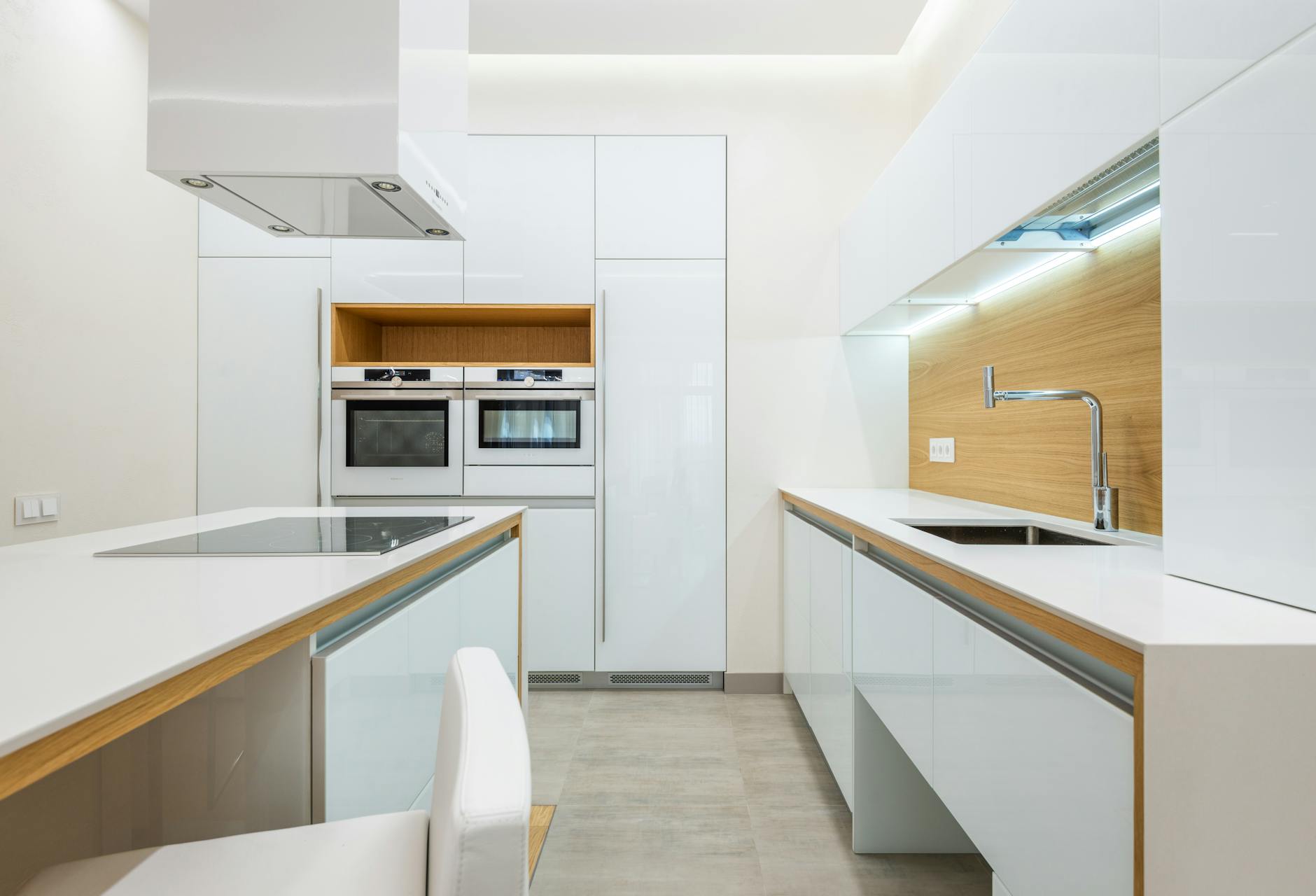
When selecting furniture for a contemporary comfort space, think about versatility and adaptability. Modular furniture that can be rearranged or reconfigured caters to the fluidity of modern life. Look for pieces that serve multiple purposes; for example, a coffee table that doubles as a storage unit or a sleeper sofa that accommodates guests without sacrificing style.
Incorporate furniture made from natural materials, such as wood, leather, or stone, as these elements enhance warmth and connection to nature. A beautifully crafted wooden dining table or elegant leather chairs can become focal points in a room, inviting people to gather around and share experiences. Pay attention to scale as well; oversized furniture can feel comforting but may overwhelm a small space, while too many small pieces can lead to a cluttered environment.
Lighting: The Unsung Hero of Comfort
Lighting plays a crucial role in enhancing the comfort level of a space. Layered lighting design, which combines ambient, task, and accent lighting, helps create an inviting atmosphere. Natural light is ideal; maximize it by using sheer curtains or strategically placing mirrors to reflect brightness. However, artificial lighting is equally essential, especially during the evening hours when a soft glow can transform the mood of a room.
Invest in adjustable lighting solutions such as dimmers or smart bulbs that allow you to modify the intensity according to the time of day or activity. Cozy evenings can be complemented with warm, soft lighting, while bright, focused lights can enhance productivity during the day. The goal is to replicate the comfort of natural light and provide options that enhance daily living.
Incorporating Personal Touches
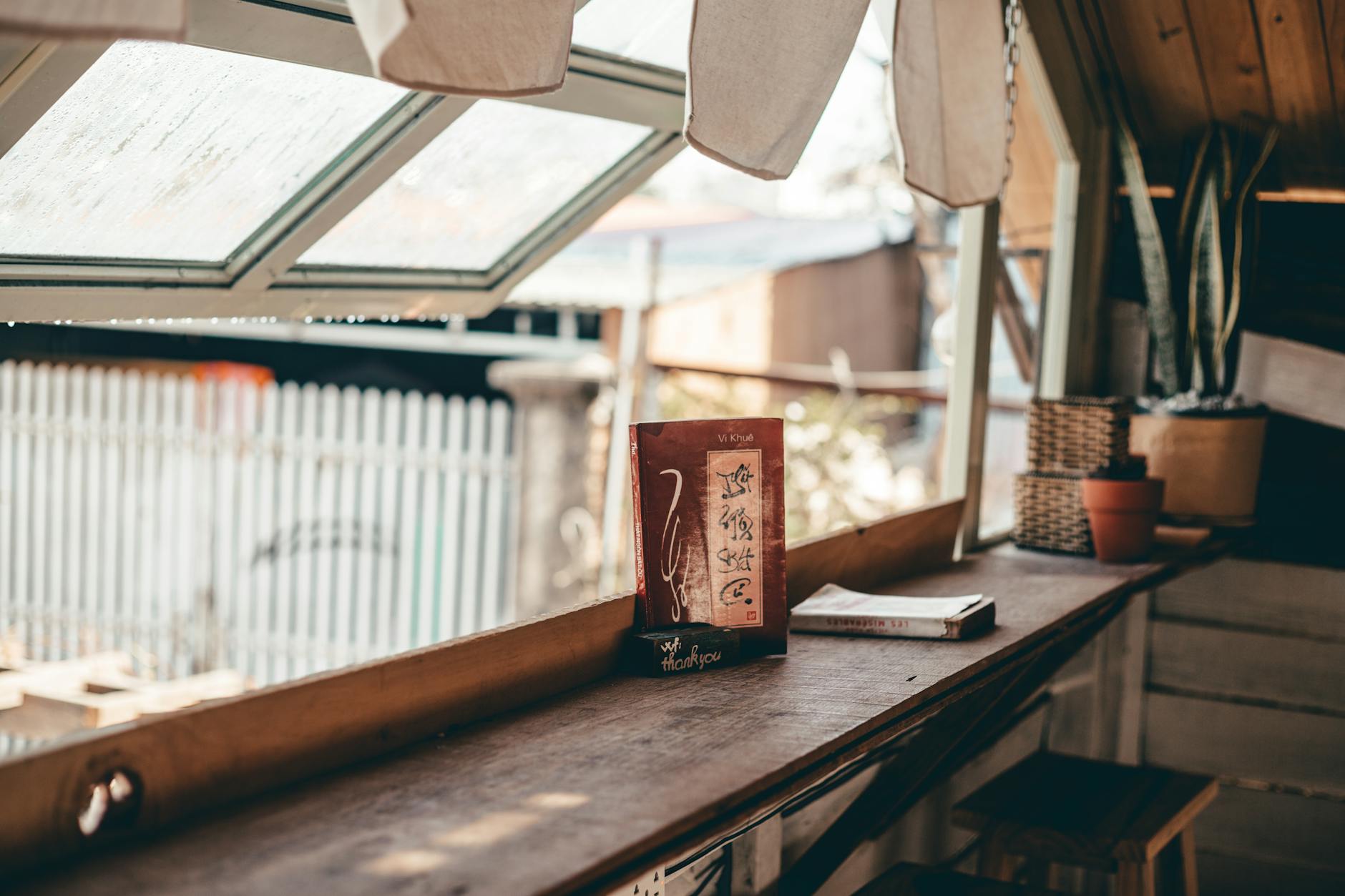
No home feels comfortable without personal touches that reflect individual style and personality. Incorporating family heirlooms, curated art pieces, or travel souvenirs can infuse warmth and character into your space. These elements tell a story, making your home unique and inviting.
Additionally, plants play a significant role in contemporary comfort interiors by introducing life and color. Indoor greenery not only purifies the air but also serves as a visual reminder of nature’s beauty. Consider low-maintenance plants like succulents or pothos for easy care paired with stunning aesthetics.
Creating a cozy atmosphere can also involve the use of scent. Candles, essential oil diffusers, or incense offer sensory comfort that enhances relaxation. The right fragrance can invoke memories, emotions, and a sense of peace, making your space feel even more like home.
Designing Spaces for Connection
Ultimately, contemporary comfort interiors should foster connection—both with oneself and with others. Design spaces that encourage interaction, whether it’s an open-plan living area where friends can gather or a cozy nook for solitary relaxation. Technologies such as sound systems and smart home devices can enhance the experience of comfort without detracting from the aesthetic appeal.
Additionally, consider how layout affects flow and movement within your home. Spaces should feel open but also maintain intimacy, allowing for both lively conversations and quiet moments of solitude. A well-planned layout can transform a house into a sanctuary that nurtures relationships and personal well-being.
In a fast-paced world, creating an environment that prioritizes contemporary comfort can lead to enhanced quality of life. By thoughtfully selecting colors, textures, furniture, and personal touches, you can cultivate spaces that embody warmth, relaxation, and style.