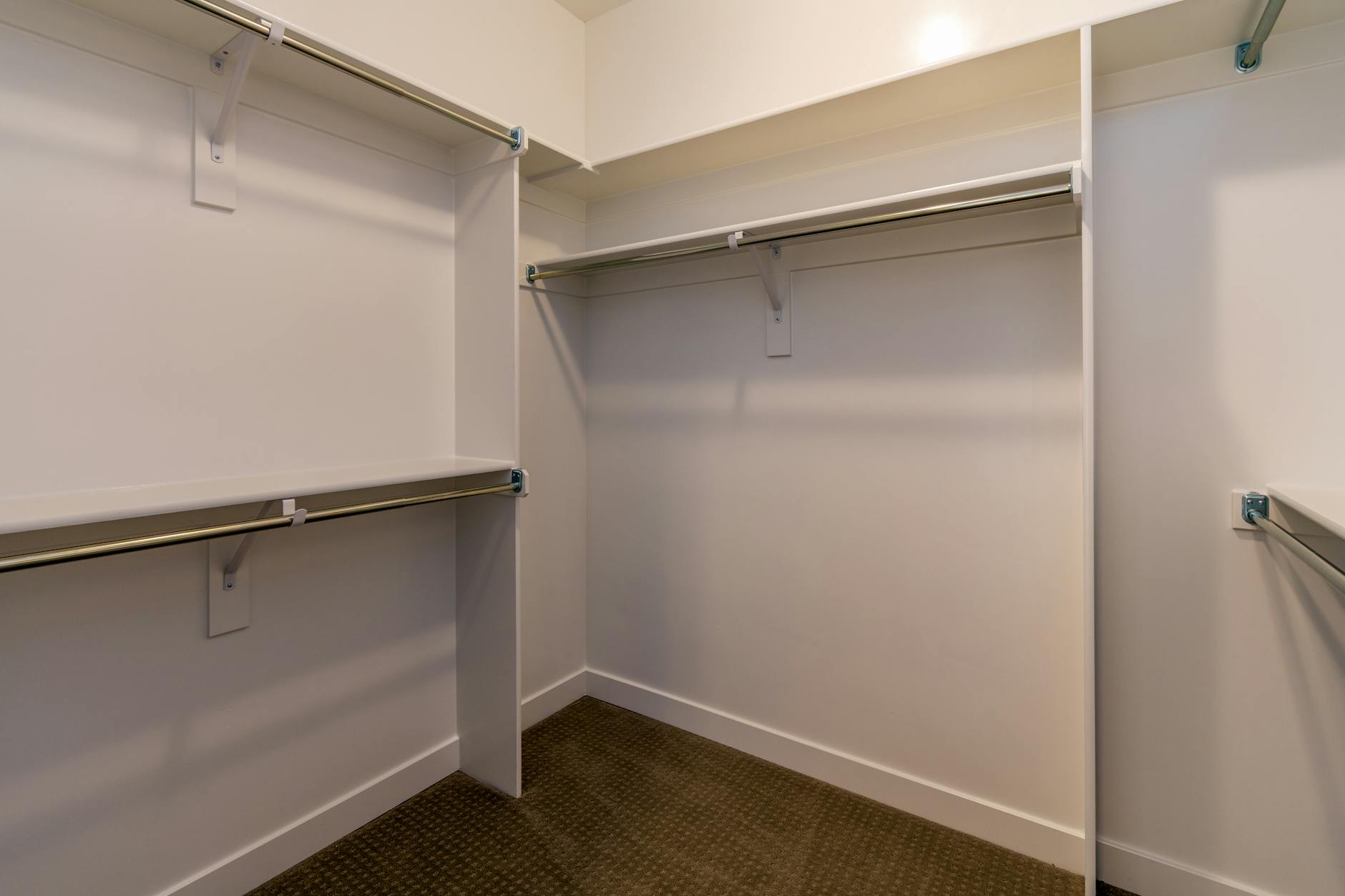
Decluttering your closet can feel like a daunting task, but it doesn’t have to be. Many people hold onto clothing items based on emotional attachments, practical considerations, or simply out of habit. By understanding your relationship with your possessions and employing a strategic approach, you can successfully declutter your closet without feeling regret. In this article, we will explore effective strategies to help you make decisions about what to keep and what to let go.
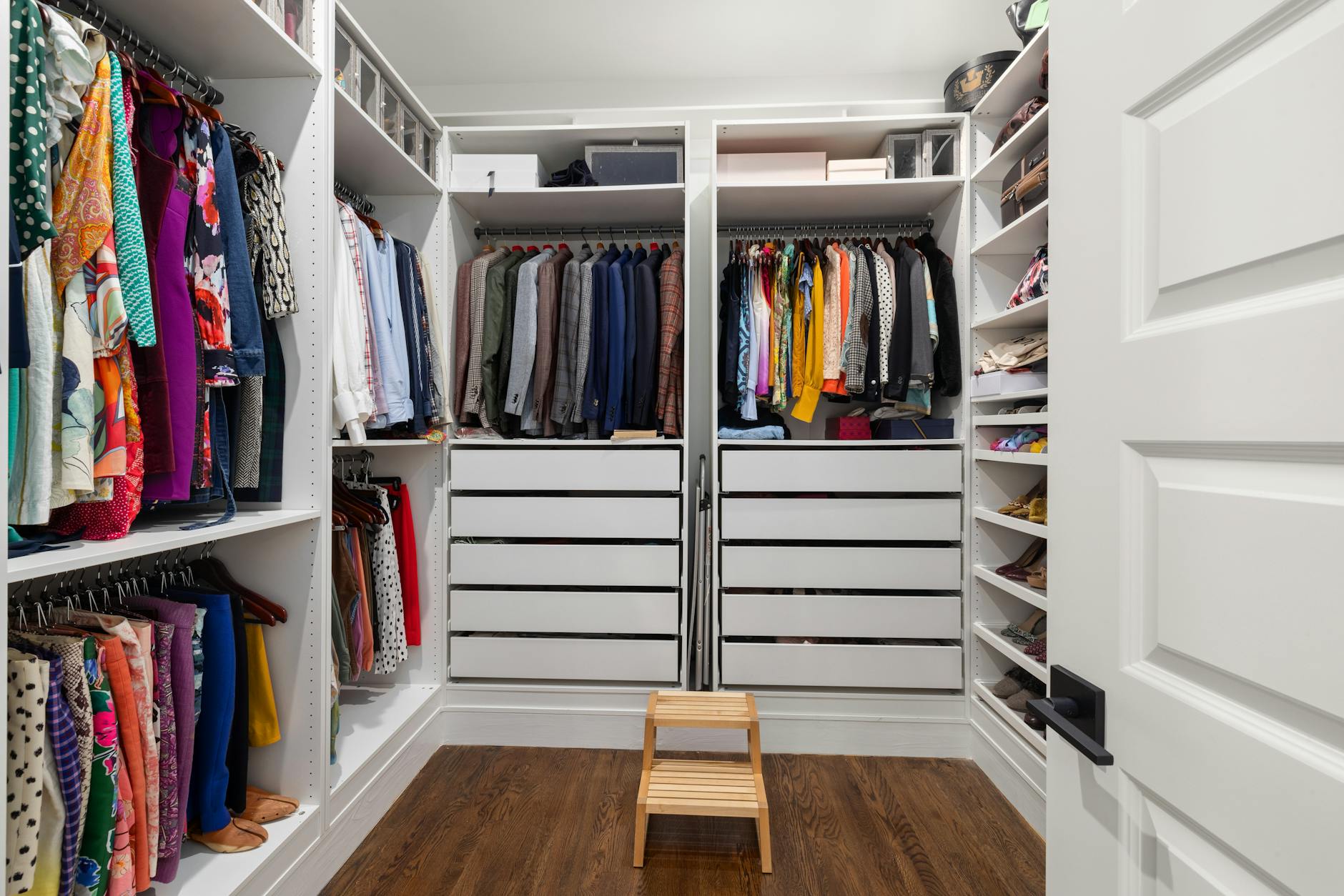
Understanding Your Attachment to Clothes
Before you start the decluttering process, it’s essential to understand the emotional ties we often have to our clothing. Many people keep items because they remind them of a specific occasion, a person, or even a version of themselves they aspire to be. Acknowledging these feelings can help you sort through your clothing more effectively. Ask yourself why you are holding onto each piece; is it because it brings you joy, or do you feel obligated to keep it?
An effective method for evaluating your attachment to clothes is the “Marie Kondo” approach, where you ask yourself if an item sparks joy. If it doesn’t, it may be time to let it go. Remember, it’s not just about making space; it’s about making room for garments that truly resonate with your current self.

Implementing a Strategic Decluttering System
Once you’ve addressed the emotional component, it’s time to implement a system. Consider using the “four-box method,” where you label four boxes as follows: Keep, Donate, Sell, and Discard. As you sort through your clothing, place each item into one of the boxes based on its condition and your feelings about it. This method allows you to make decisions that are thoughtful and straightforward, reducing the likelihood of second-guessing yourself later.
When assessing each piece, consider the last time you wore it and how you felt in it. If it hasn’t been worn in over a year, it’s likely that you don’t need it. For items that are still in excellent condition, consider whether they could be sold for extra cash, or if they are suitable for donation. Charitable organizations often appreciate gently used clothing, helping both your closet and those in need.
Creating a Functional Wardrobe
Aiming for a functional wardrobe involves curating a collection of clothes that fits your lifestyle and personal style. Think about your daily activities and the types of clothes you need to support those activities. For instance, if you work from home, your wardrobe might prioritize comfort. On the other hand, if you’re frequently attending business meetings, you might require a selection of professional attire. Focus on versatility and ensure each item can be mixed and matched with others in your closet.
Additionally, setting a realistic limit on the number of items you wish to keep can help with the decision-making process. For example, you might decide to keep only 10 pairs of shoes. This will encourage you to choose the pieces you truly love and will wear frequently, eliminating redundancy in your wardrobe.

Maintaining Your Decluttered Closet
Once you’ve successfully decluttered, it’s crucial to maintain the order you’ve established. Regularly scheduled closet check-ins can prevent old habits from creeping back in. Consider setting aside time every few months to reassess your wardrobe. Look for items that haven’t been worn or that no longer fit your style, and apply the same four-box method for any new arrivals.
Another effective strategy for maintaining an organized closet is adopting a “one-in, one-out” policy. For every new clothing item you want to buy, commit to removing one item from your closet. This approach not only keeps your closet manageable but also encourages thoughtful purchasing. It’s easy to accumulate pieces that seem like a good idea at the moment, but with this policy, you’ll think twice about whether you truly need something new.
Final Thoughts on Decluttering
Decluttering your closet is a transformative process, and while it may seem overwhelming at first, the rewards are significant: a more organized space, clarity in your personal style, and reduced stress. By understanding your emotional attachments, implementing a strategic system, focusing on functionality, and maintaining your efforts, you can declutter your closet without regret. Remember, the goal is not just to free up space but to curate a wardrobe that reflects who you are now, rather than who you were.
As you embark on this journey, let go of guilt—every item you choose to declutter is a step towards a more intentional life. By surrounding yourself with clothes that truly serve a purpose in your life, you are creating a sense of joy and ease in your everyday routine.