
As the sky draped itself in the velvet cloak of twilight, I found myself wandering through the bustling heart of a city that never sleeps. The sun had dipped below the horizon, leaving behind just a hint of its golden rays, which danced across the glass façades of towering skyscrapers. It was a moment when the urban landscape transformed, revealing a different kind of beauty, one illuminated by thousands of lights and enhanced by the intricate patterns of architecture.
A Symphony of Lights
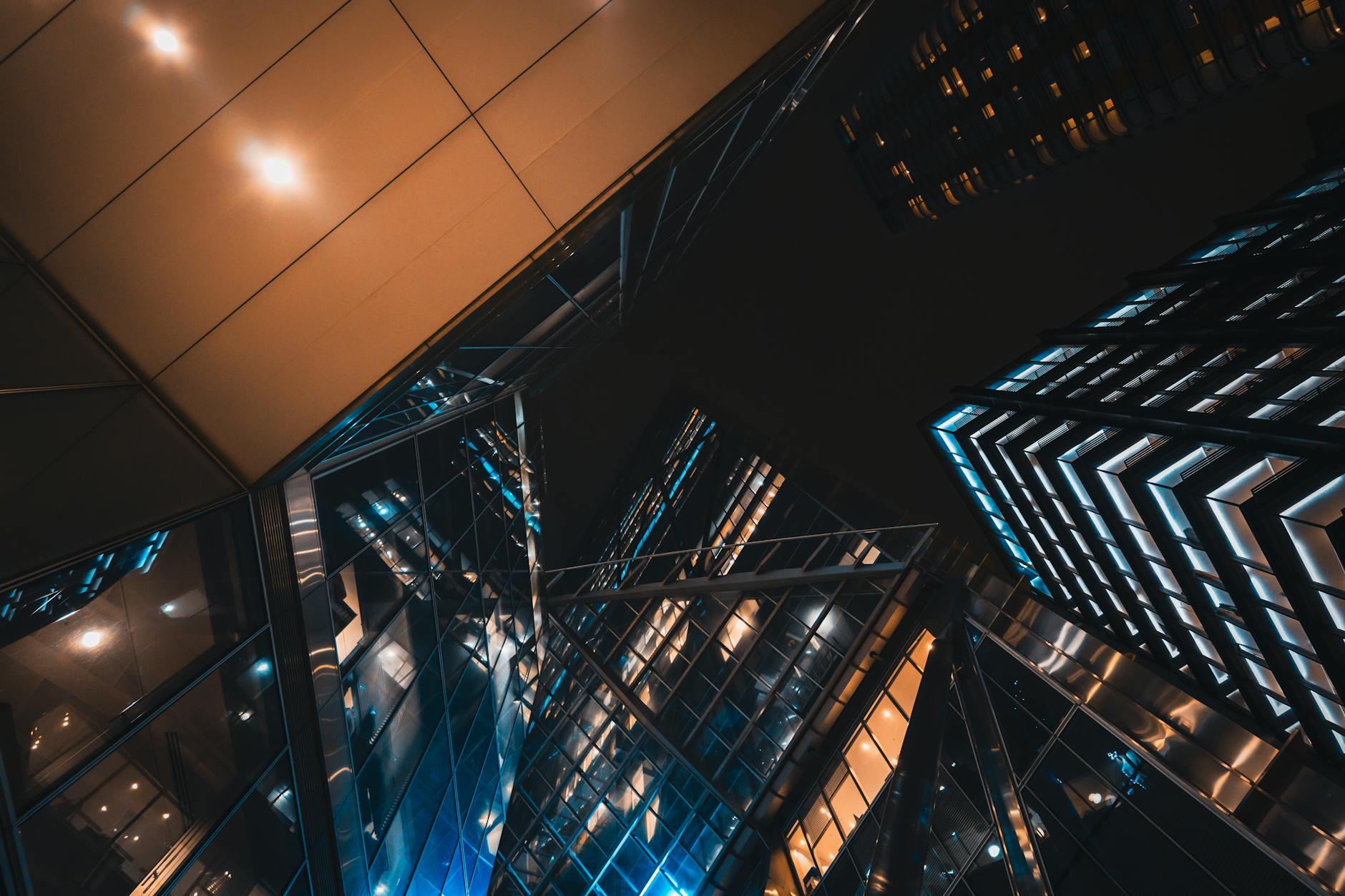
In the evening, the city lights act as a conductor, orchestrating a symphony that plays out across the skyline. Each light tells a story, from the warm, inviting glow of restaurant windows to the stark, clinical brightness of office buildings. The architecture, both historic and modern, reflects these lights in a manner that mesmerizes onlookers. Walking along the street, I paused to admire a particularly striking building, its sleek glass panels mirroring the vibrant hues of the city—a medley of blues and oranges, reds and greens.
This interplay between light and structure creates a visual poetry that is unique to urban environments. The sharp angles and curves of contemporary architecture stand in stark contrast to the ornate details of older buildings, yet together they form a cohesive narrative each night as the lights flicker to life. This is not merely a backdrop for city dwellers but a dynamic canvas that shifts and evolves, revealing the character of a city that often goes unnoticed in the harsh light of day.
The Reflections of History
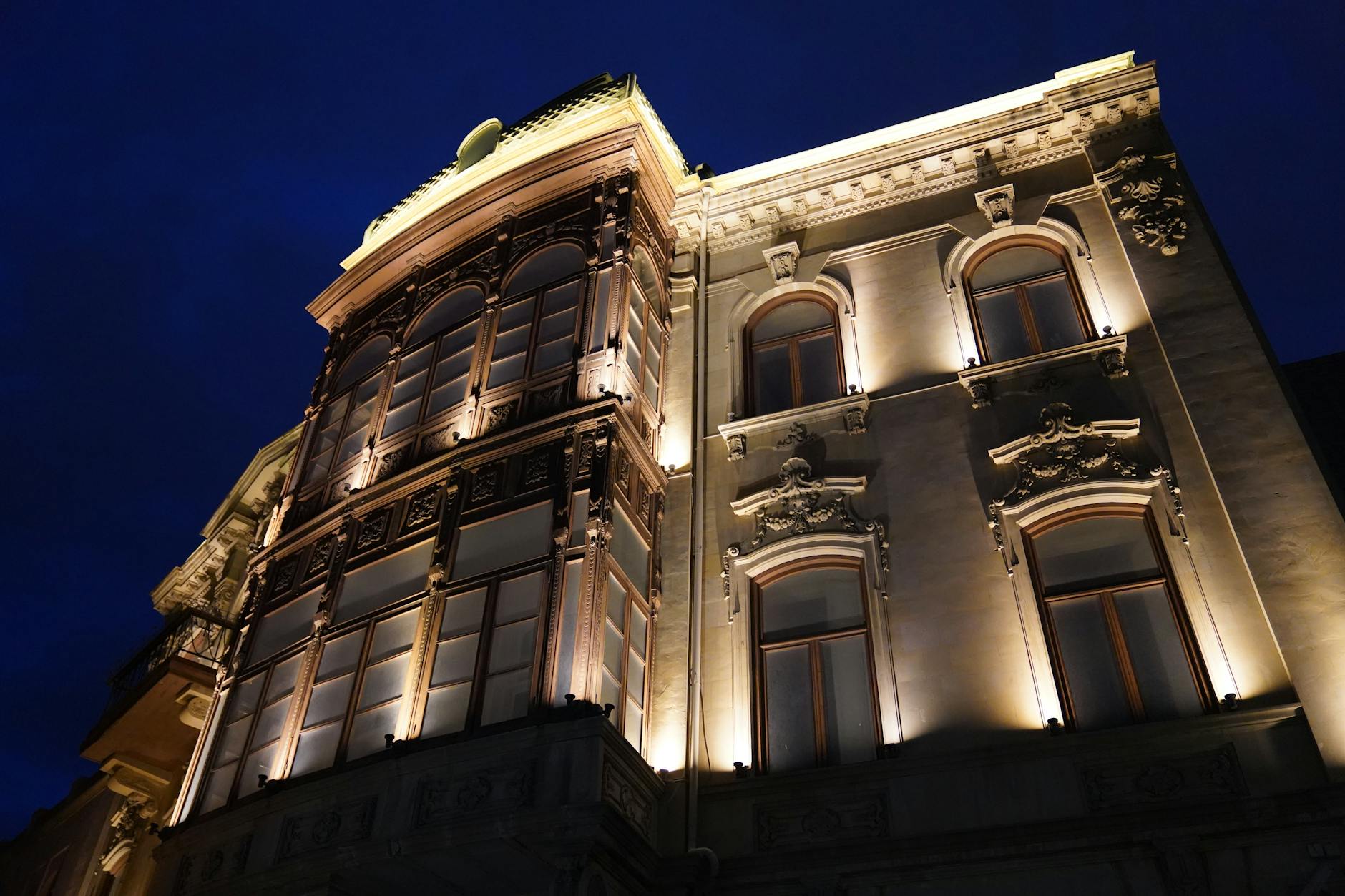
Many of the architectural wonders in the city have witnessed decades—if not centuries—of change. The insights they hold are magnified under the glow of artificial light. As I made my way to the historical district, the remnants of the past stood resilient against the modernity surrounding them. An old brick warehouse, now converted into trendy lofts, shone with a rustic charm under the delicate illumination of street lamps. The light seemed to caress its surfaces, emphasizing the textures of time-worn bricks while casting nostalgic shadows on the pavement.
It is in these moments that one can almost hear the whispers of history. Buildings that once served specific purposes—markets, factories, or homes—now adapt to the needs of a contemporary populace. This reflection of history through architecture is not only a visual feast but also a reminder of the stories encapsulated within each structure. The evening light allows these tales to surface, inviting us to engage with the past while we navigate the present.
The Modern Marvels
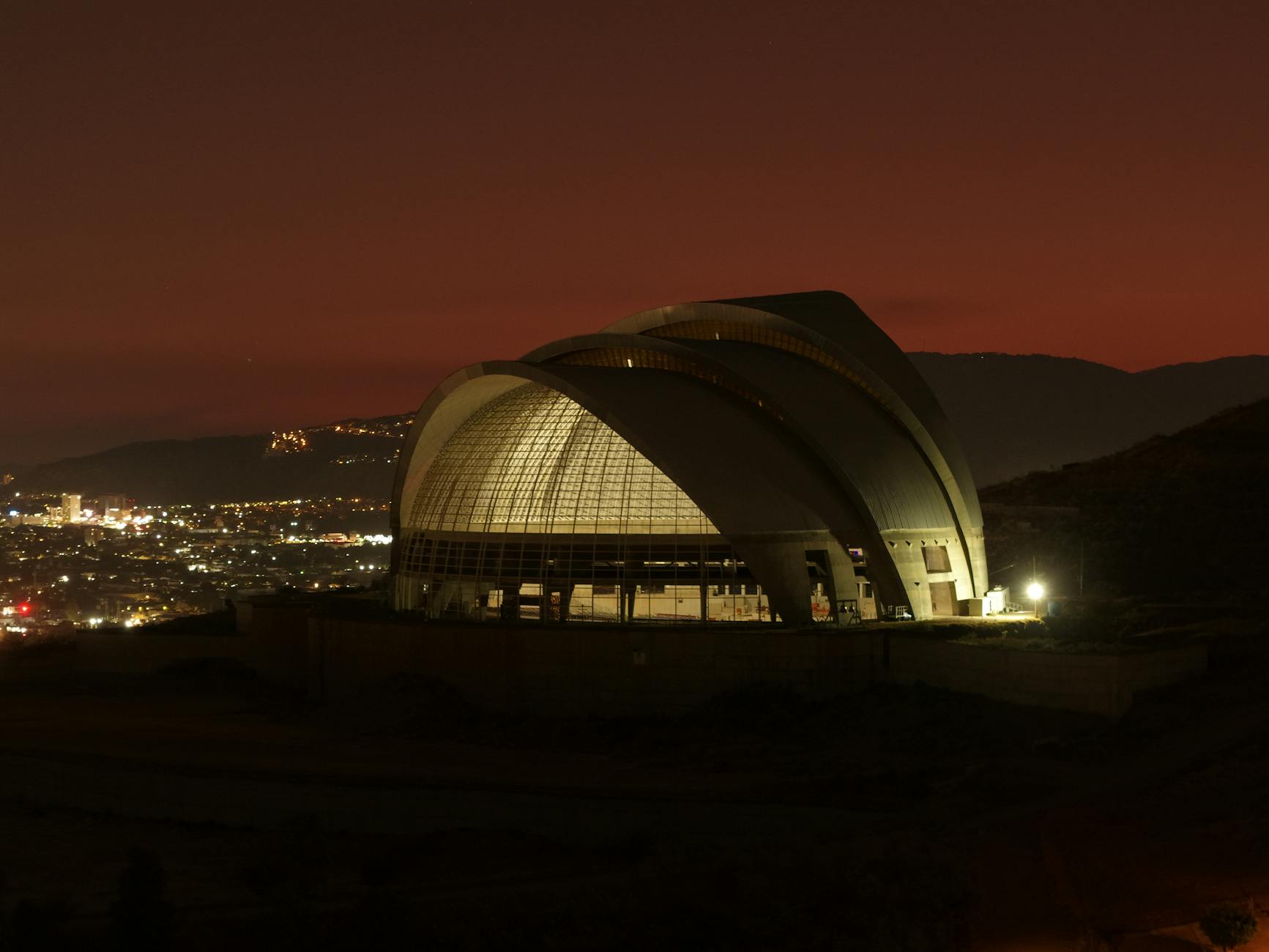
While history provides a foundation, modern architecture represents innovation and audacity. Skyscrapers that punch through the clouds challenge traditional notions of form and function. Each innovative design seems to interact with light in its unique way, creating a spectacle of reflections and shadows. One of the most notable buildings I encountered that evening featured a curved glass exterior that appeared to ripple as it caught the city’s lights—an encounter of architecture and art.
The vibrant energy of the city flows through these structures, giving them a sense of life. The lights do not merely illuminate but also breathe vitality into the designs, making them pulsate with the rhythm of urban life. Standing at the base of one such architectural marvel, I couldn’t help but feel the vibrations of the city—people bustling, cars honking, and the faint echoes of laughter. The building, bathed in hues that changed with the flickering of streetlights, seemed to embody the spirit of the city itself.
The Emotional Landscape of City Nights
As I continued my journey through this urban labyrinth, I began to notice how the architecture affected the emotional landscape of the night. Each block I turned offered not just a new view but a shift in mood. A well-lit park, surrounded by art deco buildings, provided a serene retreat from the frenetic energy of the streets. Couples strolled hand in hand beneath the soft glow of lanterns, their laughter echoing through the air as the lights danced upon the nearby fountain.
The juxtaposition of the bright city lights with the calm serenity of the park revealed how architecture shapes human experience. The contrast between bustling streets and quiet corners influences our emotions, creating spaces for reflection amid chaos. These diverse environments, illuminated in the night, remind us that amidst the concrete jungle, a sense of peace and comfort can be found.
Experiencing the Night Through Architecture
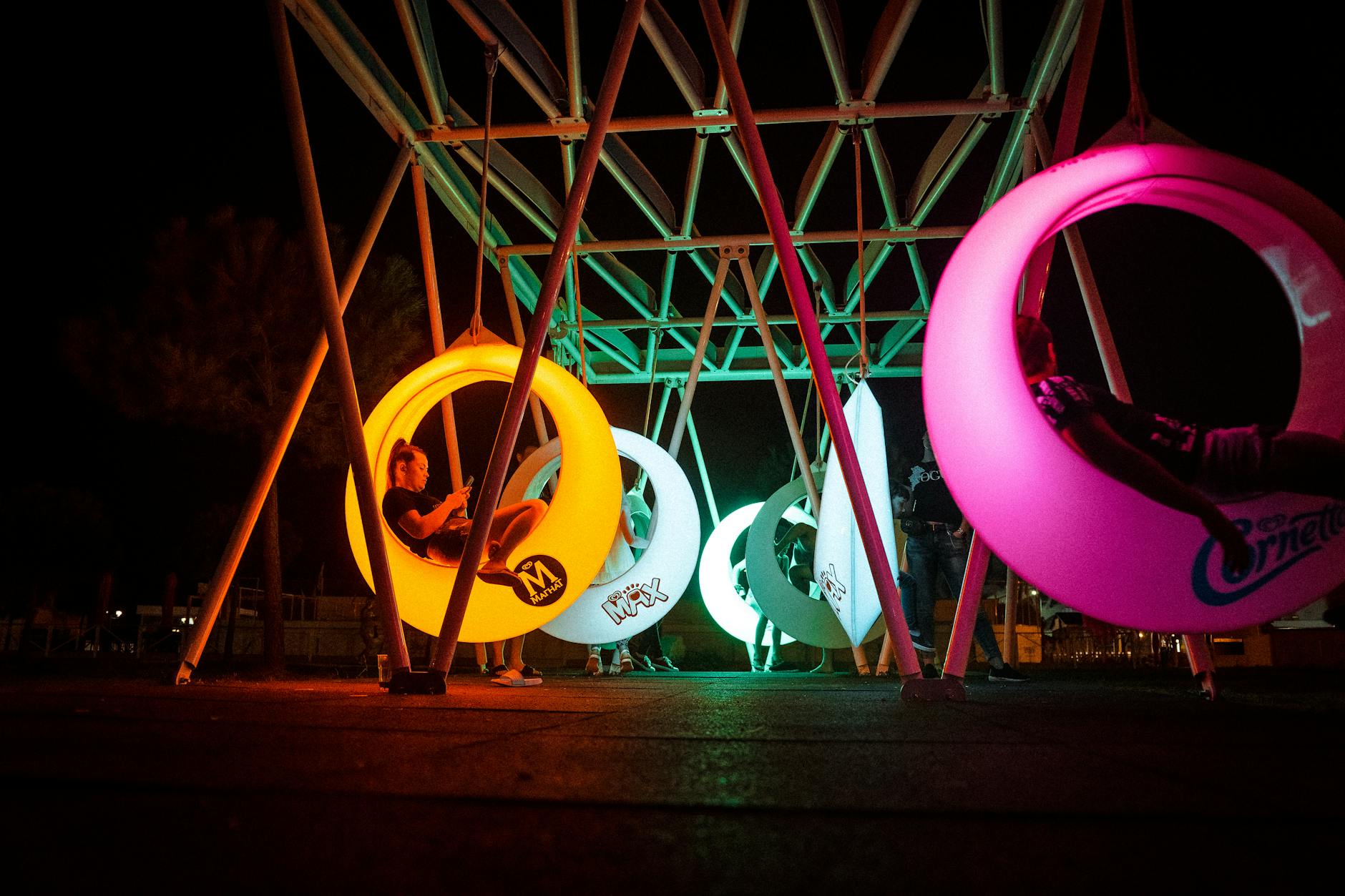
The evening I watched the city lights reflecting upon its architecture was not merely an aesthetic experience, but a deep and resonant exploration of narratives interwoven within the urban fabric. Each building is a chapter in a story that is continually being written, evolving as we engage with it. The transformative power of nightfall allows us to perceive our environments differently and infuses our daily lives with a sense of wonder and discovery.
In essence, the lights do more than illuminate our pathways—they reveal the character of a city, inviting us to forge connections with the places we inhabit. As I looked up at the skyline, illuminated like a vast tapestry, I was reminded of the beauty inherent in diversity—of architecture and of people. The city, in all its complexity, was alive in the dark, and so was I, a part of this vibrant story.
As I concluded my evening stroll, one thing was evidently clear: the reflections of city lights on architecture serve not just as a reminder of how we build our environments but also of how these spaces define and enrich our shared human experience.