
Travel often serves as a catalyst for change, igniting new perspectives and reshaping old beliefs. For me, a train ride through the breathtaking Alps was not just a journey through stunning landscapes; it was an exploration of architecture’s relationship with nature, culture, and technology. This experience illuminated how crucial context is in shaping the built environment and profoundly impacted my understanding of architectural design.
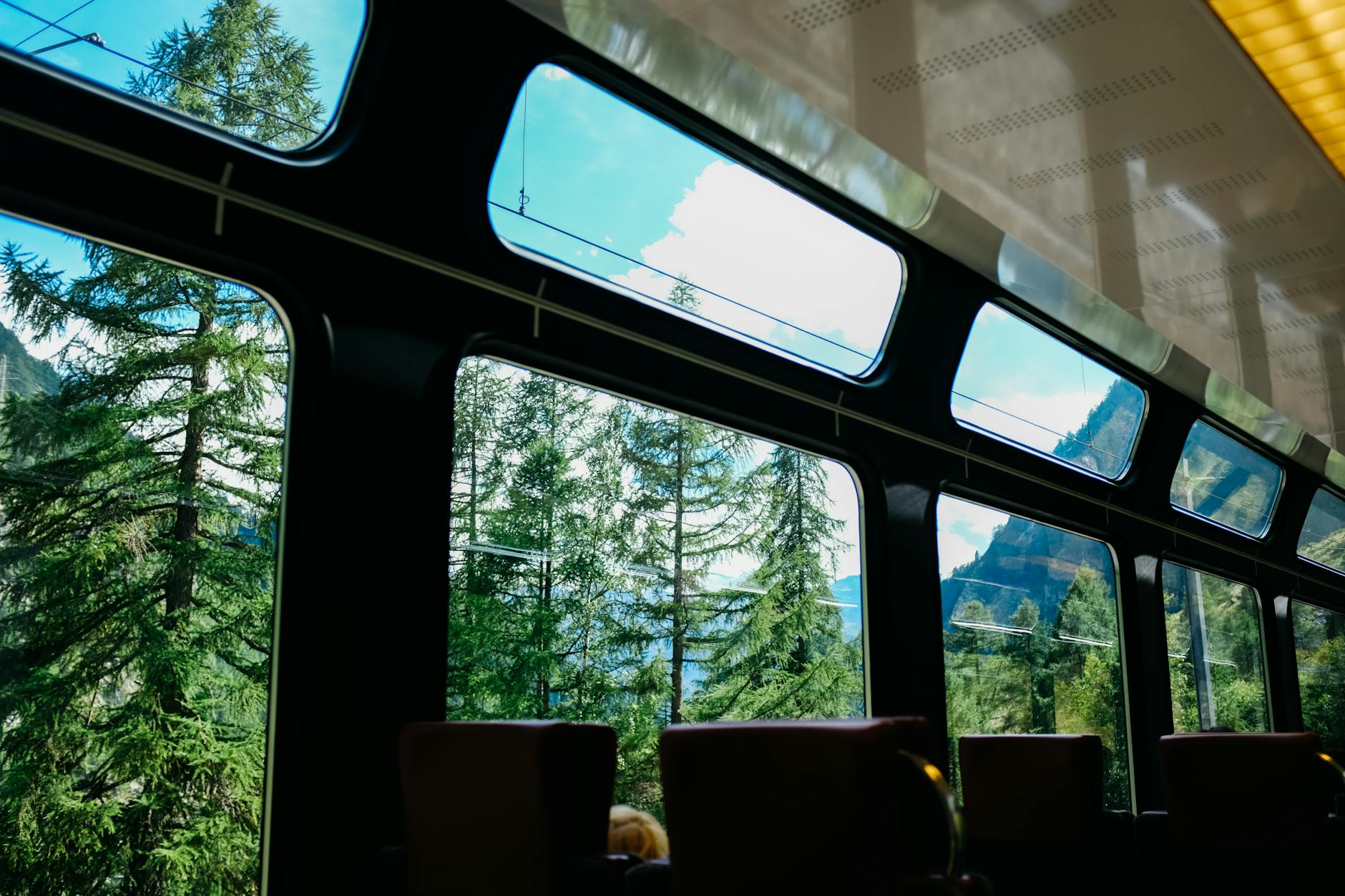
The Scenic Journey: A Prelude to Discovery
As the train ascended, the landscape transformed before my eyes—from verdant valleys to majestic snow-covered peaks. Each turn of the railroad revealed quaint villages nestled against the mountains, their houses adorned with intricate wooden carvings and vibrant flower boxes. This picturesque view prompted me to reflect on the architectural styles that flourished in such a unique environment.
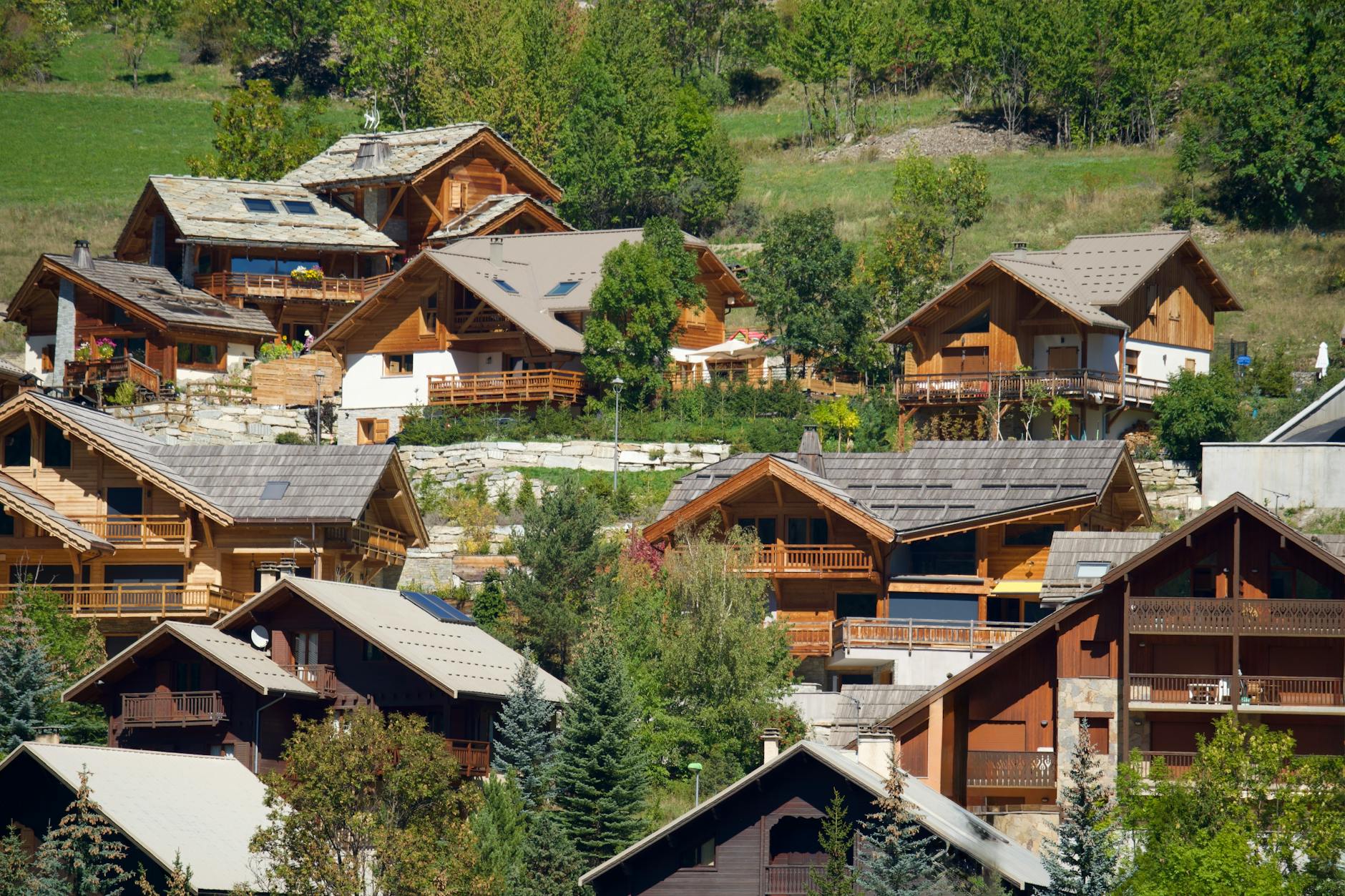
The local architecture seemed to echo the region’s rich heritage and climate. For instance, the steeply pitched roofs of Alpine houses are not merely aesthetic choices; they are practical solutions to heavy snowfall. This intricate dance between functionality and beauty became increasingly evident as I observed the varying styles across Switzerland, Austria, and northern Italy. The region’s architecture harmonized with its natural environment, creating a cohesive story that transcended time and place.
Humanity’s Reflection on Nature
What struck me most during this journey was how architecture serves as a reflection of humanity’s relationship with nature. The modern, minimalistic designs of contemporary Alpine resorts contrasted sharply with the rustic buildings of centuries past. While the modern structures aimed to offer luxurious amenities, their glass facades and sharp lines often clashed with the organic forms of the mountains.
“Architecture should speak of its time and place, but yearn for timelessness.” – Frank Gehry
This quote resonated with me as I witnessed how historical architecture spoke to the values, technologies, and materials available at the time it was built. The wooden chalets, with their sturdy constructions, were designed to weather both the tempestuous winters and the changing cultural tides, providing shelter and community. In contrast, modern designs, while innovative and often breathtaking, sometimes lack the soul and connection to the land that characterized their predecessors.
The Role of Sustainability in Alpine Architecture
Sustainability emerged as another critical theme during my journey. Observing how local architecture adapted to the rigors of Alpine life led me to consider the environmental impact of building practices. Many traditional houses were built using locally sourced materials, requiring minimal transportation and energy. In contrast, many modern structures, while aesthetically stunning, often rely on distant resources and complex manufacturing processes.
As the world moves toward more sustainable practices, the Alps serve as a poignant reminder of the importance of context, culture, and history. Buildings should not only serve the immediate needs of their inhabitants but should also reflect a broader understanding of environmental stewardship and responsibility. Sustainable architecture is not merely about using eco-friendly materials; it also involves honoring the traditions and landscapes that define a region.
Urban and Rural Landscapes: A Study in Contrast
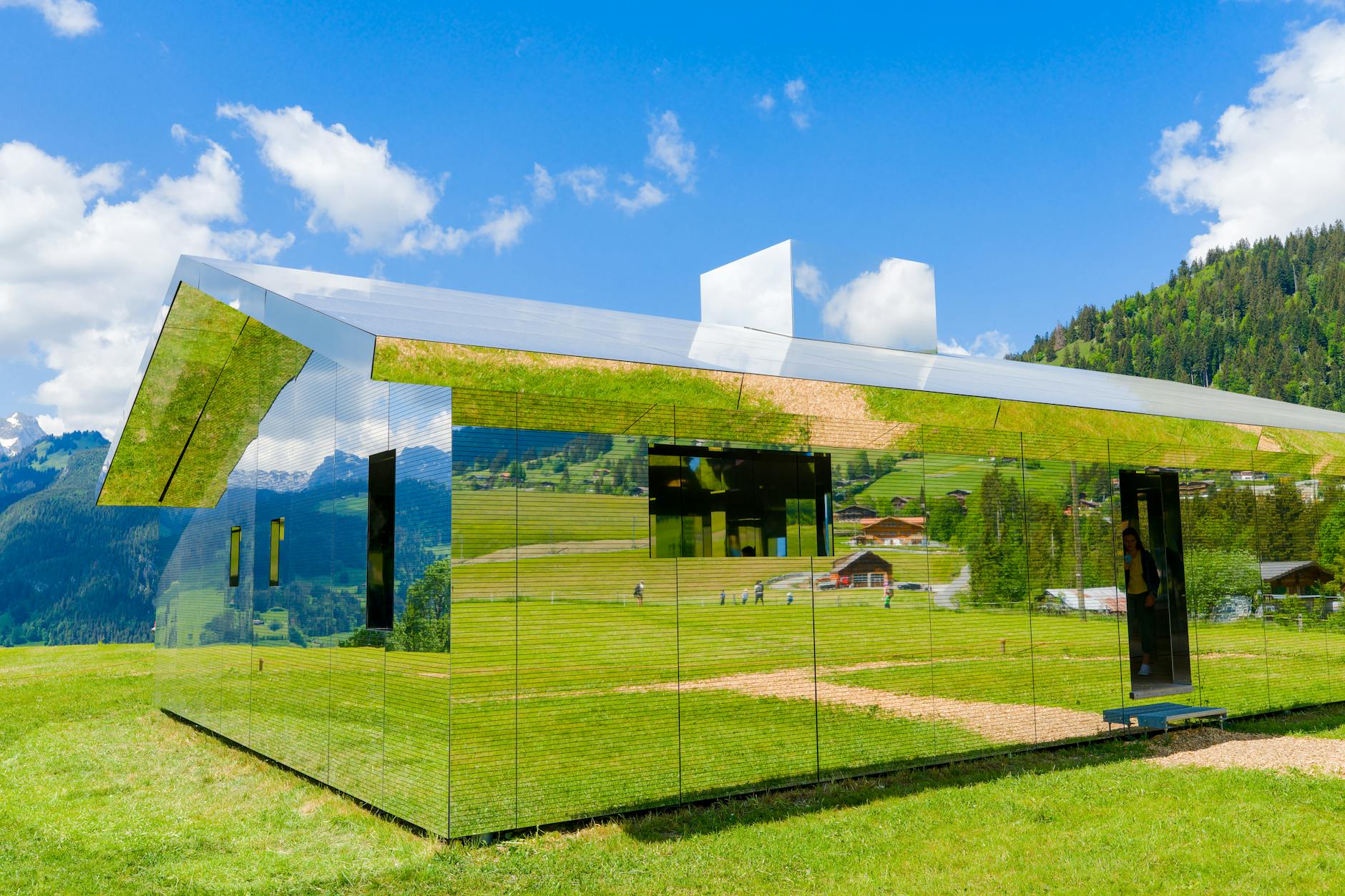
The contrast between urban and rural architectural forms in the Alps is striking. In cities like Innsbruck and Geneva, modern buildings with sleek designs dominate the skyline. Yet, just outside these urban centers, the landscape shifts to reveal charming hamlets characterized by traditional forms. This juxtaposition sparked my curiosity about how architecture interacts with the forces at play in urbanization.
In urban environments, where space is at a premium, architects face the challenge of creating buildings that are not only functional but also visually appealing. The result can be a disjointed experience, where towering structures overshadow historical landmarks. However, in rural settings, architecture can take on a more organic form, allowing for designs that integrate seamlessly with the environment and local culture. This contrast prompted me to consider how the essence of a place can be diluted when modernization is prioritized over context.
Lessons Learned on the Tracks
As my train journey wound down and I neared my destination, I reflected on the multitude of lessons I had gleaned through the lens of architecture. The Alps had given me insight into the profound relationship between the built environment and its natural, cultural, and historical contexts. What I once perceived as simple structures—houses, hotels, ski resorts—became complex narratives reflecting human ingenuity and adaptability.
“The best architecture tells a story.” – Zaha Hadid
This journey underscored the importance of storytelling in architecture. Every building has a tale to tell—of the people who built it, the resources used, the challenges faced, and the beauty woven into each structural detail. The Alps, in all their grandeur, serve as a canvas on which these stories are intricately painted.
Ultimately, my train ride through the Alps was more than a physical journey; it was a trip into the past, an exploration of the future, and a deep dive into the essence of architecture itself. It redefined my understanding of what constitutes meaningful design and the crucial role it plays in our connection to both nature and each other.
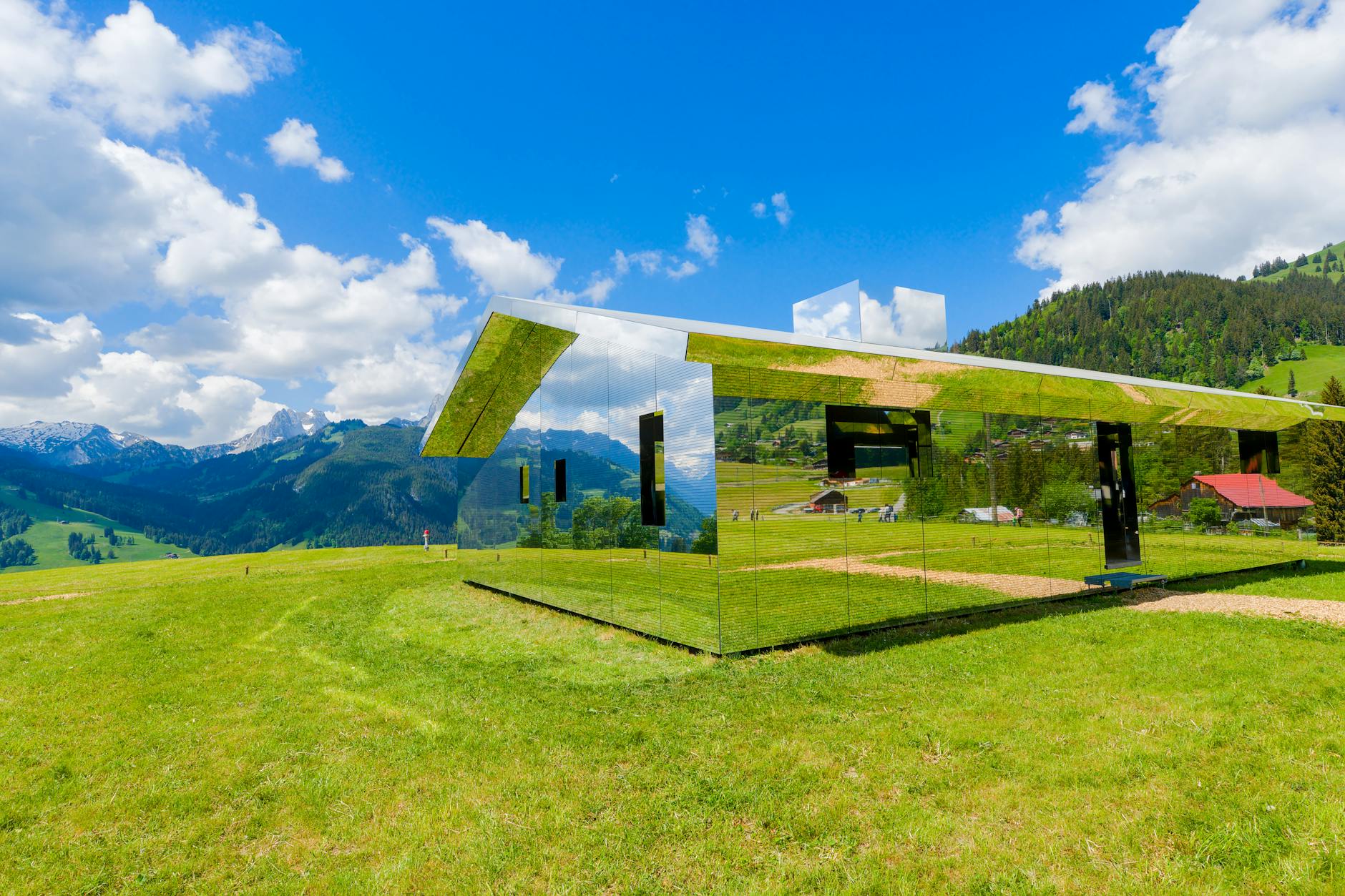
In retrospect, this train ride was more than a scenic adventure; it was a transformative experience that forever altered my perspective on architecture. It reaffirmed my belief that the built environment should resonate with its surroundings, respect its history, and serve as a bridge between humanity and nature. This is the legacy of architecture that we must strive for as we move forward, one conscious design at a time.