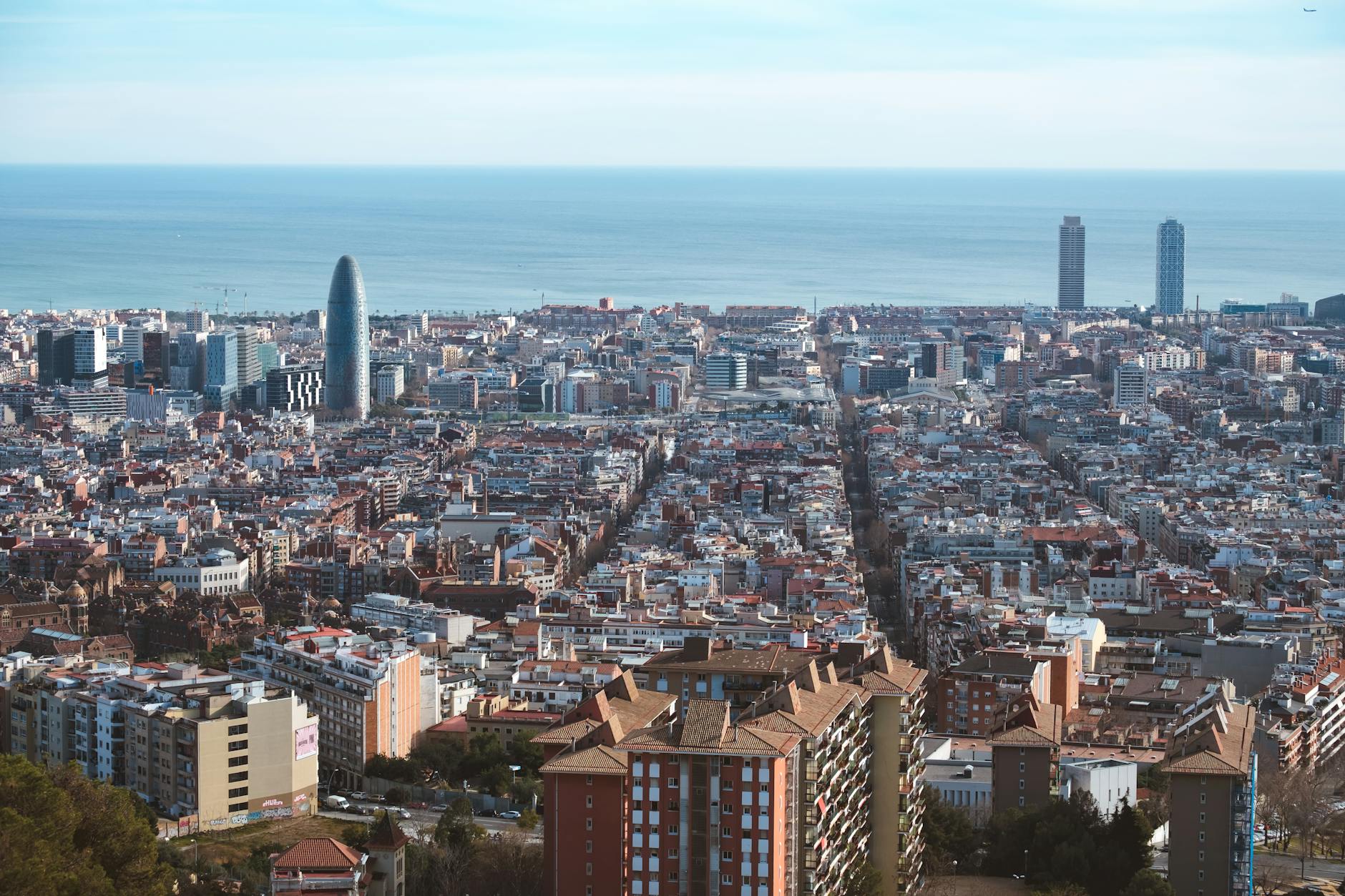
Architecture isn’t just about buildings; it reflects the culture, history, and aspirations of a city. Each facet of design—be it a park, a high-rise, or a historical monument—tells a story, forming an intricate tapestry that binds the inhabitants to their environment. My personal moment of connection to a city through its design unfolded in the streets of Barcelona, where every corner invited exploration and made me contemplate the essence of urban living.
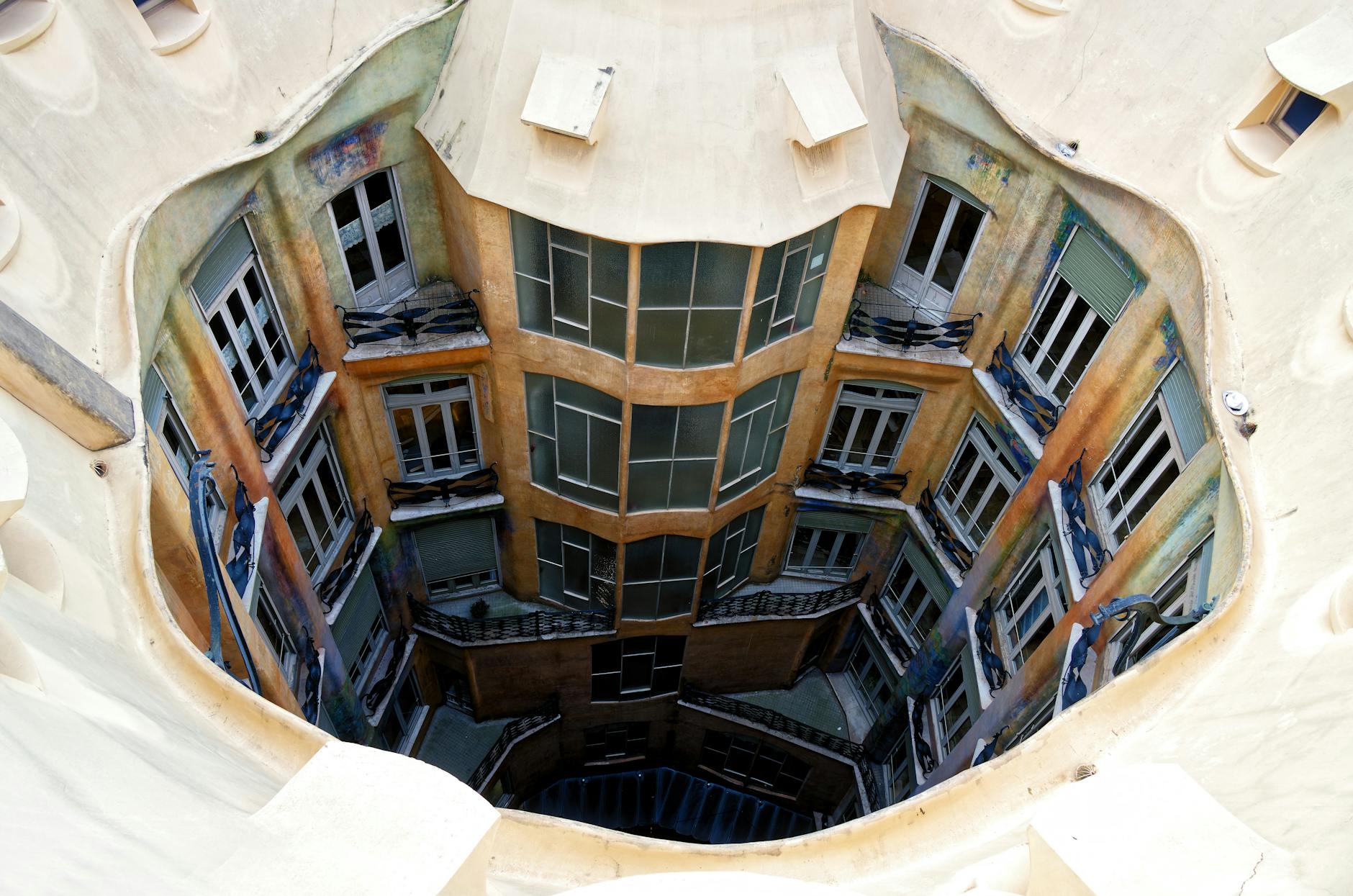
Experiencing the Charm of Urban Design
Barcelona is renowned for its rich architectural history, characterized largely by the works of Antoni Gaudí. Walking through the streets of the Eixample district, I was struck by the harmonious blend of modernity and tradition. The grid-like layout, designed by Ildefons Cerdà in the 19th century, allows for an easy exploration of the city, sprinkled with lush gardens, wide boulevards, and eye-catching façades. Unlike the chaotic nature of many urban centers, the design of this area promotes a sense of order and comfort.
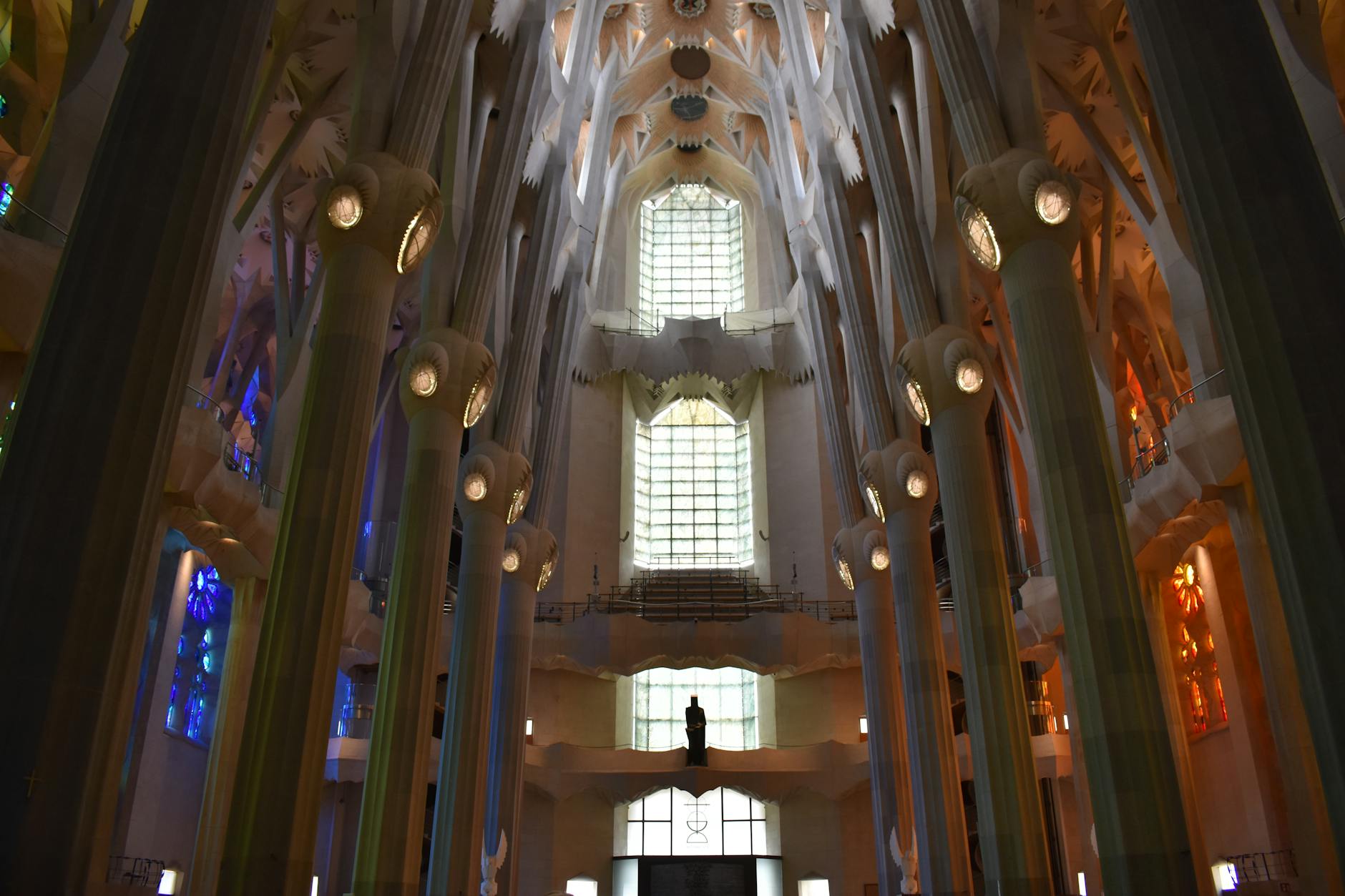
The first stop on my journey was the iconic Sagrada Familia. As I approached the basilica, the towering spires seemed to reach out towards the heavens, crafting a dialogue between earth and sky. The intricate details—both on the interior and exterior—served as a visual feast. Gaudí’s use of natural forms inspired me to ponder the relationship between the city and its environment. The soft play of light through the stained glass windows created a kaleidoscope of colors that danced across the stone floor, making the space feel alive. In that moment, I felt a deep connection not only to the design but also to the artistry and dedication that had gone into creating such a masterpiece.
The Power of Public Spaces
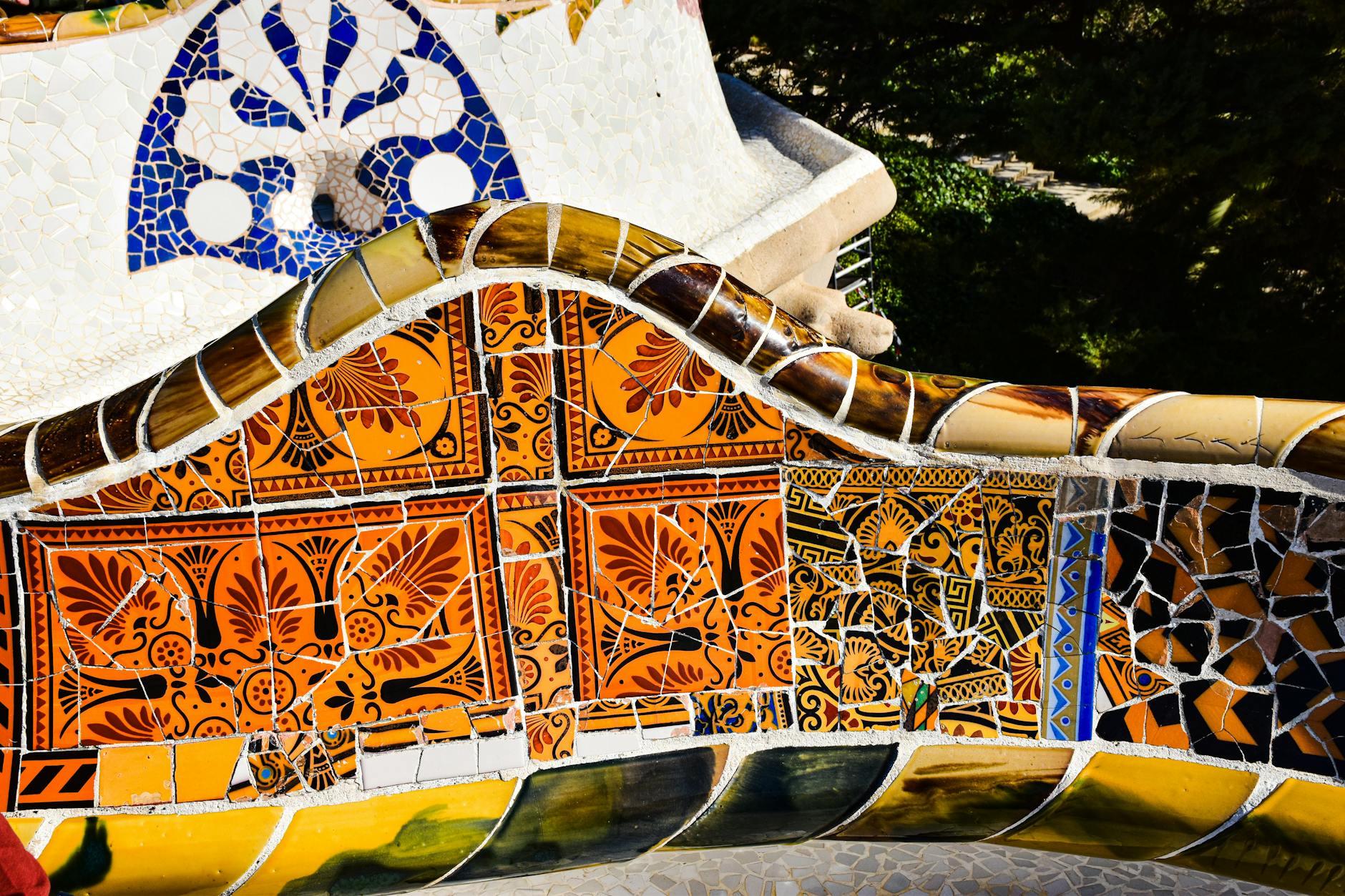
Moving beyond individual landmarks, I ventured into the vibrant public spaces that punctuate Barcelona’s cityscape. Places like Parc Güell and Plaça de Catalunya embody the essence of community, inviting residents and tourists alike to engage with their surroundings. Parc Güell, another of Gaudí’s creations, is a testament to how design can foster community interaction. The mosaic-covered benches and whimsical structures are not merely aesthetically pleasing; they encourage people to gather, converse, and unwind amidst nature. It was here, surrounded by laughter and music, that I realized how urban design influences social behavior. A well-designed space can transform how people interact with one another and foster a sense of belonging.
In contrast, Plaça de Catalunya presents a different yet equally compelling narrative. The bustling square serves as a transit hub and a meeting point, embodying the vibrant pulse of the city. The surrounding architecture, a mix of neoclassical and modern styles, creates a dynamic backdrop that enhances the energy of the space. As I watched people rush by, lost in their own worlds, I felt a profound sense of connectedness to the city’s rhythm. The design of public spaces in Barcelona—both in their aesthetics and functionality—formed an intricate network that pulled me in, making me feel like an integral part of the urban narrative.
Integration of Nature and Urban Living
The thoughtful integration of green spaces within the urban fabric is another aspect of Barcelona’s design that deeply resonated with me. The city masterfully incorporates nature into its landscape, enhancing the quality of life for its inhabitants. The presence of parks, tree-lined streets, and open-air markets reflects a commitment to creating a livable environment. The smell of fresh flowers mixed with the aroma of local cuisine was intoxicating as I strolled through La Boqueria, the famous market. Designed to be both functional and inviting, it provides a sensory experience that celebrates local culture and community. Observing the interaction between nature and design made me reflect on how cities can prioritize environmental harmony.
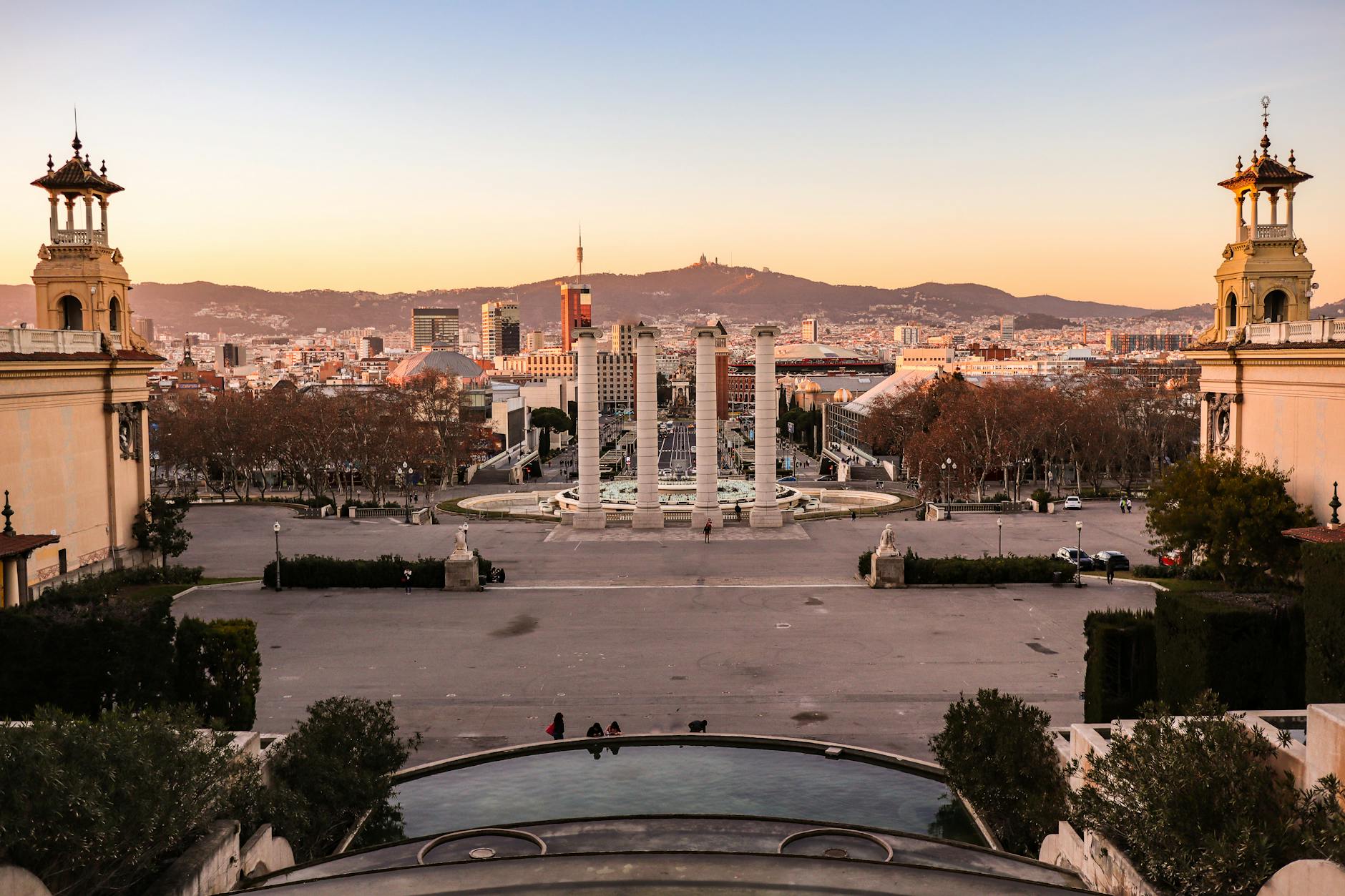
One enlightening moment occurred as I sat in the lush greenery of Montjuïc Park, overlooking the city. The hill is dotted with gardens, fountains, and historical monuments, creating a sanctuary away from the hustle and bustle of urban life. It was in this peaceful setting that I felt the city’s energy transform. The seamless blend of natural elements with architectural prowess encapsulated the spirit of Barcelona—where the past is preserved, and the future is embraced. It served as a poignant reminder that design can influence our experiences, shaping how we connect with our surroundings.
Reflections on Urban Identity
The moment I stood atop the Bunker del Carmel, overlooking the sprawling city, it became clear that I was not merely an observer but an active participant in Barcelona’s vibrant story. The intertwining of architecture, public spaces, and nature highlighted how design could encapsulate a city’s identity, bringing together diverse communities and fostering a sense of belonging. Each building, park, and plaza contributed to the narrative of a city that celebrates its heritage while continually adapting to the modern age.
As I departed Barcelona, I carried with me not just memories of its stunning design but a deeper understanding of how architecture influences human connection. It became evident that design is not an isolated endeavor; it is a collective experience that shapes our perceptions of the world. Whether through the awe-inspiring heights of its buildings or the welcoming charm of its parks, Barcelona illustrated the power of urban design in weaving a cohesive urban identity.
In conclusion, my moment of connection to Barcelona through its design left me with an appreciation for how cities can be sculpted to enhance our experiences and foster a sense of community. It is a reminder that every city has its unique language of design, waiting to be discovered, understood, and cherished by those who walk its streets.