
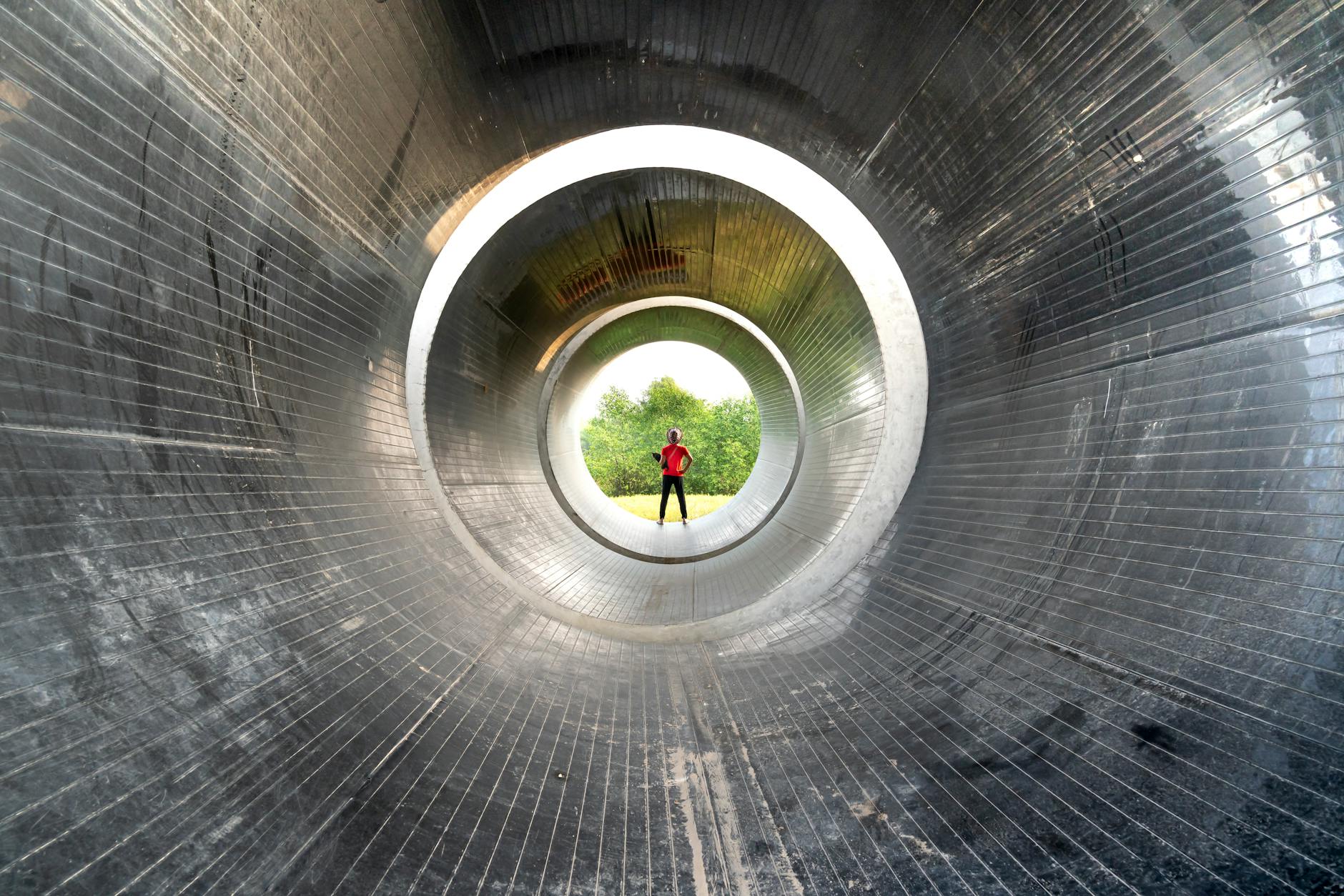
Imagine stumbling upon a hidden tunnel in the heart of your city—a place where history, community, and practicality intertwine. As I navigated through a maze of brick and stone beneath the bustling streets, I was struck not only by the charm of this subterranean space but also by the incredible potential it holds for modern interior design. These tunnels, long forgotten by many, serve as conduits for locals and can inspire unique design solutions that bridge the gap between the old and the new.
The History Behind the Tunnels
The hidden tunnels I discovered have a rich history that dates back centuries. Originally constructed for various purposes, including transportation and utility access, these underground pathways have become integral to the fabric of local life. In many cities, tunnels provided crucial routes for merchants, transporting goods away from the hustle and bustle of the streets above. Over time, these once practical spaces fell into obscurity as modern infrastructure took precedence.
Yet, today, whispers of their existence remain, with locals continuing to utilize these tunnels for daily commutes, shortcuts, and even as meeting points. This blend of history and functionality transforms these spaces into a fascinating subject for exploration—not just as remnants of the past but as potential canvases for innovative interior design. The visual allure of arched ceilings, exposed brick walls, and dim lighting creates a mood that is both mysterious and inviting.
Transforming Spaces: Design Ideas Inspired by the Tunnels
So, how can we draw inspiration from these hidden tunnels to design modern interiors? Here are a few key design concepts that embrace the spirit of these forgotten paths:
- Exposed Elements: One of the most striking features of the tunnels is the raw, unrefined look of exposed brick and natural materials. Emulating this in home interiors can create a rugged yet warm atmosphere. Consider using reclaimed brick walls or rough-hewn wood beams in your living space to echo the authenticity of these tunnels.
- Lighting as a Feature: The light in the tunnels is often soft and atmospheric, not harsh or glaring. Incorporating similar lighting techniques in your design can enhance the coziness of a space. Think about using vintage-style light fixtures with warm bulbs, strategically placed to cast intriguing shadows and add depth to a room.
- Arched Doorways and Ceilings: The iconic arches found within these tunnels can inspire architectural elements in your home. Curved door frames, rounded windows, and arch-shape niches can create visual interest and add a touch of elegance to modern design.
- Shades of Earth: The colors in the tunnels are reflective of their natural materials—warm browns, cool grays, and soft greens. Choose a color palette that captures this essence; consider earthy tones for walls and furnishings, which can make your home feel more connected to nature.
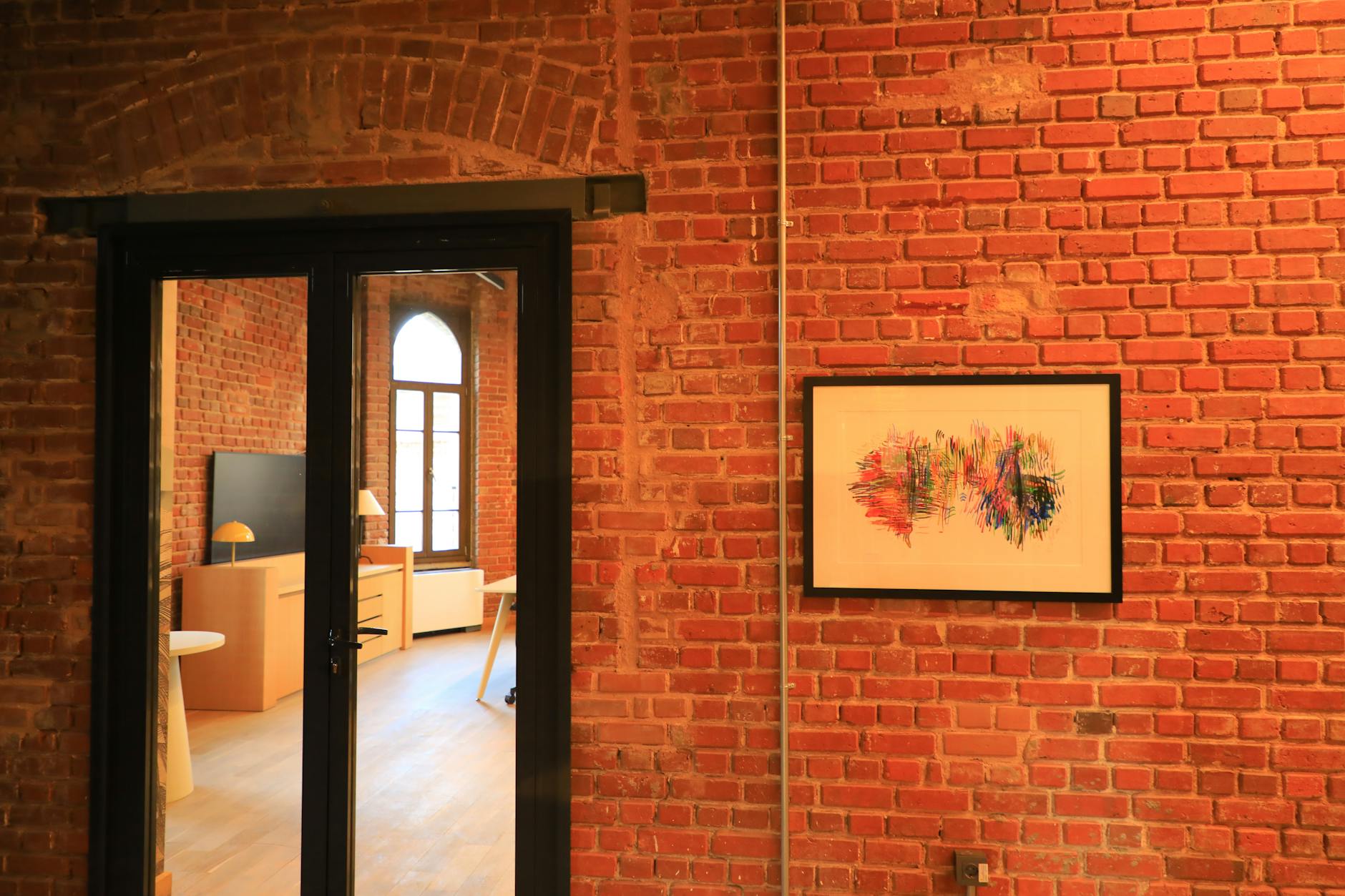
By infusing these elements into your home, you can embrace the spirit of the hidden tunnels while crafting a space that feels contemporary and inviting. Moreover, utilizing local craftspeople who specialize in these materials can enhance the overall authenticity of your design.
The Community Connection: Tunnels as Modern Gathering Spaces
The hidden tunnels, while serving a utilitarian purpose, also have the potential to become vibrant gathering spaces for contemporary communities. As urban areas become increasingly congested, the need for accessible communal areas has never been more pronounced. Transforming sections of these tunnels into pop-up markets, art exhibits, or performance venues could breathe new life into these historic pathways, attracting locals and tourists alike.
Imagine hosting an underground farmers’ market, where fresh produce lines the stone walls, illuminated by soft hanging lights. Or think of an art gallery showcasing local talent, with the textured walls serving as a backdrop for vibrant contemporary pieces. The juxtaposition of raw, historical elements with lively, modern activities creates a unique atmosphere that is both nostalgic and forward-thinking.
“Spaces that once served a functional purpose can be reimagined to foster community interaction and connection. The hidden tunnels offer a blank canvas filled with potential.”
— Local Historian
These ideas not only promote community engagement but also highlight the importance of preserving historical spaces in a rapidly changing urban environment. By integrating functional and aesthetic design elements, we can honor the past while creating spaces that resonate with today’s lifestyle.
Preservation Efforts and Design Responsibility
While the allure of redesigning these tunnels is undeniable, it is essential to approach such projects with a sense of responsibility toward preservation. The history embedded in the walls of these tunnels tells a story that should not be lost. Collaborating with historians and preservationists can help ensure that any redesign respects the integrity of the original structure.
Incorporating sustainable practices into the design process is crucial. This could include utilizing eco-friendly materials, ensuring proper ventilation, and maintaining the natural aesthetic of the tunnels. Sustainable design not only benefits the environment but also enhances the overall appeal of these revived spaces, making them attractive destinations for a new generation.
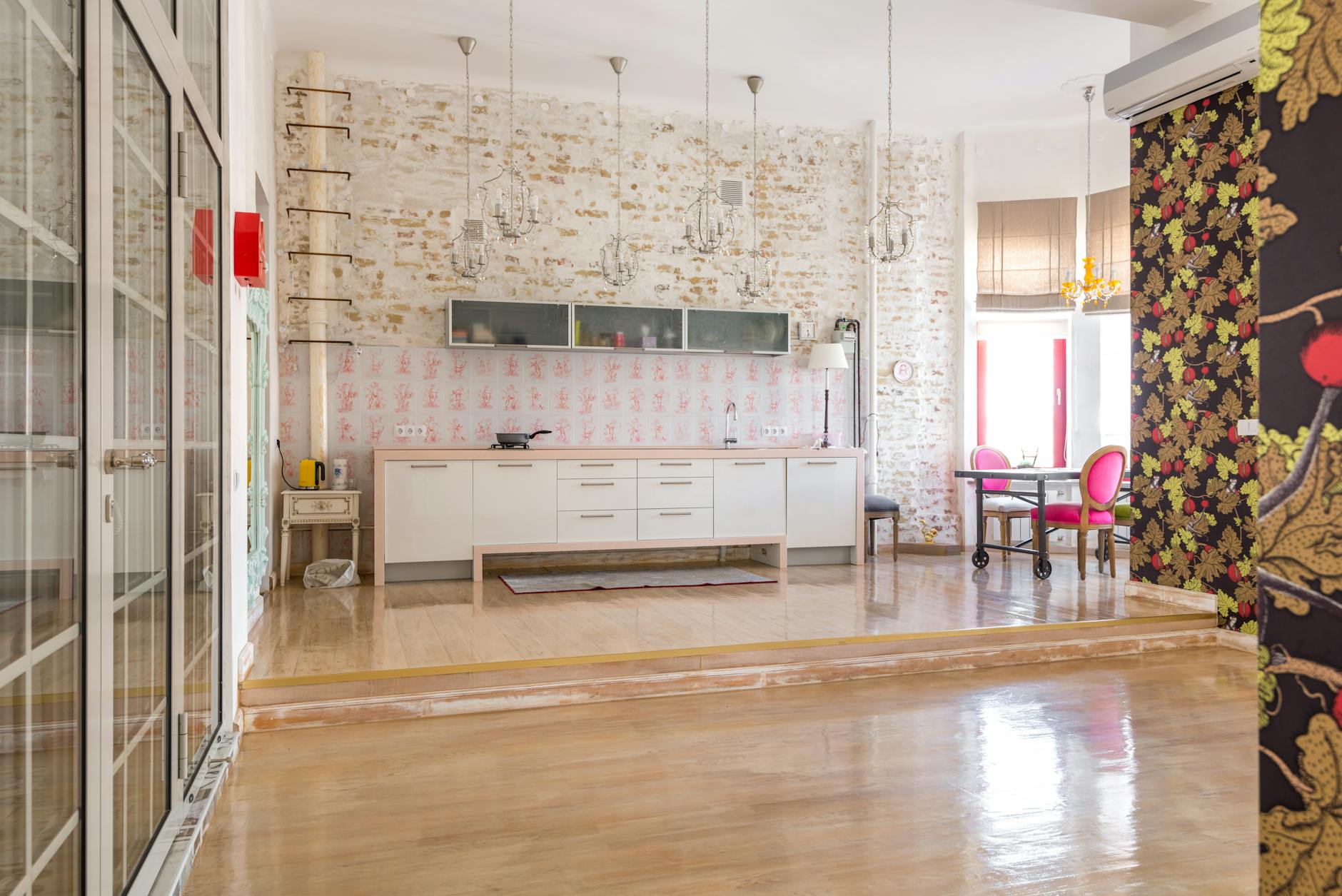
By merging historical sensitivity with modern design principles, we can create spaces that serve both the community and the environment. The hidden tunnels beneath our cities are not just relics; they are opportunities for innovation and revitalization in urban design.
Conclusion: A Tactile Experience in Urban Design
As I emerged from the hidden tunnels, I couldn’t help but envision the possibilities that lie beneath our feet. These spaces encapsulate stories of the past, and through thoughtful design, they can evolve into vibrant areas that embody community spirit and innovation. Whether it’s through embracing the natural elements found in these tunnels or repurposing them for modern use, the intersection of history and design holds boundless potential. Rediscovering these hidden tunnels invites us to reimagine our living spaces in more meaningful ways, crafting homes that resonate with both timeless charm and contemporary flair.