
In a world inundated with polished images and curated aesthetics, true beauty often lurks in less expected places. Recently, I found myself wandering down a quaint street, tucked away in a forgotten corner of a vibrant city. This street, with its eclectic mix of colors, textures, and human stories, challenged my preconceived notions of beauty and opened my eyes to a new design philosophy.
The Unexpected Charm of Imperfection
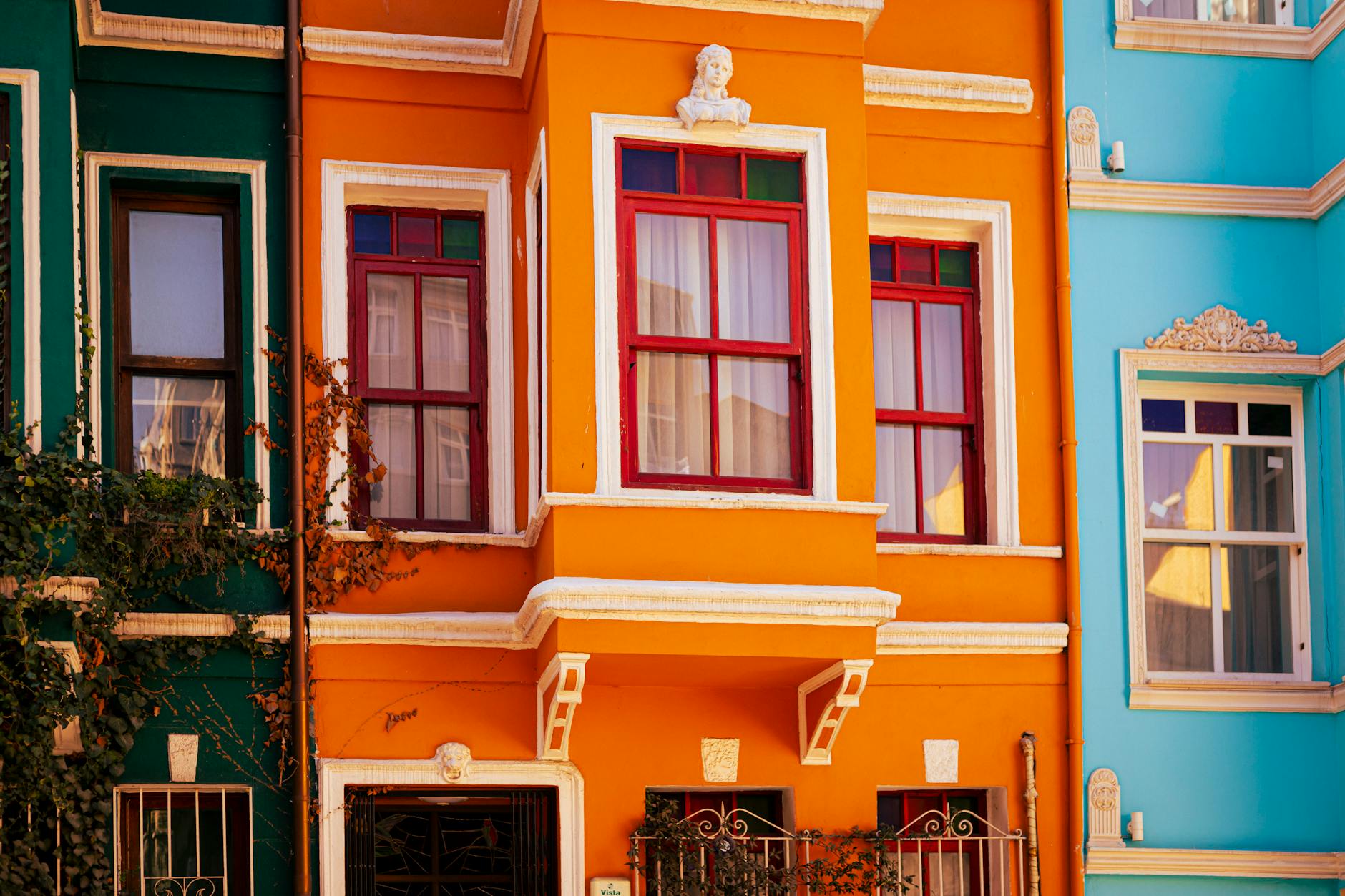
Beauty, I have learned, does not always conform to the ideals we often find in magazines and social media. As I walked down this street, I noticed the blend of architectural styles—some buildings were centuries old, while others were modern interpretations. The uneven cobblestones beneath my feet told tales of countless footsteps, a testament to the street’s rich history.
What struck me most was how the imperfections of the buildings enhanced their character. A crumbling façade complemented a vibrant mural, creating a compelling visual dialogue. Where one might normally see neglect, I saw an invitation to appreciate the passage of time. This fusion of the old and the new, the well-maintained and the worn, illuminated a crucial aspect of design: imperfection can be profoundly beautiful.
In our quest for flawless aesthetics, we often overlook the organic beauty that arises from time, wear, and weather. This street challenged me to embrace the idea that true beauty often reflects the imperfect human experience, reminding us that our environments can be a canvas for stories and emotions.
Every Corner Tells a Story
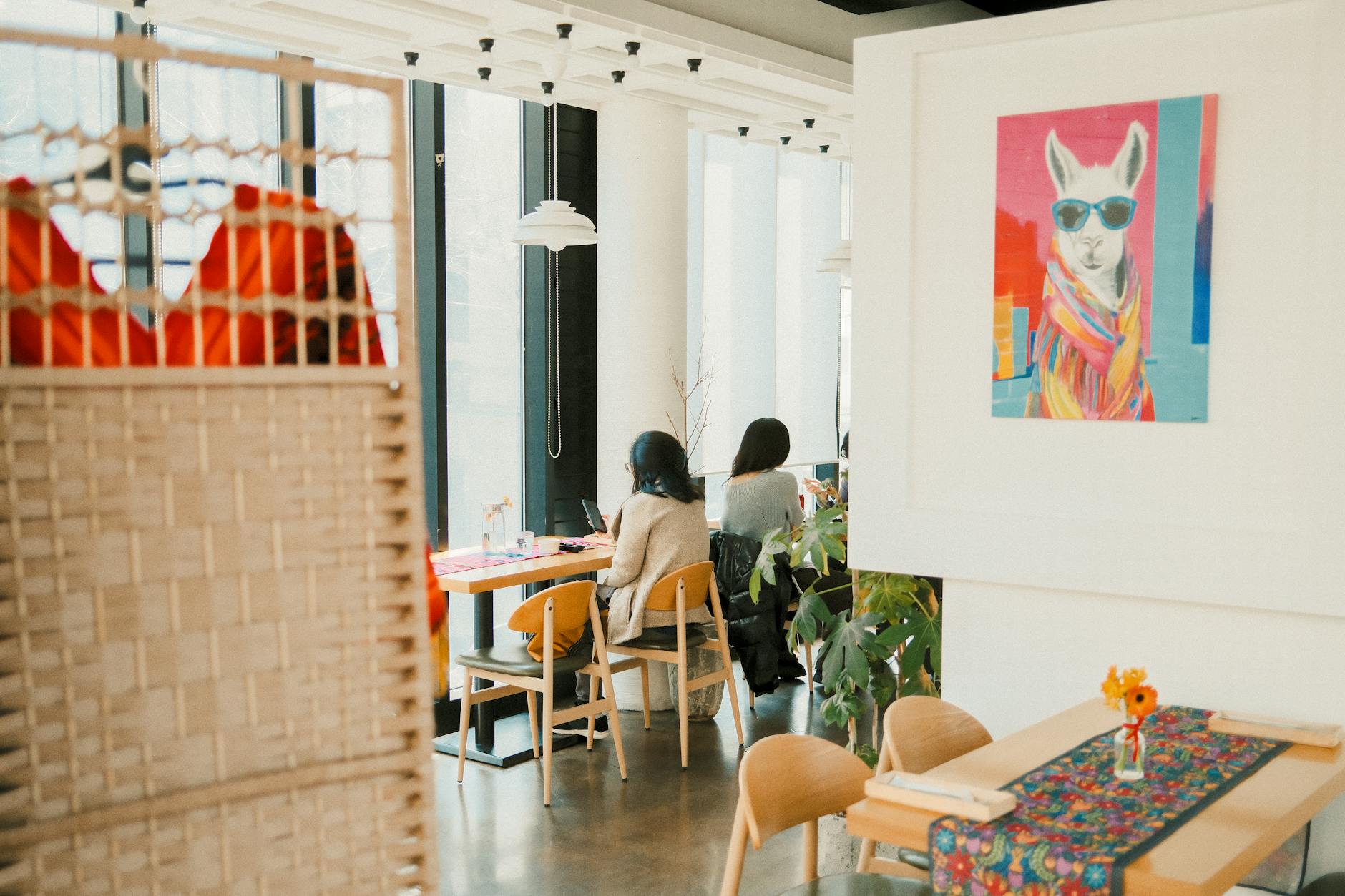
As I meandered along the street, I realized that every corner presented a new narrative waiting to be uncovered. Small cafés spilled out onto the sidewalks, their wrought-iron chairs occupied by patrons deep in conversation. Each establishment had its own charm, from the rustic wooden tables adorned with potted plants to the mismatched dishware. These elements contributed to a sense of community that felt both inviting and authentic.
One particular café, with its open-air design, was decorated with a vibrant array of local artwork. The owner, an elderly gentleman, shared the stories behind each piece, revealing a rich tapestry of local culture. I found beauty not only in the artwork itself but also in the connections forged through shared experiences. The street thrived on this spirit of togetherness, where neighborhoods came alive through the simple act of gathering.
This experience sparked a realization: beauty can be found in shared stories and connections between people. Designing spaces that foster community can enhance our perception of beauty. When public spaces are created with the intention of bringing people together, they become more than just environments—they become integral parts of our human experience.
Nature’s Touch in Urban Spaces
Another striking aspect of this street was how nature intertwined seamlessly with urban life. Lush greenery sprouted from unexpected places: hanging plants on balconies, colorful flower boxes lining window sills, and climbing vines embracing the walls of older buildings. This harmonious blend of nature and architecture evoked a sense of tranquility in an otherwise bustling environment.
The presence of plants and flowers not only enhanced the visual appeal but also contributed to the psychological well-being of the community. Biophilic design, which emphasizes the connection between humans and nature, was on full display here. The subtle rustle of leaves and the sweet scent of blossoms created a captivating atmosphere. It reminded me that integrating natural elements into design can transform mundane spaces into serene sanctuaries.
As I observed the vibrant greenery, I was reminded of how urban design often neglects the power of nature. The street showed me that the incorporation of plants—whether in a garden, on a balcony, or in a community park—could lead to a more aesthetically pleasing and psychologically enriching environment.
Embracing Local Craftsmanship
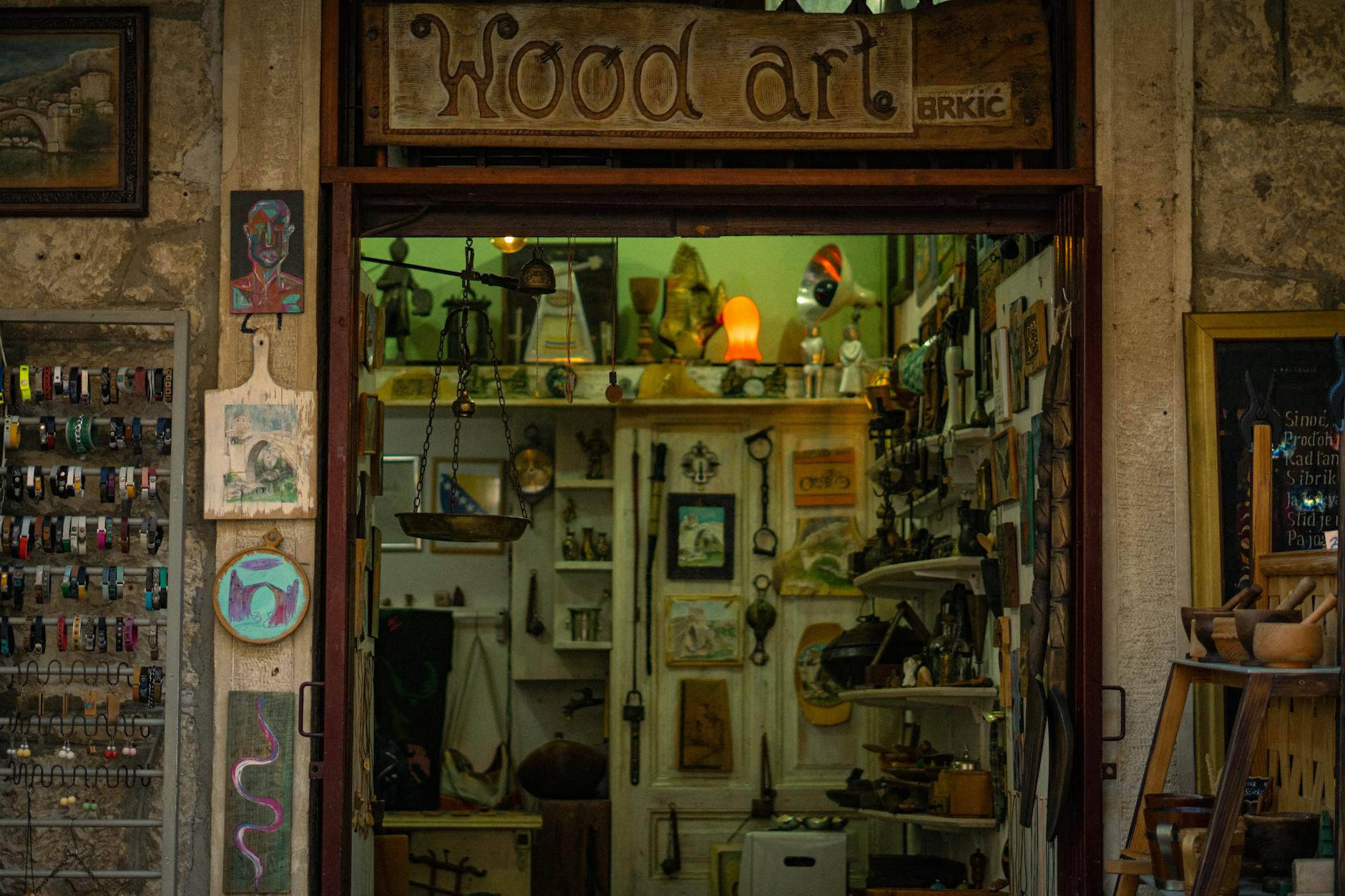
Artisan shops lined the street, showcasing handcrafted goods that celebrated local craftsmanship. From handmade pottery to intricate textiles, each item told a story of dedication and creativity. Visiting these shops was like stepping into a world where art and functionality coalesce in a beautiful dance. I realized that beauty transcends superficial aesthetics; it lies in the thought, intention, and labor poured into creating something unique.
This appreciation for local artisans not only enhances the visual appeal of a neighborhood but also supports the local economy. As I chatted with the craftsmen, I learned how each of them drew inspiration from their surroundings, infusing their work with the essence of the community. It became clear that design is not just about what we see; it is about the stories behind each piece and the people who create them.
Ultimately, this street illuminated the significance of valuing local talent and craftsmanship in our design choices. When we prioritize unique, handmade items over mass-produced goods, we cultivate a more authentic and vibrant aesthetic in our spaces. This connection to the community, combined with the notion of supporting artisans, transforms our understanding of beauty in design.
A New Perspective on Urban Design
My visit to this street transformed my perception of beauty in urban design. I discovered that beauty is not a fixed standard to be adhered to but rather a fluid concept shaped by history, community, nature, and craftsmanship. This realization prompted me to reconsider how we approach design in our own lives and cities. How can we create spaces that celebrate imperfections, foster community, and embrace the natural world?
As we move forward in creating the environments we occupy, we must strive to weave together the threads of these experiences. By encouraging community engagement, integrating nature into design, and supporting local artisans, we can reshape our perception of beauty—one street at a time. Each neighborhood has its own unique story waiting to be told, and it is our responsibility to design spaces that honor that narrative.
Ultimately, this street taught me that beauty thrives in authenticity and connection. It is an evolving concept that flourishes when we embrace diversity, celebrate uniqueness, and cultivate relationships with our surroundings. As I bid farewell to that transformative street, I carried with me a renewed appreciation for the intricate tapestry of life that can be found in every corner, every sidewalk, and every building.