Stepping into a museum often ignites anticipation, a craving for enlightenment and aesthetic pleasure. Museums are celebrated spaces where history, culture, and artistry intersect, yet sometimes the architectural design of the museum itself eclipses the exhibits it houses. When I entered the Grand Halls Museum—a recently renovated establishment set in a historic building that once served as a city hall—I found myself captivated not just by the artifacts but by the very walls that embraced them. The museum became a stunning narrative in itself, a physical manifestation of creativity and history that outshone even the most revered pieces on display.
A Glimpse into Architectural Grandeur
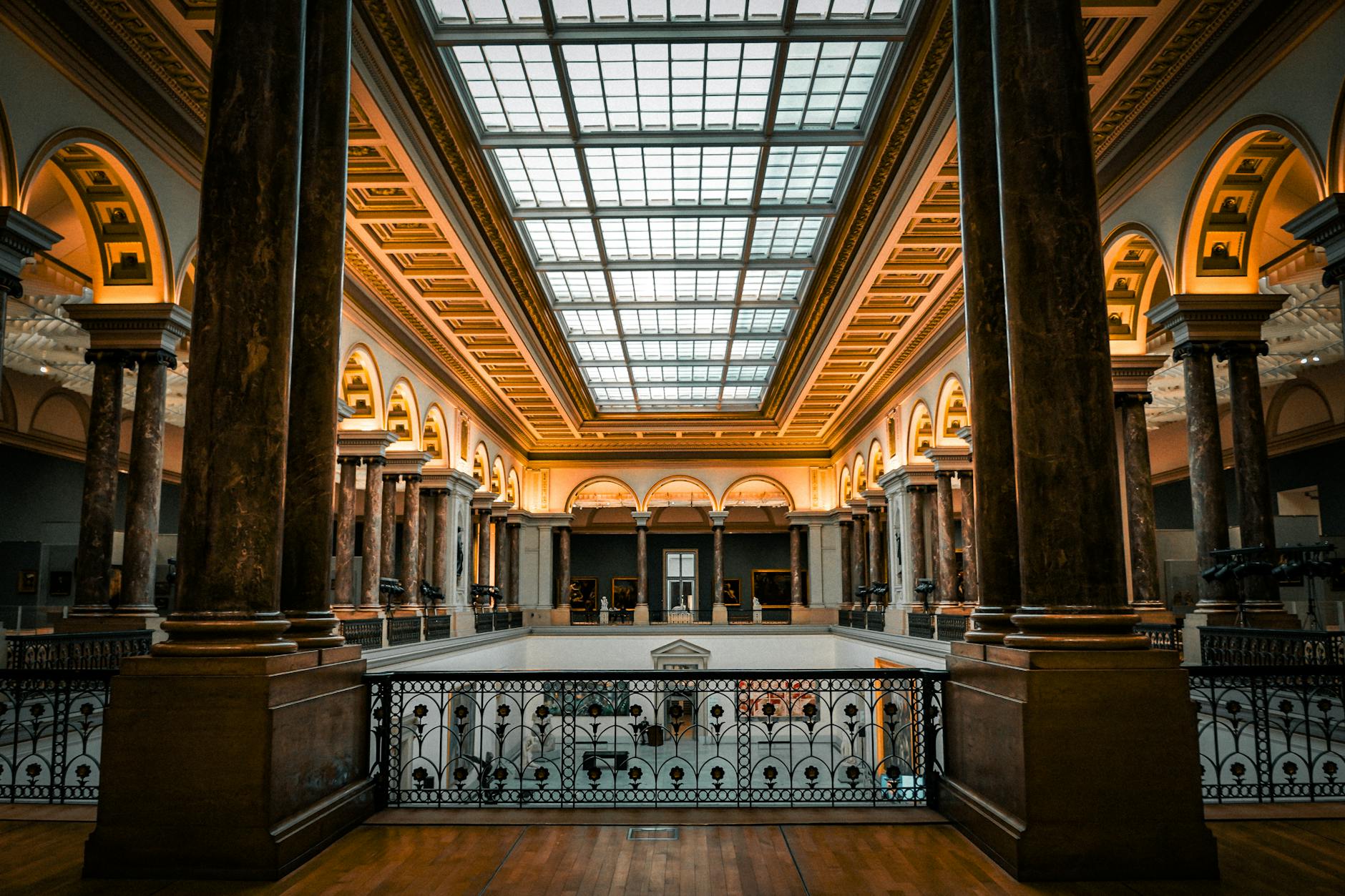
The moment I crossed the threshold of the Grand Halls Museum, I was enveloped in an atmosphere steeped in grandeur. The soaring ceilings were adorned with intricate frescoes that seemed to tell stories of the past, their soft colors illuminated by carefully placed skylights. The natural light cascading through these windows added a dynamic quality to the environment, as shadows danced on the polished marble floor. The architects had masterfully intertwined the building’s historical essence with modern design elements, creating a space that felt both timeless and innovative.
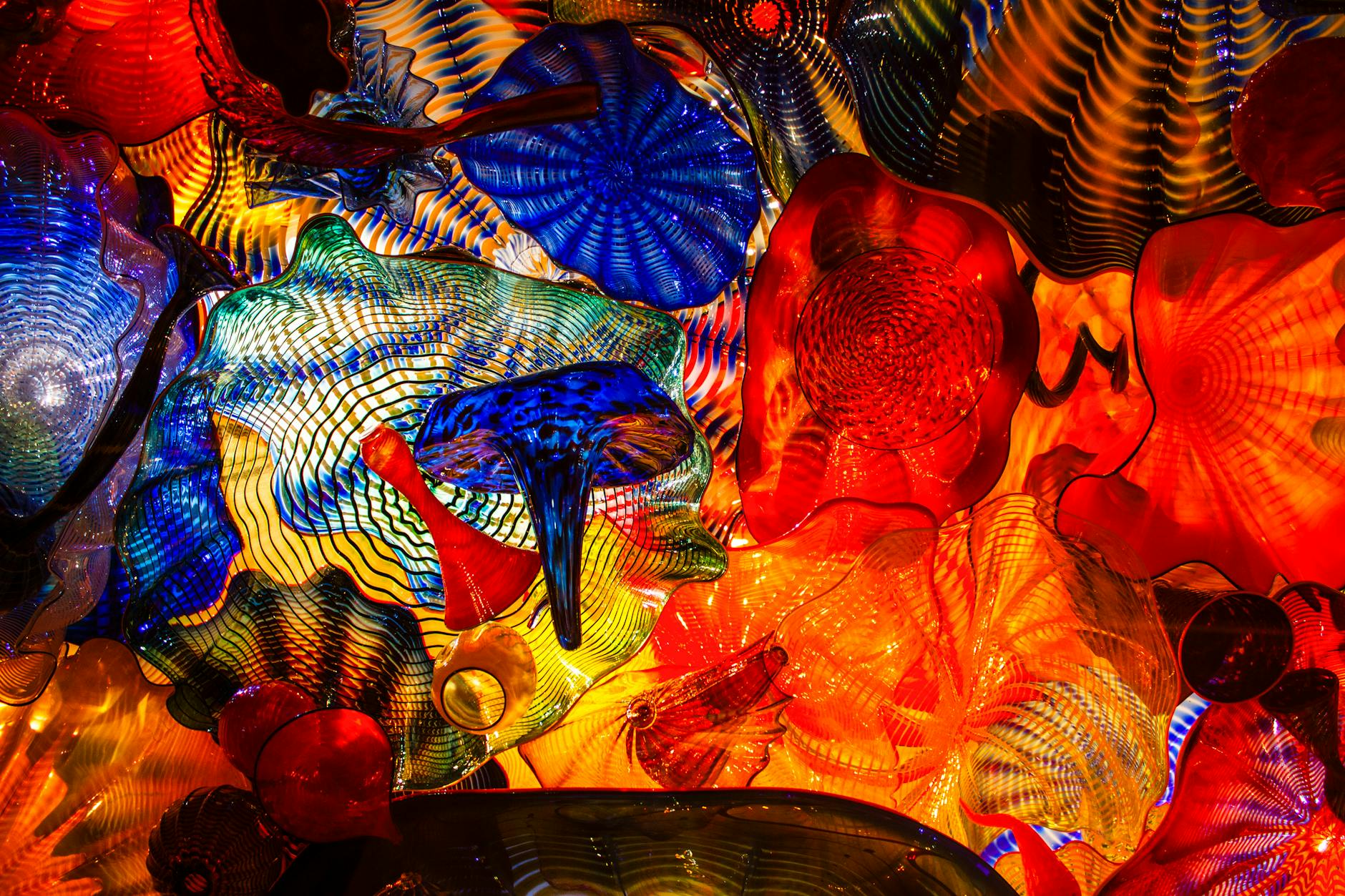
Artistry was not confined to the museum’s framework alone. As I walked further into the entrance hall, I noticed an impressive chandelier crafted from blown glass, commissioned from a local artisan. This centerpiece hung like a shimmering star overhead, providing a focal point that drew visitors’ gazes. It was an exquisite reminder that museums serve as more than mere display cases; they can also be platforms for contemporary artisans to showcase their work in conversation with historical narratives. This melding of old and new offered visitors a rich tapestry of visual experiences that complemented the museum’s collections.
A Journey Through Interactive Spaces
The Grand Halls Museum took an innovative approach to exhibit design. Instead of a traditional layout filled with static displays, this museum embraced interactivity to engage visitors on a deeper level. Immersive installations invited guests to touch, listen, and explore, blurring the lines between the viewer and the exhibited. For example, one room featured an augmented reality experience that transported visitors back in time to significant historical moments relevant to the city’s culture. People were drawn to the large screens that allowed them to step into a world illuminated by the past, their laughter and gasps filling the air as they interacted with digital artifacts.
Moreover, the pathways throughout the museum were intentionally designed to encourage exploration. Curvy hallways led visitors to unexpected corners, while open-air courtyards invited moments of reflection amidst the art. Each turn was an invitation to experience something new, and I found myself lost in the flow of discovery. The design choices enhanced the narrative of each exhibit while creating a sense of place that felt cohesive, a transition from one thematic experience to the next. This dedication to a seamless visitor journey is precisely what makes a museum memorable.
“Good design is all about making a connection between the viewer and the art. The Grand Halls Museum achieves this through its thoughtful layout and interactive spaces.”
– Renowned Architect, Jane Doe
The Power of Ambiance
Another aspect that elevated the museum experience was the carefully curated ambiance. The sound design throughout the museum contributed to an ethereal quality, with soft music wafting through the air, complemented by gentle echoes of footsteps on the marble floors. This immersive auditory experience created a feeling of serenity, allowing visitors to engage fully with both the exhibits and the architecture. The museum staff understood that ambiance plays a crucial role in how visitors experience art and design, employing subtle elements to enrich the overall narrative.
Further enhancing this sensory experience were the strategic use of color palettes and materials. Subdued tones on the walls allowed the vibrancy of artworks to shine through, while natural materials like wood and stone were incorporated to create warmth among the museum’s grandeur. This delicate balance ensured that the building did not overpower the exhibits but rather cradled them, highlighting their significance. The space itself became an integral part of the artistic message, breathing life and context into every piece showcased.
Reflections on Museum Design as an Art Form
The experience at the Grand Halls Museum reiterated the idea that architecture is, in itself, an art form. Each angle, texture, and space were meticulously considered, portraying both aesthetic beauty and functional design. The museum transcended the traditional concept of being a mere backdrop for exhibits; it stood as a work of art worthy of exploration and admiration in its own right. Visitors began to view the architecture as a narrative thread, guiding them through the stories of both the exhibits and the building’s past.
This understanding prompts a broader conversation about how museums should curate their environments to enhance visitor experiences. Historical artifacts deserve a setting that not only respects their significance but also invites new interpretations and understandings. The Grand Halls Museum serves as a beacon for other institutions, showcasing that the design of a museum can and should reflect the culture and history it aims to display, ultimately enriching the visitor’s journey.
As I exited the museum, I felt an overwhelming sense of inspiration. The exhibits wrapped within the historical embrace of the Grand Halls had sparked curiosity and reflection. The architectural elegance lingered in my mind, a vivid reminder that, sometimes, the space itself becomes the most profound exhibit. The Grand Halls Museum achieved a delicate balance—an essential interplay between its stunning design and the treasures it showcased, transforming the entire visit into a cohesive and unforgettable experience.