
As more homeowners seek to enhance their quality of life, the blending of indoor and outdoor spaces has gained immense popularity. Seamless indoor-outdoor living not only maximizes the use of natural light and space but also fosters a deeper connection with the environment. The integration of these realms can transform a mundane living area into a vibrant sanctuary, allowing for versatile usage—be it relaxation, entertaining, or family gatherings. This article delves into the essential elements of designing seamless indoor-outdoor spaces, offering practical tips and insights.
Understanding the Importance of Fluidity in Design
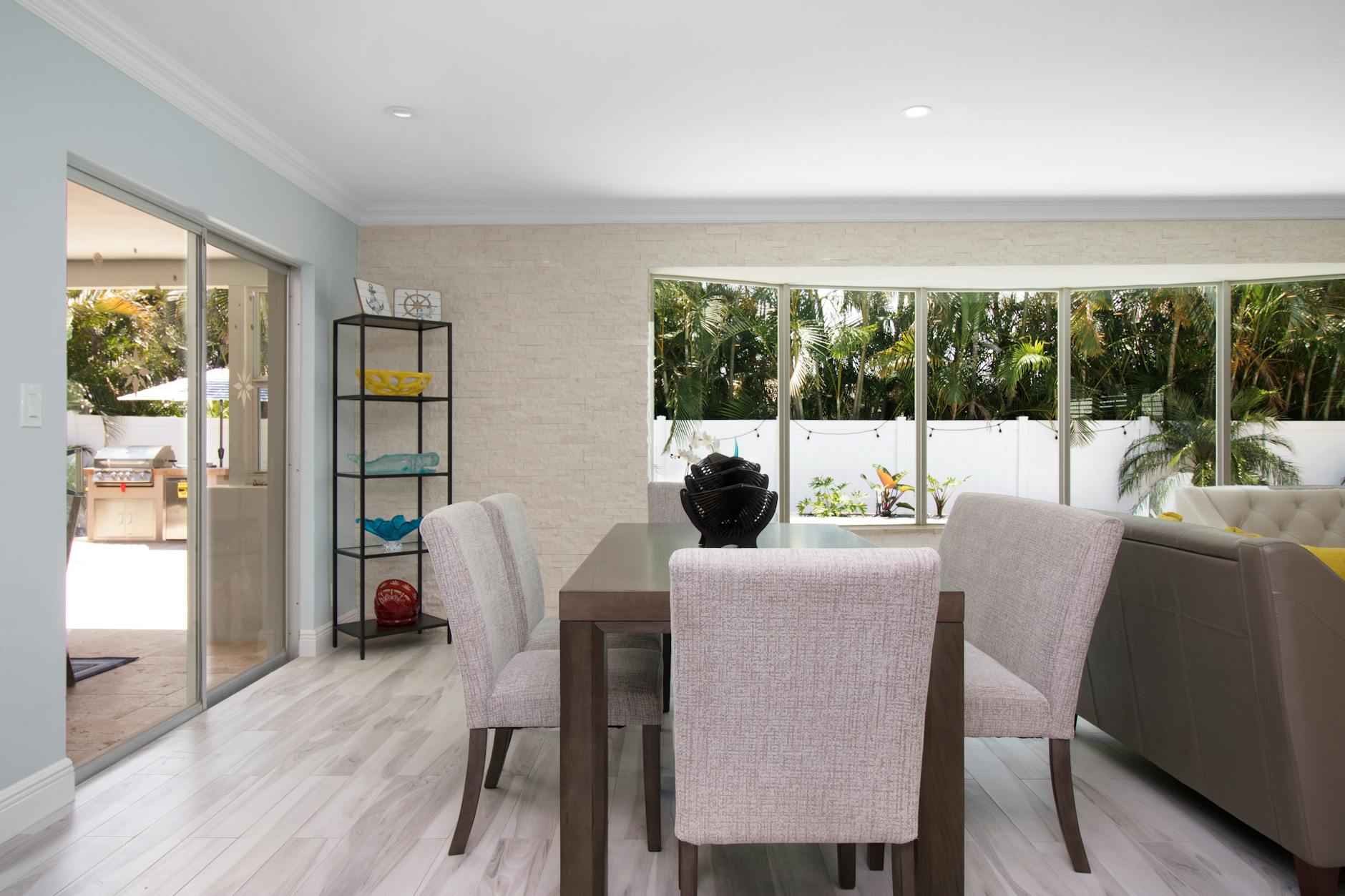
The core of a successful indoor-outdoor living space lies in fluidity. This concept revolves around creating a cohesive transition that blurs the lines between the two environments. Fluidity can be achieved through architectural choices, material selections, and strategic layouts. Large sliding or folding glass doors are popular features that allow for an easy transition; they can be opened wide to create a vast opening or closed to maintain indoor comfort. When designing such spaces, it’s crucial to consider how these transitions affect the overall flow and functionality of your home.
Another essential aspect is the alignment of décor and style. By mirroring elements found indoors with those outside, such as color schemes, materials, and furniture styles, you can create a more harmonious environment. For instance, if your indoor space incorporates natural woods and earthy tones, try to continue this theme outdoors with similar materials for patios or outdoor furniture. This approach not only ensures aesthetic appeal but also enhances the feeling of continuity throughout your environment.
Maximizing Natural Light and Views
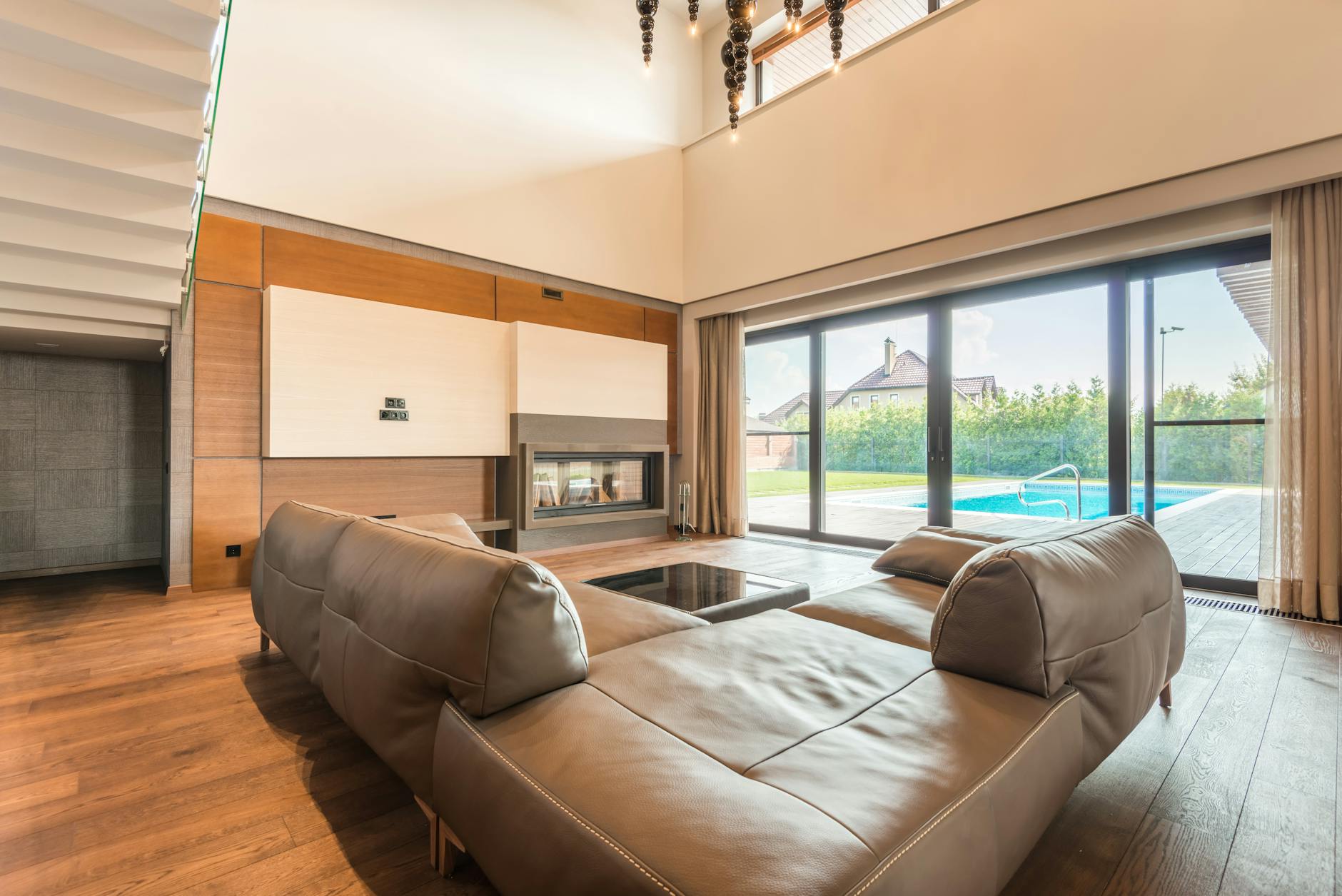
Natural light is a vital component of seamless indoor-outdoor spaces. It uplifts mood, enhances well-being, and creates a sense of openness. Large windows and strategic placement of openings can significantly increase light flow into the indoor areas. When selecting windows or doors, opt for models that can be retracted or opened fully, ensuring unobstructed views and optimal sunlight during the day.
Incorporating outdoor views into your design not only enhances aesthetics but also connects occupants to nature. Positioning key indoor spaces, such as living rooms or dining areas, in alignment with picturesque outdoor scenery encourages appreciation of your surroundings. If you’re lucky enough to have a garden, a water feature, or a beautiful landscape outside, orient your seating arrangements to face these visual delights. Adding features like glass railings can also enhance views while maintaining safety, allowing for the beauty of the outdoors to come into clear focus.
Creating Functional Outdoor Areas
For a truly seamless indoor-outdoor experience, consider how outdoor areas can be designed for everyday functionality. This means thinking beyond traditional patio furniture. Incorporate features that provide utility, such as outdoor kitchens, dining areas, or cozy fire pits that can be enjoyed year-round. These functional spaces not only extend the livable area of your home but also make outdoor activities more enjoyable.
Garden elements such as pergolas or awnings can also add protection from the elements, enabling outdoor use regardless of weather conditions. When choosing furniture, select durable, weather-resistant pieces that complement your indoor style. Adding cushions and textiles can soften hardscapes, creating an inviting atmosphere that encourages relaxation and conversation.
Moreover, consider implementing outdoor lighting for night-time use, transforming your space into a magical retreat after the sun goes down. Layered lighting—combining overhead fixtures, string lights, and landscape lighting—can accentuate various areas while providing both safety and ambiance.
Landscaping and Outdoor Decor
While the architectural elements are crucial for seamless transitions, landscaping plays a pivotal role in enhancing the experience of indoor-outdoor living. Thoughtful landscaping can create a natural boundary, guiding movement between spaces while still being visually connected. Use plants that suit your local climate and provide year-round interest, whether through blooms, foliage, or texture.
Incorporating pathways made of natural stones or wood decking can lead from the indoor space to the outdoor area, further enhancing the sense of flow. Incorporate elements such as decorative pots, vertical gardens, or outdoor artwork to personalize your space and make it feel like an extension of your home.
Don’t overlook the importance of seasonal changes in your outdoor decor. Embrace seasonal themes by rotating your cushions, table settings, and decorations to reflect the time of year. This approach helps maintain interest in your living spaces and encourages you to spend more time outdoors—whether it’s a spring barbecuing event or a cozy fall gathering around a fire pit.
Emphasizing Sustainability in Design
In today’s eco-conscious world, sustainability is an essential consideration in any design project. Seamless indoor-outdoor living spaces can naturally incorporate sustainable practices that not only benefit the environment but also enhance your quality of life. Start by selecting energy-efficient windows and doors that minimize heat loss while maximizing natural light.
Consider utilizing sustainable materials for both indoor and outdoor elements, such as reclaimed wood or bamboo, which add character while being eco-friendly. Rainwater harvesting systems or permeable paving in outdoor spaces can also contribute to sustainability, reducing runoff and promoting eco-friendly landscaping. Incorporating native plants in landscaping minimizes water usage and supports local biodiversity, creating a thriving outdoor environment.
Lastly, consider installing solar panels or energy-efficient outdoor lighting to reduce energy consumption and lower utility bills. This commitment not only aligns your indoor-outdoor space design with modern sustainability practices but also promotes a healthier lifestyle that respects the environment.
Creating seamless indoor-outdoor living spaces requires thoughtful consideration of design elements, from architectural features to landscaping. By emphasizing fluid transitions, maximizing natural light, and incorporating functionality, your home can become a harmonious sanctuary that embraces the beauty of nature. Explore additional ideas and inspirations for your journey on platforms like Pinterest and see how others have transformed their spaces.