
Interior design can often feel like a delicate balancing act. When it comes to mixing patterns and textures, the challenge is evident: how to achieve a cohesive look while ensuring visual interest. Mastering the art of pattern and texture mixing not only brings depth to a space but also reflects the personality of those who inhabit it. In this guide, we’ll explore nuanced strategies to help you blend patterns and textures seamlessly, creating spaces that are vibrant, inviting, and sophisticated.
Understanding the Fundamentals of Patterns and Textures
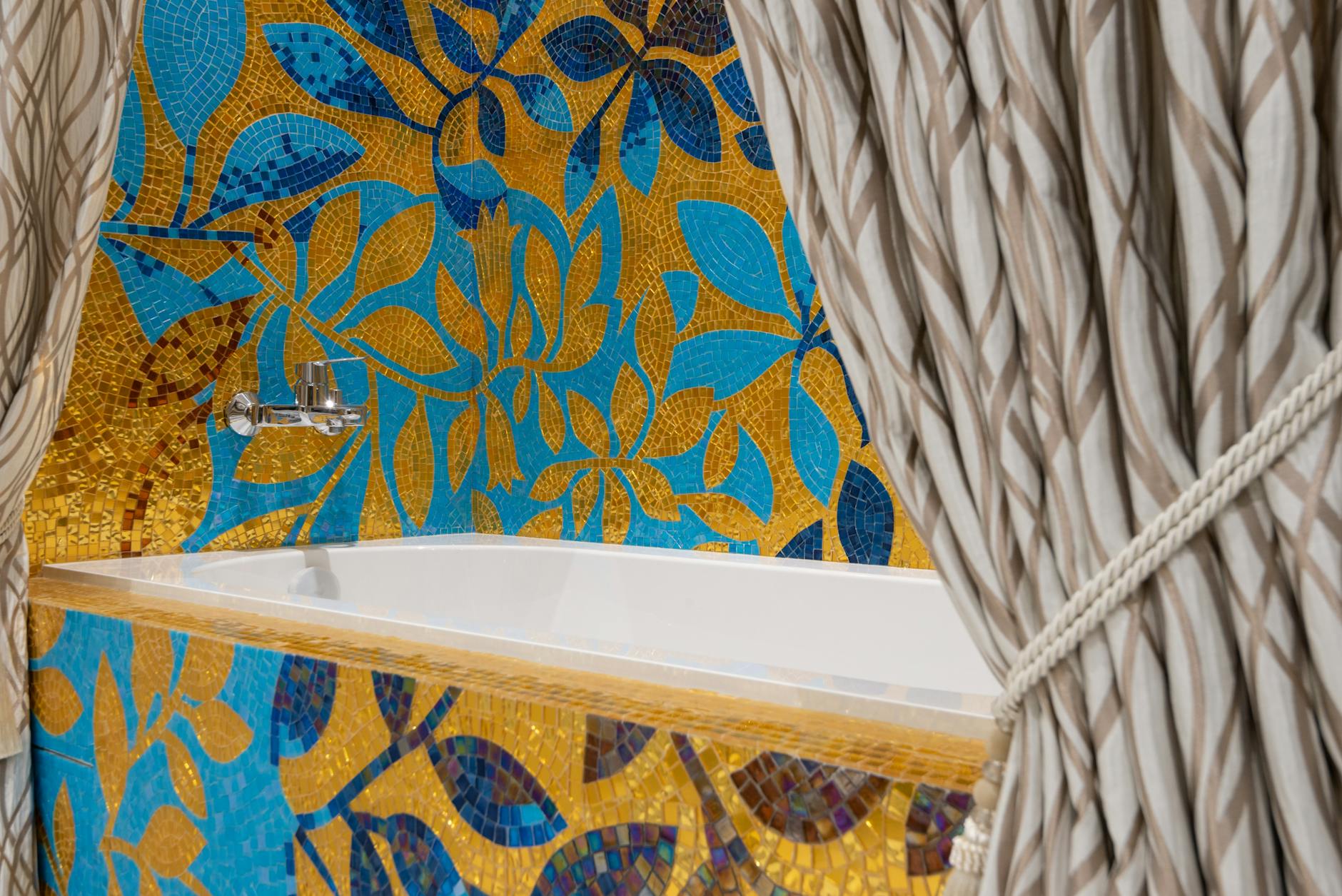
Before diving into the practicalities of mixing patterns and textures, it’s essential to grasp their fundamental elements. Patterns are repetitive designs, often characterized by shapes, colors, and motifs, while textures refer to the surface quality of materials—whether smooth, rough, soft, or shiny. Understanding these components is crucial for effective integration. A common pitfall is overloading a space with too many contrasting patterns that can overwhelm the senses. Instead, aim for a harmonious composition that highlights each element without competing for attention.
One effective technique is to establish a base texture—this could be a neutral wall finish or a large piece of furniture that serves as a foundation. From there, you can layer patterns in varying scales; for instance, a large-scale floral print on a sofa can be accompanied by smaller geometric patterns on cushions or throws. This method creates a visual narrative where each element supports the other, rather than clashing.
Choosing a Color Palette
Color is often the bridge that unites patterns and textures, making it essential to establish a cohesive palette before you begin. Aim for a color scheme that includes a dominant color, a secondary color, and a few accent colors to tie everything together. For example, if your primary color is a soft blue, consider incorporating different shades of blue along with complementary colors like warm yellows or muted grays. This strategy not only adds depth but also ensures that even bold patterns can coexist peacefully.
Take inspiration from nature when selecting your colors, as it often has a harmonious palette naturally. You can find excellent examples of this on platforms like Pinterest, where collections of images showcase successful combinations. Keep in mind that utilizing a unifying color across different textiles—such as a throw blanket or a rug—can create a sense of flow throughout the space.
Layering Textures for Depth
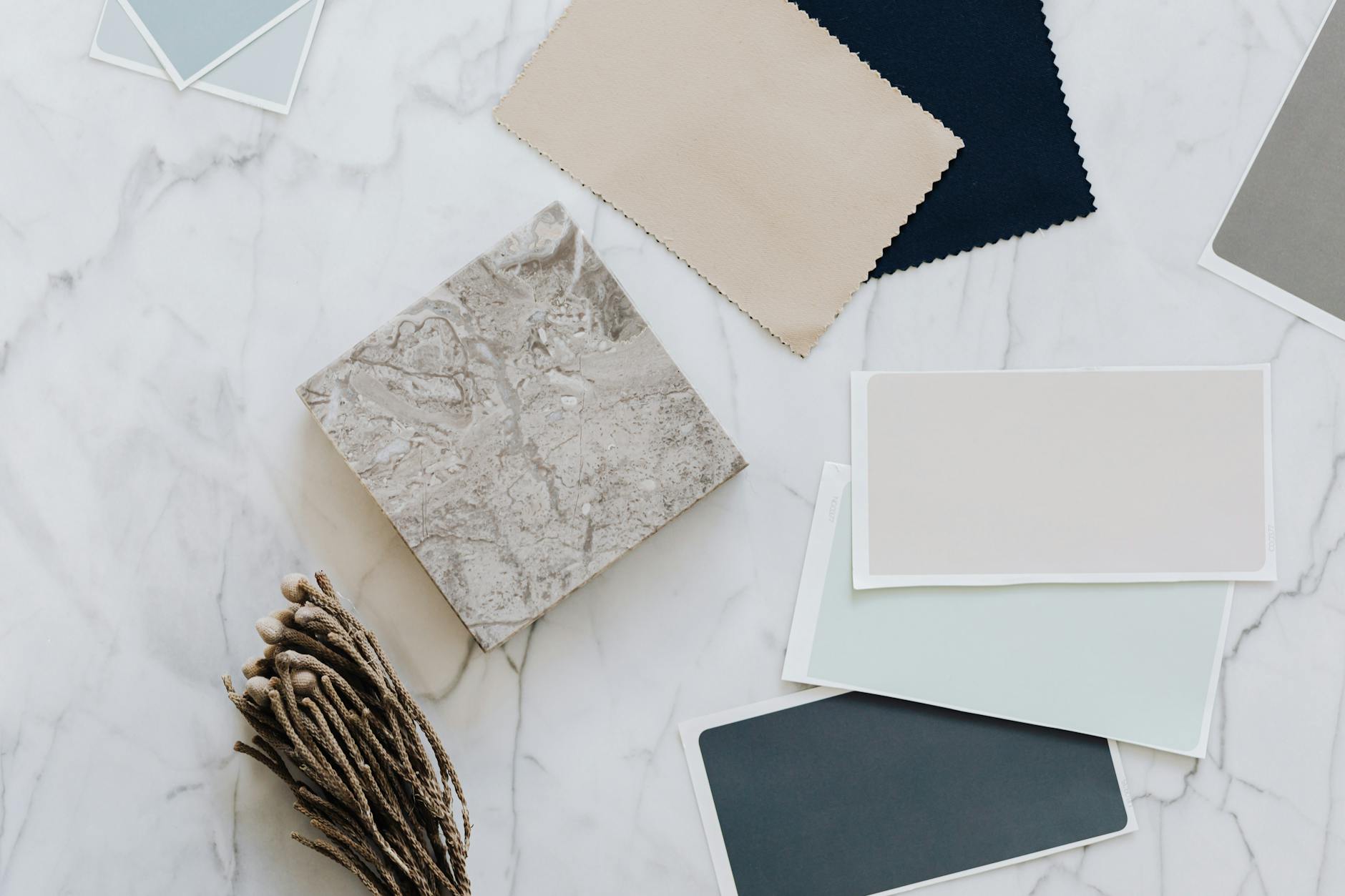
When it comes to texture, layering is key to adding depth and interest to a space. Different materials can evoke varied feelings and enhance the overall ambiance. For instance, pairing a sleek leather sofa with a woven jute rug and soft velvet cushions creates a balanced interplay of hard and soft textures. This diverse tactile experience invites comfort and visual intrigue.
Consider the seasonality of textures as well. In winter, heavier fabrics like wool or cashmere can create warmth, while lighter linens and cottons are ideal for summer spaces. By incorporating a range of textures on surfaces like curtains, upholstery, and decorative accessories, you invite an engaging tactile experience. Consider the usage of textures such as rattan, metal, and glass alongside fabric, as they can all contribute distinct sensations that enhance the room’s overall feel.
Mastering the Art of Pattern Mixing
When it comes to mixing patterns, a few expert strategies can help you achieve a professional look. Start by grounding your design with a large pattern as the focal point—this could be a feature wall, a statement rug, or a significant piece of furniture. Small and medium-sized patterns can then be layered in. For instance, if you choose a bold striped wallpaper, consider pairing it with florals or dots in complementary colors to create a playful yet refined contrast.
Another trick is to vary the scale of your patterns. Large prints create impact, while smaller prints add subtlety. This method not only creates visual interest but also helps to break up the space, preventing any single pattern from dominating. For those hesitant to mix patterns, a safe approach is to select patterns that share a similar color story, ensuring they remain visually tied together. You can find various examples of successful patterns blended harmoniously on Pinterest.
Bringing It All Together
Mixing patterns and textures is an intuitive process that can be refined with practice. Start small by choosing a few key pieces and taking your time to assess how they interact in your space. The goal is to create a layered, inviting environment that reflects your personal style while maintaining a cohesive design. Use textiles like throw pillows, area rugs, and curtains as your playground—these elements are relatively easy to swap out should you wish to alter the look without a significant commitment.
Finally, always consider the narrative that your space conveys. A well-mixed environment should tell a story about the individuals who inhabit it, highlighting preferences and styles that resonate. For further inspiration, check out these curated boards showcasing innovative ideas in mixing patterns and textures.
By understanding the fundamentals, choosing the right color palette, layering textures, and mastering pattern mixing, you can transform any space into a harmonious blend of style and comfort. Embrace your creativity, and remember: the secret to successful design often lies in the unexpected combinations that truly express your unique vision.