
The ancient Chinese practice of Feng Shui is more than just a trend; it’s a profound philosophy that aims to create harmony between people and their environments. Translated as “wind” and “water,” Feng Shui embodies the idea that a person’s surroundings can significantly influence their well-being. In a fast-paced world, the principles of Feng Shui offer simple yet transformative ways to cultivate a balanced and serene living space. This article will guide you through the basics of Feng Shui, highlighting practical tips to create a harmonious home environment.
The Five Elements of Feng Shui
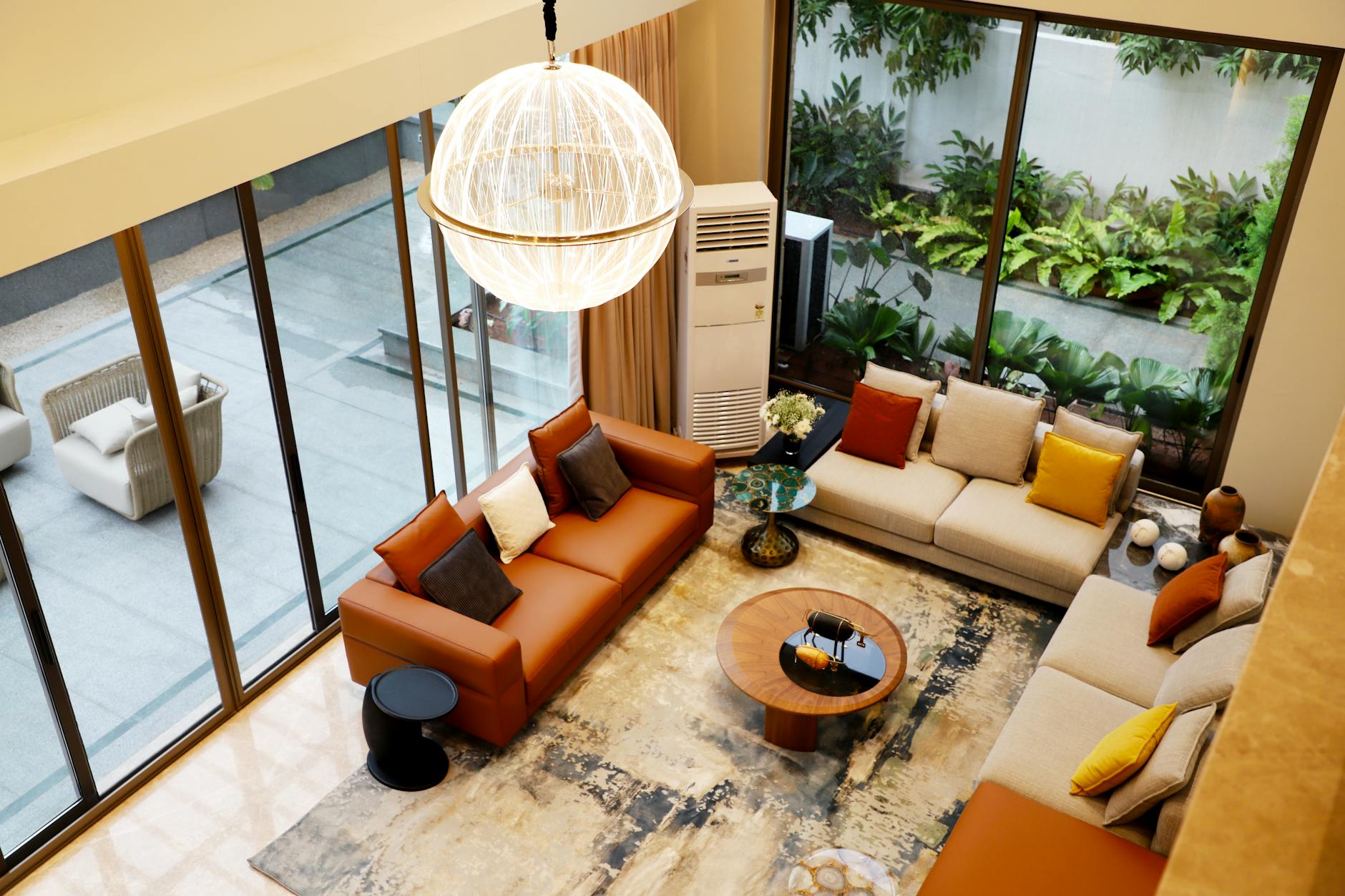
At the core of Feng Shui are the five elements: Wood, Fire, Earth, Metal, and Water. Each element holds its unique qualities and can be represented through colors, shapes, and materials. For example, Wood symbolizes growth and vitality, and can be incorporated through plants or wooden furniture. Fire represents energy and passion, reflected through candles or red hues. Earth signifies stability, often represented by pottery or earthy colors. Metal embodies clarity and precision, represented by metal accents or white tones. Water denotes flow and abundance, and can be embodied through mirrors or blue colors.
Understanding how to balance these elements in your living space is crucial. For instance, incorporating a blend of these elements can cultivate a more harmonious atmosphere. In your living room, you might include a green plant (Wood), a red decorative pillow (Fire), a terracotta vase (Earth), a metal frame (Metal), and a small fountain (Water) to create a balanced environment that fosters tranquility and creativity.
Creating Positive Energy Flow
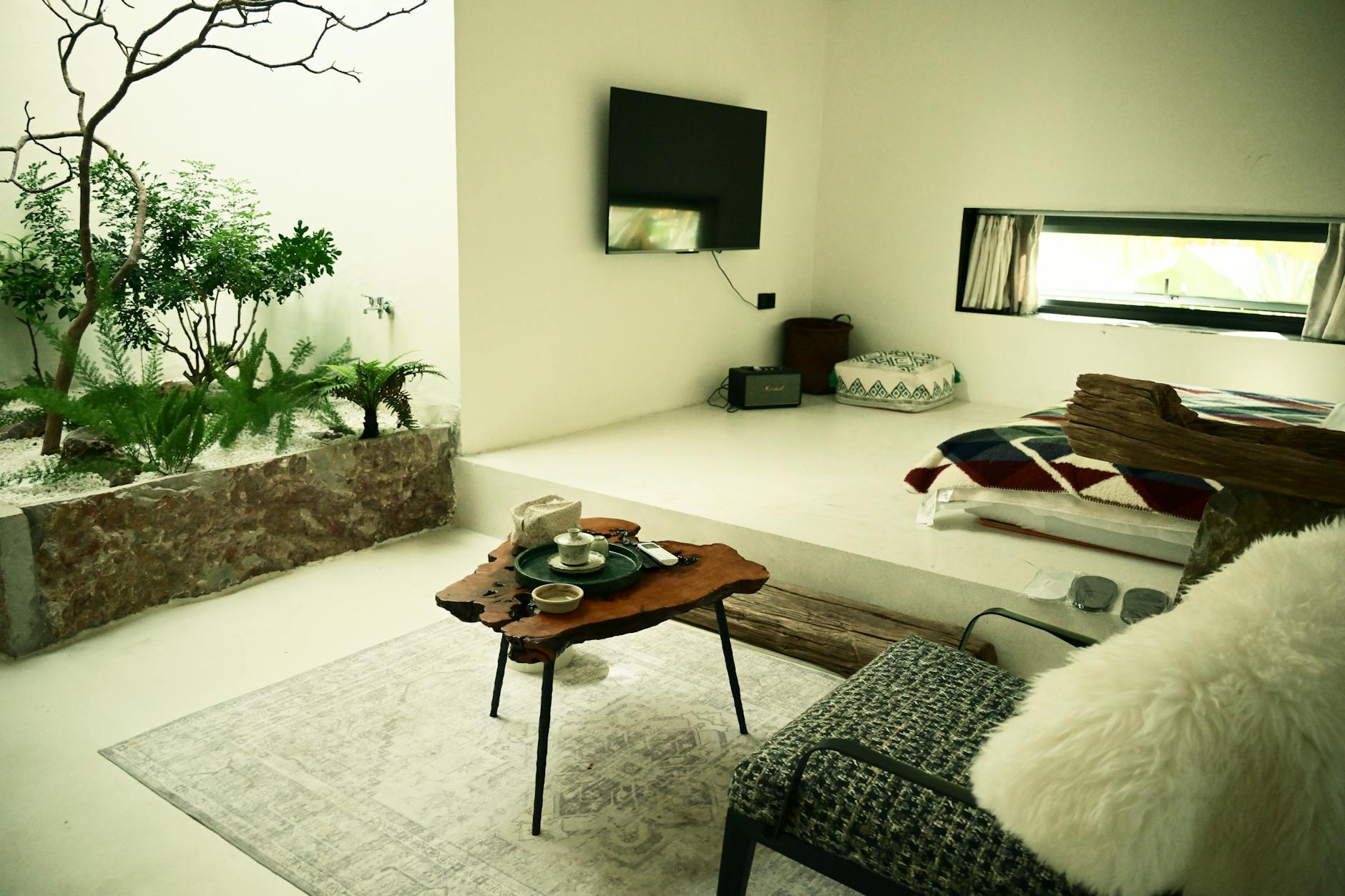
Feng Shui emphasizes the importance of Chi, or life energy. The flow of Chi in your space affects your mood, health, and overall life balance. To enhance positive energy flow, decluttering is essential. Clear away unnecessary items to create open pathways for Chi to circulate freely. Not only does decluttering improve the aesthetic of your home, but it also promotes mental clarity.
Another vital aspect of enhancing Chi flow is considering the layout of your furniture. Arrange your furniture to facilitate conversation and movement. Avoid blocking doorways or pathways, as this can lead to stagnant energy. The command position is also fundamental; position key pieces like your bed and desk to face the entrance of the room while not being directly in line with the door. This placement instills a sense of safety and control, allowing for a more peaceful atmosphere.
Incorporating Colors Wisely
Colors play a significant role in Feng Shui, affecting emotions and energy levels. Each color is associated with specific elements and can influence the mood of a space. For instance, blues and greens are calming and align with the Water element, making them ideal for bedrooms and bathrooms where relaxation is key. In contrast, reds and oranges stimulate energy and creativity, ideal for workspaces or areas where socialization occurs.
When selecting colors for your living space, consider a balance that reflects your personality while also promoting a harmonious atmosphere. You can explore color palettes that inspire: calm neutrals accented with bold colors, or monochromatic schemes that incorporate varying shades for depth. Tools like Pinterest can offer visual inspiration for color combinations that resonate with the Feng Shui principles.
The Power of Natural Light and Air Quality
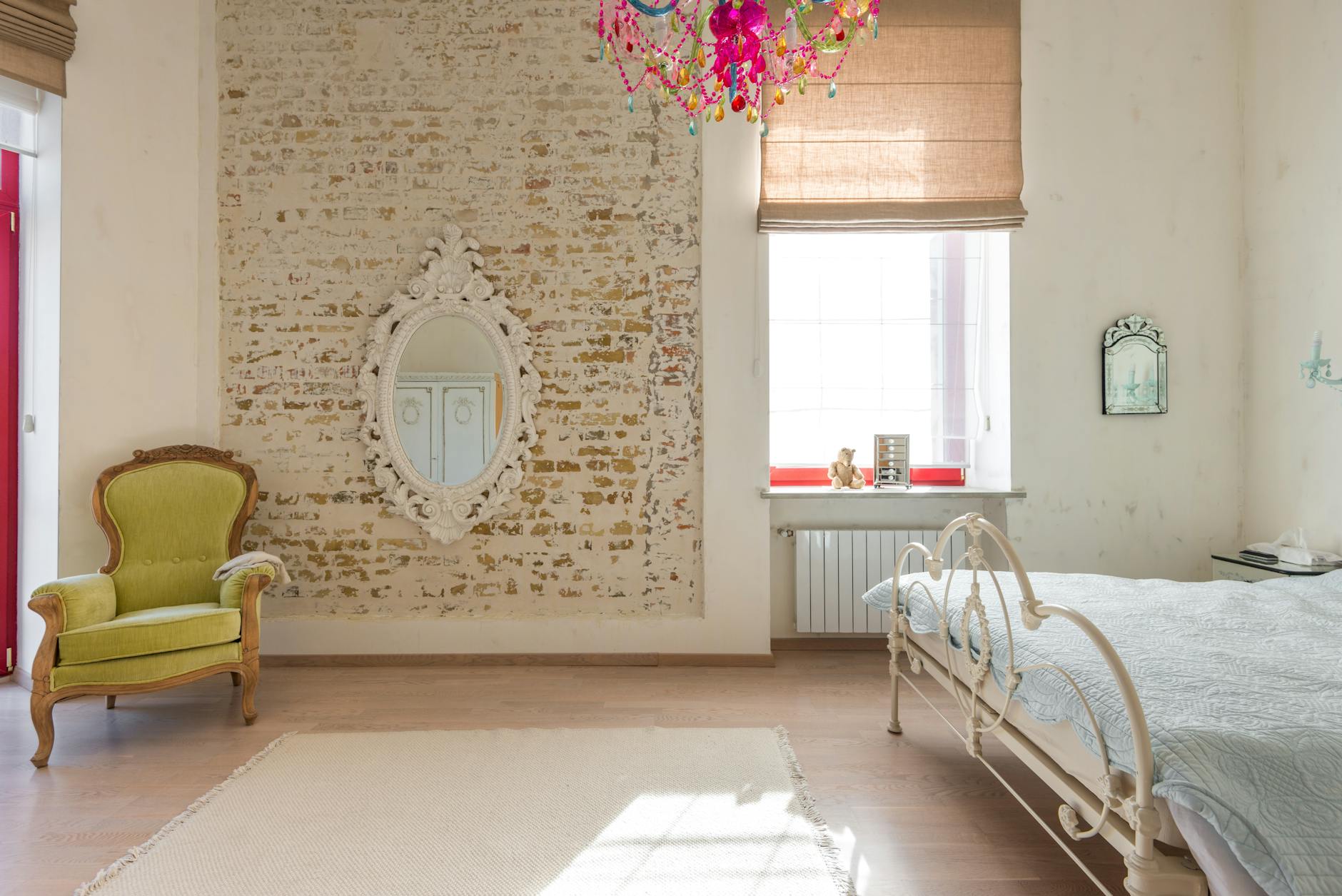
Natural light and fresh air are vital components of a balanced living space in Feng Shui. Sunlight not only illuminates your space but also boosts mood and energy levels. Maximize natural light by using sheer curtains, strategically placing mirrors to reflect light, or rearranging furniture to avoid obstructing windows. Spaces bathed in light evoke feelings of warmth and positivity, resonating with the principles of Feng Shui.
Air quality significantly impacts energy flow. Stale air can lead to stagnation and discomfort, while fresh air promotes vitality and clarity. Open windows whenever possible, or invest in air purifiers and plants that can enhance indoor air quality. Plants not only purify the air but also bring life and organic beauty into your home, fostering a connection with nature that aligns with Feng Shui’s core beliefs.
Incorporating essential oils or incense can further enhance the ambiance of your space. Scents like lavender or sandalwood can promote relaxation, while citrus scents invigorate and refresh. Use these natural elements thoughtfully to create a calming aura that invites positive energy into your daily life.
Designing Intentionally for Each Space
Each area of your home serves a specific purpose and requires intentional design to maximize its potential. In the bedroom, prioritize relaxation; use soft lighting, calming colors, and minimal decorations to eliminate distractions. Aim for a peaceful sanctuary that encourages restful sleep. Avoid placing mirrors directly facing the bed, which can create discomfort or restlessness. Instead, choose soothing art or photographs that inspire tranquility.
In contrast, your living room should facilitate connection and interaction. Opt for a seating arrangement that promotes conversation while allowing for easy movement. Consider the balance of elements; for example, if your living room is filled with heavy furniture, complement it with lighter accents or artwork that invokes brightness and energy. Utilize the principles of Feng Shui to foster warmth and connection, creating a welcoming environment for both family and guests.
Finally, your workspace should promote focus and productivity. Position your desk in the command position, implement good lighting, and incorporate inspiring decor. A small plant can also help improve air quality and add life to the environment. By intentionally designing each space in your home according to Feng Shui principles, you cultivate a balanced and purposeful living experience.
In conclusion, Feng Shui is a holistic approach to creating a living environment that nurtures well-being and harmony. By understanding the five elements, enhancing energy flow, and applying thoughtful design principles, you can transform your home into a sanctuary that resonates with positivity. For more inspiration on Feng Shui design, check out these curated boards on Pinterest or explore color palette ideas through this helpful link: Pinterest Color Palettes. Embrace these principles, and you will experience the profound benefits of a balanced living space.