
Art has a unique ability to transform a room, creating atmosphere and depth that can elevate the overall aesthetic of an interior space. Whether through paintings, sculptures, or mixed media, carefully curated artworks can reflect personal style while injecting character into an otherwise mundane environment. In this article, we will explore how to effectively utilize art to enhance your interior design, the different types of art you can incorporate, and practical tips for displaying them creatively.
The Impact of Art on Interior Design
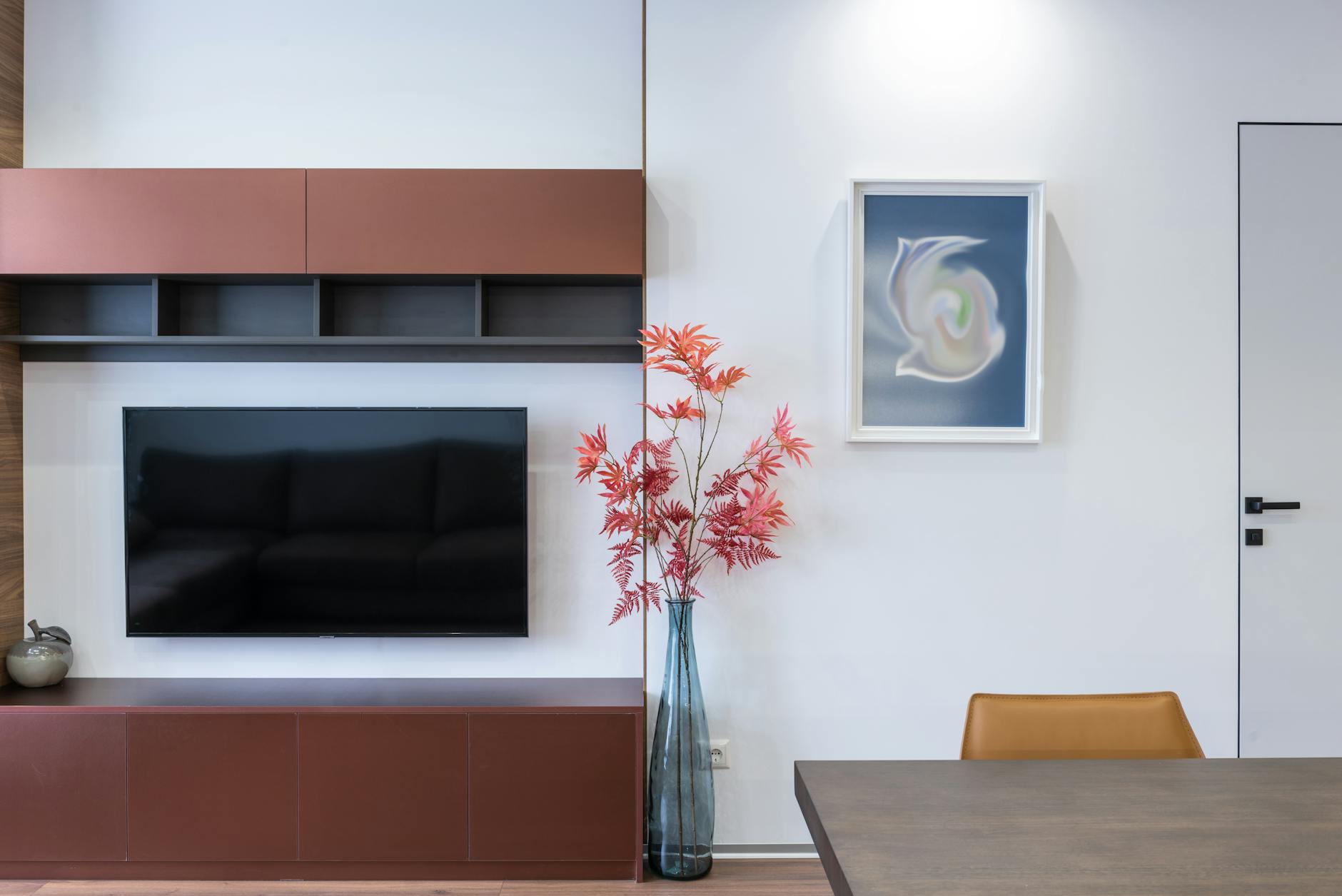
Art serves as a visual focal point in any room, guiding the eye and eliciting emotional responses from those who engage with it. It can evoke feelings of nostalgia, comfort, or even provoke thought—an essential aspect of interior design. A well-placed piece of art can balance a room’s elements, such as colors, textures, and shapes, while also tying together various design themes. For instance, a vibrant abstract painting can bring energy to a minimalist space, whereas a serene landscape might enhance a room adorned with rustic elements. Therefore, understanding the impact of art is crucial for creating spaces that feel cohesive and inviting.
Moreover, art invites conversation. A stunning piece can serve as an icebreaker during gatherings, making the home feel welcoming and personal. It’s not just about aesthetics; art reflects one’s identity and values, allowing visitors to gain insight into the homeowner’s character. Therefore, incorporating art into your interior design strategy is not merely an accessory to your space—it is an integral component that shapes the overall ambiance.
Choosing the Right Art for Your Space
Selecting the appropriate art involves considering both your personal taste and the existing design of your home. Start by identifying the color palette and style of the room. For example, if your living room features cool tones and modern furnishings, a contemporary piece with complementary colors will resonate beautifully. On the other hand, a vintage-style artwork may clash with a sleek, modern setting.
Understand the types of art available to you. Paintings, photography, sculptures, and textiles each impart different feelings and styles. Large canvases can create dramatic statements in expansive spaces, while smaller framed pieces might work better in more intimate settings. For some inspiration, check out curated selections such as this Pinterest board featuring vibrant artworks that can harmonize with various styles of interior design.
Additionally, consider the scale of the art in relation to your furniture and architectural features. An oversized piece can dominate a small room, while too many small pieces can create visual clutter in larger spaces. Aim for balance by choosing art that complements your furnishings and overall layout, ensuring a harmonious flow throughout the room.
Creative Ways to Display Art
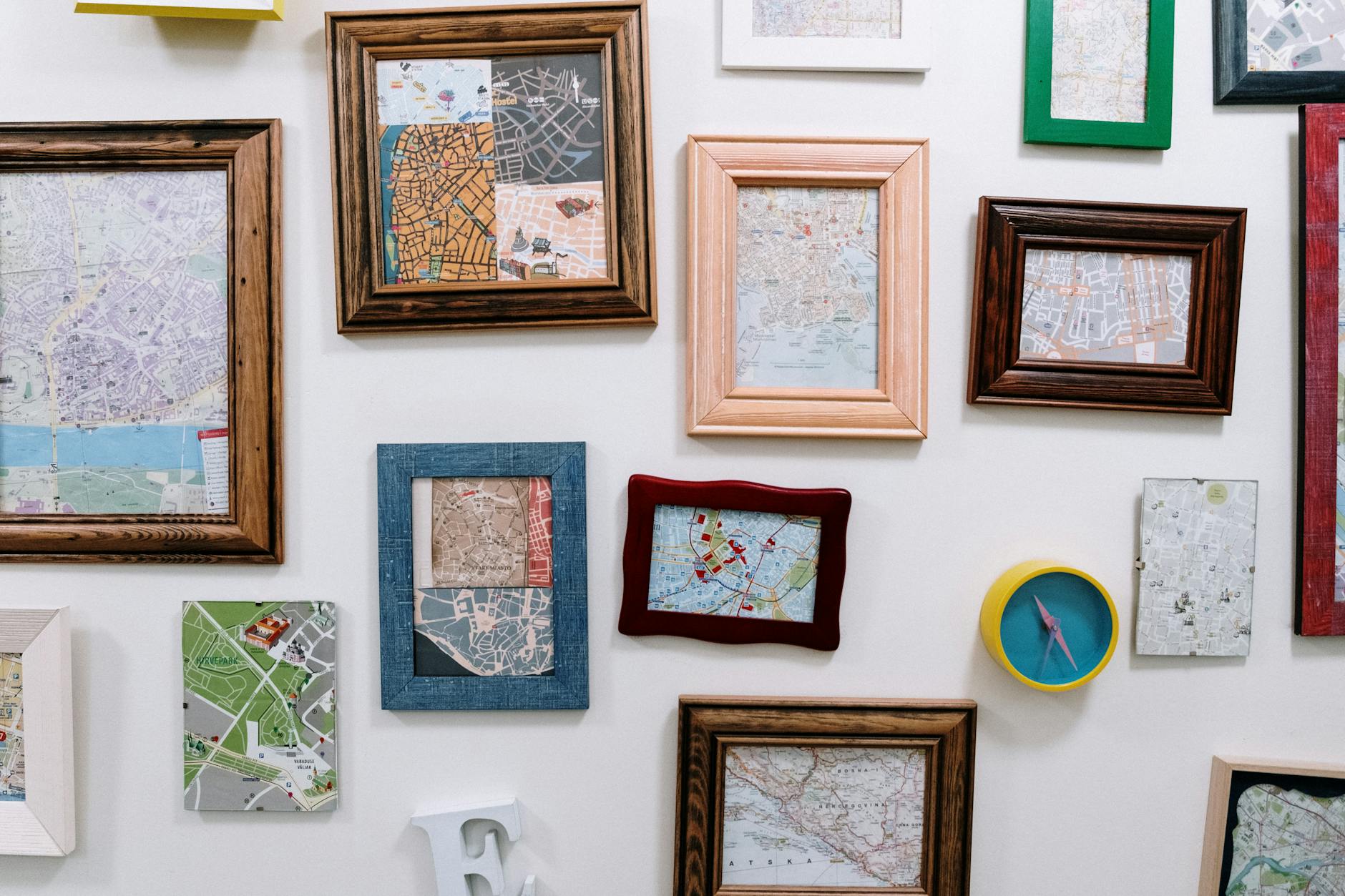
The way you display art can significantly influence how it impacts your space. Groupings or gallery walls can create focal points, drawing attention and sparking interest. To create a gallery wall, select pieces that speak to a common theme—be it colors, styles, or subject matter—and arrange them in a way that feels intentional yet playful. Leave ample space between each piece to avoid overwhelming the viewer, allowing each artwork to breathe and stand out. You can find inspiration for gallery walls on platforms like this Pinterest board.
Beyond walls, consider alternative display options like freestanding easels or illuminated shelves. This not only diversifies the visual experience but also offers a chance to incorporate three-dimensional works like sculptures and ceramics. Vertical space is often underutilized in home design—hanging art at eye level or creating vertical arrangements can draw the eye upward, making a room feel taller and more expansive.
Lighting is another crucial element in art display. Proper illumination can enhance colors and textures, evoking the desired mood. Use track lighting, floor lamps, or spotlights to highlight specific pieces, ensuring they catch light and thus attention. This can transform a simple painting into a captivating centerpiece, enhancing its visual appeal.
Art as a Reflection of Personal Style
When it comes to art, personal connection is everything. The pieces you choose should resonate with you and tell a story—be it through the subject matter, the artist, or the emotions they evoke. This personal connection makes art selection a deeply personal process. Don’t shy away from experimenting with different styles or themes. If you find yourself drawn to contemporary art, yet you prefer classic design elements in your home, blend the two to cultivate a unique aesthetic.
Moreover, consider integrating locally sourced or handmade art to add authenticity and character to your space. Supporting local artists not only enriches your decor with original pieces but also contributes to the community. Envision how a handcrafted ceramic vase or a framed local landscape could add a rich layer of meaning to your home. For inspiration, explore various local artists on platforms like this Pinterest board.
Ultimately, the art you choose should feel like an extension of yourself, enhancing your living space in ways that are both visually stunning and emotionally resonant. Take the time to research and explore different mediums, and let your preferences guide your selections.
Final Touches: Maintaining Your Art Collection
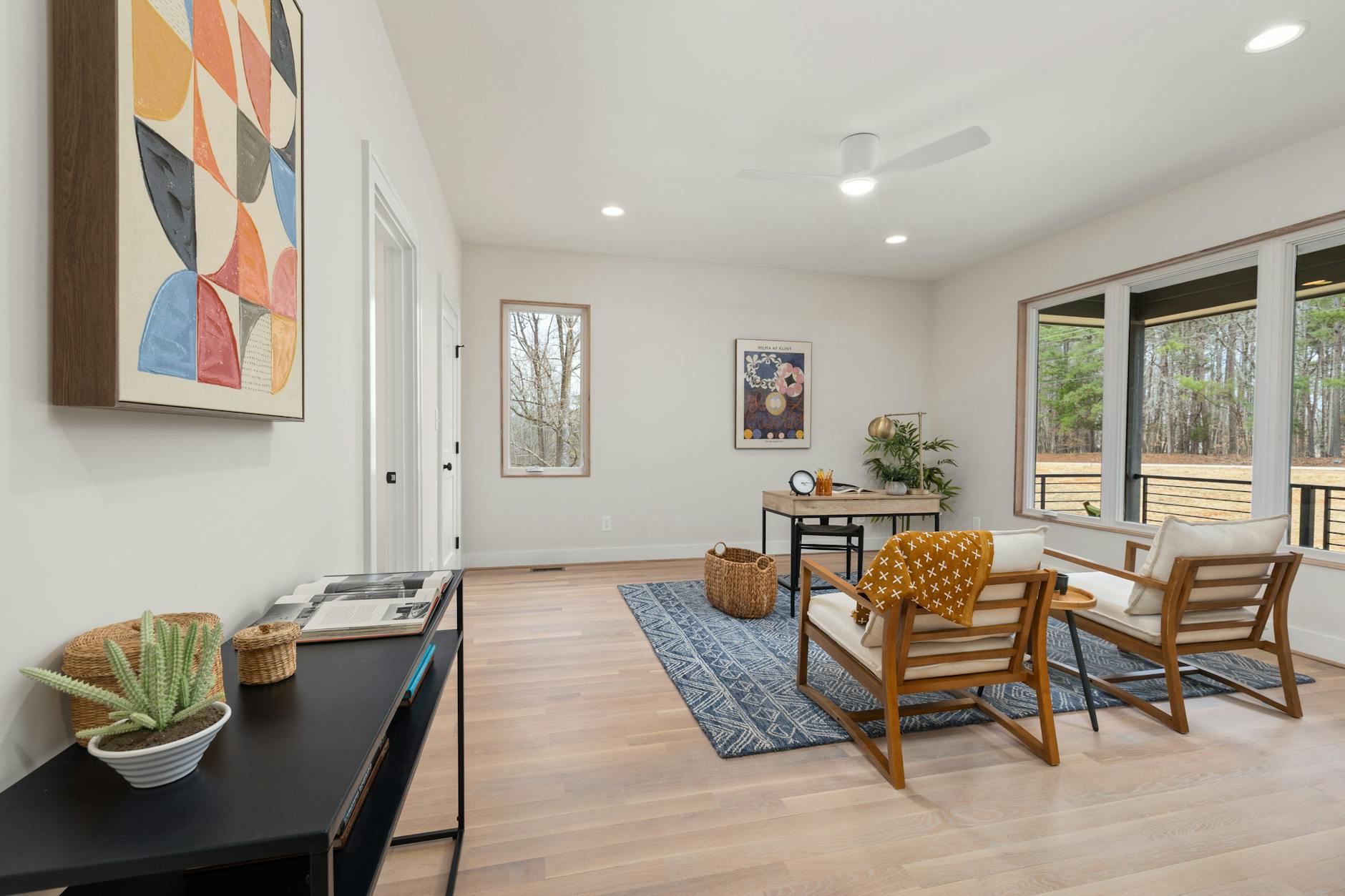
Moreover, as trends and personal tastes evolve, don’t hesitate to refresh your art collection. Rotating pieces can breathe new life into your space and keep your environment dynamic. This not only allows for a change in scenery but also offers an opportunity to feature lesser-seen pieces that may have previously gone unnoticed. A thoughtfully curated home reflects evolving tastes, and art is a significant part of that journey.
In conclusion, integrating art into your interior design is an enriching experience that enhances the emotional resonance of your space. By choosing pieces that reflect your personal style, creatively displaying them, and maintaining them with care, you can create an inviting environment that feels uniquely yours. Explore various styles, themes, and mediums, and let your walls tell your story.