
As the world becomes increasingly conscious of environmental issues, sustainable interior design has transitioned from a niche to a necessity in modern homes. This movement not only emphasizes eco-friendly materials and practices but also promotes a holistic approach to living spaces. Embracing sustainability in home design can lead to healthier environments and reduced carbon footprints while also enhancing the beauty and functionality of your home. Below, we explore some innovative sustainable interior design ideas that cater to the modern homeowner.
Embracing Natural Materials
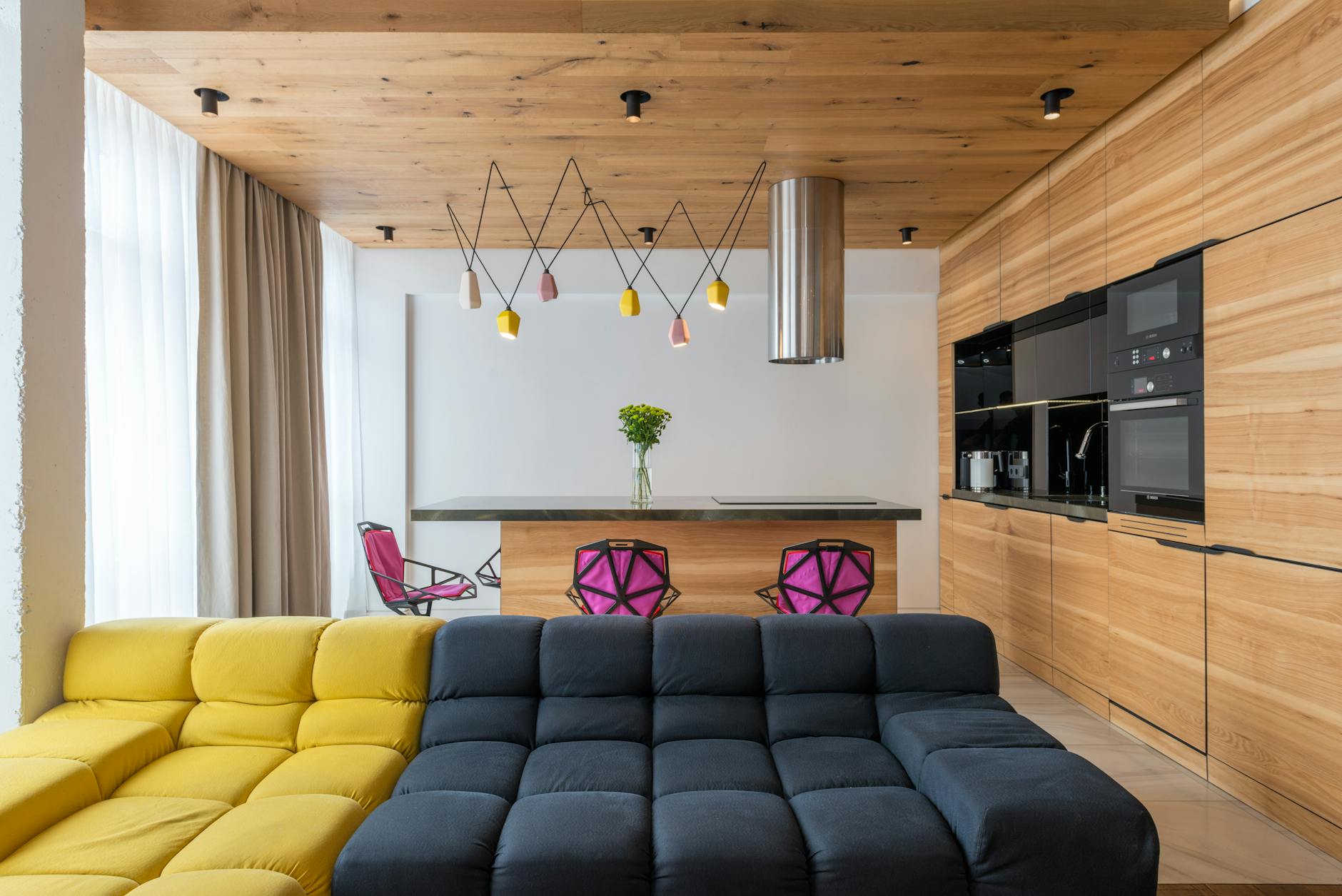
One of the most immediate ways to incorporate sustainability into your home is through the use of natural materials. Materials such as bamboo, cork, reclaimed wood, and natural stone are not only aesthetically pleasing but are also renewable or recycled. Bamboo, for instance, grows rapidly and can be harvested without damaging the environment. Reclaimed wood, on the other hand, gives a rustic charm to interiors while keeping timber out of landfills.
When selecting materials for furniture or flooring, prioritize those that have been sourced responsibly. Look for certifications such as FSC (Forest Stewardship Council) for wood products, which ensures that the materials have been harvested in a sustainable manner. Implementing these materials in your living spaces can create a warm, inviting atmosphere while showcasing your commitment to environmental stewardship.
Energy-Efficient Lighting and Appliances
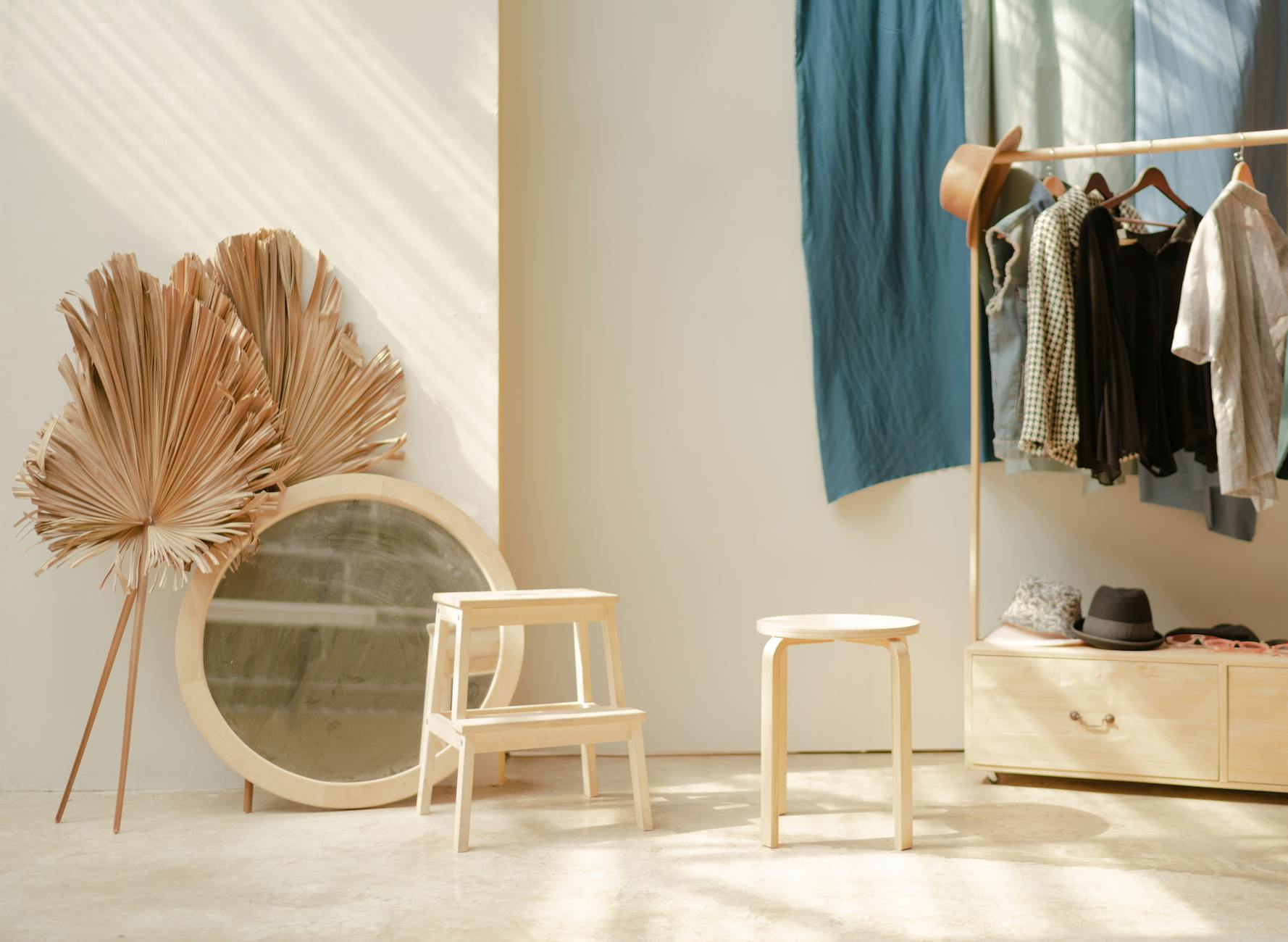
Lighting plays a significant role in both the ambiance and energy consumption of a home. Opting for energy-efficient lighting solutions, such as LED bulbs, can drastically reduce energy use and costs. Furthermore, consider integrating smart lighting systems that allow you to control brightness and activate routines based on your activities. These systems can adapt to your lifestyle, providing convenience without wasting energy.
In addition to lighting, the choice of appliances is crucial in sustainable interior design. Energy Star-rated appliances are designed to consume less energy than their conventional counterparts. Investing in efficient appliances not only lowers your energy bill but also reduces your carbon footprint. When crafting your modern kitchen or laundry area, these appliances can seamlessly blend style and functionality.
Indoor Plants for Better Air Quality
Incorporating indoor plants into your home is one of the simplest yet most effective ways to enhance sustainability. Plants not only improve air quality by absorbing pollutants but also contribute to the overall aesthetic of your home. They can serve as natural humidifiers, reducing the need for artificial moisture control systems. Additionally, plants like snake plants, pothos, and peace lilies are low-maintenance and thrive in various conditions, making them perfect for busy households.
Moreover, creating a green wall or using hanging planters adds a unique visual element to your space. This approach not only utilizes vertical space efficiently but also fosters biodiversity within your home. Adding greenery can elevate the atmosphere of any room—transforming it into a serene oasis while delivering various health benefits.
Upcycling and Multifunctional Furniture
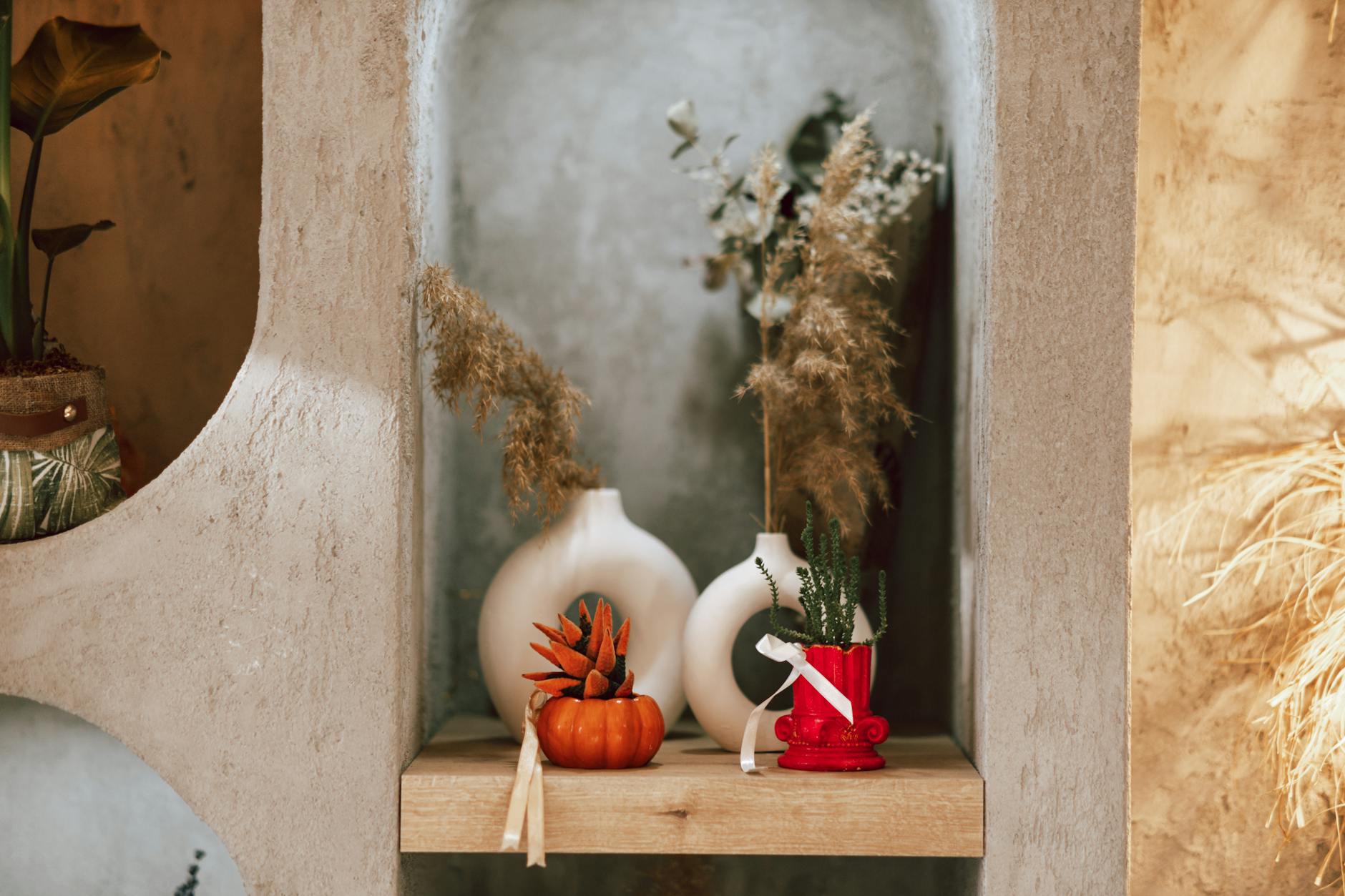
With the rise of minimalism and conscious living, upcycling furniture has gained popularity as a sustainable design choice. Upcycling involves repurposing old furniture into something new and functional, drastically cutting down on waste. You can find countless tutorials online for transforming old dressers into chic vanities or for refinishing worn-out chairs into statement pieces. Not only does upcycling reduce waste, but it also adds a personal touch to your home.
In addition to upcycling, consider investing in multifunctional furniture, especially for smaller spaces. Pieces that serve multiple purposes—like a coffee table that doubles as storage or a sofa bed for guests—can reduce the number of items you need while maximizing functionality. This approach not only saves space but also emphasizes a minimalist, clutter-free environment that celebrates simplicity and practicality.
Smart Home Technology for Sustainability
Embracing smart home technology can significantly enhance the sustainability of your living environment. From smart thermostats to energy monitoring systems, these technologies allow you to optimize your home’s energy use effectively. For instance, smart thermostats can learn your heating and cooling preferences, adjusting temperatures automatically to save energy when you’re away.
Moreover, smart power strips help manage energy consumption by cutting power to devices that are not being used, preventing phantom energy loss. Additionally, incorporating smart irrigation systems for outdoor spaces can ensure that your garden is watered efficiently, promoting water conservation. The integration of these technologies not only supports a sustainable lifestyle but also makes daily living more convenient and efficient.
Creating a Sustainable Mindset
Ultimately, sustainable interior design extends beyond just the materials and products you choose. It entails fostering a mindful approach to how you design and inhabit your space. Start by evaluating your consumption habits—prioritize quality over quantity to reduce waste and invest in timeless pieces that will last. Incorporate second-hand or vintage decor finds that hold history and character, rather than opting for mass-produced items.
Creating a sustainable mindset also involves educating yourself and others about the environmental impact of design choices. By sharing resources such as eco-friendly design inspiration on platforms like Pinterest, you can help spread awareness and encourage others to embrace sustainability in their homes as well. Engage with local communities that promote sustainable practices, from home improvement workshops to eco-friendly markets, fostering a collective commitment to a greener future.
In conclusion, sustainable interior design offers myriad opportunities for modern homeowners to create beautiful and eco-friendly living spaces. By incorporating natural materials, energy-efficient solutions, and upcycled furniture, you can craft an environment that reflects your values while remaining stylish and functional. Embrace these sustainable practices and enjoy the numerous benefits they bring, from improved air quality to reduced energy bills, as you contribute positively to the planet.