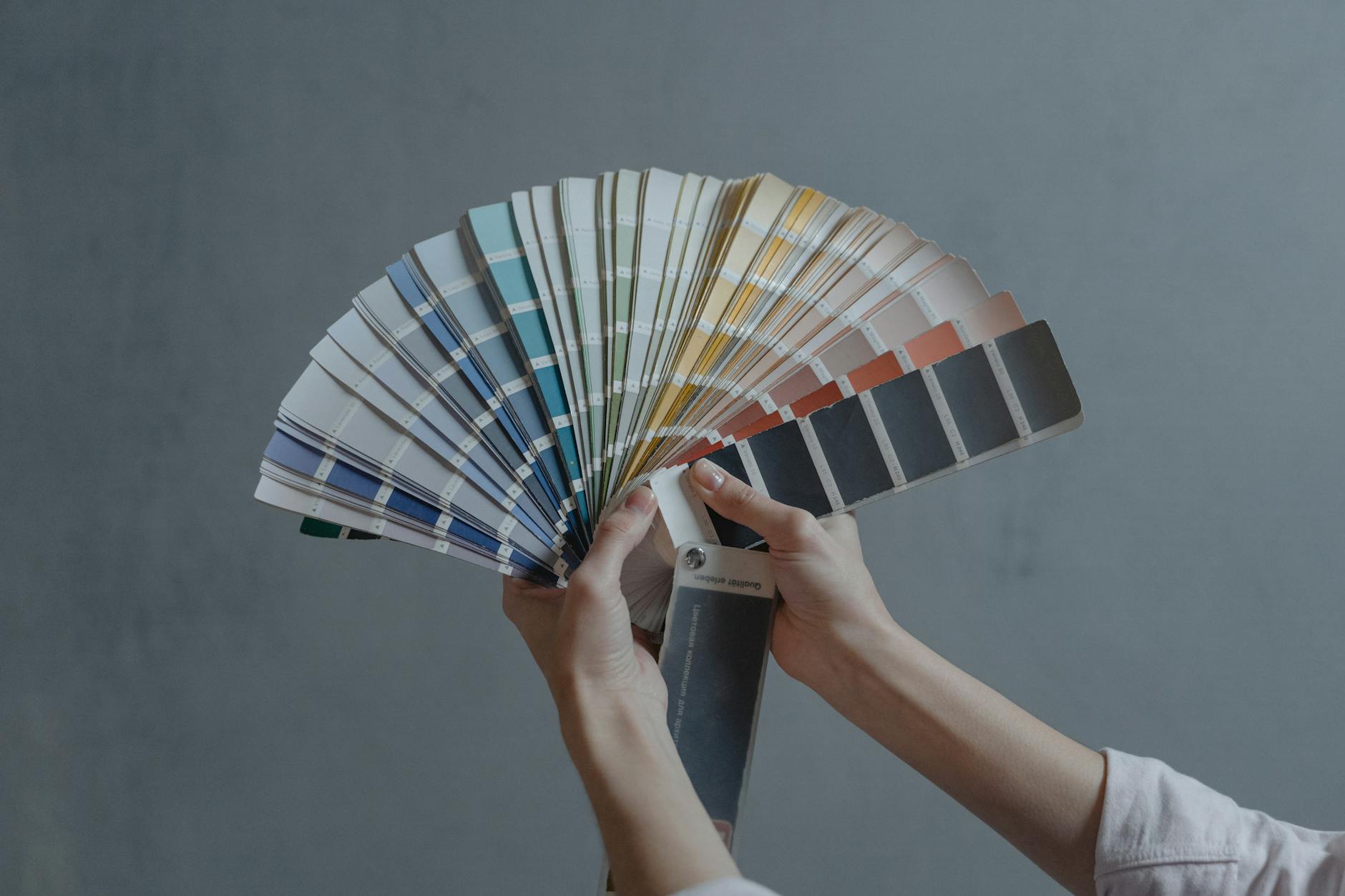
Color psychology plays an essential role in interior design, influencing how we feel and behave in our living and working environments. The hues we choose for our spaces can evoke a range of emotions and can even affect our productivity and well-being. Understanding the psychological effects of color can help you create a home or office that reflects your desired atmosphere and supports your lifestyle. This article explores how different colors impact mood and how to incorporate them effectively into your interior design projects.
The Emotional Spectrum of Colors
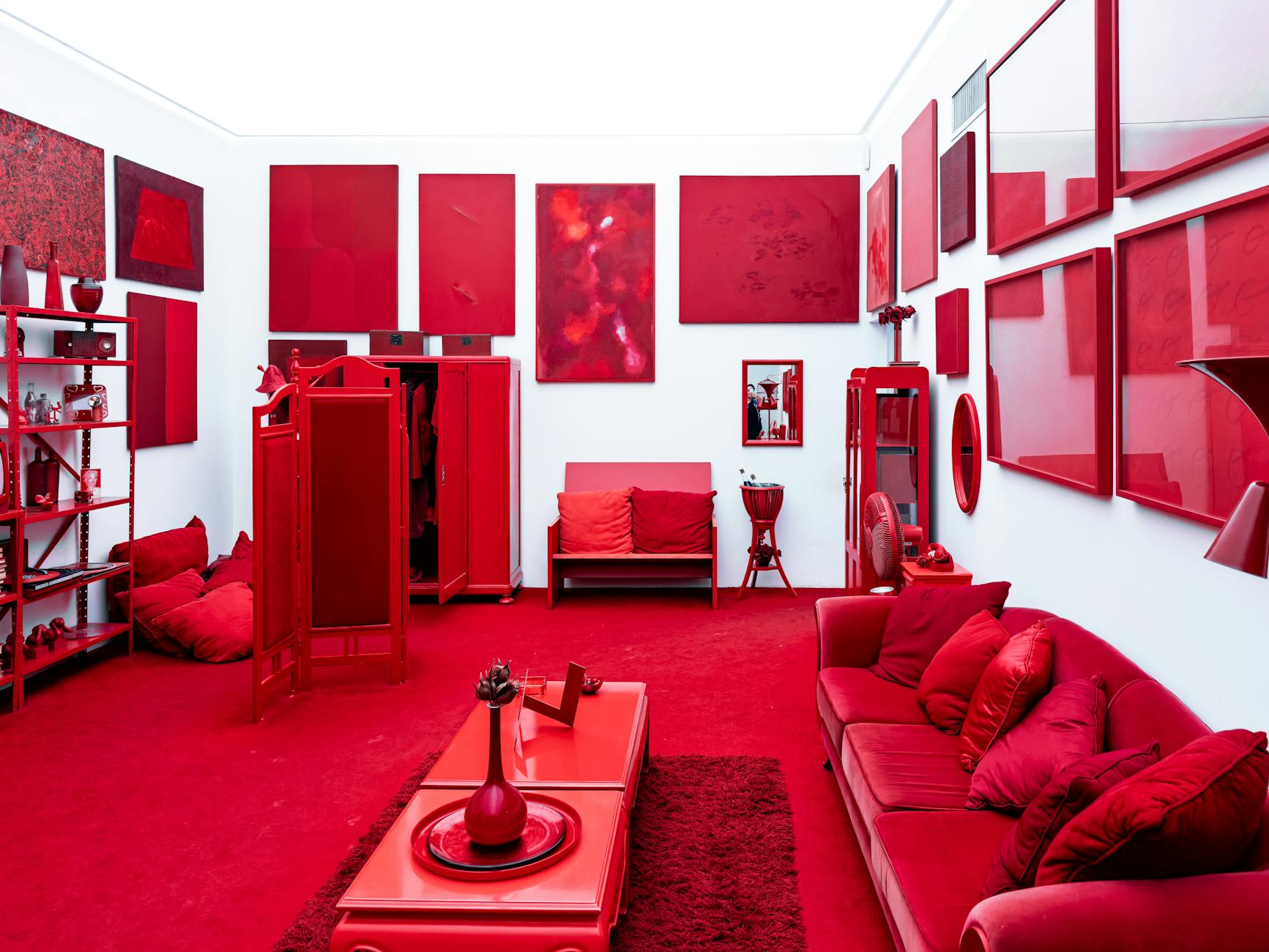
Every color possesses unique emotional and psychological associations. For example, red is known for its energetic and passionate qualities, often stimulating excitement or intensity. It can be a fantastic choice for spaces that benefit from high energy, such as gyms or dining areas. Conversely, blue is often associated with calmness, promoting tranquility and relaxation. This makes it an ideal choice for bedrooms and meditation areas, where a serene atmosphere is desired.
Green, representing nature and growth, can symbolize balance and restoration. It often works well in living rooms and home offices, as it fosters a sense of connection to the outdoors and a fresh perspective. On the other hand, yellow is known for its cheerful and uplifting qualities. It can invigorate a space, perfect for kitchens and playrooms. However, it’s crucial to balance yellow with other colors, as too much can become overwhelming.
Understanding these emotional connections allows designers to tailor spaces that resonate with the occupants’ needs and desires. Consider the primary function of each room, as this can guide your color choices. For instance, a cozy reading nook may benefit from soft, muted tones, while a vibrant home office could use bold, stimulating colors to enhance creativity.
Choosing the Right Color for Your Space
When selecting colors for interior design, it’s vital to consider the size and lighting of the room, along with the overall theme of your home. Light colors can make a small space feel larger and more open. For instance, soft pastels or neutral shades can create an airy environment, ideal for compact apartments. In contrast, darker hues can provide a sense of intimacy and warmth; they work well in larger spaces or rooms meant for relaxation, such as a cozy den.
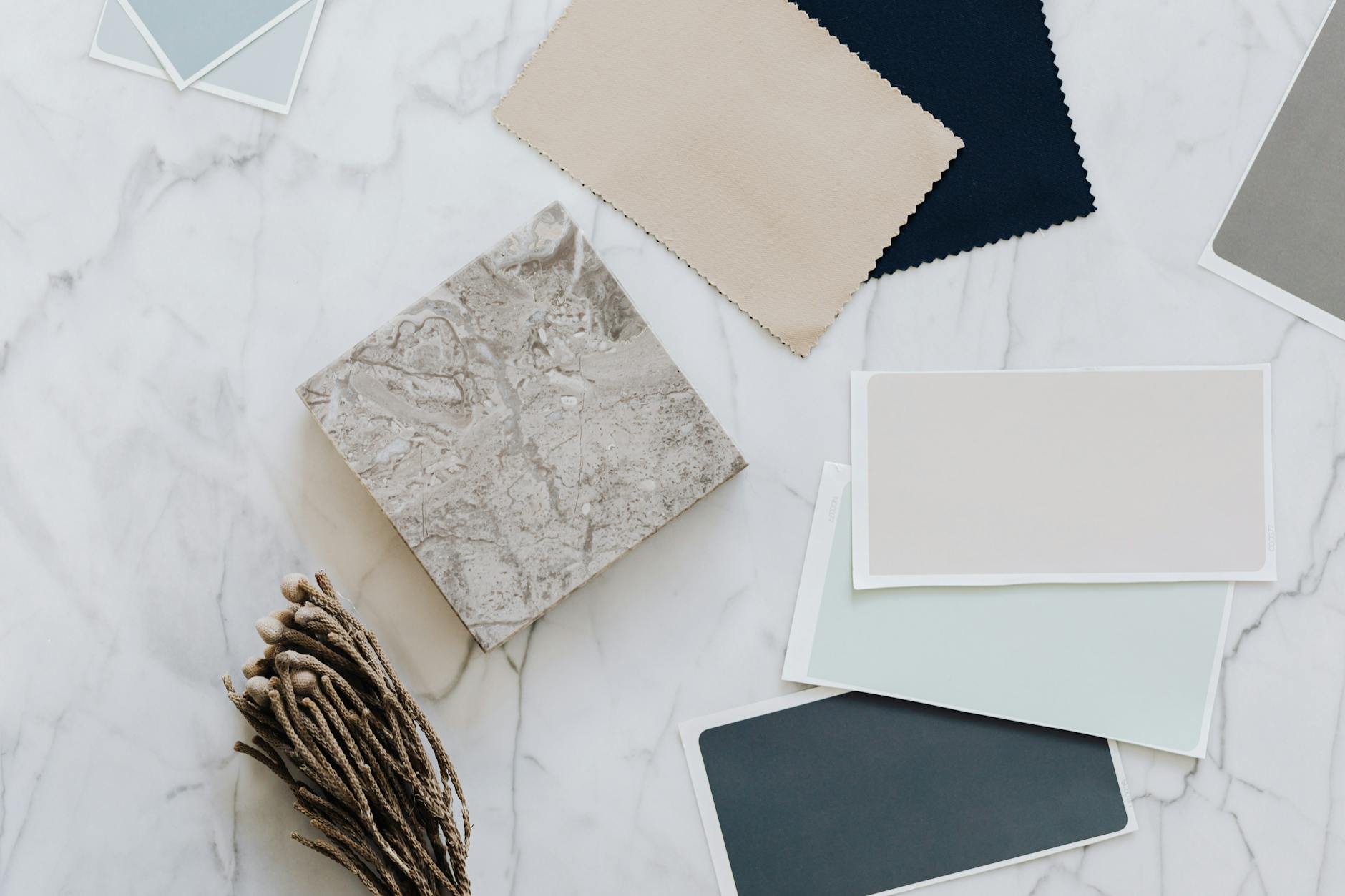
Natural light also plays a crucial role in how colors are perceived. A color may look different at various times of the day or under diverse lighting conditions, so it’s wise to test paint samples in your space before making a final decision. Additionally, consider the existing furnishings and décor; a cohesive palette that harmonizes with the overall design will create a more thoughtful and inviting atmosphere.
For those looking to make a bold statement, using accent colors can provide a fresh take on traditional color schemes. For example, pairing neutral walls with vibrant furniture or décor can create focal points without overwhelming the space. This approach allows for flexibility, as accent colors can be easily updated to reflect changing trends or personal tastes.
Color Application Techniques
Implementing color psychology effectively often involves strategic design techniques. One popular method is the 60-30-10 rule, which suggests using 60% of a room’s color as the dominant shade, 30% as a secondary color, and 10% as an accent color. This guideline helps maintain balance while ensuring a cohesive visual flow throughout the space. For example, in a living room, the walls might be painted a soft beige (60%), the furniture in rich olive green (30%), and the accessories (like cushions or artwork) in a vibrant coral hue (10%).
Another technique is layering colors through textures and patterns. By incorporating various materials—such as fabrics, wallpapers, and rugs—you can introduce depth and complexity to your color scheme. For instance, a bold patterned rug can anchor a space and provide a burst of energy, while textured curtains in a solid color can offer softness and warmth.
Moreover, don’t forget about the emotional impact of multifunctional spaces. As homes evolve to serve various purposes—from home offices to exercise areas—consider how color can facilitate a mood shift as you transition between activities. Using distinct color zones can clearly delineate spaces, subtly encouraging the desired function. For example, a bright, cheerful color palette in a play area can boost children’s energy and creativity, while a calming palette in a workspace can enhance focus and productivity.
Personalizing Your Color Choices
Ultimately, the most important aspect of color psychology in interior design is personal preference. While there are general guidelines about how colors influence mood, personal experiences and cultural backgrounds also play significant roles in these perceptions. Selecting colors that resonate with you is crucial for creating a space that feels authentic and comforting. Incorporate your favorite shades and patterns into the design to ensure your space reflects your personality.
Additionally, you can explore inspiration on platforms like Pinterest, where you can find diverse color palettes and design ideas tailored to various styles. For instance, check out these vibrant and soothing color combinations that showcase how hues can be successfully integrated into interior design: inspiring color palettes, dynamic color contrasts, and rich, vibrant hues.
In the end, embarking on your interior design journey with a solid understanding of color psychology can lead to transformative spaces that not only look beautiful but also feel right. By combining strategic color choices with your unique style, you can create a home or office that inspires, nurtures, and revitalizes daily life.
As you contemplate your next interior design project, embrace the power of color to affect change. Remember that each hue tells a story and can be a powerful tool in shaping the atmosphere of your environment.
For more ideas on color in design, explore the creative solutions found here: innovative design concepts. Let your imagination guide you!