
Creating a beautiful and functional living space is an art that requires careful consideration and planning. While every homeowner has unique tastes and visions, there are some common interior design mistakes that can undermine the overall aesthetic and functionality of a home. This article will explore these pitfalls room by room, providing insights on how to enhance your spaces without falling into these traps.
Living Room Blunders
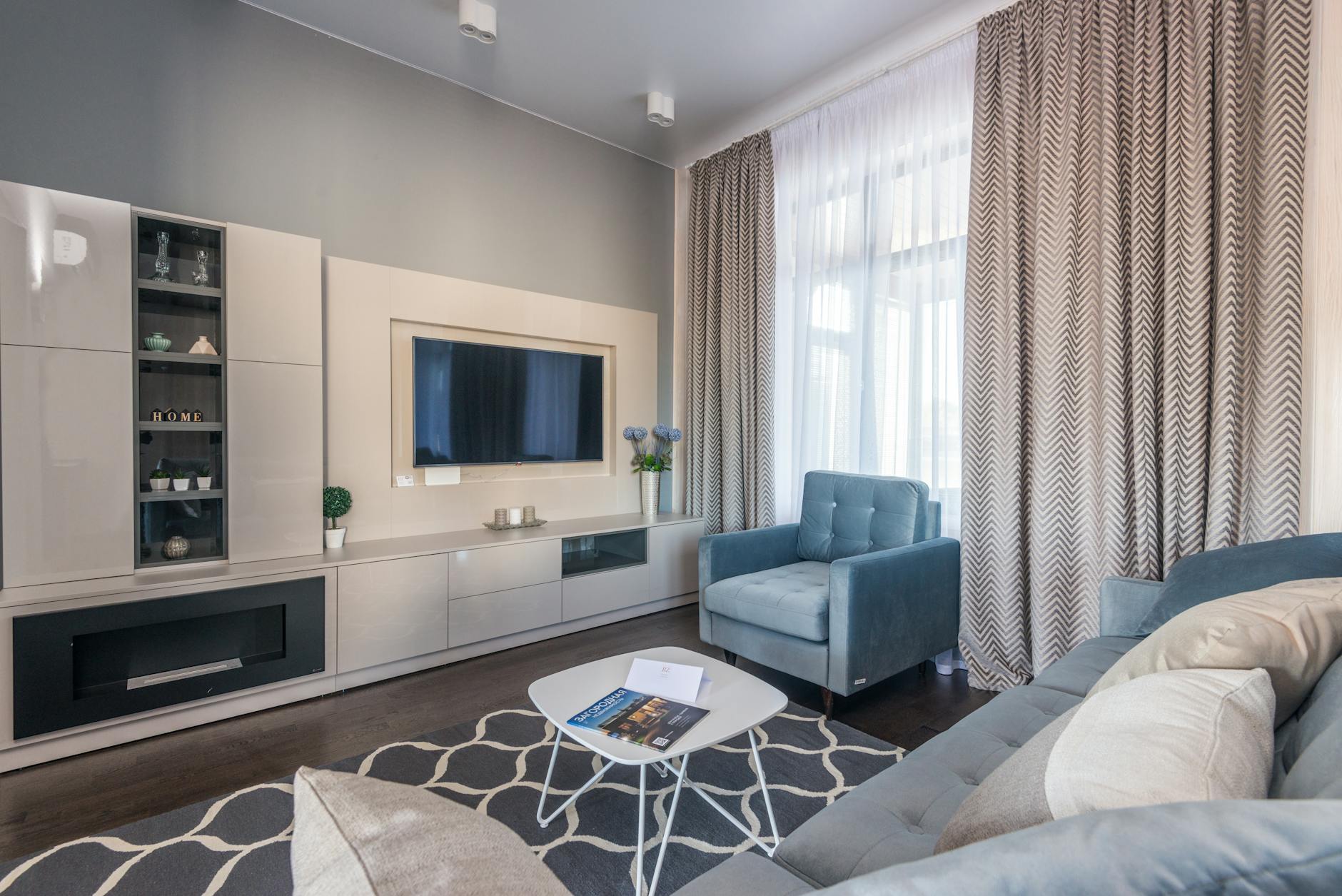
The living room is often the heart of the home, a space for entertaining and relaxation. However, many homeowners overlook key factors in its design. One common mistake is overcrowding the space with furniture. It may be tempting to fill every corner with seating and accessories, but this often leads to a cluttered feel, making it difficult to navigate. Instead, focus on a few quality pieces that create an inviting atmosphere. Aim for a balanced arrangement where movement is easy, allowing guests to flow naturally in and out.
Another critical error is neglecting lighting. A well-lit room can dramatically enhance the mood and functionality of the space. Relying solely on overhead lighting can create harsh shadows. Instead, incorporate a mix of ambient, task, and accent lighting to add depth and warmth. For instance, consider adding table lamps, floor lamps, and wall sconces to create layered lighting options that can be adjusted based on the occasion.
Color choices in the living room can also make or break the design. A common mistake is selecting colors that clash or are too bold for the space. While vibrant hues can add character, they can also overwhelm the senses if not used wisely. Instead, choose a cohesive color palette that complements the room’s architecture and furniture. For inspiration, check out this stunning living room design on Pinterest.
Kitchens: Functionality Over Aesthetics
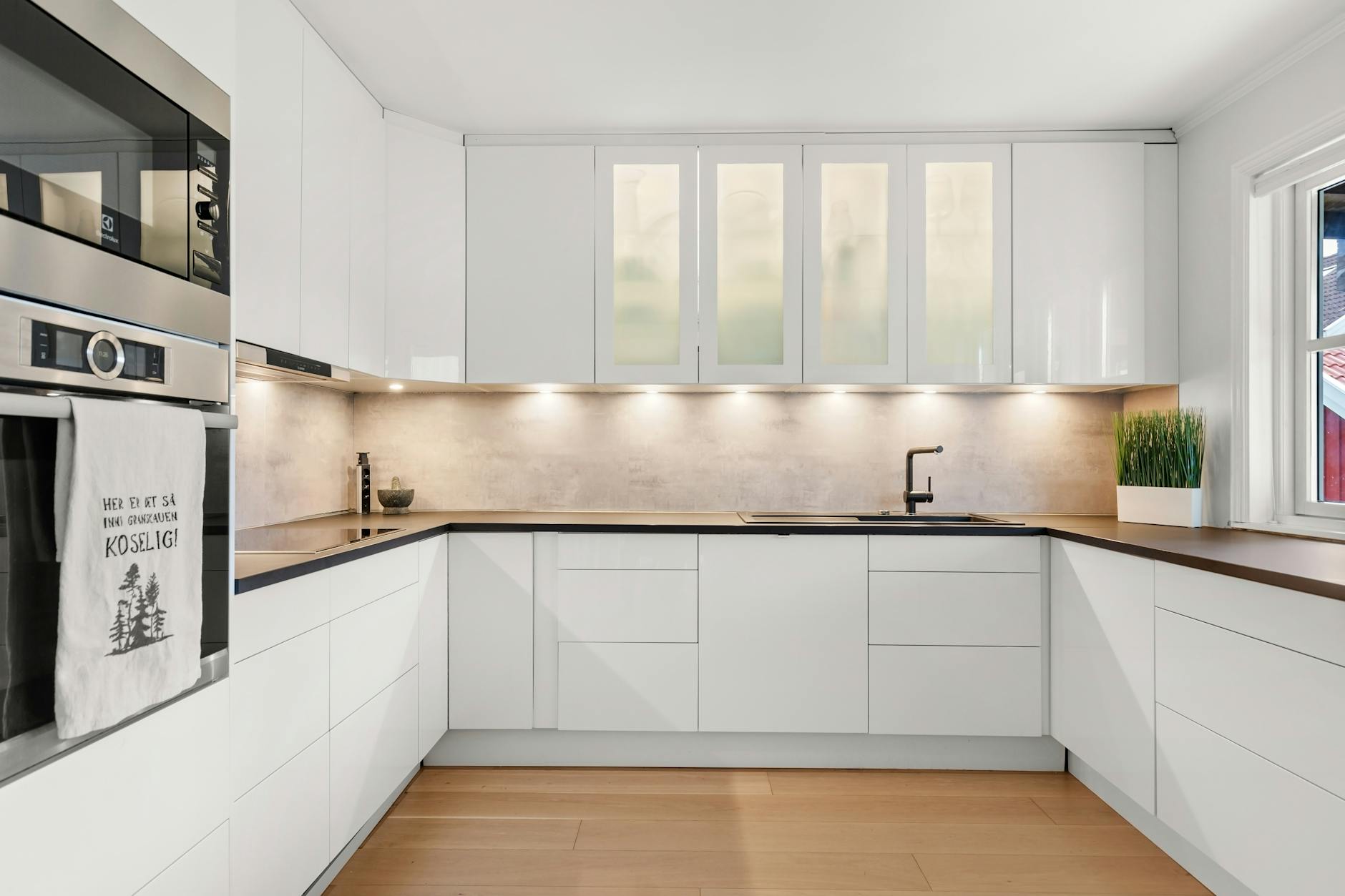
In the kitchen, the balance between functionality and aesthetics is crucial. One of the most significant design mistakes is underestimating the importance of workflow. The kitchen work triangle—a design principle that involves the optimal positioning of the sink, stove, and refrigerator—should guide your layout. If these elements are too far apart or poorly arranged, it can create inefficiency. Always prioritize the flow of the space, ensuring that preparing meals is both easy and enjoyable.
Another common kitchen blunder is neglecting storage needs. Many kitchen designs fall short in providing adequate storage solutions, leading to cluttered counters and stress during meal prep. Incorporate clever storage options such as pull-out shelves, lazy Susans, and vertical dividers. This not only enhances functionality but also keeps your countertop free of unnecessary items, contributing to a clean and organized look.
Finally, many homeowners fail to consider the importance of durable materials. In high-traffic areas like kitchens, using materials that can withstand wear and tear is essential. Choosing finishes that are easy to clean and maintain will save you time and money in the long run. Explore various [kitchen designs](https://uk.pinterest.com/pin/962785226600404527/) that highlight durability without sacrificing style.
Bedrooms: The Sanctuary Mistakes
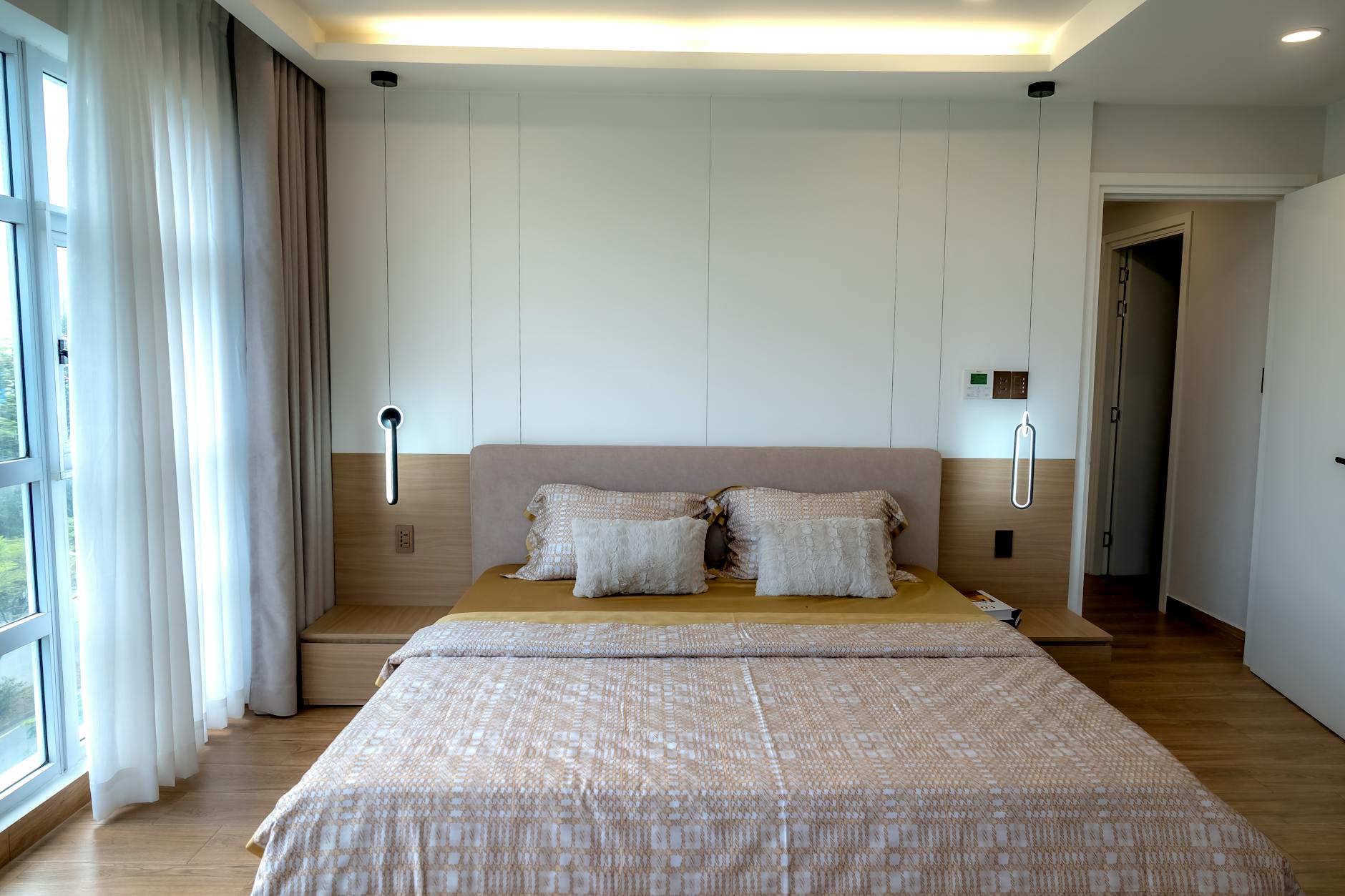
The bedroom should be a sanctuary—an oasis of calm and relaxation. However, a common mistake in bedroom design is overcrowding it with furniture. While it may seem practical to include multiple pieces, like a large bed, dresser, and seating, too many items can create a cramped and chaotic atmosphere. Instead, choose a few essential pieces that promote comfort and tranquility. A well-placed bedside table and soft lighting can create a cozy feel without overwhelming the space.
Another frequent error is neglecting personal style. A bedroom that lacks character can feel uninviting and bland. Incorporate personal elements such as artwork, photographs, or textiles that reflect your personality. Layering different textures through bedding, curtains, and rugs can also add depth and warmth, creating a more inviting environment. For design ideas, consider browsing this inspiring [bedroom collection](https://jp.pinterest.com/pin/962785226590436808/).
Overlooking window treatments is another mistake many make. Bare windows can make a room feel unfinished, while poorly chosen curtains can clash with the overall aesthetic. Opt for window treatments that complement your decor and provide both privacy and light control. Finally, consider the size of your window when choosing fabric; light fabrics can enhance natural light, making a small room feel larger.
Bathroom Faux Pas
Bathrooms are often the most overlooked spaces when it comes to design, yet they can significantly impact the overall feel of a home. A prevailing mistake is ignoring the balance between style and functionality. While it’s tempting to choose stunning tiles and fixtures, remember that the bathroom should also be a practical space. Opt for materials that can withstand humidity and are easy to clean, merging beauty with utility.
Additionally, many homeowners fail to maximize space in smaller bathrooms. Lack of storage solutions can lead to clutter, making the area feel cramped. Incorporate wall-mounted shelves, built-in cabinets, or even cleverly designed nooks to make the most of your space. The right storage can transform a crowded bathroom into an organized and serene retreat.
Finally, lighting in the bathroom is often an afterthought. Overhead lights alone can cast harsh shadows, making everyday tasks like shaving or applying makeup challenging. Layer your lighting with sconces beside mirrors and ambient lights above to create an inviting atmosphere. For bathroom lighting inspiration, look into these beautifully designed spaces featured on Pinterest.
Conclusion
Designing your home should be a joyful process, free from the constraints of common pitfalls. By avoiding these interior design mistakes across various rooms, you can create spaces that are not only beautiful but also functional and reflective of your personality. Remember to focus on balance, lighting, storage, and personal expression in every area of your home for a cohesive and inviting environment.