
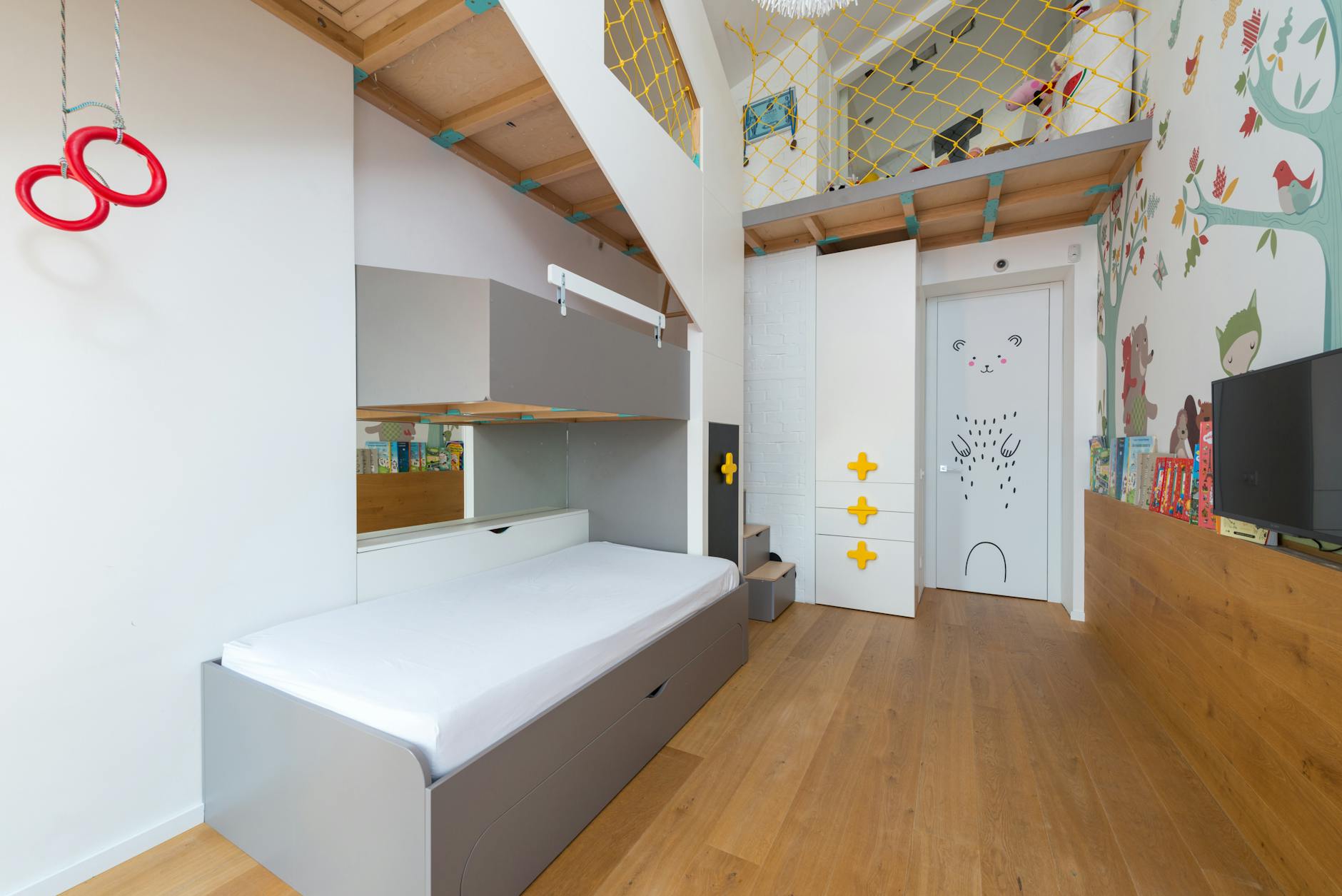
When it comes to creating spaces for children, the challenge often lies in balancing functionality with aesthetic appeal. Parents want to foster an environment that nurtures growth, creativity, and play while ensuring the design aligns with their personal style. Achieving this harmony is entirely possible through thoughtful consideration of layout, materials, and decor. In this article, we’ll explore how to design interiors that are both kid-friendly and stylish, allowing your home to be a reflection of your tastes without compromising on safety and practicality.
Considerations for Layout
The foundation of any well-designed space starts with the layout, especially when children are involved. Rooms should be structured to promote freedom of movement while reducing the risk of accidents. For instance, opt for open floor plans that allow kids to play without barriers. Avoid sharp corners by selecting rounded furniture, or choose pieces with soft edges. Utilize area rugs to define separate zones for play, reading, or lounging. Rugs not only add a touch of style but also provide a soft landing for little ones.
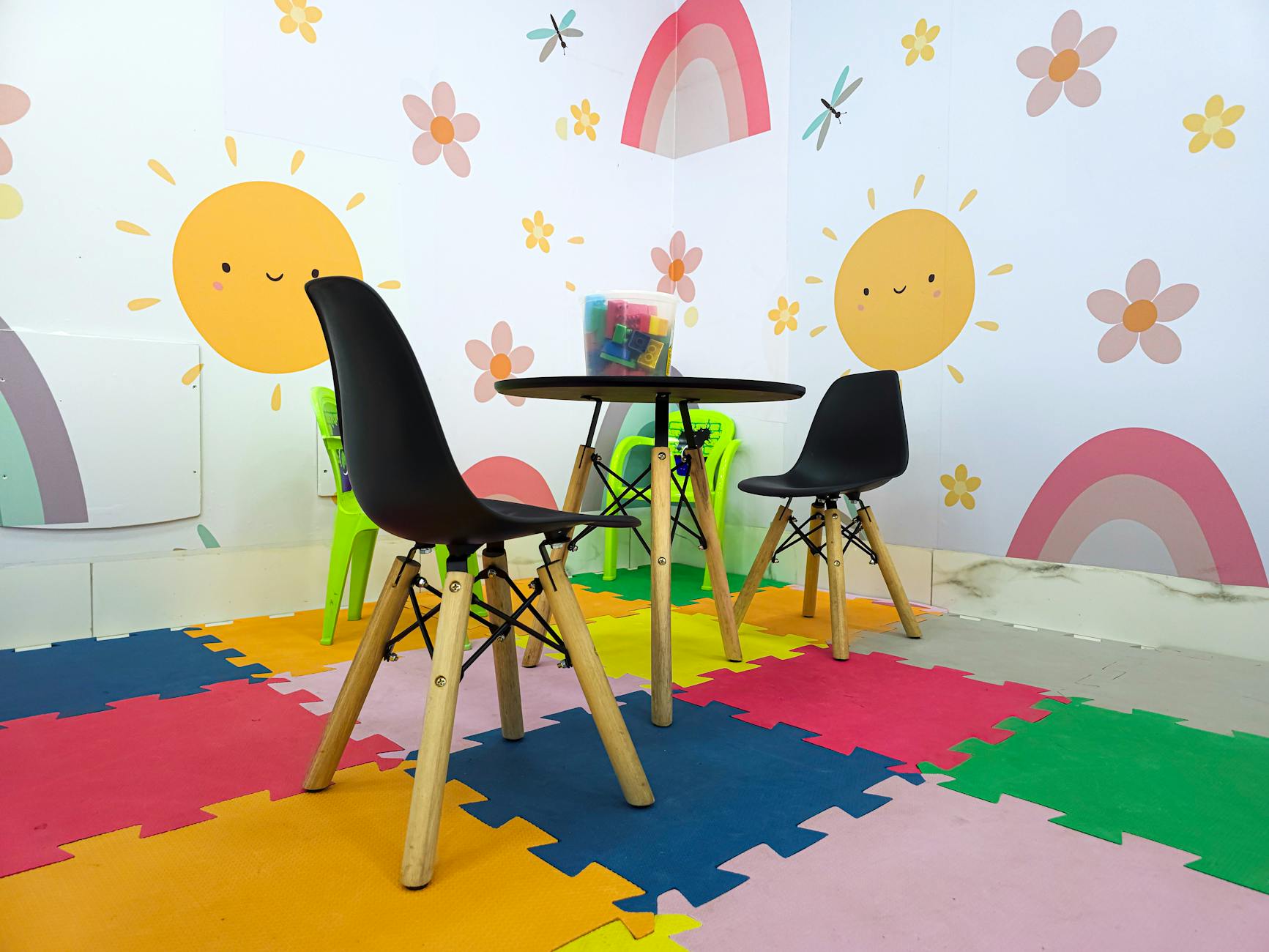
Flexibility in furniture arrangement is also crucial. Modular sofas, movable tables, and stackable chairs can adapt as children grow and their activities change. It’s recommended to incorporate multi-functional furniture. A storage ottoman can serve as a seating option during playdates or as a footrest when it’s time to relax. Moreover, consider including a small play table that can accommodate crafts, puzzles, and homework, making it a versatile spot for various activities.
Choosing Durable Materials
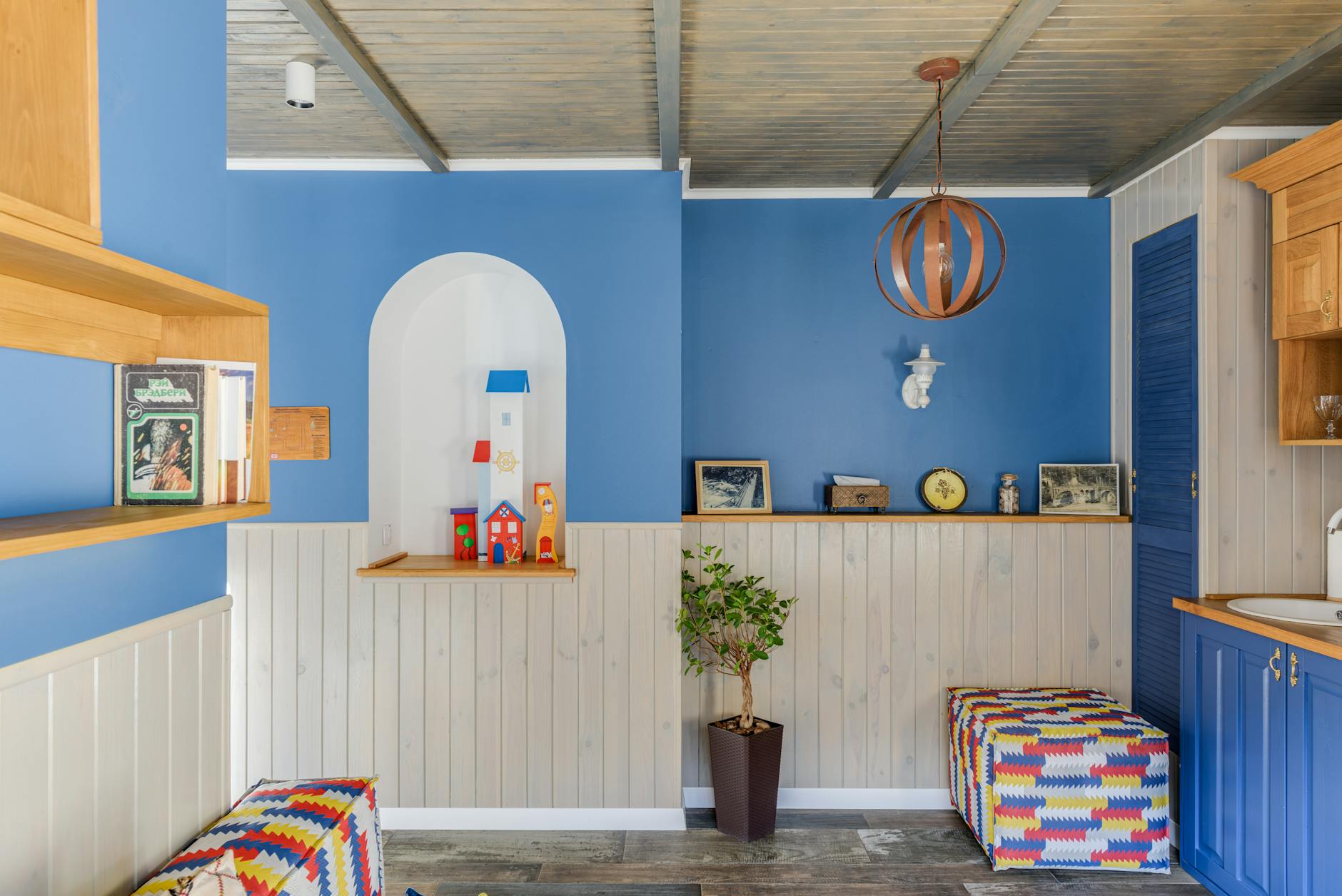
In a home with children, material selection is paramount. Not only should materials be aesthetically pleasing, but they also need to withstand wear and tear. Look for fabrics that are stain-resistant and easy to clean, such as microfiber or outdoor fabrics. These materials can maintain their appearance even after countless spills, sticky fingers, and the inevitable chaos that accompanies young ones.
When it comes to hard surfaces, consider options like laminate or vinyl flooring that mimic the appearance of wood without the upkeep. These surfaces are durable and can be easily wiped clean. For countertops and tables, quartz or treated wood are excellent choices—they offer style and resilience against scratches and heat. Also, remember that furniture pieces meant for children, such as beds and chairs, should be crafted from non-toxic materials to ensure a safe environment.
Incorporating Color and Patterns
A well-thought-out color palette can significantly enhance the mood and functionality of a child’s room. Bright and vibrant colors can ignite creativity and energy, while softer pastels can create a calm environment conducive to rest and relaxation. When selecting colors, think about the psychological impact—blue hues can be soothing, while yellows and oranges can encourage playfulness. Consider painting an accent wall with a bold color or using removable wallpaper for seasonal updates that don’t require a complete overhaul.
Patterns also play a crucial role in adding character to a kid’s space. From playful animal prints to geometric designs, introducing patterns through bedding, curtains, or area rugs can infuse life into the room. When using patterns, balance is key; mixing too many can lead to visual chaos. Aim for a cohesive look by choosing one or two dominant patterns complemented by solid colors. For inspiration, explore various options on platforms like Pinterest.
Creating Zones for Play and Learning
Designing a space that caters to both play and study is essential in creating a functional environment for children. Establishing distinct zones can help kids understand where to play and where to focus on their studies. For example, a cozy reading nook with a small bookshelf and plush seating can encourage a love for reading, while a well-lit desk area can be designated for homework and art projects.
Incorporating elements like chalkboard walls can also serve dual purposes. Kids can express their creativity while parents can jot down reminders or grocery lists in a fun way. Another unique idea is to use furniture pieces that incorporate storage solutions; for instance, a desk with drawers can conceal school supplies, reducing clutter. Emphasizing organization through stylish storage bins or baskets, available in various colors and textures, can further enhance functionality while contributing to the overall room aesthetic.
For innovative ideas on study spaces that are both stylish and practical, check out this Pinterest board for inspiration.
Personalizing with Decor
While functionality is vital, personal touches can transform a child’s space into a truly unique environment. Involve your child in the design process, letting them choose artwork, bedding, or wall decals that resonate with their interests. This not only makes the room feel more personal but also fosters a sense of ownership. Stylish framed prints or custom-made artworks can elevate the aesthetic and create a gallery wall that reflects their growing personality.
Accessorizing with decorative items like plush toys can add warmth and character without overwhelming the space. When selecting decor, opt for items that are not just for aesthetics but also serve educational purposes, such as world maps, alphabet posters, or themed books. These can stimulate curiosity and learning while enhancing the room’s design. For further ideas, check out this Pinterest collection for decorating inspiration.
As children grow, their tastes will evolve, so ensure that decor elements are easy to change. Paintings can be swapped out, and themed accessories can be updated, keeping the space fresh without an entire redesign.
In summary, designing kid-friendly yet stylish interiors is a delicate balancing act that requires thoughtful planning and creativity. By considering layout, selecting durable materials, and incorporating colors, patterns, and personalized decor, you can create a space that is both functional and reflective of your family’s style. The key lies in flexibility and adaptability—allowing your child’s space to grow and evolve with their needs. Embrace the journey of decorating a space that nurtures both play and learning while ensuring it aligns with your aesthetic preferences, allowing for a home that truly embodies your family’s lifestyle.