
In an age overwhelmed by consumerism, the minimalist lifestyle offers a refreshing perspective on home organization and interior design. A professional minimalist understands that less can truly be more. The goal isn’t merely to declutter but to create a serene, functional space that reflects one’s values and lifestyle. Organizing your home like a professional minimalist involves making intentional choices about what you own and how you use your space. This guide will help you embrace minimalist principles and transform your home into a haven of simplicity and calm.
Understanding Minimalism: More Than Just Decluttering
Before diving into practical organization strategies, it is essential to understand the ethos behind minimalism. At its core, minimalism emphasizes intentional living and mindfulness. It encourages individuals to evaluate their belongings, keeping only those items that serve a purpose or bring joy. This philosophy extends beyond physical objects; it encourages a mental clarity that influences how one interacts with their space.
Incorporating minimalism into your home starts with assessing your current situation. Look around and ask yourself some pivotal questions: What items do I use regularly? What do I love? What is simply taking up space? This reflective practice lays the groundwork for a meaningful decluttering process, allowing you to make thoughtful decisions about what to keep, donate, or discard.
Once you grasp the fundamentals of minimalism, organizing your home requires a well-planned approach. It’s about creating a space where everything has its place, and functionality takes precedence over aesthetic clutter.
Practical Steps to Achieve a Minimalist Organization
Organizing your home like a professional minimalist involves several strategic steps. Begin by targeting one area at a time—this could be a room, a closet, or even a single drawer. Focused efforts can make the overwhelming task feel manageable. As you declutter, follow the “one in, one out” rule: every time you bring a new item into your home, consider removing an existing one. This practice helps maintain balance and prevents clutter from accumulating again.
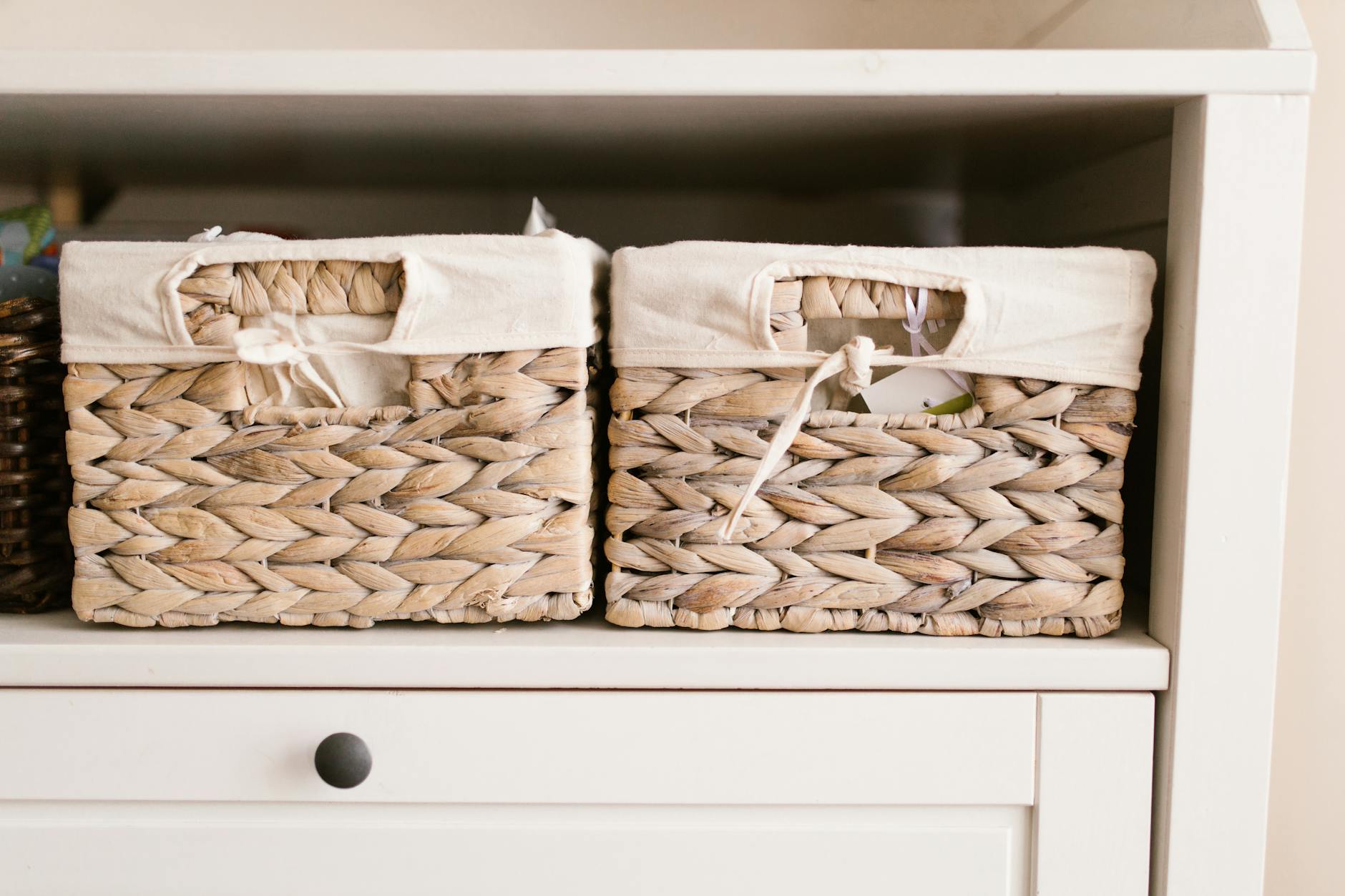
Next, categorize your belongings into groups: keep, donate, sell, and discard. Be honest with yourself about the items that you truly need. For instance, kitchen gadgets that haven’t been touched in years may not be necessary. Once categorized, place the items you choose to keep in storage solutions that promote accessibility and visual harmony. Invest in stylish bins, trays, or baskets that complement your minimalist aesthetic while serving functional purposes.
In addition to physical organization, consider digital decluttering. Unsubscribe from unnecessary emails, organize your digital files, and clear out old photos from your devices. A streamlined digital life contributes significantly to mental clarity, creating a cohesive minimalist lifestyle.
Creating a Calming Atmosphere Through Design Choices
Once you’ve removed excess clutter and organized your belongings, the next step is enhancing your home’s atmosphere. Minimalist design is characterized by clean lines, neutral color palettes, and natural materials. To evoke a sense of calm, consider painting your walls in soft, muted tones. Shades like whites, beiges, and soft grays not only make spaces feel larger but also promote tranquility.
Furniture selection is another critical aspect of minimalist design. Opt for multifunctional pieces that serve more than one purpose. For instance, a coffee table with hidden storage or a sofa bed can maximize space, reducing the need for additional furniture. This approach not only conserves physical space but also fosters a clean, uncluttered aesthetic.
Accessorizing your home minimally is also essential. Select a few curated decorative items that resonate with you—perhaps a piece of art, a well-crafted vase, or a cherished book. These items can serve as focal points in your home, adding personality without overwhelming the space. Remember, the goal of a minimalist aesthetic is to create an inviting yet serene environment.
Maintaining Your Minimalist Home
Transforming your home into a minimalist haven is an ongoing journey, not a one-time event. To maintain your organized space, establish a routine of regular evaluations. Schedule time monthly to reassess your belongings and ensure that your space aligns with your minimalist values. This practice prevents the slow accumulation of unnecessary items and reinforces your commitment to a simpler lifestyle.
Moreover, involve your family or housemates in the minimalist journey. Engage them in discussions about shared spaces and collective responsibility for decluttering. This communal effort can foster greater understanding and promote a shared commitment to minimalism. It’s essential that everyone feels included in the process; this will make maintaining a minimalist home a cohesive effort rather than a solitary task.
Lastly, embrace flexibility in your approach to minimalism. Life changes—whether it’s a growing family, a new job, or changing interests—may necessitate adjustments in your organization strategies. Allowing your minimalist practices to evolve with your circumstances will help you retain a functional and enjoyable living space.
Conclusion: Embracing Minimalism in Every Aspect
Organizing your home like a professional minimalist can redefine your relationship with your living space. By adopting the principles of mindfulness and intentionality, you can create a home that reflects your true self—free from distractions and clutter. Remember, minimalism is not about deprivation; it’s about making room for what truly matters. By following these steps, you’ll be well on your way to cultivating a serene, organized, and meaningful environment that enhances your quality of life.