
Open-concept living has emerged as a dominant trend in modern interior design, redefining the way we perceive and utilize space in our homes. This layout, characterized by the removal of walls separating key areas such as the kitchen, dining room, and living room, offers a unique blend of functionality and aesthetics. But while open-concept designs offer a myriad of benefits, they also come with their own set of challenges. In this article, we will explore the pros and cons of open-concept living and provide essential styling tips to maximize your space.
Benefits of Open-Concept Living
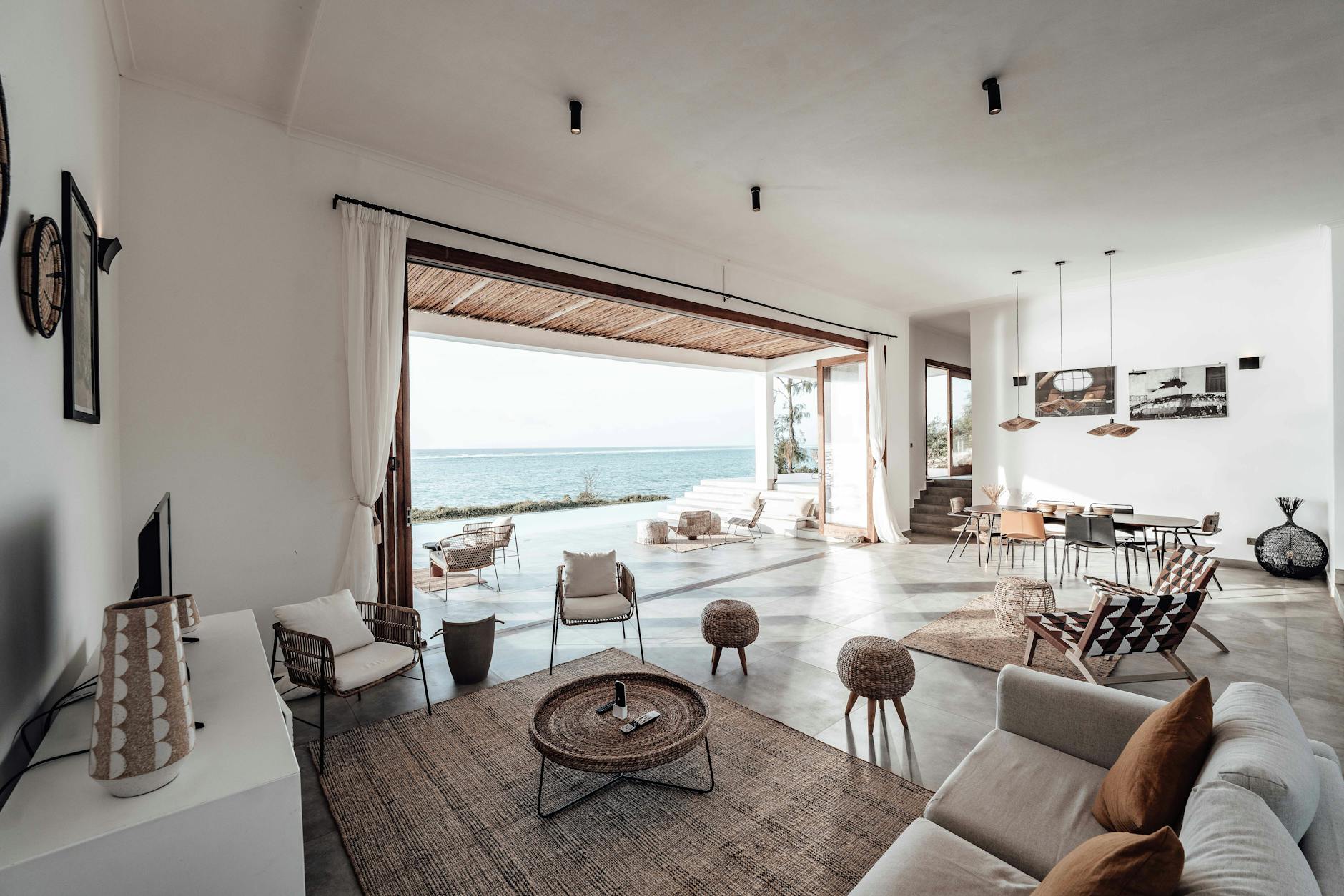
One of the most significant advantages of open-concept living is the enhanced sense of space and light. By removing walls that typically confine individual rooms, the space feels larger and more airy, allowing natural light to flow freely throughout the home. This design creates an inviting atmosphere, ideal for social interactions, as it encourages conversations and connections among family members or guests.
Moreover, open-concept layouts are often more flexible, allowing homeowners to adapt the space to their needs. Whether you want to create a cozy reading nook or a playful area for children, the absence of rigid boundaries makes it easier to personalize your environment. The versatility of an open space means that furniture can be arranged in a multitude of ways to suit varying functions and preferences.
Additionally, open-concept living can lead to improved sightlines and ease of movement. Parents can supervise children while cooking, and hosts can mingle with guests while preparing meals, bridging the gap between different activities without the interruption of walls. This interconnectedness often enhances the overall functionality of a home, making daily routines more efficient.
Challenges of Open-Concept Living
Despite its many advantages, open-concept living also presents several challenges that homeowners should consider. One of the primary concerns is noise control. Without walls to absorb sound, open spaces can become loud and chaotic, especially during gatherings or when multiple activities take place simultaneously. This can hinder relaxation and create an overwhelming atmosphere, particularly in larger households.
Another issue is the lack of privacy. In an open floor plan, personal spaces are exposed, which can be uncomfortable for some individuals. For example, if one family member is watching TV or working from home, their activities are easily visible and audible to others. This aspect can make it challenging to maintain peace and quiet when needed, as there are no designated areas to retreat to.
Furthermore, decorating an open-concept space can be a daunting task. With no walls to delineate different areas, it can be difficult to create a cohesive design that reflects your personal style. The risk of the space feeling disjointed or cluttered is higher, necessitating careful planning and consideration to achieve a harmonious look.
Styling Tips for Open-Concept Spaces
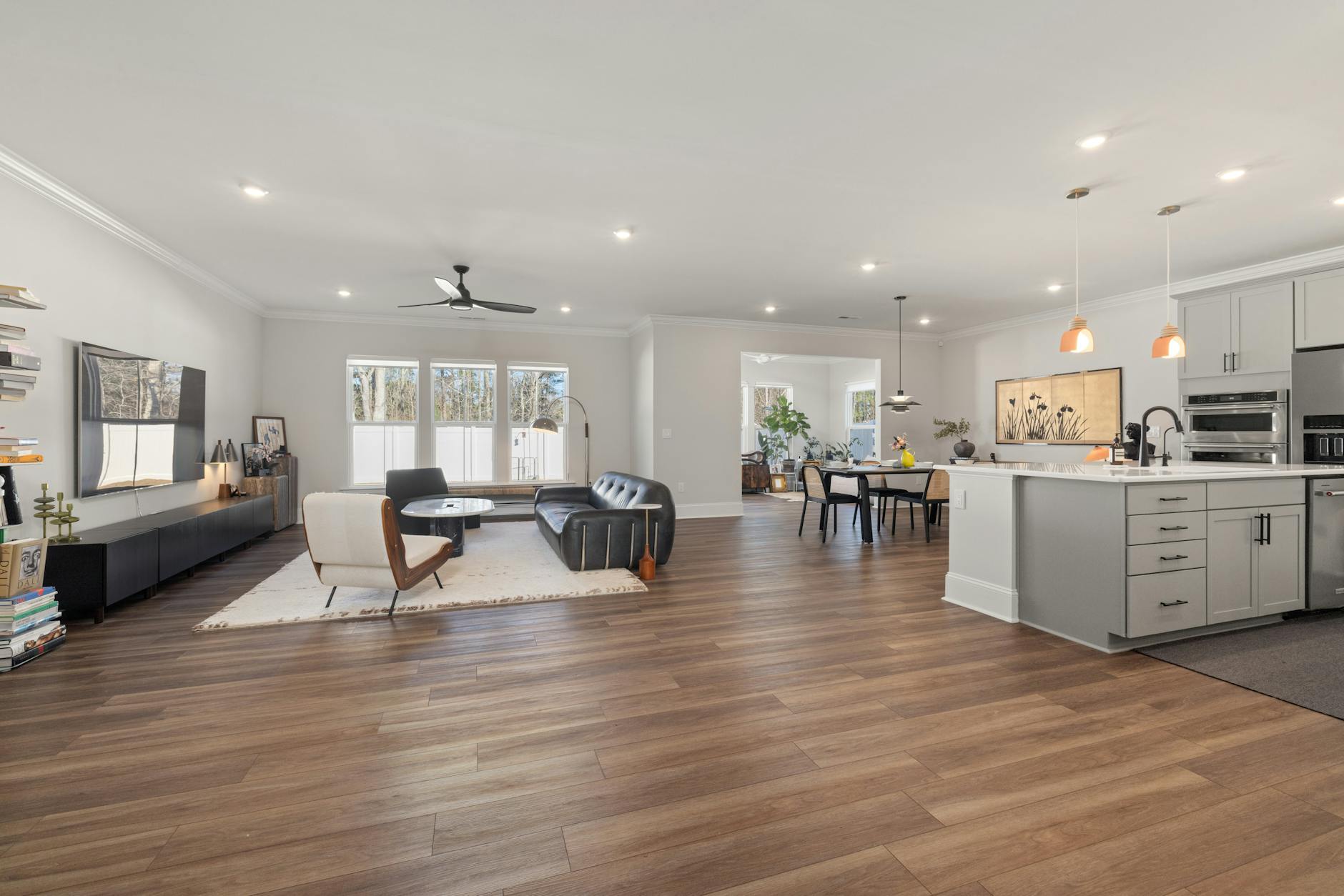
To successfully style an open-concept living area, consider incorporating various design techniques that help define each zone while maintaining a cohesive look. One effective method is the use of area rugs. Strategically placed rugs can delineate different spaces, such as a dining area or seating arrangement, creating an inviting and defined atmosphere. Choose rugs that complement your overall color scheme and style to unify the space while offering visual separation.
Another approach is to utilize furniture arrangement to create distinct areas. Position sofas, chairs, or shelving units to form natural boundaries between the kitchen, living room, and dining space. This not only helps to establish separate functional zones but also encourages conversation and connection while maintaining open sightlines. Consider modular or multi-functional furniture that can adapt to your changing needs.
Incorporating vertical elements such as tall plants, bookshelves, or partitions can also be effective in defining spaces without closing them off. For example, a tall houseplant can add life and interest while subtly separating the living area from the dining space. Alternatively, a stylish bookshelf can serve as a partial divider, offering both storage and visual appeal.
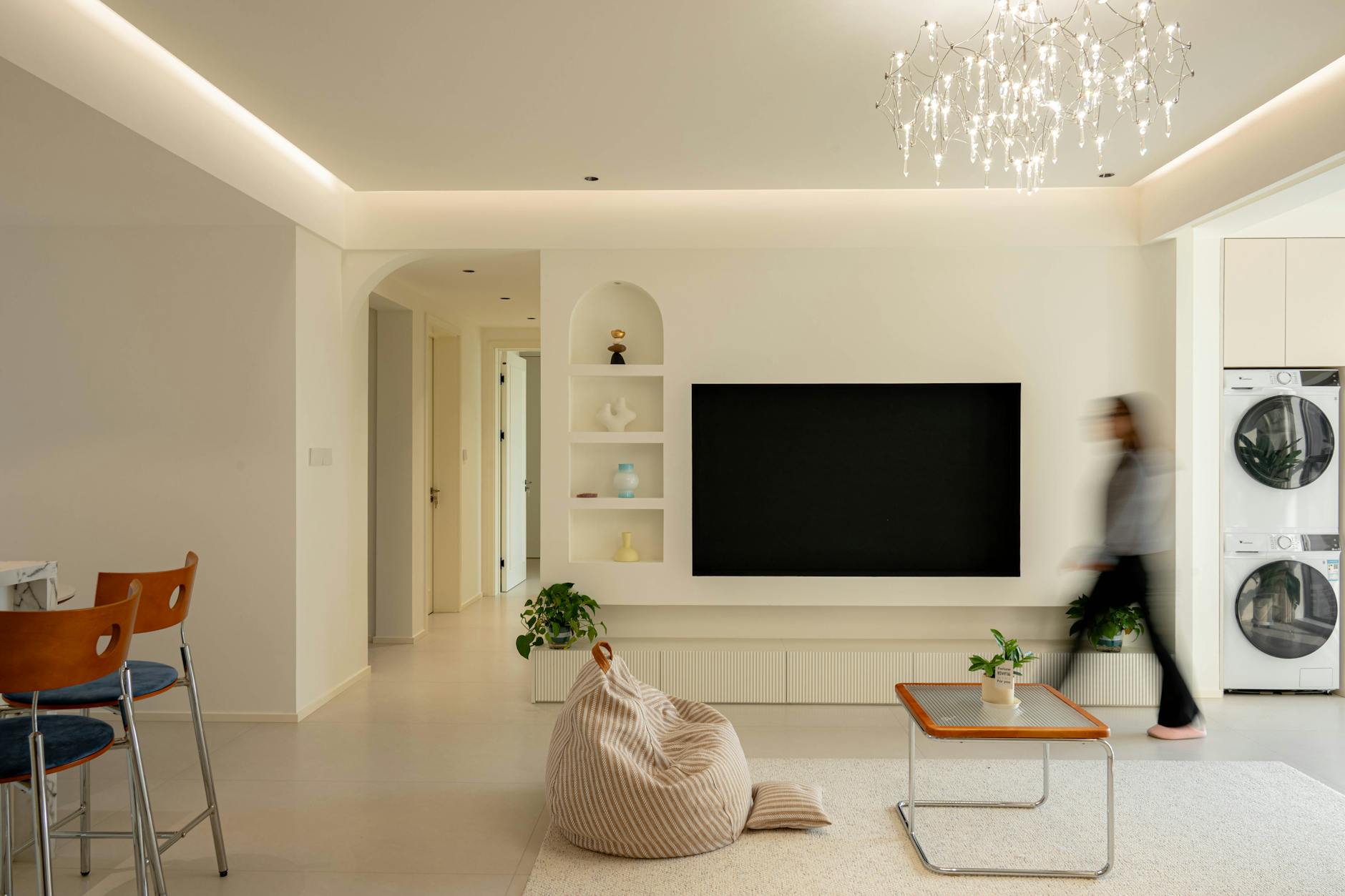
Finally, pay attention to color and lighting when styling an open-concept home. Consistent color palettes throughout the space can help unify different areas, creating a sense of harmony. To further enhance the design, layer various lighting sources—such as pendant lights, floor lamps, and wall sconces—to create an inviting ambiance while ensuring that each area is well-lit. This layered approach not only highlights specific zones but also contributes to a warm and cohesive atmosphere.
For more inspiration on open-concept designs, explore these curated collections on Pinterest: Open-Concept Living Spaces and Modern Open-Concept Designs.
Final Thoughts on Open-Concept Living
Open-concept living can be a transformative choice for homeowners seeking a modern, fluid design that enhances their lifestyle. As with any design trend, it is essential to weigh the pros and cons carefully, considering your specific needs and preferences. By implementing thoughtful styling techniques and creating functional zones, you can maximize the potential of your open-concept space, fostering a home that is both beautiful and practical.
Ultimately, whether you embrace or shy away from open-concept living, the key lies in customizing the space to fit your lifestyle, creating a sanctuary that reflects your unique personality while facilitating everyday life.