
In our increasingly urbanized and digital world, the need for a connection to nature has never been more critical. Biophilic design seeks to bridge the gap between human beings and the natural environment, creating interiors that evoke feelings of well-being and tranquility. As more studies illustrate the psychological and physiological benefits of nature exposure, designers are integrating elements that mirror the outdoor experience within indoor spaces. This article explores the principles of biophilic design, its benefits, and practical applications that can transform your living or working environment into a thriving oasis.
The Principles of Biophilic Design
At its core, biophilic design integrates nature directly into architectural and interior spaces. This approach can encompass various design elements, from the use of natural materials and colors to the incorporation of living plants and water features. The implementation of biophilic design principles relies heavily on the understanding of human psychology and our innate affinity for the natural world. Key aspects include:
- Natural Elements: Incorporating materials like wood, stone, and bamboo promotes a sense of grounding and connection to nature. These materials not only enhance the aesthetics of a space but also improve air quality, making the environment more inviting.
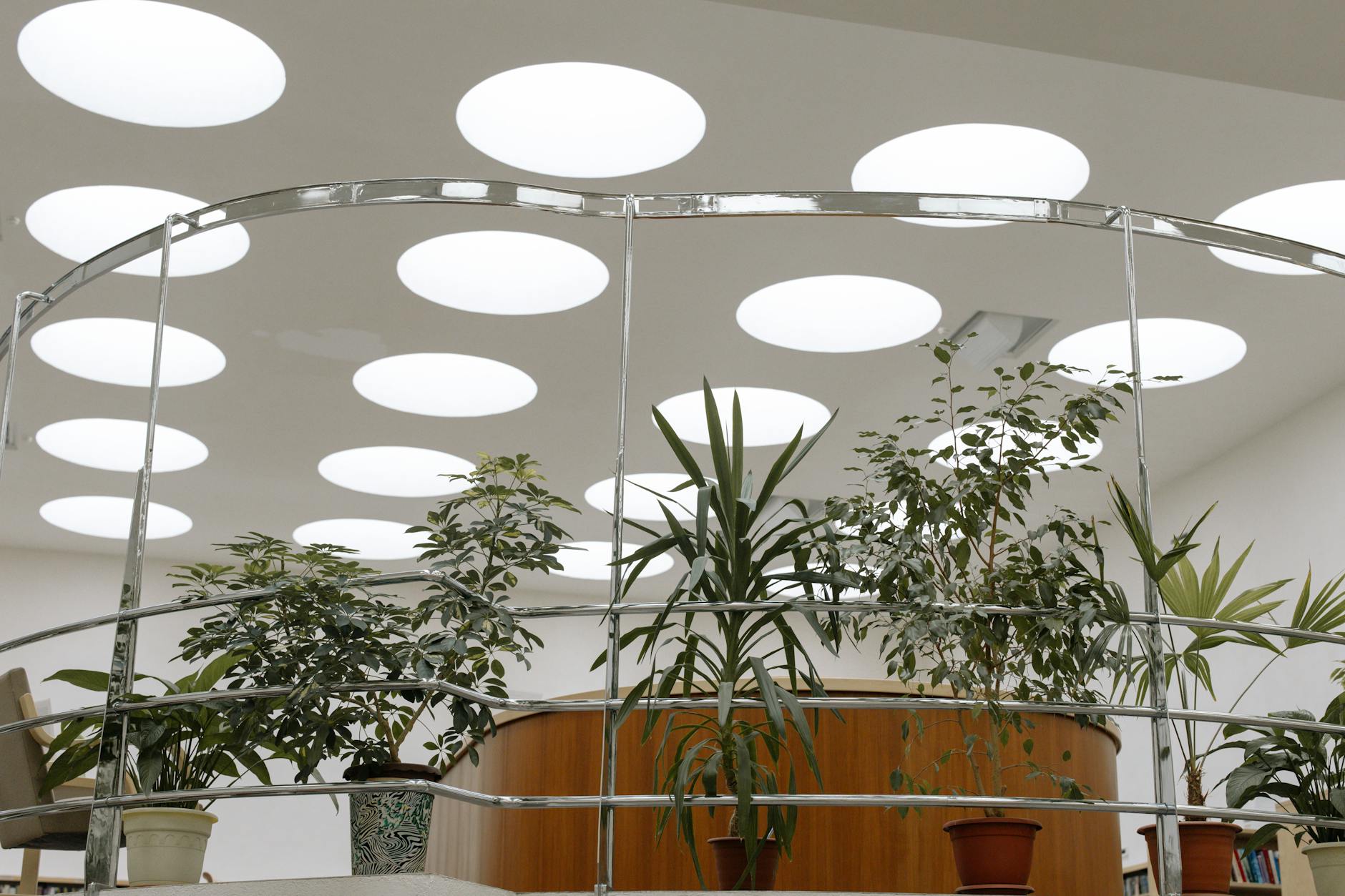
- Light and Space: Natural light is a crucial component of biophilic design. Maximizing sunlight through large windows and skylights can elevate moods, enhance productivity, and create a more open and airy ambiance.
- Views of Nature: Designing interiors around views of natural landscapes or gardens can significantly reduce stress and increase relaxation for occupants. The mere presence of greenery can lead to improved mental clarity and emotional balance.
- Water Features: The sound of flowing water and the sight of aquatic elements can evoke a feeling of calmness. Indoor fountains, aquariums, or even small water installations are valuable in replicating this aspect of nature.
By emphasizing these principles, biophilic design not only creates visually appealing spaces but also nurtures a deeper emotional connection with the environment.
Health Benefits of Biophilic Design
The integration of biophilic design is not merely a trend—its importance is supported by a growing body of research highlighting numerous health benefits. Studies indicate that environments rich in natural elements can reduce stress levels, enhance cognitive function, and promote overall wellness. For example, workplaces designed with biophilic principles tend to experience a decrease in absenteeism and increase in employee productivity. Furthermore, homes infused with nature can contribute to better mental health outcomes, aiding in the management of anxiety and depression.
“Biophilic design is an approach that recognizes and seeks to harness our innate connection to nature.”
This connection is crucial for both physical and emotional well-being. Exposure to nature has been shown to lower blood pressure, enhance immune function, and improve mood. For families, creating a home environment that incorporates biophilic elements can lead to more harmonious living spaces, fostering connections among family members and promoting a sense of peace. As people spend more time indoors due to lifestyle changes or societal shifts, prioritizing biophilic design becomes essential for maintaining a healthy balance.
Practical Applications of Biophilic Design
Implementing biophilic design elements in your home or office doesn’t require a complete overhaul. Here are some practical applications to consider:
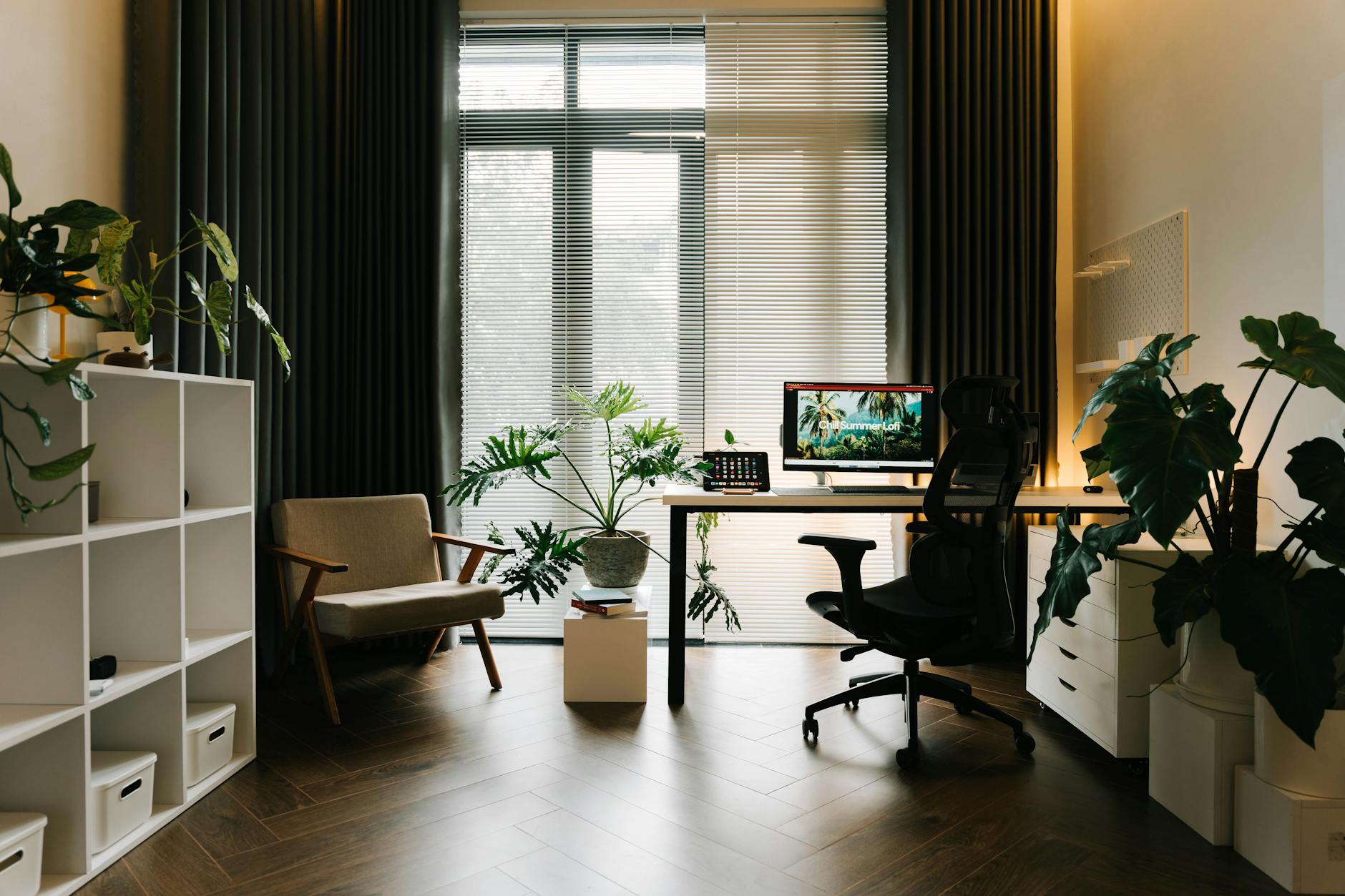
- Indoor Plants: Incorporate a variety of indoor plants that thrive in your space. Not only do they add beauty, but they also purify the air. Consider low-maintenance plants like succulents, ferns, or spider plants if you’re new to gardening.
- Natural Color Palettes: Choose colors inspired by nature—earthy tones such as greens, browns, and blues can evoke feelings of calmness and safety. When selecting paint or furnishings, explore options that mimic the hues found in natural landscapes.
- Natural Textures: Use textiles and materials that mimic natural surfaces. Linen, cotton, and wool can add warmth and comfort, while stone or reclaimed wood can provide a tactile experience that connects occupants to the natural world.
- Maximize Natural Light: Rethink window placements and use sheer curtains to allow light while maintaining privacy. Consider open floor plans that allow sunlight to flow into different areas of the home.
Small, intentional changes can yield significant impacts, transforming your environment into a more serene and nurturing space. For further inspiration, explore designs that effectively showcase biophilic principles on platforms such as Pinterest.
Challenges and Considerations
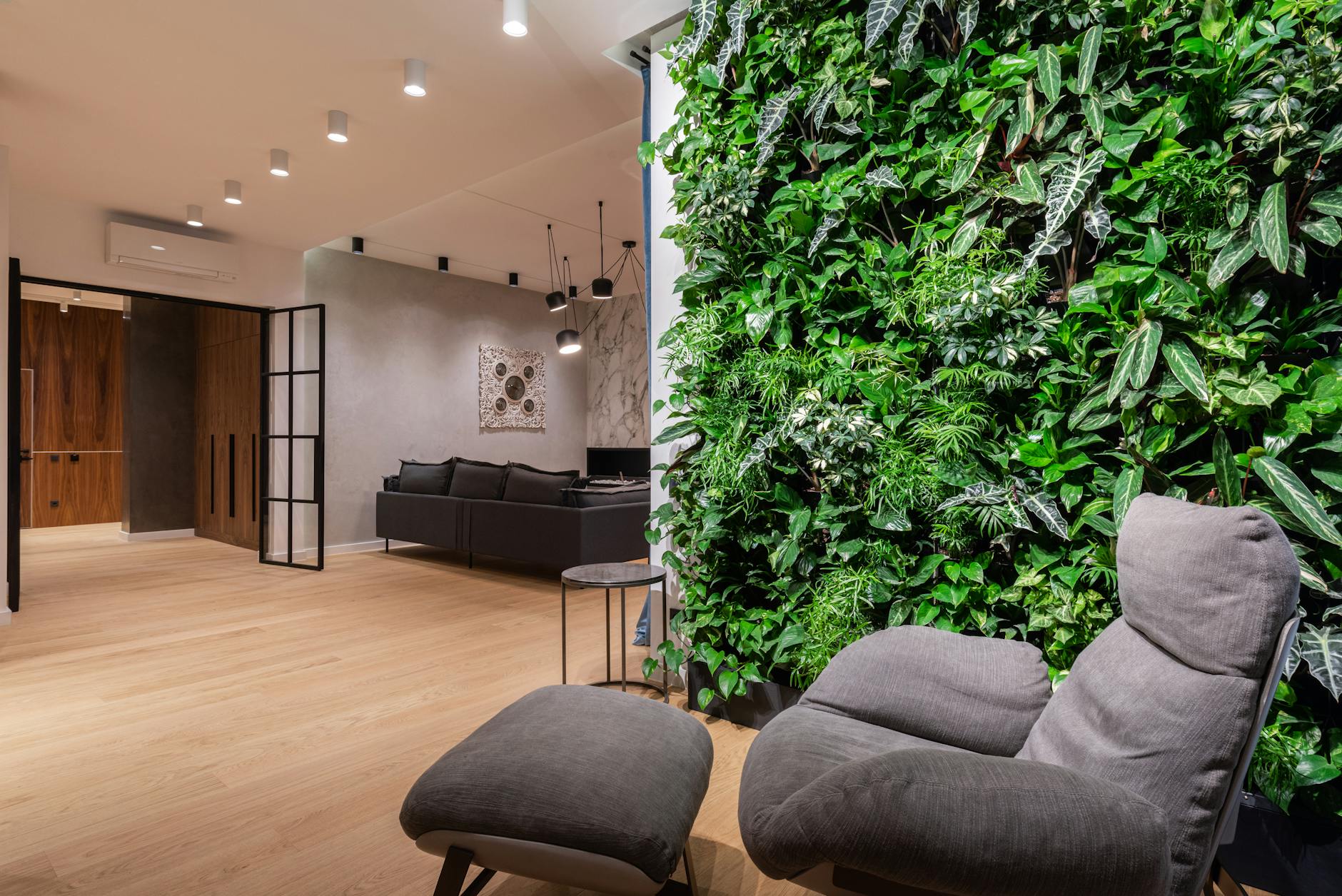
While embracing biophilic design offers numerous benefits, challenges may arise in the implementation process. Space limitations can make it difficult to incorporate large plants or water features, particularly in urban settings where square footage is precious. However, solutions such as vertical gardens or wall planters can help maximize greenery in compact spaces. Additionally, seasonal changes can impact the maintenance of living elements; therefore, selecting hardy plants that require minimal care is essential for long-term success.
Another consideration is the integration of technology. With smart home systems on the rise, balancing the digital with the natural is vital. While technology can enhance comfort and convenience, it’s important not to let it overshadow the calming aspects of nature. Finding a balance ensures that your space remains a sanctuary, promoting relaxation rather than distraction.
For those looking to dive deeper into biophilic design, visit Pinterest for innovative ideas and examples of successful applications.
Ultimately, biophilic design is about creating spaces that resonate with our natural instincts, offering a respite from the chaos of modern life. By thoughtfully incorporating elements that connect us to nature, we can cultivate environments that promote health, productivity, and overall well-being. Whether through the strategic use of plants, light, materials, or textures, every effort counts towards enhancing our daily experiences and fostering a profound connection to the world around us.