
In an era where our homes serve as sanctuaries from the chaos of everyday life, the importance of balanced and harmonious design cannot be overstated. A well-designed space not only reflects the personality of its inhabitants but also promotes a sense of tranquility and well-being. This article explores the key elements that contribute to achieving balance and harmony in interior design, encouraging you to create a home that is aesthetically pleasing and functional.
The Principles of Balance in Interior Design
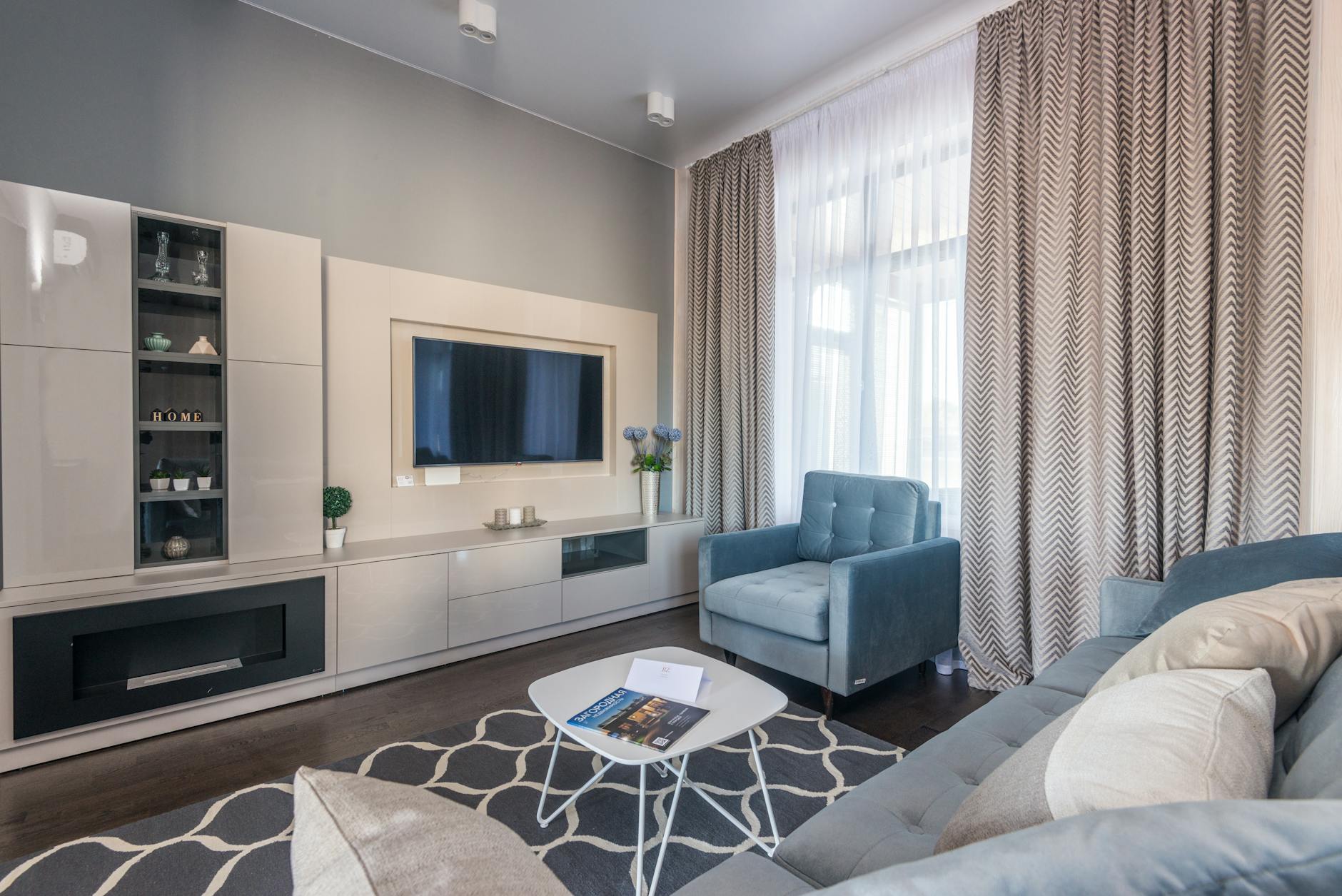
Balance in interior design refers to the distribution of visual weight within a space, ensuring that no single element overwhelms the others. There are three primary types of balance that designers often consider: symmetrical, asymmetrical, and radial. Symmetrical balance involves mirroring elements on either side of a central point, creating a formal and orderly appearance. This is particularly effective in traditional and classical styles, where pairs of lamps or artworks flanking a fireplace can provide a sense of stability.
On the other hand, asymmetrical balance can be achieved by arranging different elements of varying sizes, shapes, and colors to create an informal yet visually interesting composition. This method is favored in contemporary design, where unexpected pairings—such as a large abstract painting on one side and a cluster of small plants on the other—create dynamic focal points. Lastly, radial balance organizes elements around a central focal point, guiding the eye in a circular motion. This approach can be seen in circular dining tables or concentric seating arrangements in living areas.
Emphasizing Color Harmony
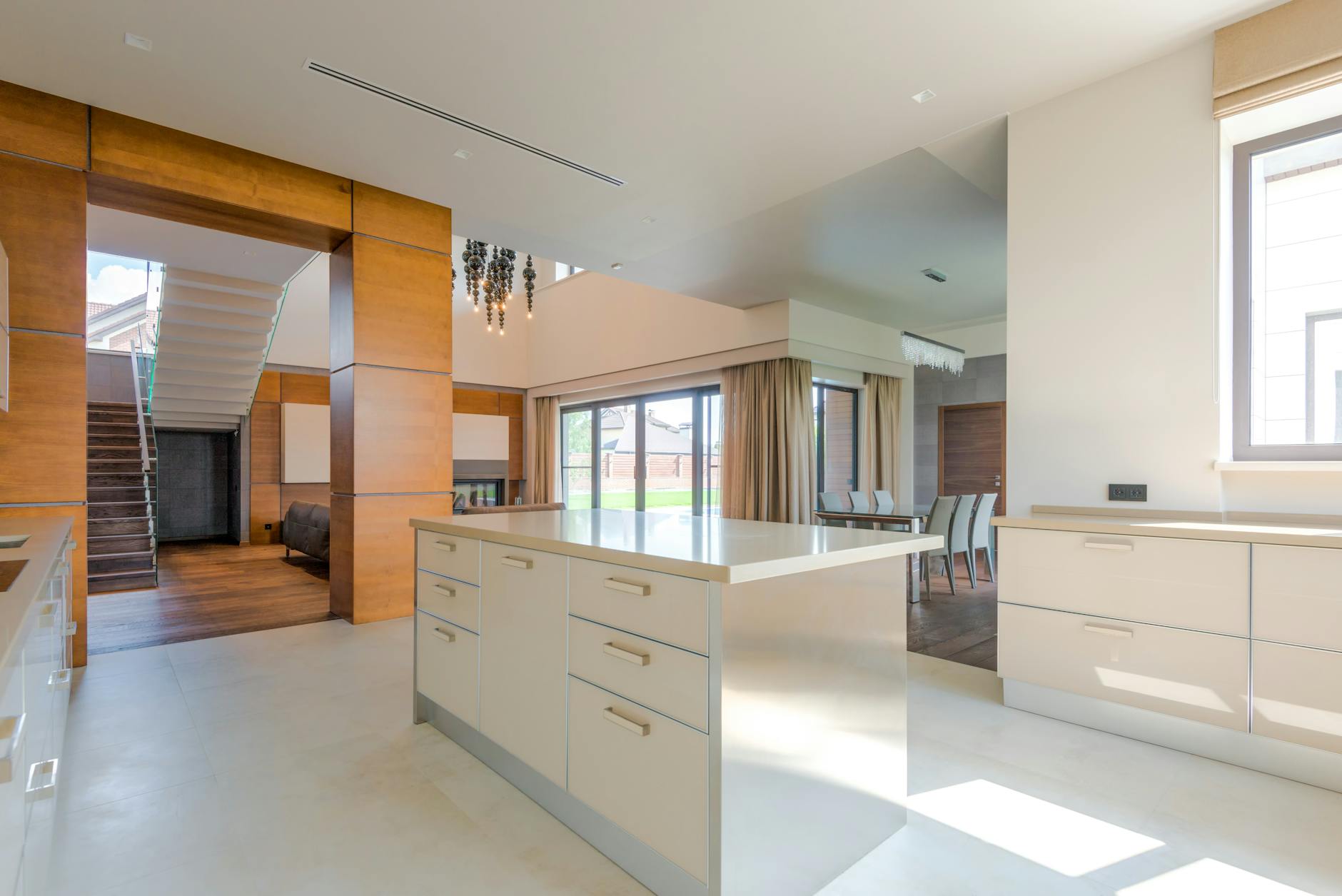
Color is one of the most powerful tools in a designer’s arsenal, capable of evoking emotions and setting the mood of a space. To achieve harmony, it is essential to choose a cohesive color palette that complements the overall aesthetic of your home. One effective approach is the use of a monochromatic scheme, which utilizes varying shades of a single color to create depth and dimension without overwhelming the senses. For instance, different hues of blue can evoke a serene coastal feel, ideal for a bedroom or bathroom.
Another popular method is the analogous color scheme, which involves using colors that are next to each other on the color wheel, such as blue, teal, and green. This combination not only creates a seamless flow from room to room but also fosters a sense of tranquility. Complementary color schemes—those that include colors opposite each other on the wheel, like blue and orange—can provide contrast and excitement. When applied thoughtfully, these colors can highlight architectural features or decorative elements without disrupting the overall harmony of the design.
Texture and Material Selection: Creating Depth
Incorporating various textures and materials is vital for achieving a harmonious design, as it adds depth and warmth to a space. The juxtaposition of textures creates visual interest while ensuring that the design feels cohesive. For instance, pairing smooth finishes like glass or polished metal with more tactile elements like woven textiles or reclaimed wood can create an inviting and balanced atmosphere. This interplay of materials can enhance comfort and functionality, inviting individuals to engage with their surroundings.
When selecting fabrics, consider layering them throughout the space. Soft throw pillows, textured rugs, and rich curtains can help establish a cozy environment. Additionally, be mindful of the materials used for furniture and décor. Natural materials—such as wood, stone, and cotton—tend to foster a sense of harmony and connection to nature, making them ideal for any room in the house. Bright finishes on furniture can add a pop of creativity, but they should be balanced with muted tones or softer materials to maintain coherence.
Furniture Placement and Space Flow
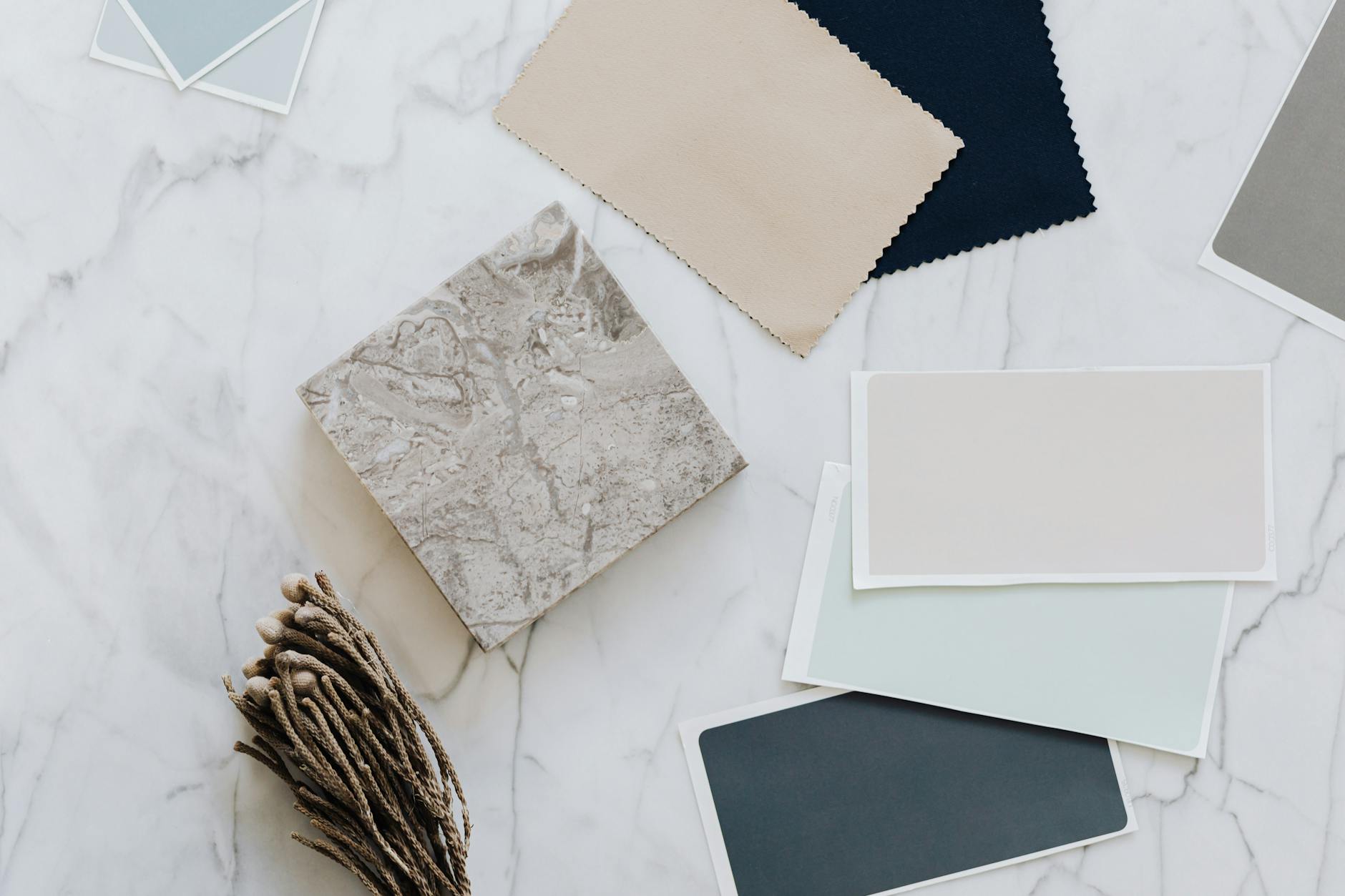
The arrangement of furniture within a room is pivotal to creating a balanced and harmonious design. Thoughtful placement not only maximizes functionality but also enhances the flow of movement throughout the space. Consider the principle of the “focal point”—every room should have a primary area that draws attention. This could be a fireplace, a piece of artwork, or even a stunning view. Once the focal point is established, furniture can be arranged to support this element, promoting an effortless flow that encourages conversation and interaction.
In addition to the arrangement, consider the scale and proportion of the furniture in relation to the size of the room. Overly large pieces can make a space feel cramped, while small items might get lost in a vast area. A balanced composition often involves mixing various sizes and shapes, ensuring that each piece complements the other while maintaining visual stability. Incorporate pathways that allow for easy movement, avoiding obstruction of doorways or natural traffic flows. This consideration not only enhances the functionality of the space but also ensures a harmonious experience for those who inhabit it.
Moreover, the concept of negative space—the areas around and between objects—plays a crucial role in achieving balance. Allowing for sufficient breathing room between furnishings not only improves aesthetic appeal but also instills a sense of calmness. Implementing thoughtful arrangements encourages mindfulness and promotes a serene atmosphere.
Incorporating Personal Touches
While principles of balance and harmony are essential in design, incorporating personal elements is equally important. Your home should reflect your personality, interests, and experiences, making it feel uniquely yours. Display cherished artwork, family photographs, or travel souvenirs that inspire nostalgia and conversation. These elements add character and warmth to the design, fostering a sense of belonging.
When adding personal touches, consider how they fit within the overall design narrative. Strive for unity while allowing individuality to shine through. For example, if you have a penchant for bold colors, incorporate these vibrant elements in smaller doses, such as in an accent chair or decorative accessories, to maintain overall harmony. By doing so, you create a cohesive space that resonates with your identity while adhering to the principles of balanced design.
Finding harmony in your home design requires a thoughtful approach that combines the principles of balance, color harmony, texture, furniture placement, and personal expression. By embracing these elements, you can create a space that not only looks beautiful but also feels comfortable, nurturing, and invigorating. A harmonious home enriches the lives of those who reside within it, becoming a true reflection of who they are and the experiences they cherish.