In a bustling city where architectural marvels tower alongside quaint vintage buildings, one small café has become a surprising focal point of local architectural discovery. Nestled between a row of grand structures, Café Atelier serves as a gateway to a plethora of hidden design features, historic styles, and creative practices of the area. With its eclectic interior and inviting ambiance, this café has not only attracted coffee lovers but has also captured the imagination of architecture enthusiasts and casual visitors alike.
A Canvas of Local History
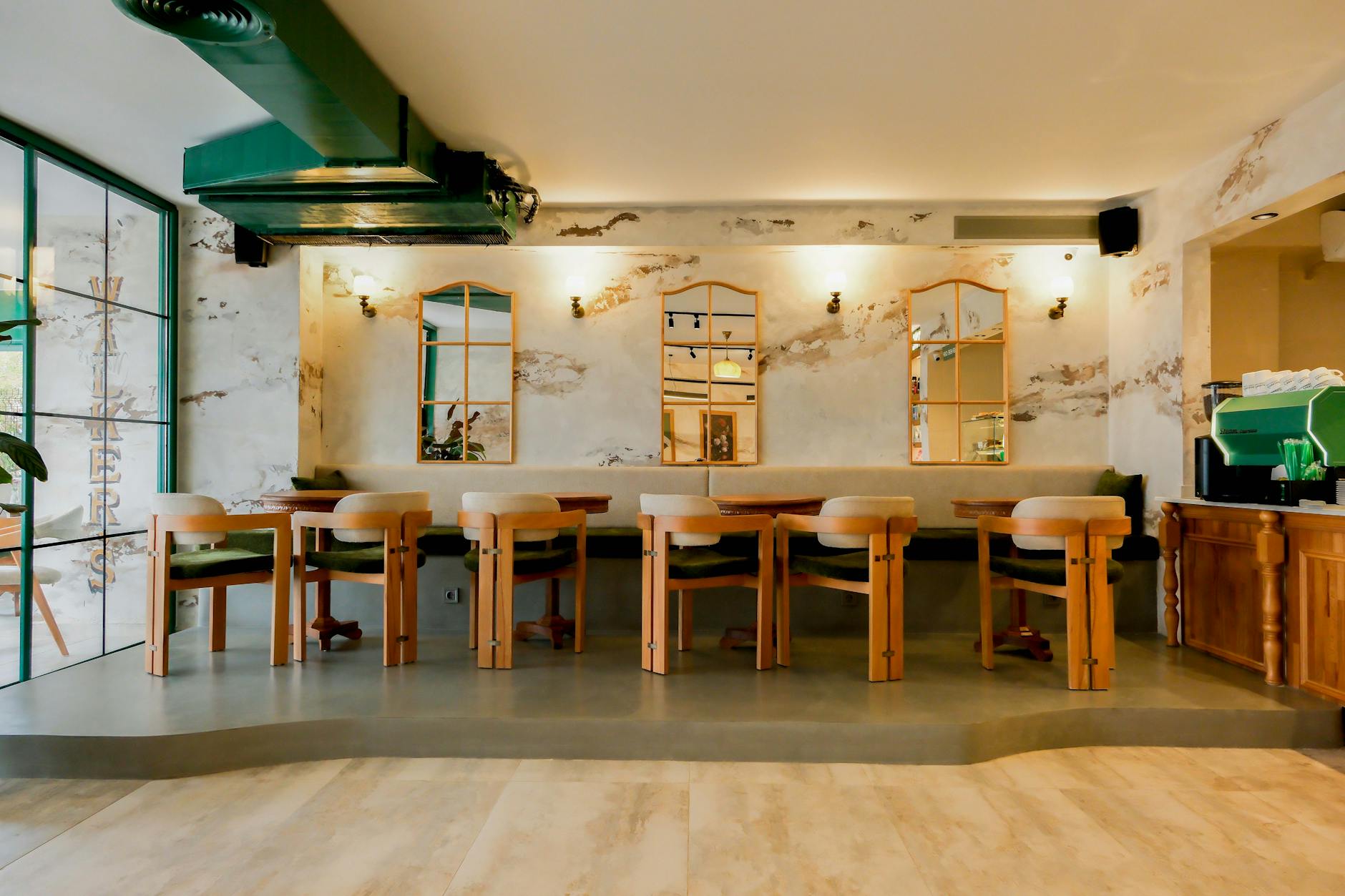
Café Atelier is more than just a place to grab a cup of coffee; it embodies the architectural narrative of the neighborhood. The café itself is housed in a converted warehouse, a design choice that speaks volumes about the city’s industrial past. Exposed brick walls and vintage wooden beams set the stage, creating a warm yet stylish atmosphere that invites exploration. Each design detail reflects a story—whether it’s the original factory windows that have been preserved or the locally sourced furniture that gives new life to aged materials.
Transitioning from a neglected space to a vibrant café was a labor of love for its owner, Emma Klein, who wanted to retain the historical essence while injecting modern charm. “Every corner of this café tells a story,” says Klein. “We wanted to create an environment that honors our history but feels fresh and welcoming.” The blend of textures and styles discovered here not only serves coffee but also serves as a narrative thread that connects the past to the present.
To further amplify its historical significance, the café often hosts local artists who showcase their work on the walls, creating a rotating exhibition that invites customers to enjoy contemporary interpretations of local folklore and architecture.
Architectural Details that Inspire
As you step inside Café Atelier, you will notice a myriad of architectural details that spark curiosity. The café features an open floor plan that encourages social interaction, adorned with vintage light fixtures that hark back to the early 20th century. Each piece has been carefully selected for its character, contributing to the overall narrative of local charm. This thoughtful curation extends to the patio, where patrons can enjoy their drinks surrounded by a lush urban garden that reduces noise pollution and serves as a sanctuary amidst the city buzz.
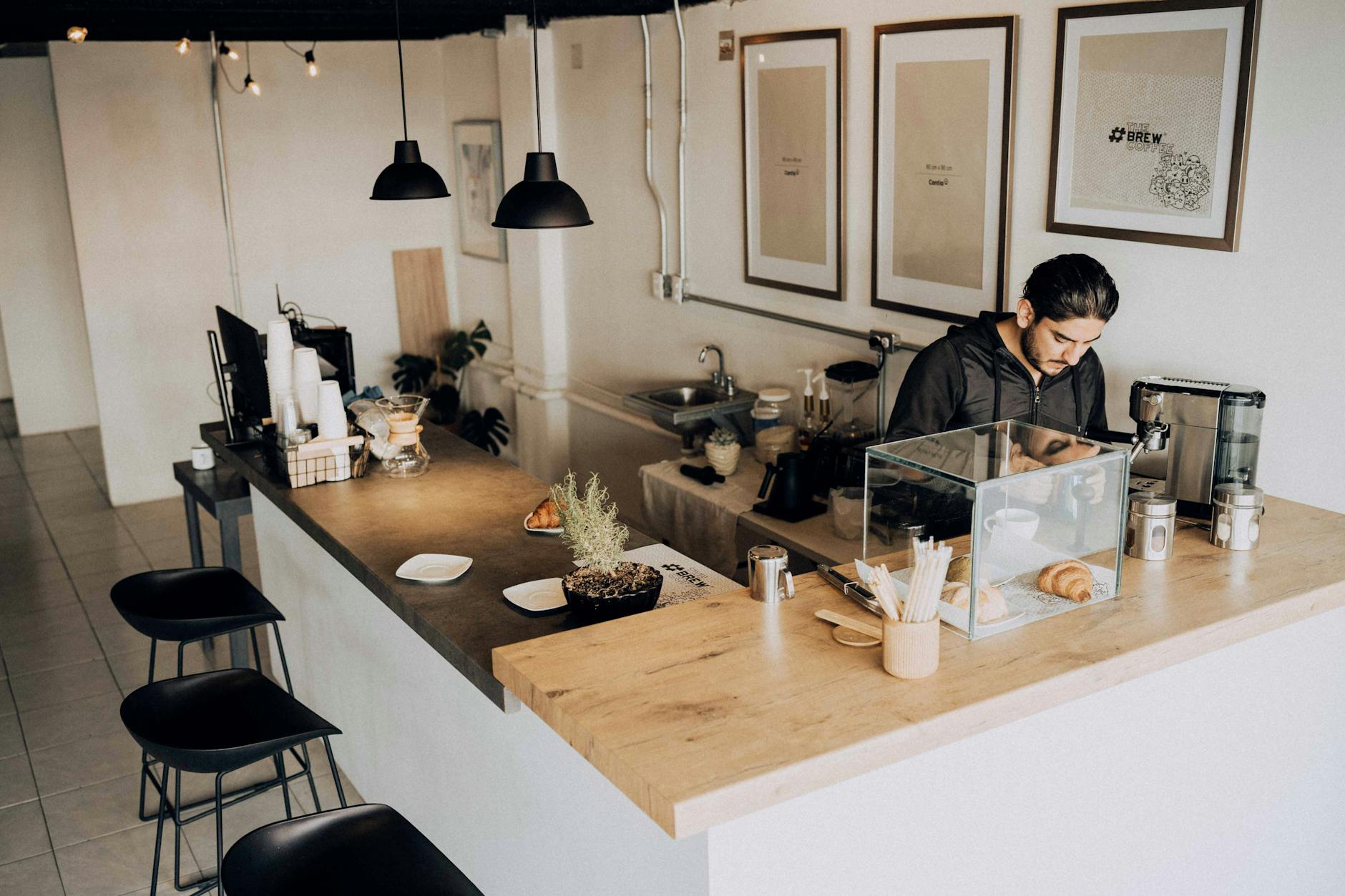
One standout feature is the barista counter, crafted from reclaimed wood juxtaposed with sleek, modern appliances. This design decision not only maintains an eco-friendly ethos but also highlights the café’s commitment to sustainability. “We believe that good architecture can be good for the environment,” explains Klein. The harmony between old and new design elements creates an inviting space that not only feels comfortable but also inspires conversations about sustainable practices in architecture.
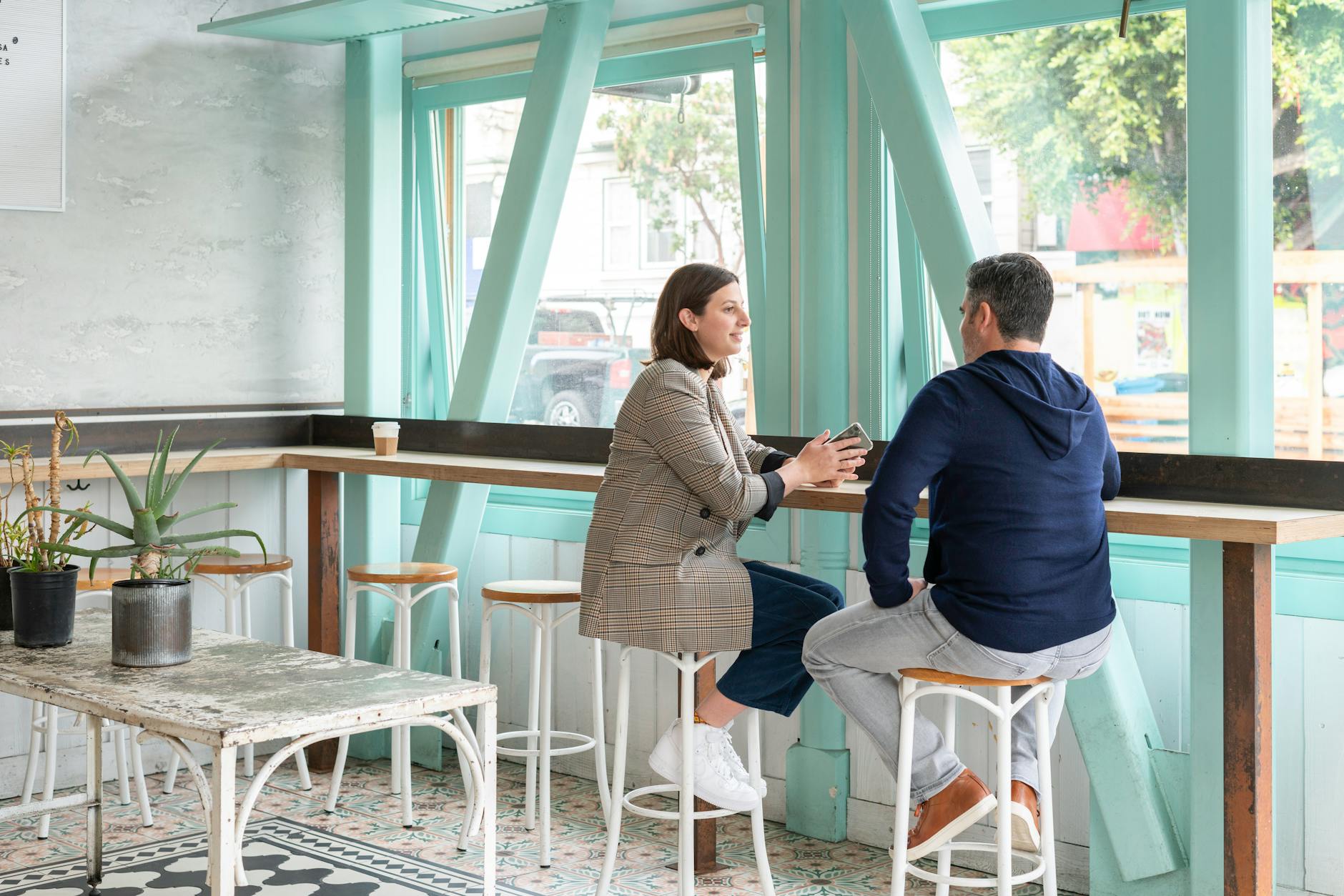
The architectural features do not end inside; the exterior of Café Atelier warrants attention as well. The façade is understated yet elegant, with a welcoming entrance surrounded by foliage, giving the impression of a cozy hideaway in the heart of the city. Large windows provide ample natural light while offering passersby a glimpse of the vibrant activity within—an enticing invitation for those seeking refuge from their daily grind.
Community and Collaboration
Café Atelier has become a hub for local architects, designers, and creatives. Its intimate atmosphere fosters collaboration, allowing professionals to gather for meetings or casual brainstorming sessions. The café often hosts community events that spotlight architectural discussions, helping to demystify the design processes behind the buildings that shape the cityscape.
“Architecture is not just about buildings; it’s about the stories they tell,” says local architect, Anne Torres. “Café Atelier serves as a reminder that we must appreciate the layers of our urban environment.”
Through its community-focused initiatives, the café encourages conversations that extend beyond its walls. By partnering with local schools and universities, it offers workshops and lectures that explore architectural history and design principles. These efforts not only educate the public but also inspire a new generation of architects and designers to appreciate the rich architectural legacy of their city.
A Model for Future Spaces
The impact of Café Atelier extends far beyond its own walls; it serves as a blueprint for other businesses looking to weave local architectural narratives into their spaces. By embracing historical context and modern sensibilities, it encourages a holistic approach to design. Other café and restaurant owners in the area are beginning to recognize the value of creating spaces that resonate with their communities, promoting not just their businesses but also the cultural fabric of the neighborhood.
Furthermore, the café’s commitment to sustainability and community has inspired a broader conversation around responsible architecture. The importance of preserving historical buildings while promoting eco-friendly practices is a growing theme among emerging designers. As more establishments begin to adopt similar principles, the city is gradually transforming into a landscape that celebrates its rich heritage while embracing innovative design.
In this way, Café Atelier is not just a café; it is a vital thread in the fabric of the community, a small yet powerful example of what can be achieved when architecture serves as a platform for storytelling and connection.
Looking Ahead
As the café continues to thrive, it stands as a testament to the power of design in influencing our experiences. From the carefully curated decor to the community events hosted within its walls, Café Atelier has carved out a niche that intertwines gastronomy with architecture. Patrons walk in for a coffee but leave with a renewed appreciation for the stories hidden in the structures around them.
As other businesses and individuals embrace similar values, the legacy of Café Atelier may well inspire a network of spaces that prioritize historical significance and community engagement. The designs of the future need not abandon the past; rather, they must respect and celebrate it, ensuring that our urban environments are as rich in narrative as they are in aesthetics.
Ultimately, Café Atelier has opened the door not only to local architectural secrets but also to a deeper understanding of the relationships between people, places, and the creative processes that shape our world. With every cup of coffee served and every conversation sparked, it reminds us that architecture is a living, breathing entity—one that reflects our collective history and aspirations.