
Your living space is more than just a collection of furniture and decor; it’s a sanctuary where you seek refuge from the chaos of everyday life. A calming home not only promotes relaxation but also fosters mental clarity and emotional well-being. In today’s fast-paced world, the importance of a serene environment cannot be overstated. This article will explore various elements of interior design that contribute to a stress-free home and provide practical tips for achieving a tranquil atmosphere.
Color Schemes: The Foundation of Calmness
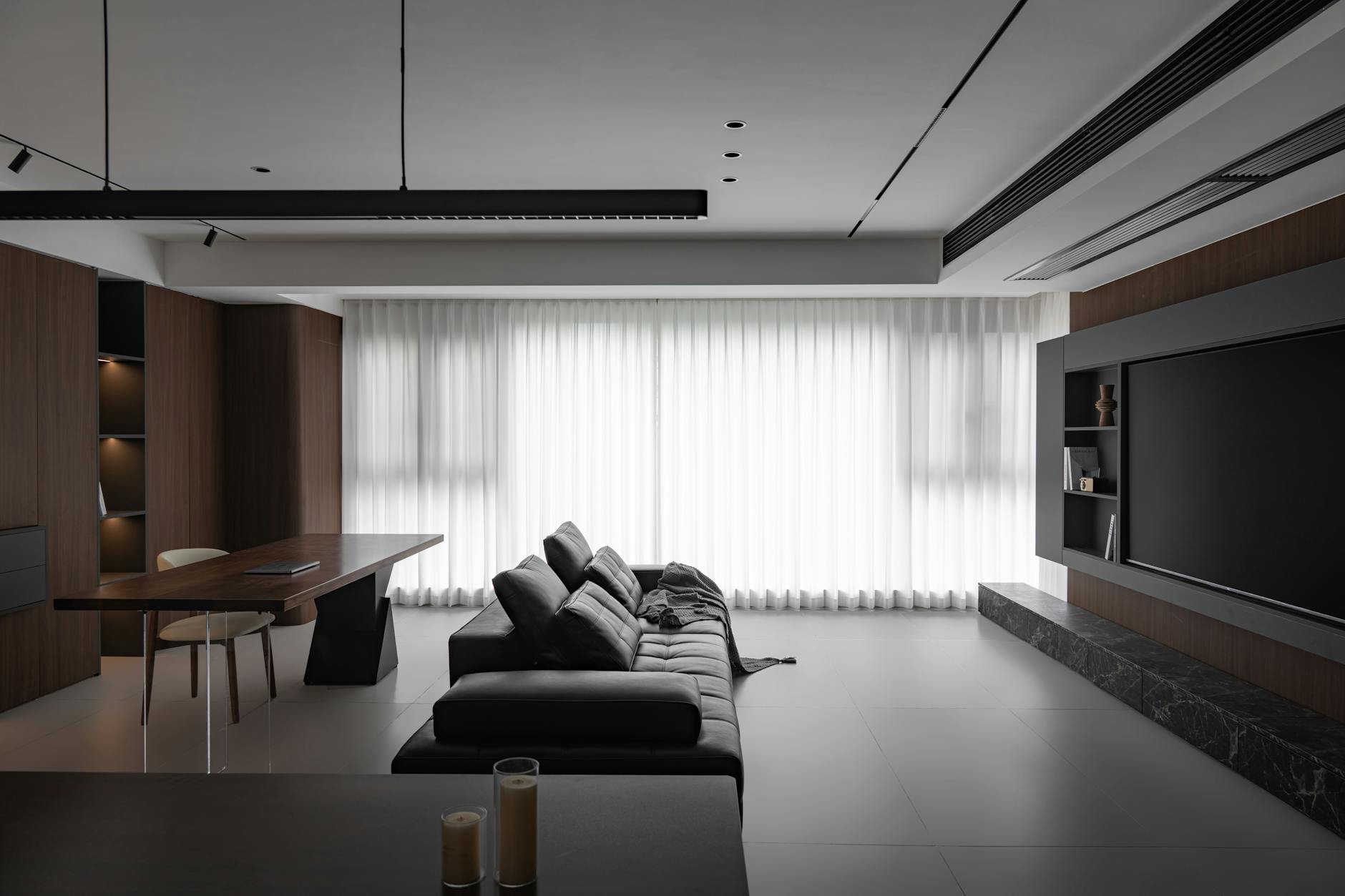
The colors you choose for your home can significantly influence your mood and feelings of serenity. Soft, muted tones like pastels, earth tones, and cool shades invoke a sense of calm and comfort. Think light blues, soft greens, gentle grays, and warm beiges. These hues can create an inviting environment that encourages relaxation.
On the other hand, vibrant colors like bright reds or neon shades may energize the space but can also be overstimulating. If you love rich colors, consider using them as accents rather than dominant themes. For example, an accent wall painted in a deep sage green can beautifully contrast with lighter, more soothing colors without overwhelming the senses.
Using color strategically can also change spatial perception. Light colors can brighten a room and create an airy feel, while darker shades can add intimacy. When selecting colors, consider the natural light in each space and how it interacts with your chosen palette. A well-considered color scheme is a primary step toward cultivating a calm home environment.
Natural Elements: Bringing the Outdoors In
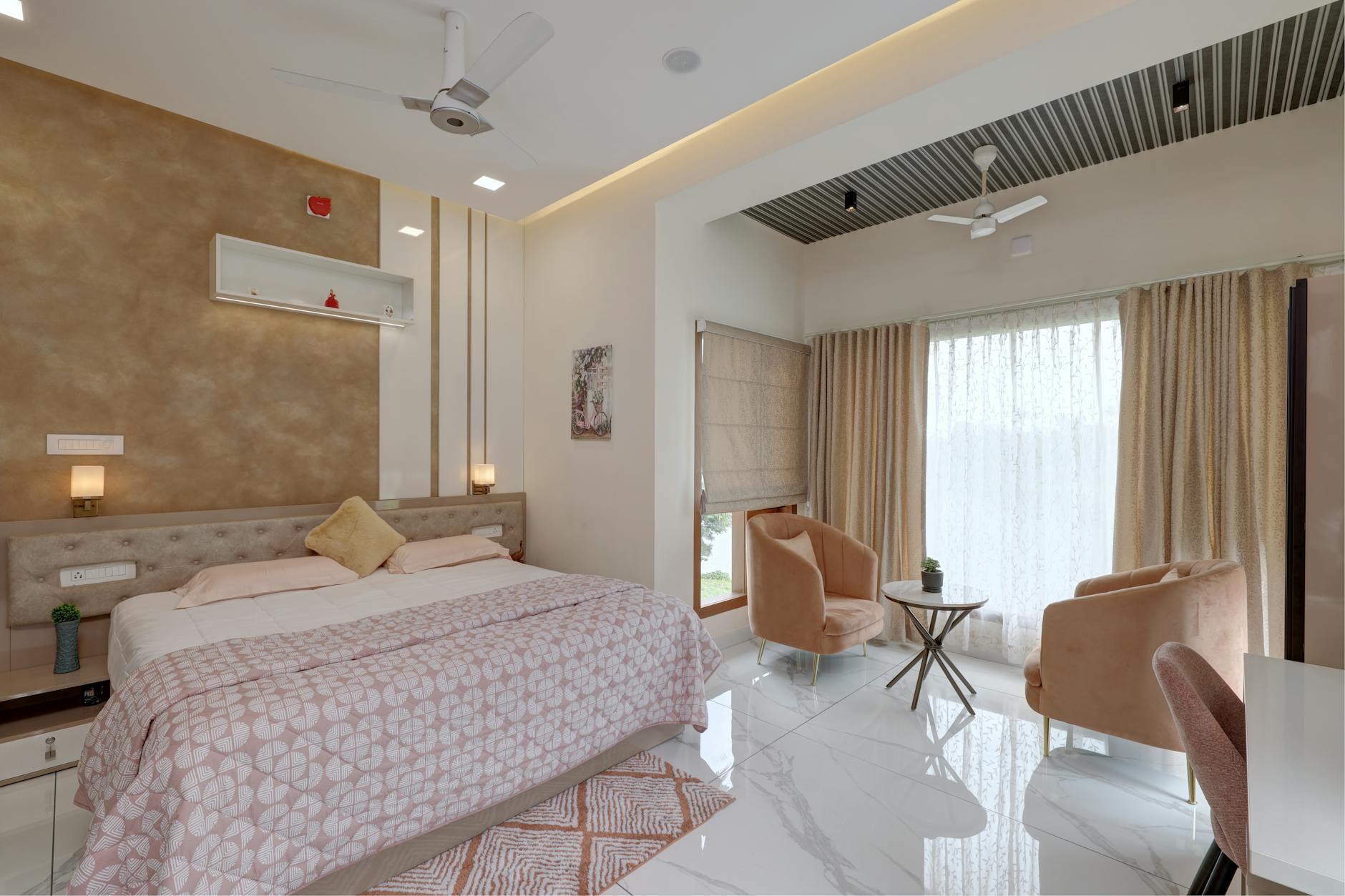
Integrating natural elements into your home design can bring a sense of tranquility that artificial materials simply cannot replicate. Plants, wood, and natural fabrics not only add aesthetic appeal but also foster a connection with nature, which has a calming effect on the mind. Indoor plants such as peace lilies, snake plants, or ferns can purify the air and add a vibrant touch, while also instilling a sense of peace.
Using materials like bamboo, cork, and reclaimed wood can enhance the earthy feel of your space. Incorporating these elements through flooring, furniture, or even decorative accents can create a warm and inviting atmosphere. Moreover, natural light plays a crucial role in how we perceive our surroundings. Maximizing natural light through large windows, skylights, or strategically placed mirrors can brighten up spaces, making them feel open and airy.
“Incorporating nature into your home doesn’t just beautify; it revitalizes your spirit.”
By choosing materials and designs that are rooted in nature, you can create spaces that promote relaxation and mental clarity. Consider using organic cotton or linen for bedding and curtains, which can add a soft, comfortable touch to your home while promoting well-being.
Decluttering: The Art of Minimalism
A cluttered space often leads to a cluttered mind. The principle of minimalism advocates for simplicity and intentionality in your belongings. By decluttering your home, you can create environments that are not only visually pleasant but also mentally freeing. Start by assessing each room; keep only what you love or need, and don’t hesitate to let go of items that no longer serve a purpose.
Storage solutions play a vital role in maintaining a minimalist aesthetic. Consider multifunctional furniture, such as ottomans with hidden storage or sleek cabinets that can hold items out of sight. Shelving units can also be utilized effectively to display aesthetically pleasing items while storing others discreetly. Regularly revisiting your belongings can help prevent clutter from accumulating and maintain a serene environment.
The act of decluttering is not just about physical space; it extends to digital spaces as well. Organizing documents, cleaning up your email inbox, and limiting screen time can aid in achieving a more peaceful mind. Remember, a calm home should feel open and inviting, not restrictive or overwhelming.
Creating Zones for Relaxation and Focus
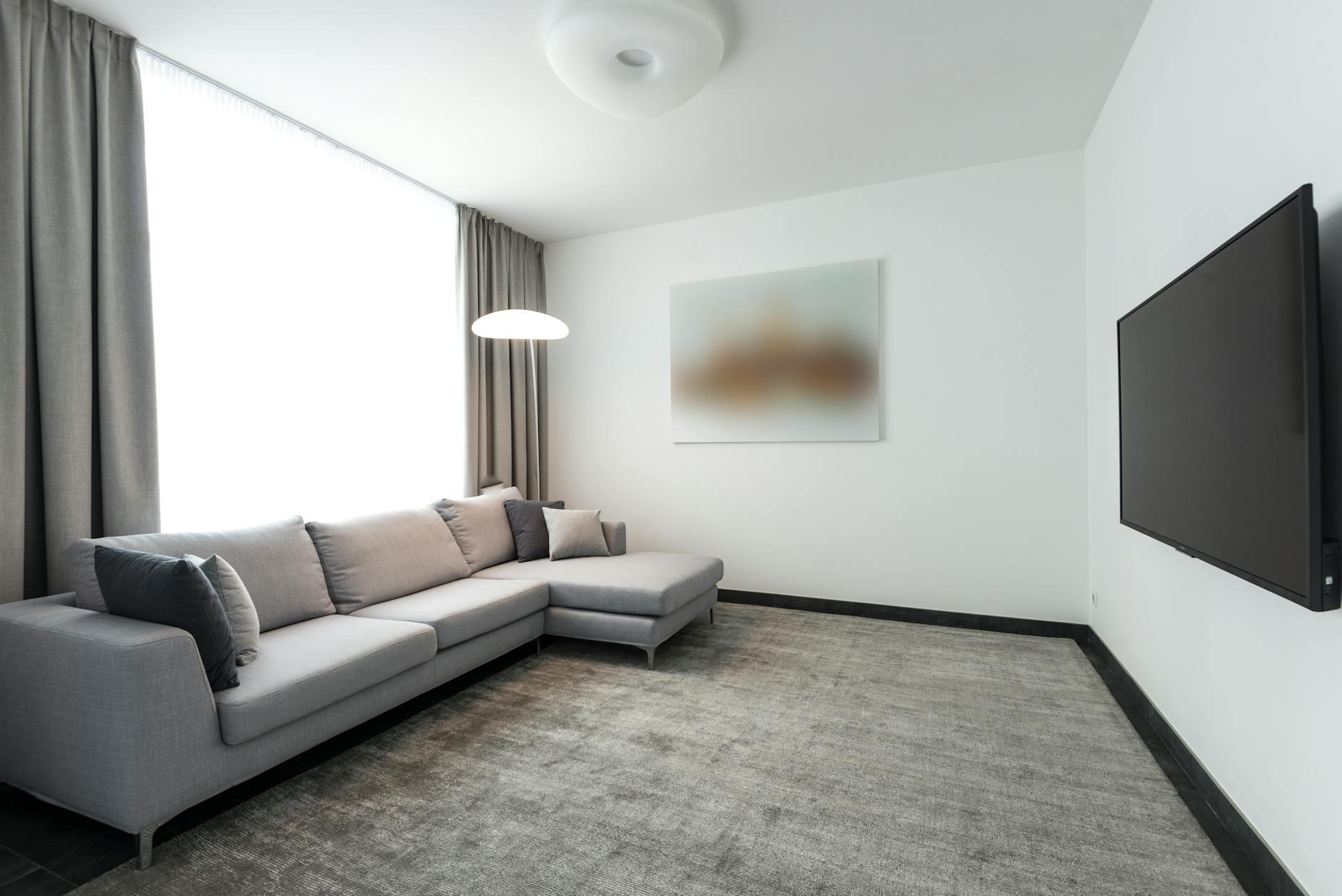
Designing your home with distinct zones for different activities can create a more harmonious living environment. Whether it’s a reading nook, a meditation corner, or a dedicated workspace, having specific areas for relaxation and productivity can help compartmentalize your daily activities. This separation often aids in reducing stress, as you will have designated spaces to unwind and focus.
When designing these zones, consider comfort and functionality. For a reading nook, a plush armchair combined with a small side table can encourage relaxation. For a meditation area, soft cushions on the floor and soothing decor can enhance the atmosphere. When it comes to workspaces, invest in ergonomic furniture that promotes both productivity and well-being. Good lighting and organized storage can keep distractions at bay, allowing you to work efficiently.
Moreover, the layout of your home should facilitate a natural flow between these zones. Avoid overcrowding areas with unnecessary furniture so that each space remains inviting and functional. By thoughtfully designing your home with intentional zones, you create an environment that promotes both calm and focus.
Incorporating Soft Textures and Comfort
Textures play a crucial role in creating a calming atmosphere in your home. Layering soft textiles such as plush rugs, cozy throws, and cushy pillows can add warmth and comfort to any room. Fabrics like cotton, linen, and wool are not only inviting but can also enhance the aesthetic appeal of your spaces. Consider mixing different textures—think a velvet sofa paired with soft cotton cushions or a chunky knit throw adorning a wicker chair—to create depth and interest.
Lighting also contributes to the overall atmosphere. Soft, diffused lighting can evoke a sense of calm, while harsh fluorescent lights can create discomfort. Incorporate different lighting options such as ambient lighting, task lighting, and accent lighting to cater to various needs and moods. Dimmers can also be incredibly valuable in allowing you to control the brightness and create the desired atmosphere.
“Comfort is not just about aesthetics; it’s about creating an environment that nurtures your well-being.”
Lastly, consider utilizing aromatherapy through essential oils or scented candles to engage the sense of smell in promoting relaxation. Scents like lavender, chamomile, and sandalwood can help create an atmosphere of serenity. When combined with soft textures and gentle lighting, these elements will transform your home into a genuine haven of calm.
As we navigate life’s challenges, our living spaces should serve as a retreat from stress and chaos. By focusing on calming colors, incorporating natural elements, decluttering, creating intentional zones, and adding soft textures, you can design a home that nurtures your well-being. Your sanctuary awaits—embrace the art of calm and make your home a peaceful haven.