
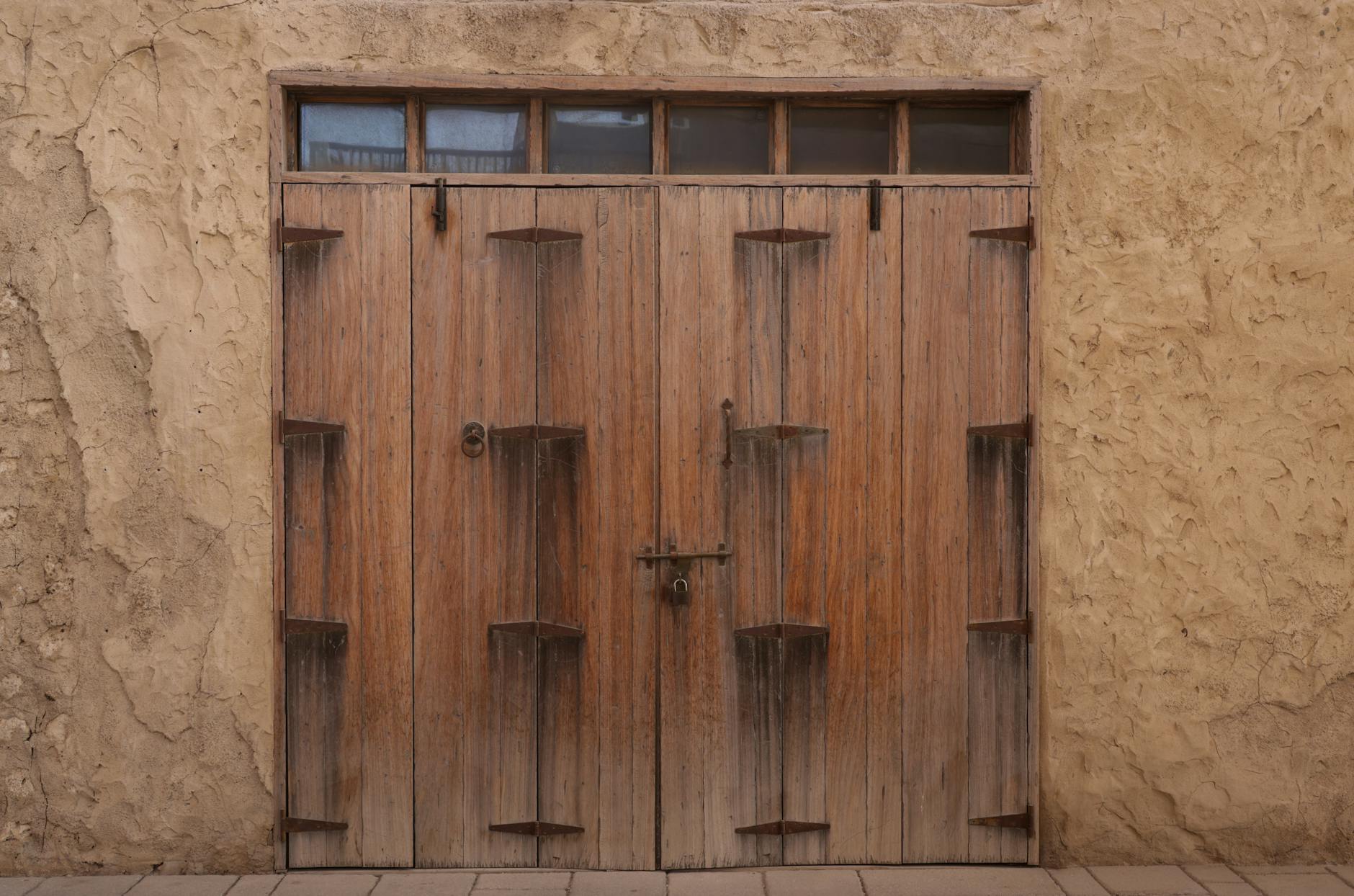
It was a warm summer evening when I first set my eyes on the door that would become a focal point of intrigue and trepidation. Nestled at the end of a narrow alley in a town that had seen better days, the door stood resolute, painted in a deep shade of forest green. Unlike the other doors that adorned the quaint buildings nearby, this one seemed to whisper secrets, beckoning anyone curious enough to approach. However, as I wandered the cobblestone streets, I overheard locals sharing hushed warnings about this very entryway.
“Stay away from that door,” an elderly man cautioned as I passed him by. “No good can come from opening it.” His words, laced with a sense of urgency, stirred a mixture of curiosity and apprehension within me. What lay behind that door? And why were the townsfolk so adamant about keeping it shut? Little did I know, the answers would unveil a story steeped in history, mystery, and community lore.
The History Behind the Door
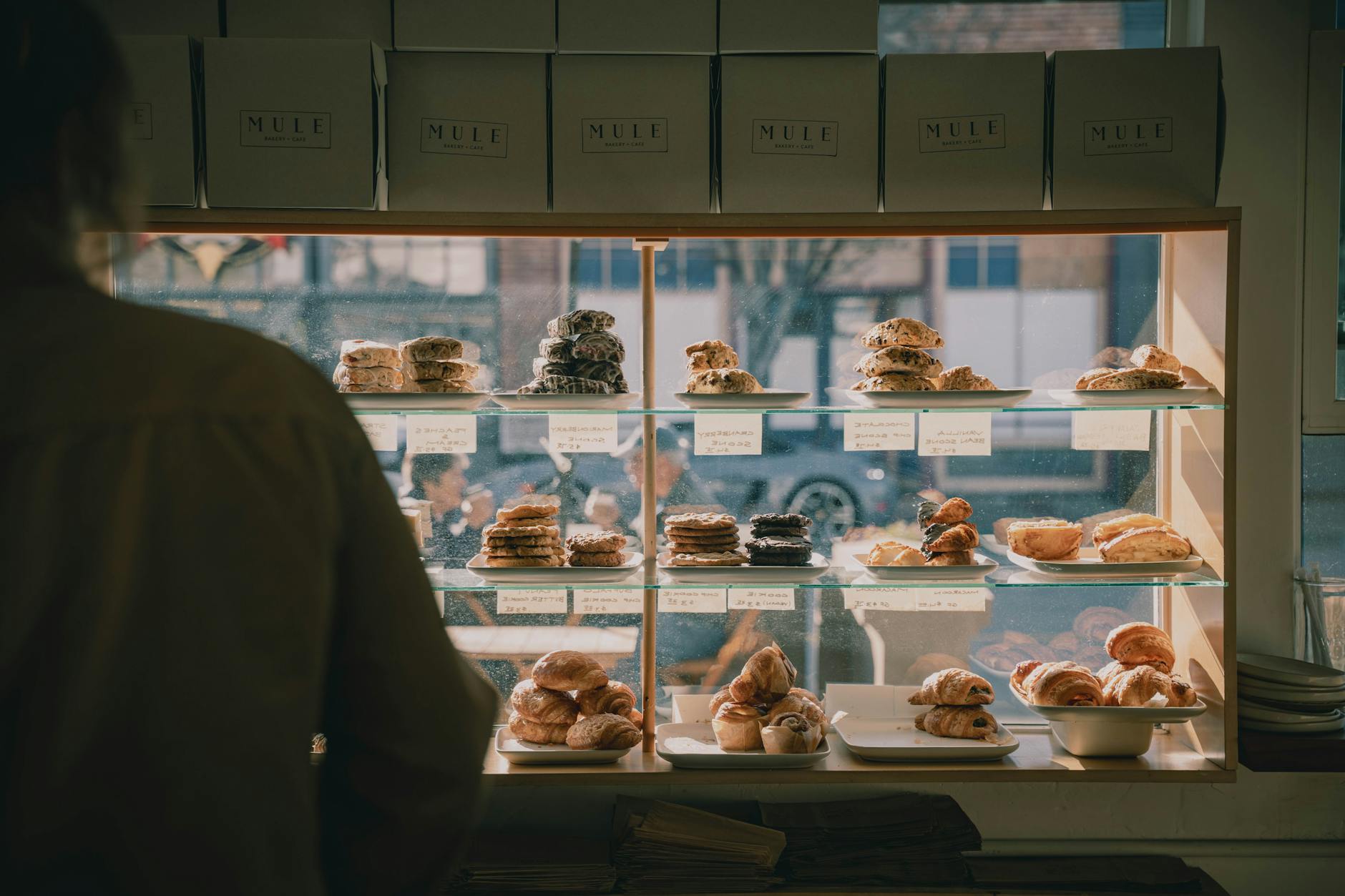
To understand the significance of the door, I ventured into the town’s archives—the kind of dusty place filled with old photographs, yellowing documents, and the scent of history lingering in the air. It was here that I stumbled across a collection of texts detailing the town’s history, revealing that the door once belonged to a bakery owned by a man named Anton Grayson.
In the late 1800s, Grayson’s Bakery was famous for its rich, aromatic bread and decadent pastries. Locals would line up for blocks to get a taste, and the bakery quickly became the heart of the community. However, prosperity came at a price. One fateful night, a fire engulfed the bakery, leading to the tragic demise of Grayson and several townsfolk who had rushed in to help. The bakery was replaced, but the door remained, encased in brick and mortar, a ghost of what once thrived.
Whispers around town suggested that Grayson’s spirit was forever tied to that door. Some locals claimed that on quiet nights, one could still hear the faint sound of a bell ringing, signaling the arrival of customers long gone. Others believed that opening the door could unleash not just memories, but perhaps something much darker from the past, leading to the widespread warnings that echoed in my ears.
The Local Legends and Superstitions
Legends surrounding the door flourished over time, morphing into a tapestry of ghost stories and superstitions. On stormy nights, it was said that a shadowy figure could be seen standing idly by the entrance, watching passersby with intent. This figure, some claimed, was Grayson himself—an ethereal protector of what lay behind the door.
“People have tried to open it,” a local historian recounted, her voice barely above a whisper, filled with a mixture of fascination and fear. “Some say they saw visions of the bakery’s past, while others were driven into madness.” Each tale seemed to feed the door’s mystique, creating a compelling narrative that kept the door firmly shut in the minds of the townsfolk.
The door became symbolic, representing not just the ghosts of history, but also the importance of remembering where we come from. It stood as a reminder of the fragility of life and the ravages of tragedy. For many, the door signified a barrier between the present and the past—a question of whether we should confront our history or let it lie undisturbed.
The Day I Decided to Open the Door
Despite the warnings, my curiosity began to outweigh my apprehension. After weeks of hearing the same stories—and growing tired of speculation—I resolved to gather my courage and confront the door. Armed with a flashlight and a heart full of trepidation, I made my way to the alley once more.
The air was thick with anticipation as I approached the illustrious door. With a deep breath, I gripped the cold metal handle. It felt strangely warm, as if it were alive. To my surprise, it opened with ease, creaking as if awakening from a long slumber. What lay beyond was not the charred ruins of a bakery, but a small, dimly lit room lined with shelves filled with old baking equipment and remnants of forgotten recipes.
Inside, the scent of stale flour and sugar lingered in the air—a haunting aroma that immediately transported me back in time. I discovered the remnants of Anton Grayson’s legacy: rolling pins, baking trays, and handwritten ledgers meticulously documenting daily sales. Each item told a story, a moment frozen in time that felt both eerie and intimate.
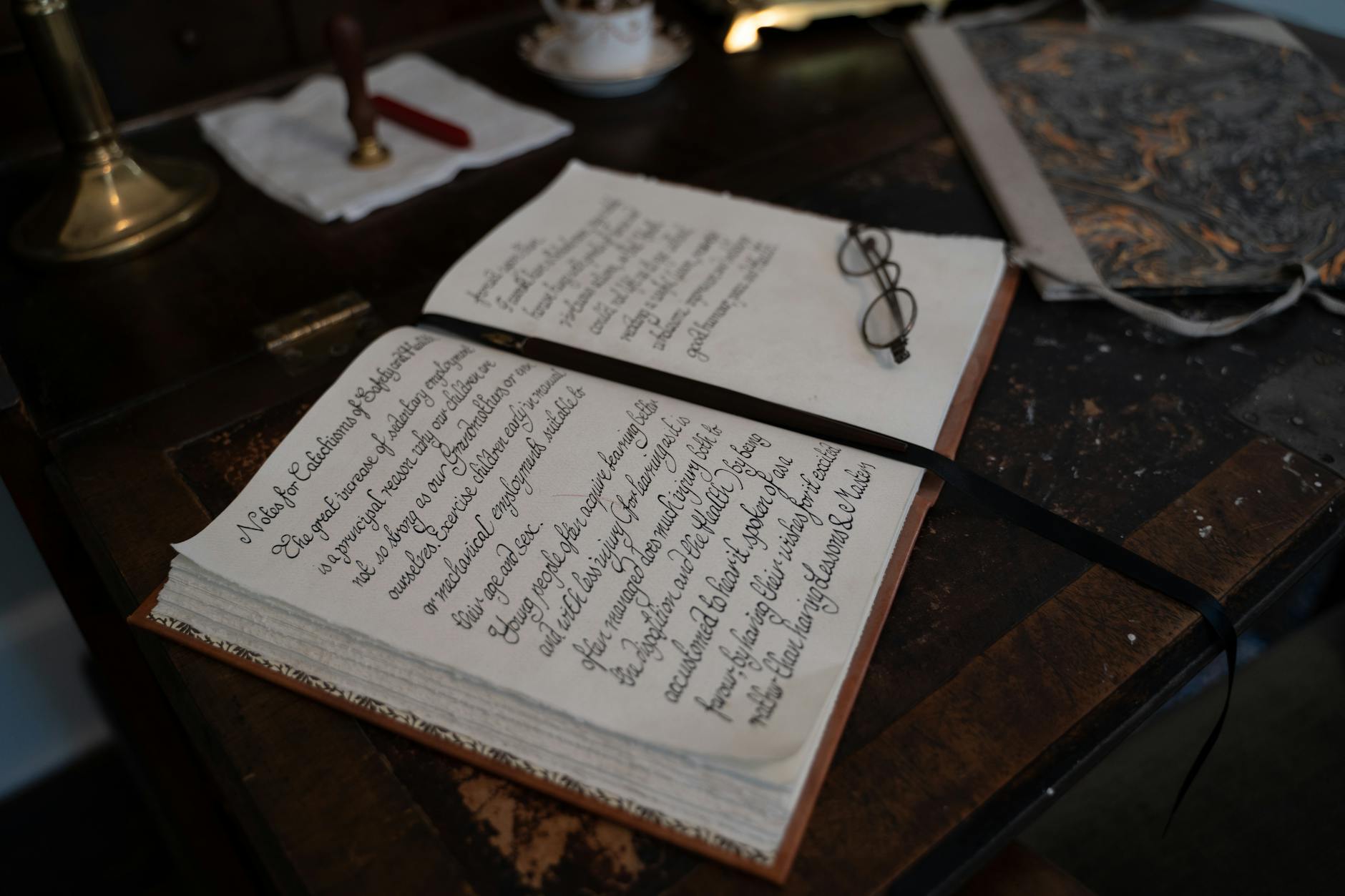
In the corner, a diary lay half-open, its pages yellowed and fragile. As I leafed through it, I realized the enormity of the stories contained within. Grayson had poured his heart into those pages, documenting not just recipes but also dreams, frustrations, and the love he felt for the community.
It was in that moment I understood why the locals warned against opening the door. It was not just about fears of the supernatural but rather about the weight of history—an understanding that some pasts are best left untouched. The door wasn’t merely a barrier; it was a keeper of memories, a testament to joy and tragedy intertwined.
Life After the Door
Since that pivotal evening, stories of the door have started to shift. I returned to the community, sharing my experience and the treasures that lay behind the door. What once was a symbol of fear transformed into an opportunity for remembrance and celebration. Local historians began organizing tours of the site, breathing new life into its narrative. The door, once a subject of hushed warnings, became a focal point for storytelling and community bonding.
Through the revival of its history, it has sparked discussions about how we interact with our pasts. The door now serves as a reminder that while we often fear what lies behind closed doors, it is equally important to approach history with curiosity and reverence. In doing so, we honor the struggles and triumphs of those who came before us.
In the end, the door that locals cautioned me against opening became a gateway to understanding—a doorway to the past that invited us to embrace our history while fostering a deeper connection to one another. Perhaps the most significant lesson is that sometimes, confronting the shadows of our past is necessary for stepping into the light of the future.