
White interior design has established itself as a perennial favorite among homeowners and designers alike. It evokes a sense of serenity, brightness, and spaciousness that is hard to replicate with any other color. Whether in ultra-modern lofts, traditional homes, or coastal retreats, the versatility of white can seamlessly adapt to various design styles. This article delves into the reasons behind its enduring popularity and how to incorporate white effectively while avoiding common pitfalls.
The Allure of White in Interior Spaces
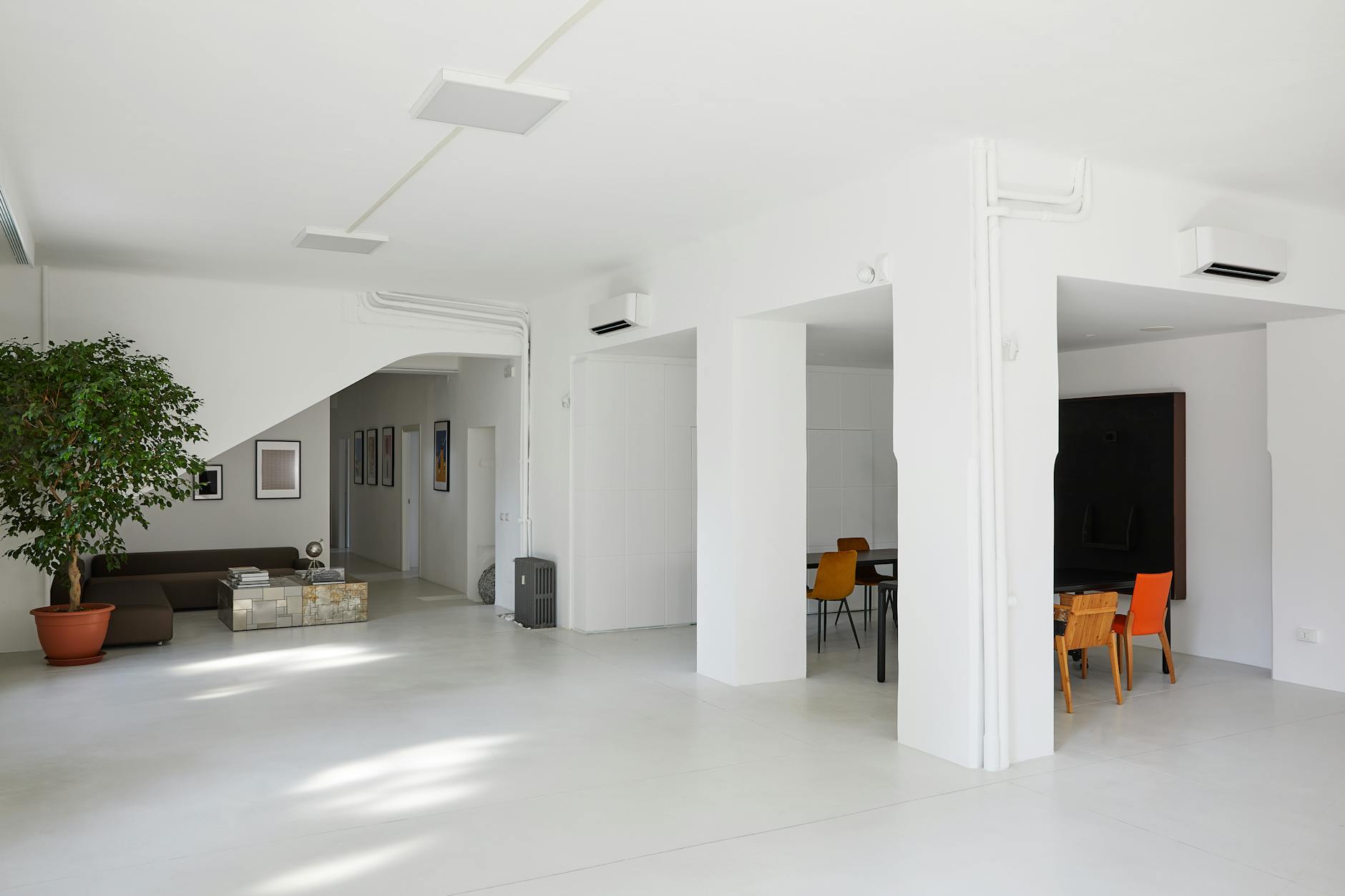
There’s something inherently alluring about white interiors that captivates the senses. White has a unique way of amplifying natural light, creating a bright and airy environment that promotes well-being. In smaller spaces, it can make rooms feel larger and more open, contributing to a sense of freedom. The reflective qualities of white surfaces can illuminate corners and highlight architectural features, fostering a harmonious flow throughout the home.
Furthermore, white serves as a blank canvas, allowing homeowners and designers to add personal touches through decor. Artwork in vibrant colors, textured textiles, and striking furniture pieces can stand out against a white backdrop, creating a balanced yet dynamic atmosphere. This adaptability makes white not just a color choice, but a strategic design decision that can evolve with changing tastes and trends.
Creating Depth and Character with White
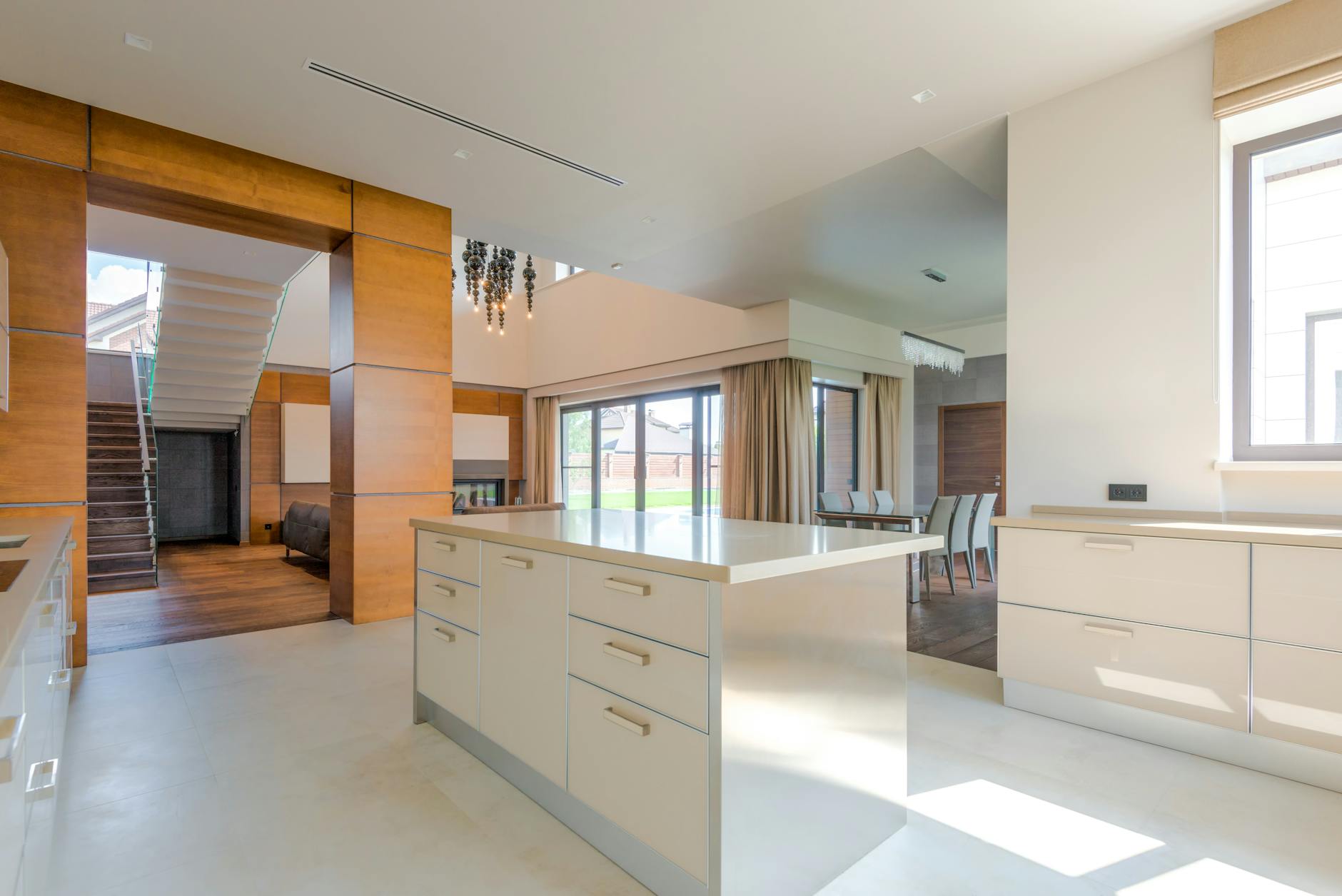
While the simplicity of white may seem straightforward, achieving a rich and inviting white interior involves thoughtful layering of textures, patterns, and shapes. One method to create depth is through the incorporation of various materials—mixing glossy finishes with matte surfaces, for instance. In a white kitchen, glossy cabinets can contrast beautifully with matte stone countertops, adding visual interest while maintaining a cohesive palette.
Accessories play a crucial role as well. Introduce elements such as wooden accents, metallic fixtures, or vibrant rugs to infuse warmth and character into a predominantly white space. Items like wicker baskets or ceramic pots can also soften the starkness of white, fostering a more inviting atmosphere. These subtle touches can transform an austere environment into a welcoming haven, making it feel personal and lived-in.
Challenges and Considerations in White Design
Despite its many benefits, designing with white is not without challenges. One common concern is maintenance; white surfaces are prone to showing stains and wear more readily than darker colors. Therefore, strategic choices in materials are crucial. Opting for washable fabrics for sofas and choosing durable finishes for high-traffic areas can mitigate potential issues. Regular cleaning and maintenance routines become vital to retain the freshness of white interiors.
Additionally, white spaces have a tendency to feel cold or sterile if not balanced appropriately. This can be addressed by incorporating color through accents like pillows, throws, or art. Also, the use of greenery can breathe life into a white room. Plants not only add color but also enhance air quality and bring a touch of nature indoors. Consider using large potted plants in corners or small hanging planters to maintain a fresh aesthetic.
White Design in Different Styles
White interior design transcends specific styles and can be adapted across numerous aesthetics. In **Scandinavian design**, for instance, the use of white is prevalent, often paired with natural wood and muted colors. This combination creates a cozy yet minimalist space characterized by functionality and warmth. The simplicity of Scandinavian design invites tranquility, making it an ideal choice for urban dwellings.
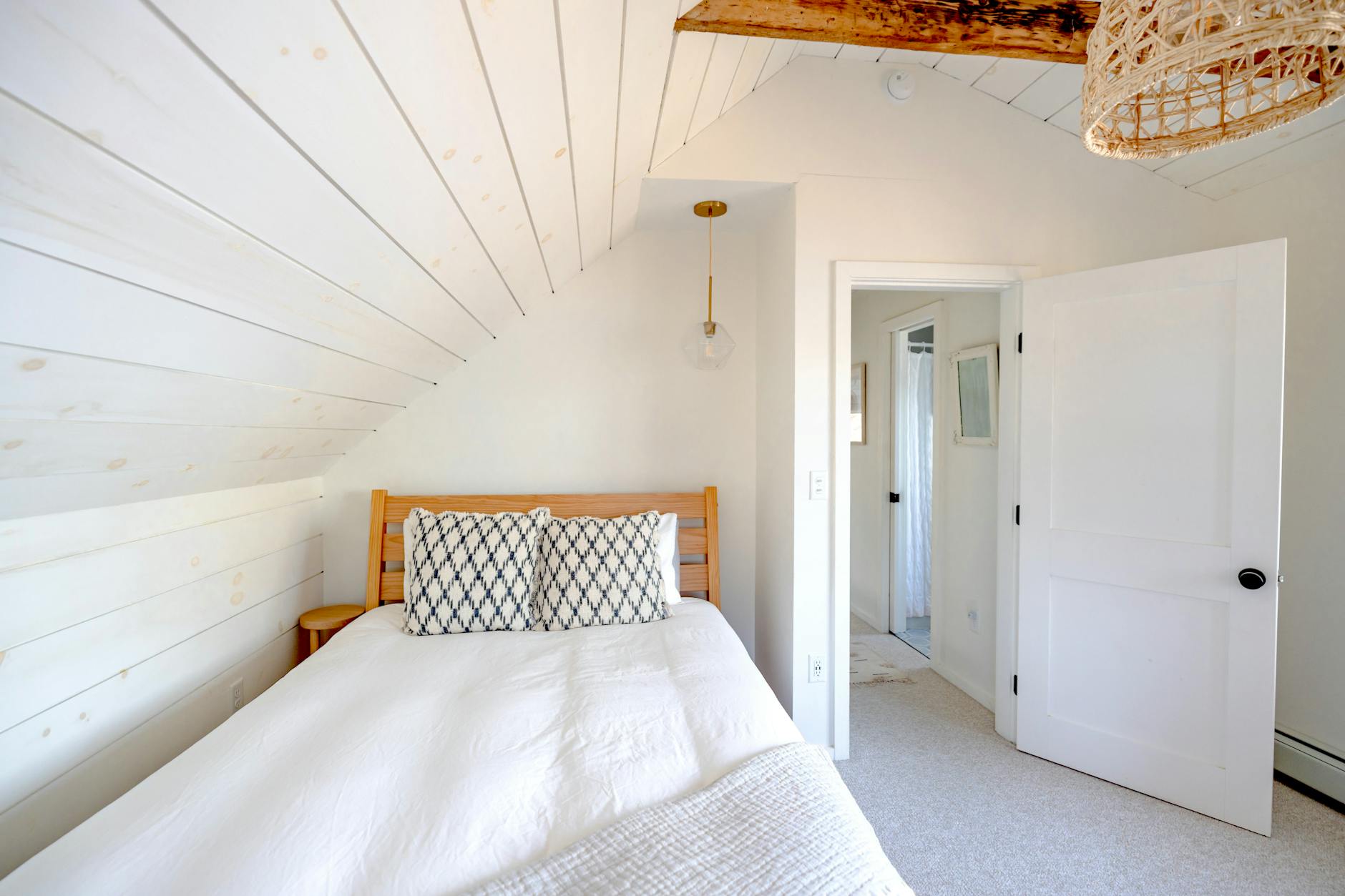
Transitioning to **coastal design**, white plays a pivotal role in evoking the serenity of seaside living. When paired with soft blues, sandy beiges, and natural textures, a white interior can mimic the calmness of the beach. Think shiplap walls, whitewashed furniture, and ample natural light—elements that together create a breezy, relaxed atmosphere reminiscent of a coastal getaway.
Lastly, in **modern and contemporary design**, white often acts as a foundation for bold architectural choices. Clean lines, open spaces, and innovative materials can be highlighted against a white backdrop. Here, the focus shifts toward the interplay of form and function, allowing creative elements like sculptural furniture or large-scale art pieces to shine.
Staying Ahead of Trends with White
Trend cycles in interior design are inevitable, but the essence of white remains timeless. As the design world shifts toward sustainability and eco-friendliness, the appeal of white spaces continues to thrive. Eco-conscious materials, like reclaimed wood and sustainable textiles, can easily inject a modern ethos into traditional white designs. By embracing such trends, homeowners can keep their interiors fresh while ensuring they are also responsible in their choices.
Furthermore, the enduring nature of white allows it to adapt to varying trends more easily than bolder colors. As trends come and go, a well-planned white interior can accommodate seasonal decor changes, ensuring it feels current without the need for an entire redesign. This aspect of versatility makes white a practical choice for those who prefer a long-lasting aesthetic that can evolve over time.
In summary, white interior design is not merely a fashionable choice; it embodies a profound understanding of space, light, and personal expression. Its timeless nature invites creativity, offering a canvas upon which individual tastes can flourish. Whether it’s through bold accents, layered textures, or creative layouts, the possibilities of white are endless, making it a cherished element in the world of design.