
In recent years, the trend toward smaller living spaces has gained significant traction. As urbanization continues to rise and sustainability becomes a central concern, people are increasingly seeking homes that are both functional and aesthetically pleasing. Small homes, often referred to as tiny homes, micro-apartments, or compact living units, offer a unique solution to modern housing needs. They not only maximize utility but also embody a minimalist lifestyle that prioritizes quality over quantity.
The Appeal of Small Homes
One of the primary draws of small homes is their affordability. With rising real estate prices, many prospective homeowners find themselves priced out of traditional single-family homes. Small homes typically require less investment, which allows for greater flexibility in budgeting. This financial relief also opens doors for homeowners to invest in high-quality materials and finishes, ensuring that their homes are both beautiful and durable.
Moreover, small homes encourage a simpler lifestyle. Living in a compact space often means downsizing possessions and focusing on essentials, which can lead to a more fulfilling, less cluttered life. The minimalism that accompanies small living spaces enables residents to concentrate on what truly matters—family, experiences, and personal growth. In this context of intentional living, even the smallest details in design can have a profound impact on daily life.
Design Elements that Enhance Functionality
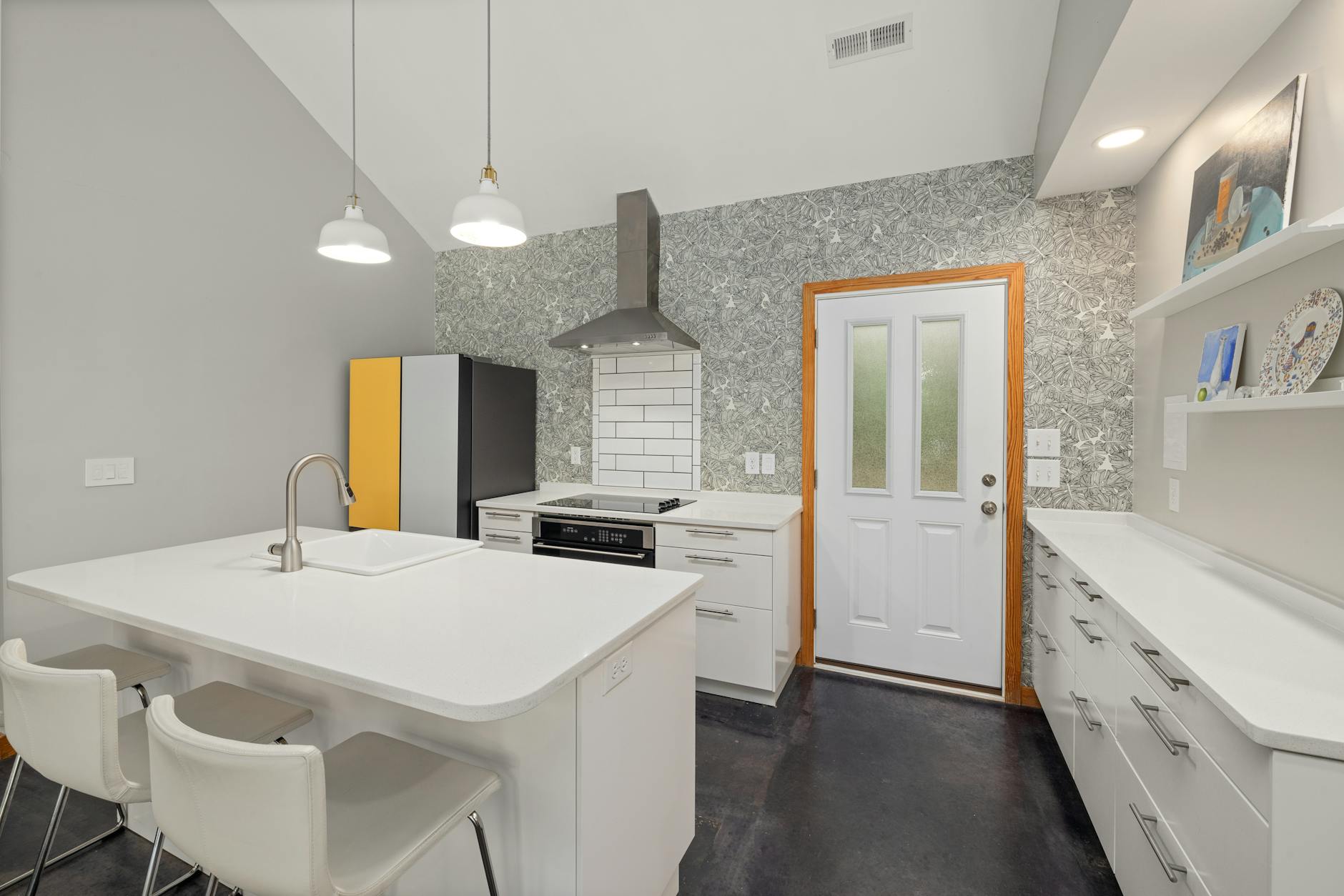
To ensure that small homes are not only visually appealing but also functional, innovative design strategies are employed. Multi-purpose furniture is a hallmark of small space design. For instance, sofas that double as beds, ottomans with storage capabilities, and foldable dining tables can make the most of limited square footage. These versatile pieces help residents adapt their living spaces to various needs, whether they are hosting guests or simply enjoying a quiet evening at home.
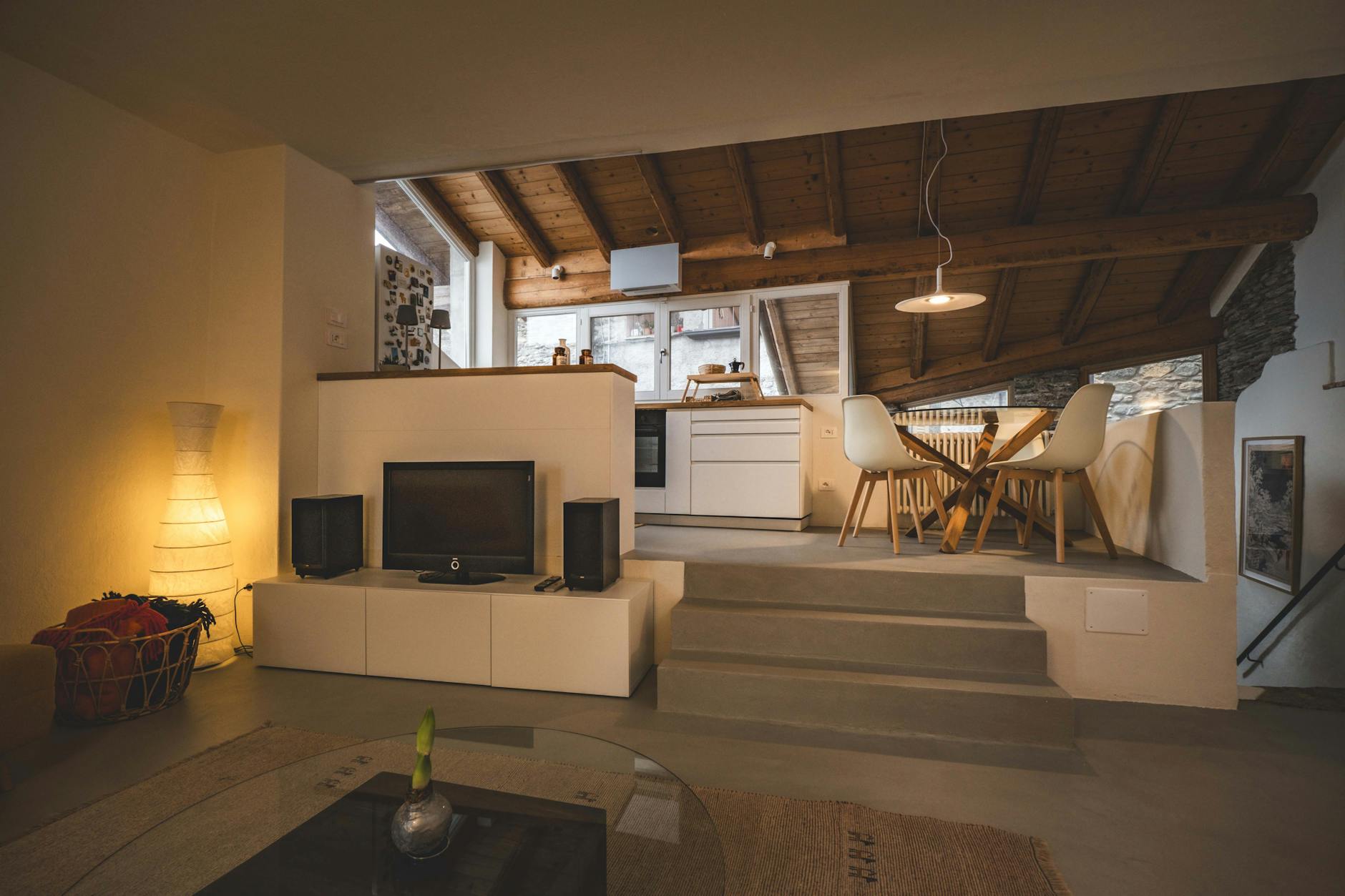
Another key aspect of functional small home design is smart layout choices. Open floor plans are often used to create a sense of spaciousness, while clever zoning can optimize areas for different functions—such as cooking, dining, and lounging. Additionally, incorporating vertical space through tall shelving or wall-mounted storage solutions can help free up floor space, making even the smallest of homes feel larger and more organized.
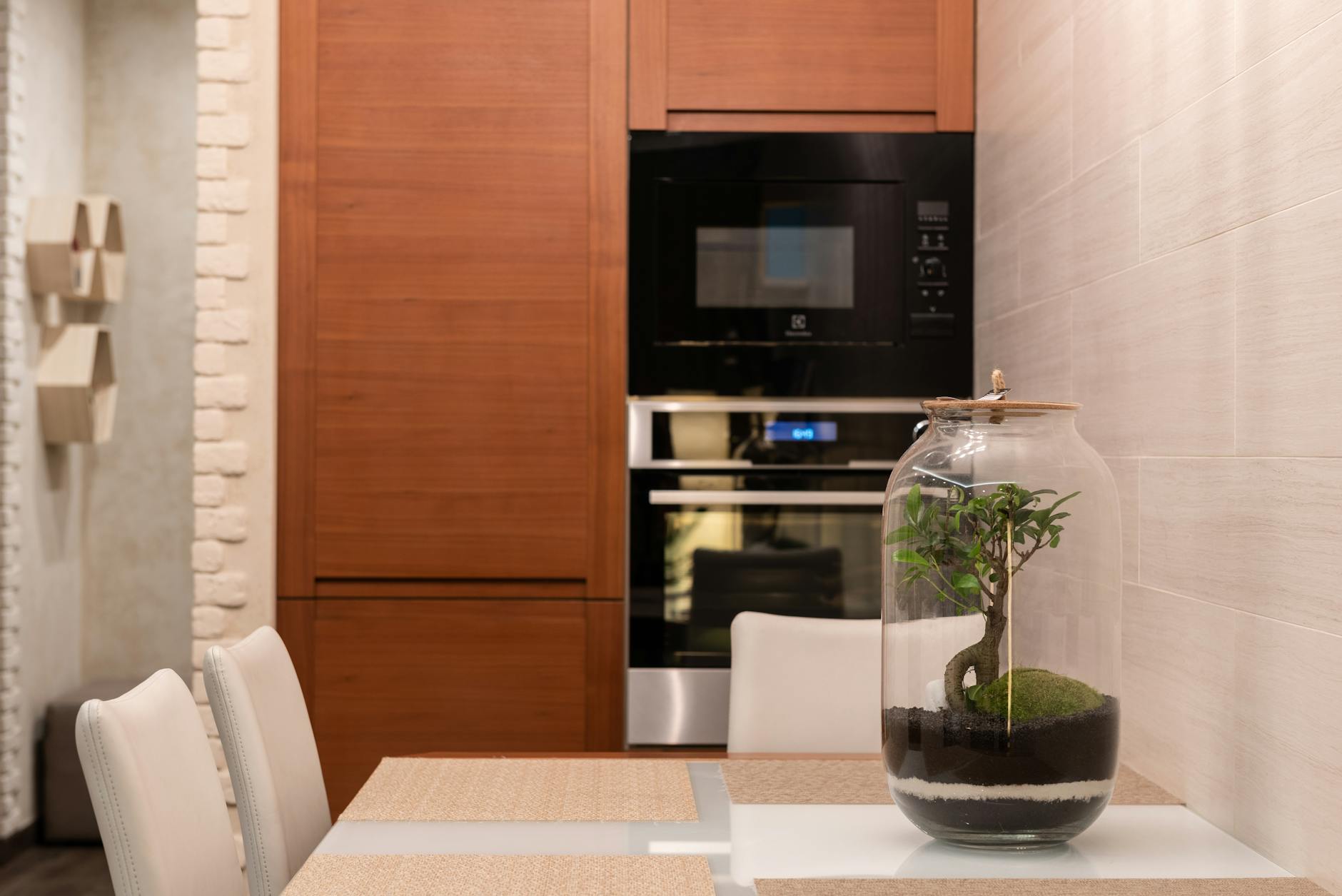
Natural light plays a crucial role in the design of small homes as well. Large windows and strategically placed mirrors can enhance brightness and create an illusion of space. Biophilic design, which incorporates elements of nature, such as indoor plants or natural textures, can further elevate the aesthetic appeal and contribute to a calming atmosphere. These design principles collectively create a living environment that is not only efficient but also nurturing and tranquil.
“Small homes reflect a lifestyle choice that emphasizes sustainability, simplicity, and a strong connection to one’s environment.”
Embracing Sustainability in Small Living
As concerns about climate change and environmental degradation grow, many small home designs are consciously incorporating sustainable practices. These homes often utilize eco-friendly materials and energy-efficient technologies, such as solar panels, rainwater harvesting systems, and high-efficiency appliances. By reducing their carbon footprint, residents contribute to a more sustainable future while enjoying the benefits of lower utility costs.
Additionally, small homes can make use of sustainable design principles such as passive solar heating, which leverages sunlight to heat interior spaces without additional energy consumption. This not only increases comfort but also promotes eco-conscious living—a hallmark of many small home owners.
Community living is another aspect of the sustainable small home trend. Cohousing arrangements where multiple small homes share communal spaces can foster a sense of community, reduce resource consumption, and enhance social interaction. Such models promote shared values and collective responsibility, making them appealing for those who prioritize relationships and community engagement in their lives.
Case Studies: Inspiring Examples of Functional Small Homes
Several innovative small homes around the world showcase the possibilities of this housing trend. One notable example is the “Tiny House” movement, which has popularized homes that are often no larger than 400 square feet. These homes are not only cost-effective but also customizable, allowing owners to reflect their personal style through unique designs and features.
Another inspiring case is the design of micro-apartments in urban centers, such as those in Tokyo. These units cleverly utilize sliding walls and multipurpose furniture, demonstrating that even the smallest footprint can create a comfortable and livable environment. Implementing practical design solutions allows residents to thrive in limited space while enjoying all the comforts of home.
“The best small homes combine smart design with personal expression, creating spaces that reflect the inhabitants’ lives and values.”
In Scandinavia, the concept of “hygge” has influenced small home design, emphasizing coziness and simplicity. Homes that embrace this design philosophy often feature warm, inviting interiors that prioritize natural materials and minimal clutter. The combination of aesthetic beauty and functional efficiency makes these homes truly stand out.
The Future of Small Living
The future of housing may very well hinge on the principles represented by small homes. As urban areas become increasingly congested and the demand for affordable housing persists, innovative tiny home communities represent a viable solution. Additionally, as the mindset shifts towards sustainable living practices, more individuals and families may gravitate toward the idea of living large in smaller spaces.
In essence, functional and beautiful small homes offer endless opportunities for creativity, sustainability, and personal expression. Whether through innovative design, efficient use of space, or thoughtful incorporation of nature, these homes not only meet practical needs but also inspire a deeper connection to the environment and community. As the movement continues to grow, we can expect to see more diverse and intriguing interpretations of what small living can be.