
As I strolled through the sun-drenched streets of San Francisco, I felt as if I had stepped directly onto a film set. The intricate details of the city—its iconic cable cars, stunning Victorian houses, and panoramic views of the Golden Gate Bridge—exuded a cinematic quality that made my heart race with wonder. Each block seemed meticulously designed, as if curated not just for the people who lived there but for the very purpose of storytelling. In this article, I invite you to explore what makes urban spaces feel like conduits of cinematic imagination and how interior design contributes to this narrative charm.
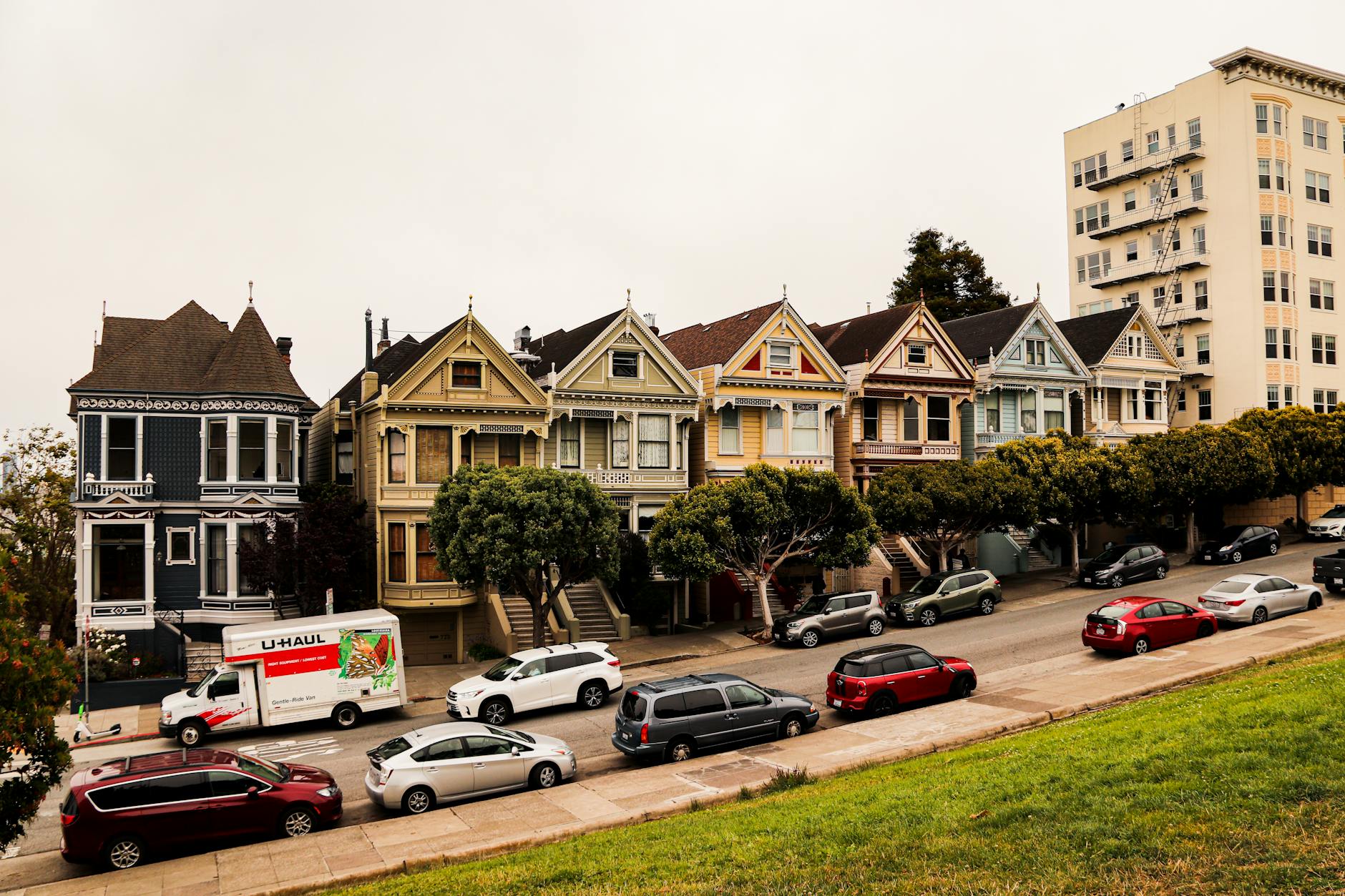
A Study in Architectural Diversity
San Francisco is a treasure trove of architectural styles, from Victorian and Edwardian houses to modernist and industrial structures. Walking through neighborhoods like Pacific Heights or the Haight-Ashbury, one cannot help but feel as though they are wandering through the pages of a history book come alive. The colorful facades of the Painted Ladies, linked to the city’s iconic skyline, are perfect examples of the Victorian architectural style, captivating anyone who passes. Each home tells a story, reflecting the prosperity of the Gold Rush era or the artistic spirit of the 1960s.
Beyond the aesthetic appeal, the interior design of these residences often mirrors their historical significance. Inside, one might find intricate woodwork, period-appropriate furnishings, and art that harkens back to the city’s vibrant past. Elements like plush fabrics, ornate light fixtures, and carefully chosen color palettes enhance the mood of each space, making the interiors just as thrilling as the exteriors. As you walk through, you can almost hear the echoes of laughter and conversation that have reverberated through these homes for generations.
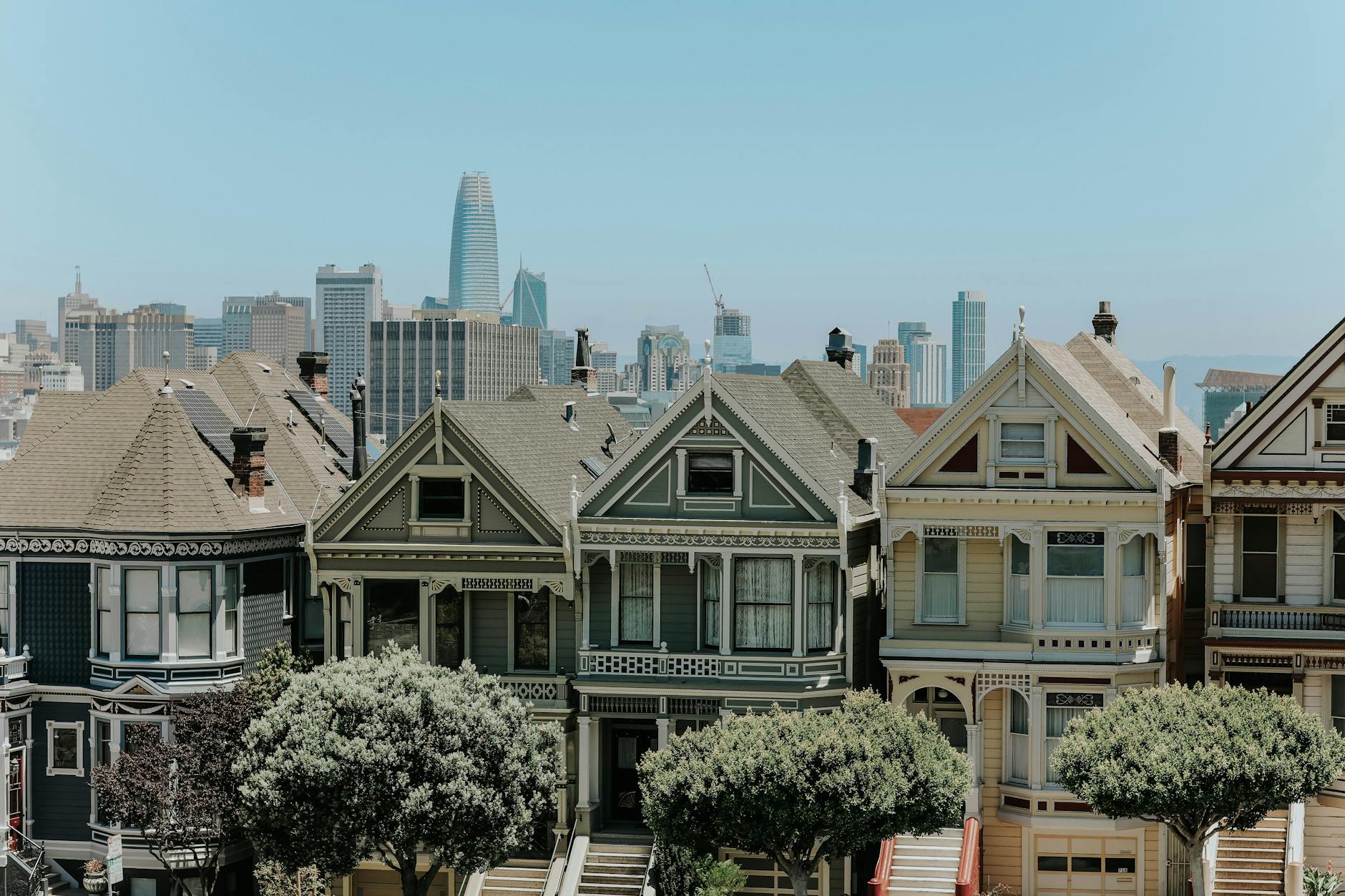
The Allure of Public Spaces
What truly amplifies the city’s cinematic atmosphere is its public spaces. Parks like Golden Gate Park and Dolores Park serve as vibrant backdrops for both leisurely activities and significant moments. These green oases, dotted with sculptures, gardens, and picnic areas, invite residents and tourists alike to bask in their beauty. The intricate design of these parks—complete with winding paths, ornamental bridges, and colorful flower beds—offers distinct areas for relaxation and recreation, framing memorable snapshots of city life.
Moreover, the incorporation of art in public spaces adds to the allure. Sculptures, murals, and installations engage visitors in meaningful ways, narrating stories of the city’s culture and history. For example, the colossal “Cupid’s Span” sculpture at Rincon Park is a fantastic piece that sparks both curiosity and conversation. Its design invites viewers to interact with the space, blurring the lines between art and environment. Here, the well-thought-out distribution of public art harmonizes with the surrounding landscape, evoking the feeling of being part of a living narrative.
“Cities are like movies; they envelop you in a story that is constantly unfolding.”
The Role of Lighting in Creating Atmosphere
One cannot overlook the importance of lighting in enhancing the cinematic feel of a city. As the sun dips below the horizon, San Francisco turns into a watercolor painting of warm hues and deep shadows. Streetlights flicker to life, casting a soft glow that transforms familiar avenues into enchanting pathways. The interplay of natural and artificial lighting shapes the ambiance, creating moments that feel both intimate and grandiose.
In restaurants and bars, warm lighting paired with stylish decor evokes a cozy yet sophisticated vibe, encouraging patrons to linger. The design elements—such as oversized mirrors, lush fabrics, and unique furniture—are carefully curated to provide a feast for the eyes. From the classic Speakeasies to contemporary eateries, the architecture and interior design work together to create scenes worthy of a romantic film. Lighting affects mood, and in a city like San Francisco, it can make even the most mundane moment feel extraordinary.
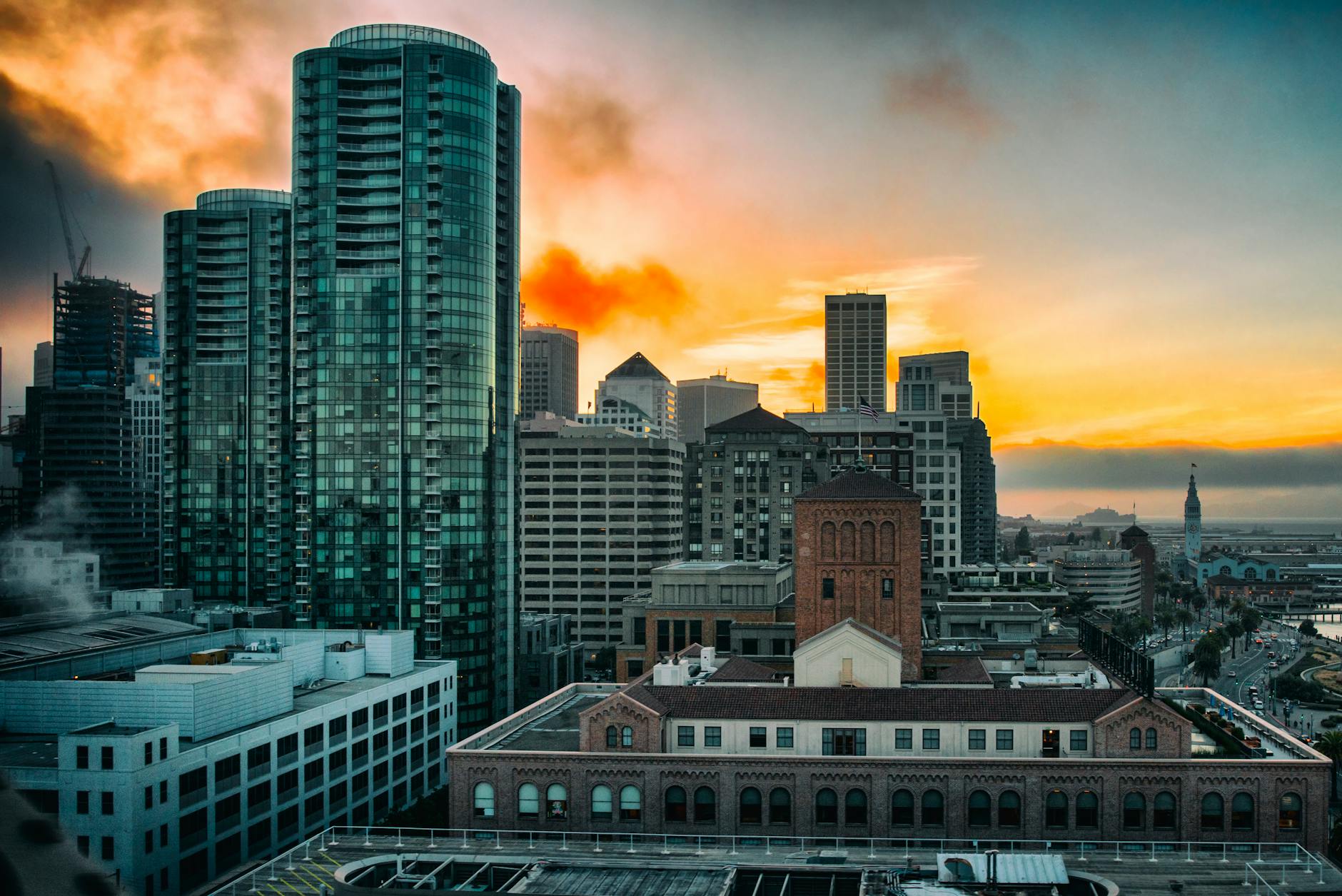
Experiencing Urban Life as Performance Art
In essence, urban life in a city that feels like a movie set is like participating in an ongoing performance art piece. Every passerby becomes part of the story, contributing to the rich tapestry of daily life. The rhythm of the city—the hustle and bustle of pedestrians, the melodic sound of street musicians, and the distant hum of traffic—creates a dynamic atmosphere that enchants both residents and visitors. Each encounter, each sight, shapes the collective memory of the city, crafting stories that are both personal and universal.
In this regard, interior design transcends mere aesthetics; it becomes an integral part of storytelling. Cafés filled with mismatched chairs and eclectic artwork invite patrons to sit and share experiences, while boutique shops present carefully curated collections that reflect the city’s character. These spaces are designed not just for functionality but to foster connection and dialogue—essential elements of any good narrative. As one interacts with these environments, they become part of the larger storyline woven throughout the cityscape.
Ultimately, walking through a city that feels like a movie set is an invitation to observe, engage, and imagine. The seamless blend of architecture, design, and public spaces creates a narrative that resonates deeply. It reminds us that cities are not just a collection of buildings and streets; they are vibrant canvases on which countless stories are painted.