
Your home is a sanctuary, a place where you retreat from the chaos of the outside world. In a time when the pace of life can often feel overwhelming, creating a warm and inviting atmosphere in your home can be a beautiful antidote. Whether you’re welcoming guests or simply enjoying a quiet evening by yourself, the right ambiance can transform your experience. This article will explore various ways to cultivate a cozy, inviting space that embraces warmth and comfort.
Emphasize Natural Elements
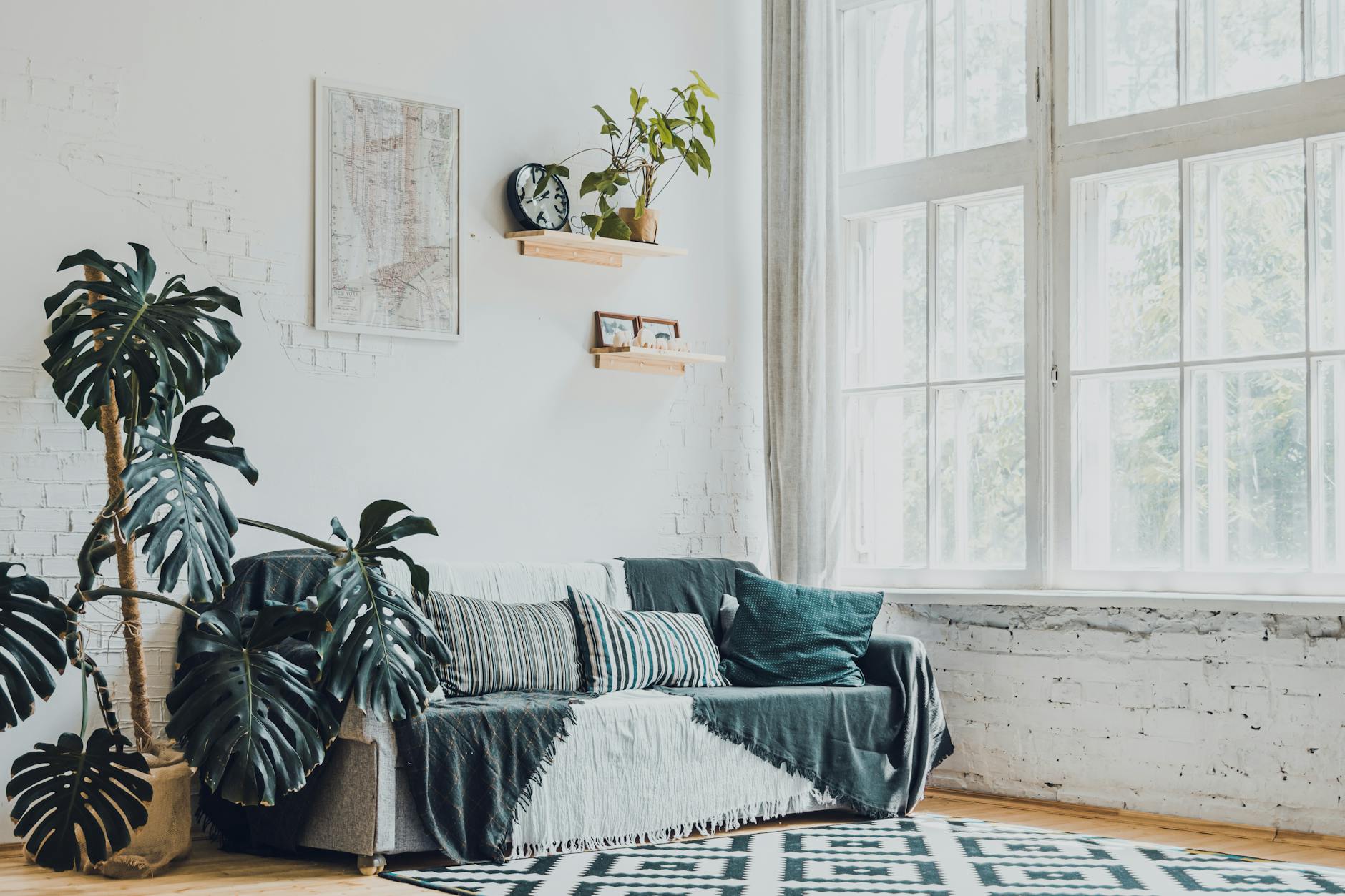
One of the easiest and most effective ways to make your home feel inviting is by incorporating natural elements into your decor. Bringing the outdoors in can foster a sense of tranquility and warmth. Start by adding plants, which not only improve air quality but also add life and color to your interior. Whether it’s a lush potted fern in the corner or a small succulent on your windowsill, the greenery creates a refreshing vibe.
In addition to plants, consider materials such as wood, stone, and cotton. Wooden furniture gives a rustic feel, while stone accents can evoke a natural, grounded atmosphere. Opt for cotton or wool textiles—like throw pillows and blankets—which add both softness and texture to your living space. Mixing these elements can bring an organic warmth, creating a welcoming environment where you and your guests can feel at ease.

Utilize Soft Lighting
Lighting plays a pivotal role in setting the mood of your home. Bright overhead lights can sometimes feel harsh and uninviting. Instead, aim for a softer illumination. Layered lighting—using a combination of wall sconces, table lamps, and perhaps some strategically placed candles—can create a warm and inviting atmosphere. Consider dimmer switches to adjust the lighting according to the time of day or your mood.
Candles are especially effective in creating an intimate setting. The flickering flame not only provides warm light but also an inviting aroma if scented. Spend time choosing scents that resonate with you—think vanilla, sandalwood, or lavender. By combining multiple light sources and substances, you can craft a comforting glow that envelops your home in warmth.
Create Comfortable Spaces
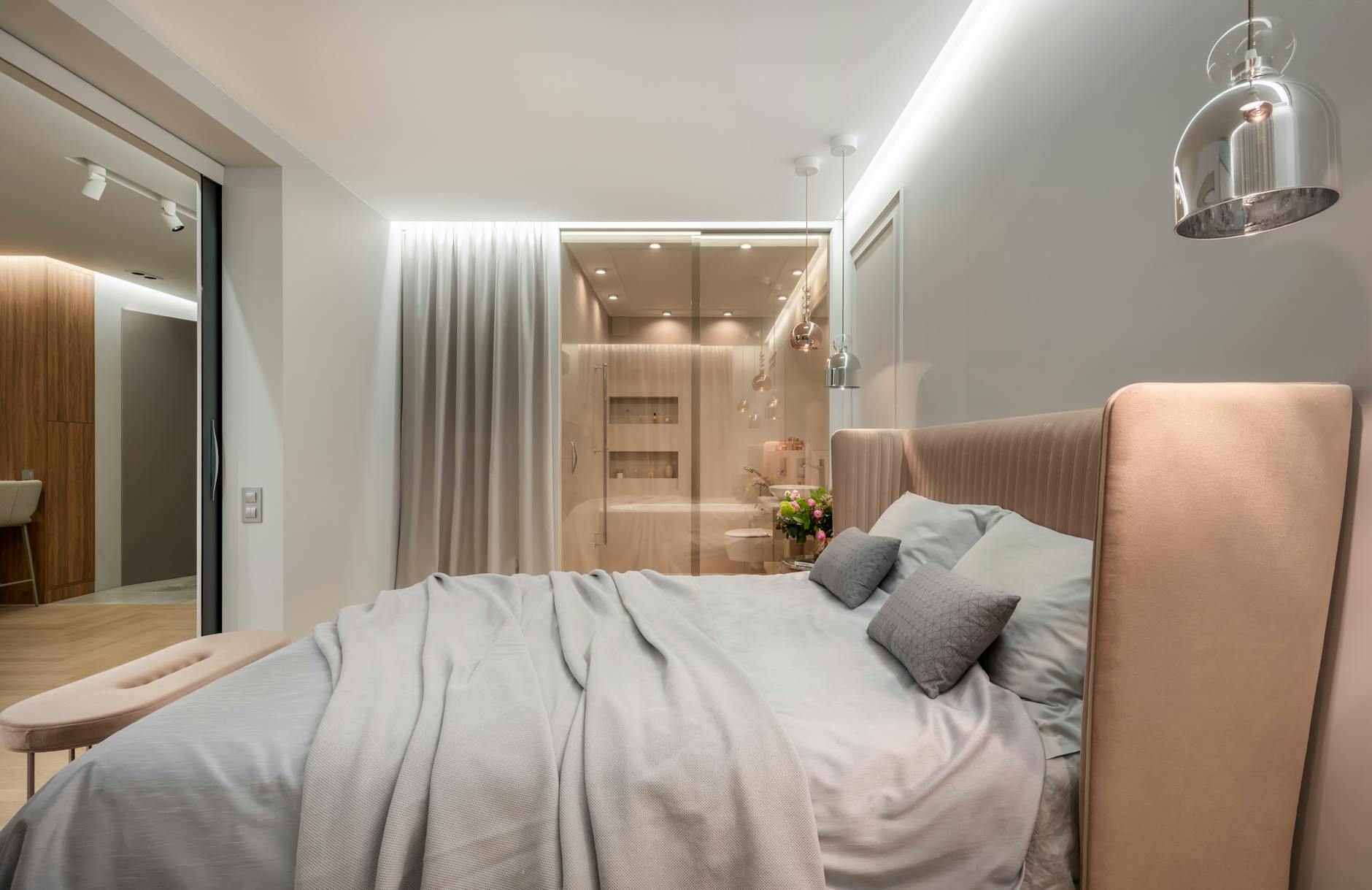
To make your home feel truly inviting, it’s essential to design spaces that prioritize comfort. Start by investing in quality furniture, particularly pieces that encourage relaxation. A plush sofa, a cozy armchair, or a soft bed can significantly impact how welcoming your home feels. Don’t shy away from layering with soft throws, an array of cushions, or even a knitted blanket draped over a chair.
Consider also the layout of your furniture. You want to create conversational areas that invite people to gather. Arrange seating in a way that promotes engagement—perhaps a circular layout around a coffee table. This not only makes the space feel inclusive but also enhances the overall warmth of the environment. Personal touches, such as family photos or mementos that tell your story, can further enhance these areas and make them feel more lived-in and inviting.
Add Personal Touches
Your home reflects your personality, so infusing it with items that resonate with you is vital for creating an inviting atmosphere. Consider art that inspires you or books that have impacted your life. Highlighting these items in your decor provides not only aesthetic value but also opens up opportunities for conversations when guests visit.
Moreover, memory-making spaces can enhance the warm ambiance of your home. Create a reading nook filled with your favorite novels or a corner dedicated to a hobby. Personal touches create a narrative that continues to unfold over time, making your home a living entity that can adapt and change with you. These elements allow others to see what you love, making them feel more connected to the space.
“A house is made of walls and beams; a home is built with love and dreams.”
This famous quote encapsulates the essence of an inviting home: it is not just about the physical space, but the feelings it conjures and the memories it holds.
Incorporate Warm Colors and Textures
Color significantly influences how a space feels. To create a warm and inviting atmosphere, choose colors that evoke a sense of comfort. Earthy tones—like warm browns, soft beiges, and muted greens—can create a cozy backdrop. Incorporate these shades into your walls, furniture, or decorative elements. When paired with textured materials such as woven rugs or plush upholstery, these colors can enhance the tactile experience within your home.
The texture brings depth and dimension to your decor. Look for a variety of surfaces—smooth glass, rough wood, and soft fabrics—to create a layered effect. This interplay not only draws the eye but also invites touch, encouraging a more intimate connection with the environment. By carefully considering the colors and textures in your home, you can craft a sanctuary that feels both warm and sophisticated.
In summary, turning your home into a warm and inviting space is about more than just aesthetics; it’s a holistic approach that engages all the senses. Through natural elements, soft lighting, comfortable spaces, personal touches, and mindful design choices, you can create a welcoming environment that reflects your style and nurtures those who dwell within its walls. Every home has the potential to transform into a cozy retreat where memories are made, and relationships flourish.