
In the hustle and bustle of everyday life, a well-organized pantry can be a game changer. Not only does it make meal preparation more efficient, but it also ensures that you have a clear view of what you have on hand, minimizing food waste and saving money. Whether you’re a culinary novice or a seasoned chef, mastering the art of pantry organization will streamline your cooking process and elevate your home kitchen experience.
1. Evaluate and Purge Your Pantry
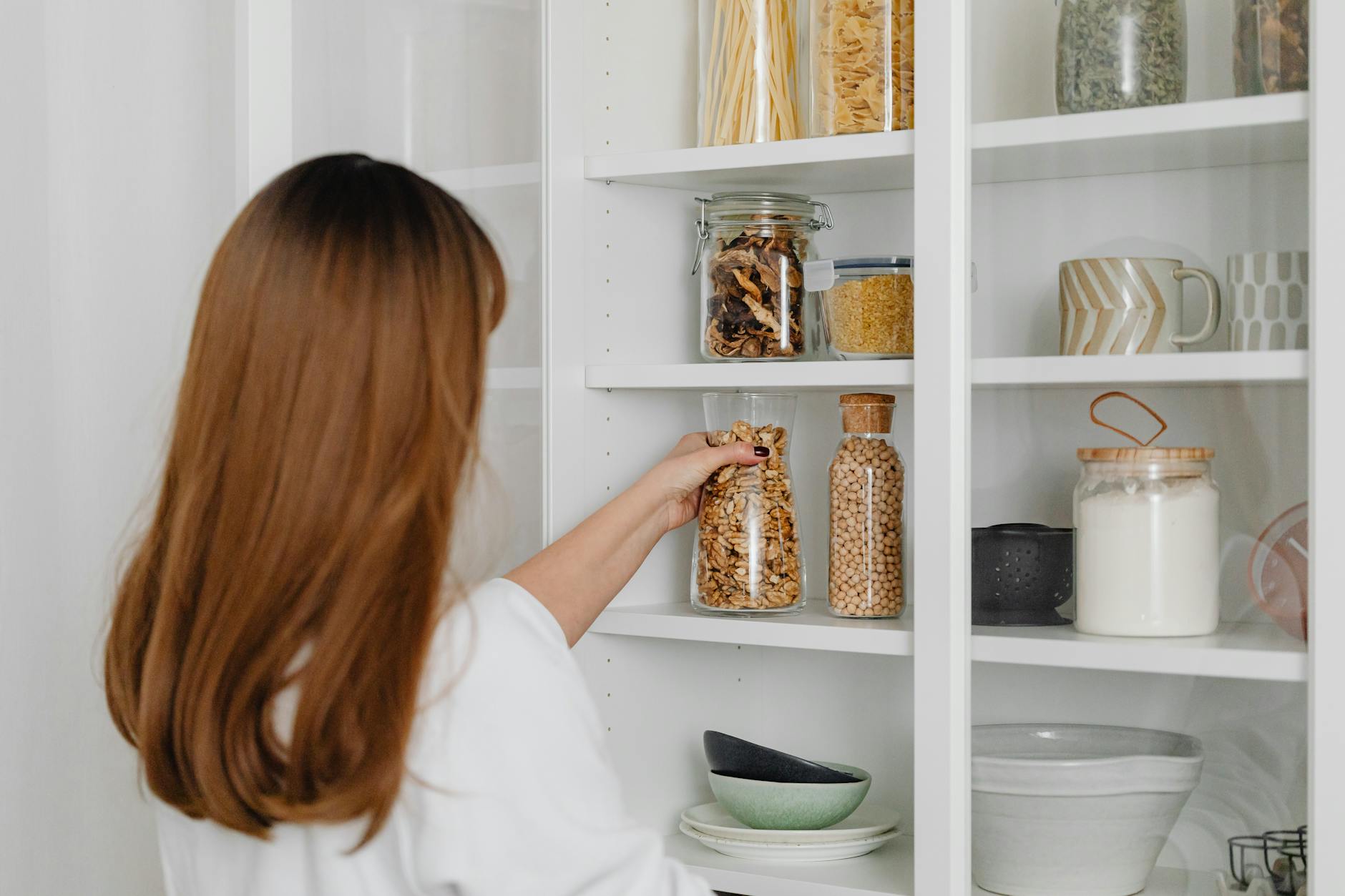
Before diving into the organization process, it’s essential to start with a thorough evaluation of your pantry’s current state. This initial step may reveal expired items, duplicate products, and ingredients you forgot you had. Begin by emptying the pantry completely. This not only gives you a clean slate to work with but also allows you to assess the condition of your shelves.
As you empty your pantry, inspect every item. Check expiration dates, condense your spices, and throw away anything that appears stale or expired. This decluttering phase is crucial, as it helps to create space for the items you genuinely use. If you find multiple opened packages of the same ingredient, consolidate them. This practice not only saves space but also ensures you use what you already have.
2. Categorize Your Food Items
Once your pantry is empty and purged of unnecessary items, the next step is to categorize what remains. Group food items by their type or use, which can simplify both cooking and shopping. Consider the following categories:
- Grains: Include rice, pasta, quinoa, and any other staples in this group.
- Legumes: Store canned beans, lentils, and dried beans together.
- Snacks: Keep chips, nuts, and other munchables in one section.
- Condiments: Place sauces, oils, and vinegars together for easy access.
- Spices: A separate section for spice jars can save time when cooking.
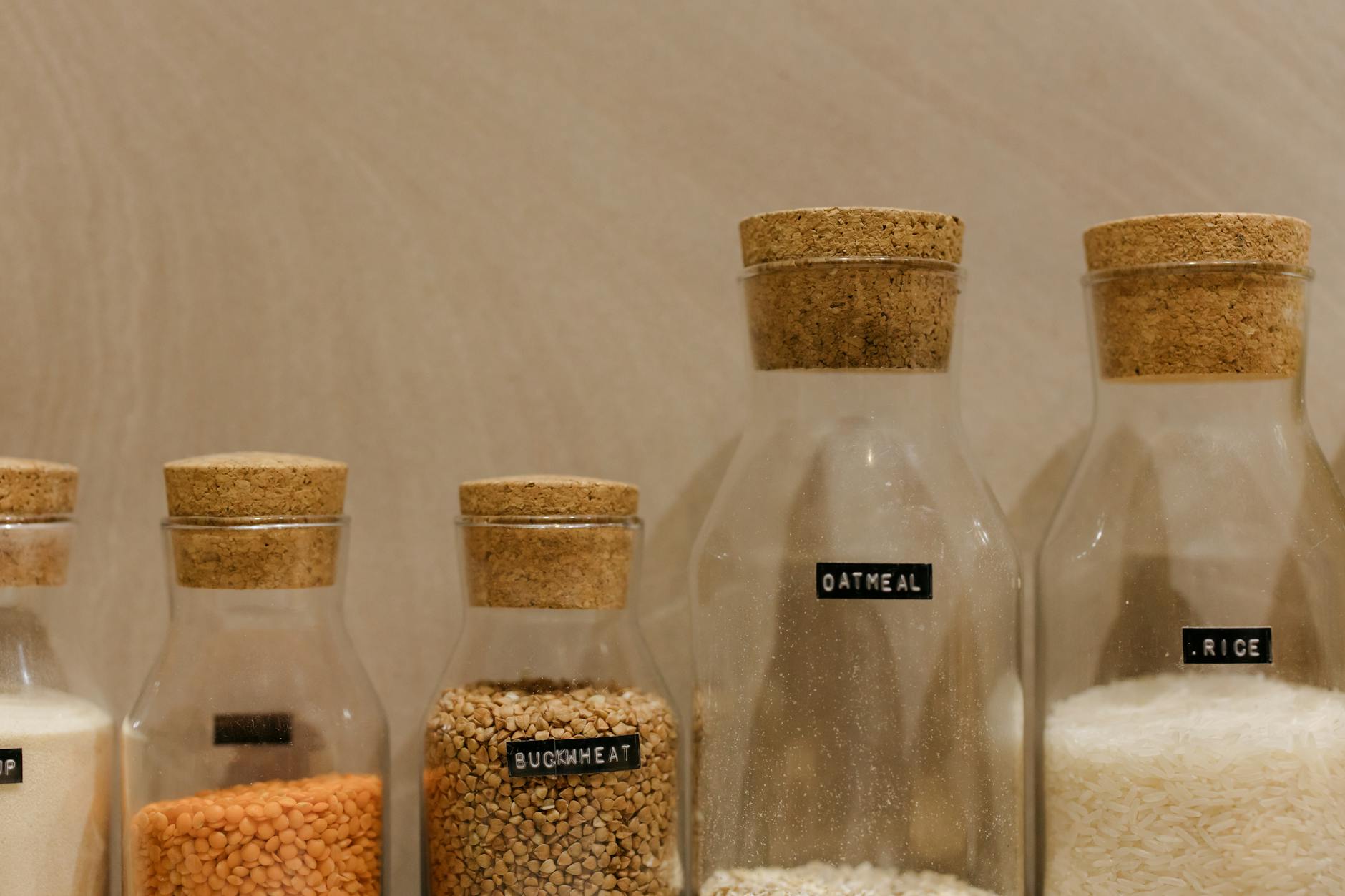
Using clear bins or baskets to group these categories can enhance visibility and access. Label each bin with its contents for easy identification, which will also help others in your household find what they’re looking for without rummaging through everything.
3. Choose the Right Storage Solutions
Consider investing in storage solutions that enhance both functionality and aesthetics. The right containers not only keep your pantry tidy but also prolong the shelf life of items. Here are some effective storage options:
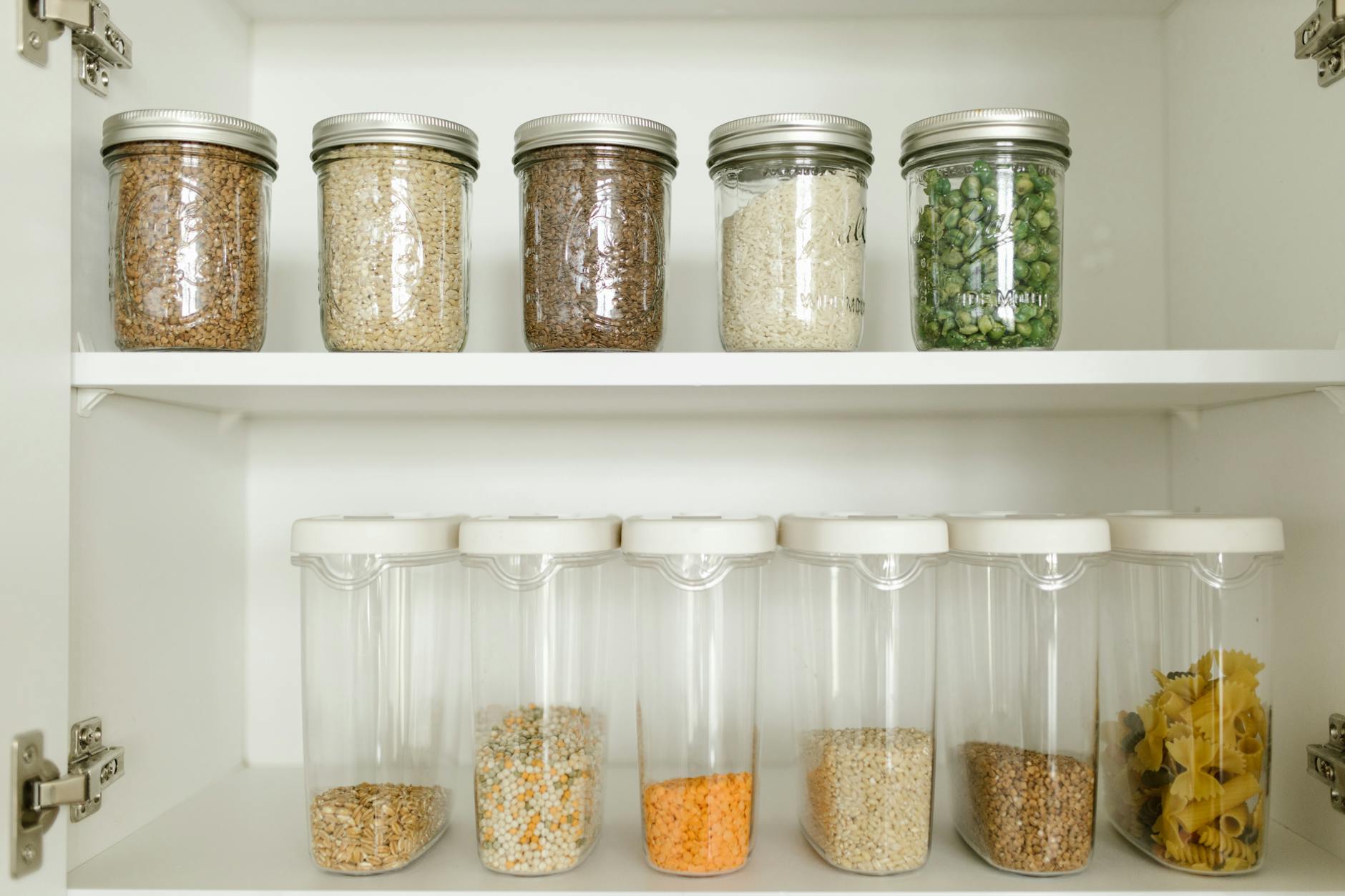
- Airtight Containers: Ideal for dry goods like flour, sugar, and pasta, these containers prevent moisture and pests from spoiling your food.
- Stackable Bins: Maximize vertical space by utilizing stackable bins for canned goods or snacks.
- Lazy Susans: Perfect for corner shelves or tight spaces, these rotating trays make it easy to access condiments, oils, and jars.
- Clear Jars: Display ingredients such as grains and snacks in glass jars. Not only do they look appealing, but they also let you quickly see what you have.
When choosing containers, consider uniformity to create a streamlined look in your pantry. Having a consistent style can make your pantry feel more organized and visually pleasing.
4. Optimize Space and Accessibility
Maximizing your pantry’s space is crucial for efficient organization. Adjusting shelf heights and utilizing door space can significantly enhance accessibility. Here are some strategies:
- Adjustable Shelving: If your pantry allows, consider adjustable shelving to accommodate different container heights. This flexibility can be particularly helpful as your pantry inventory changes.
- Door Racks: Use hooks or racks on the inside of the pantry door to store spices, wraps, or small canisters. This underutilized space can give you extra room for other items.
- Keep Frequently Used Items at Eye Level: Place the items you use most often within easy reach. This practice reduces the time spent searching for ingredients while cooking.
Remember that the goal of organizing your pantry is not just about aesthetics; it should also make your cooking and meal planning easier. The more accessible your essential ingredients are, the more likely you will use them.
5. Regular Maintenance
After achieving your ideal pantry organization, it’s crucial to maintain this system. Regularly reassess your pantry, ideally every few months, to ensure items are still categorized correctly and that nothing has expired. Consider implementing a simple system for tracking what you need to replenish as you cook. You can keep a notepad inside your pantry or use an app to monitor inventory.
Additionally, make it a habit to rotate older items to the front of the pantry and replenish new purchases at the back. This simple practice helps you avoid food waste and ensures that you use what you have before buying more.
“An organized pantry not only enhances your cooking experience but also promotes healthier eating habits. When everything is easy to find, you’ll be more likely to prepare wholesome meals at home.”
In conclusion, organizing your pantry like a pro requires an initial investment of time and effort, but the long-term benefits are worth it. A well-structured pantry will save you time, prevent food waste, and inspire you to experiment in the kitchen. Take these steps to create an organized space that reflects your culinary lifestyle and makes cooking a joy.