
The concept of modern serenity in interior design transcends mere aesthetics—it encapsulates a lifestyle choice that prioritizes tranquility, functionality, and an understated elegance. As urban environments grow more hectic, the need for peaceful sanctuaries within our homes becomes increasingly vital. Modern serenity blends clean lines, natural materials, and intentional minimalism to create spaces that promote both comfort and calm. In this article, we explore the key components of modern serenity, showcasing inspiration that can transform any home into a tranquil retreat.
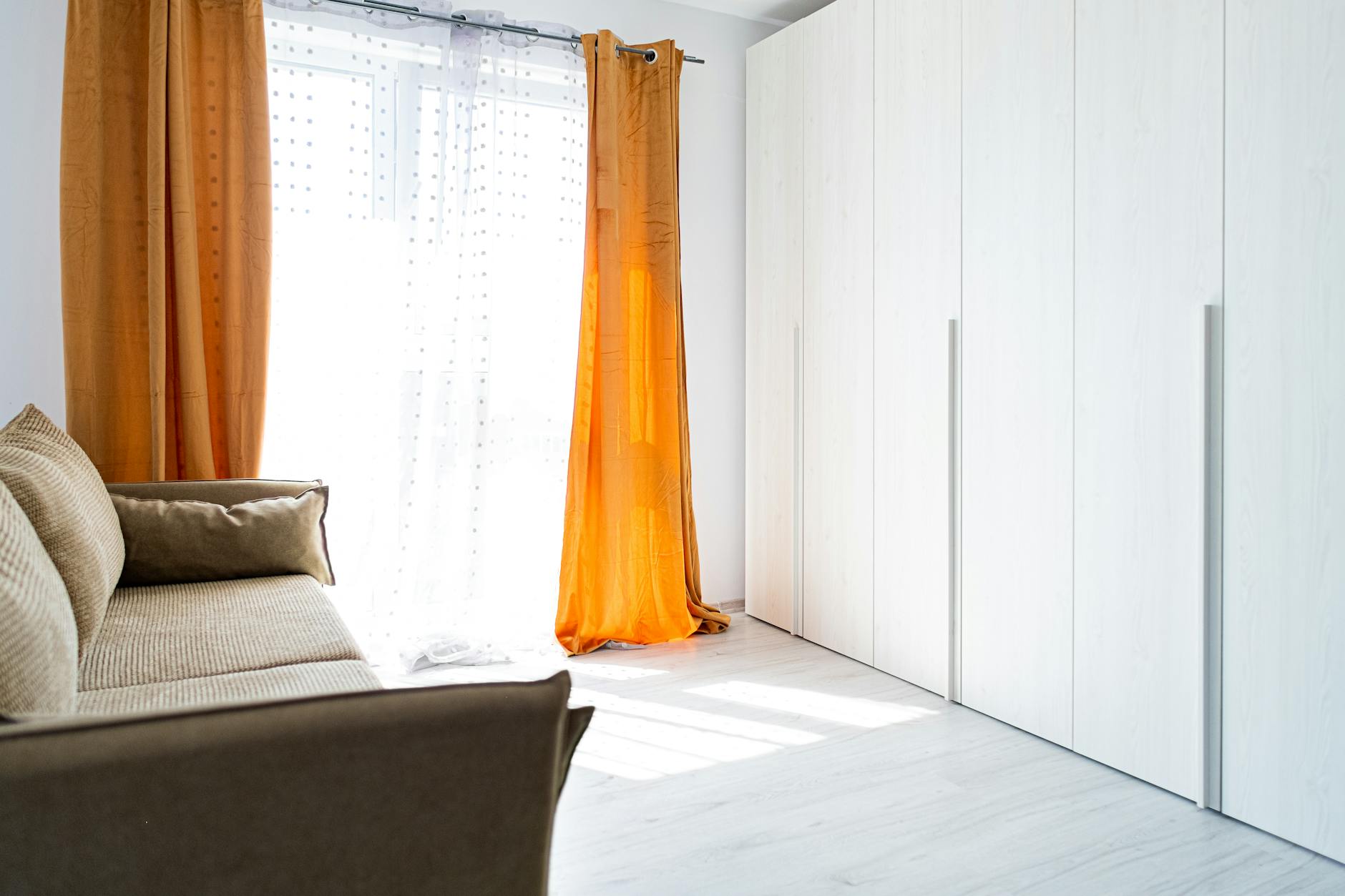
Embracing Natural Elements
One of the cornerstones of modern serenity is the incorporation of natural elements. This approach encourages an organic aesthetic that can have a soothing effect on the mind and body. Using materials such as wood, stone, and textiles with natural fibers is essential. For instance, reclaimed wood furniture not only adds character to a room but also promotes sustainability—a principle that resonates with the peaceful ethos of modern serenity.
Additionally, biophilic design, which emphasizes the connection between indoor spaces and nature, plays a significant role. Large windows that invite ample natural light not only enhance the beauty of a room but also contribute to a sense of spaciousness and airiness. Houseplants are another effective way to integrate nature into interiors. Easy-to-care-for plants such as snake plants or peace lilies can purify the air and elevate mood, serving as both decor and therapeutic allies.
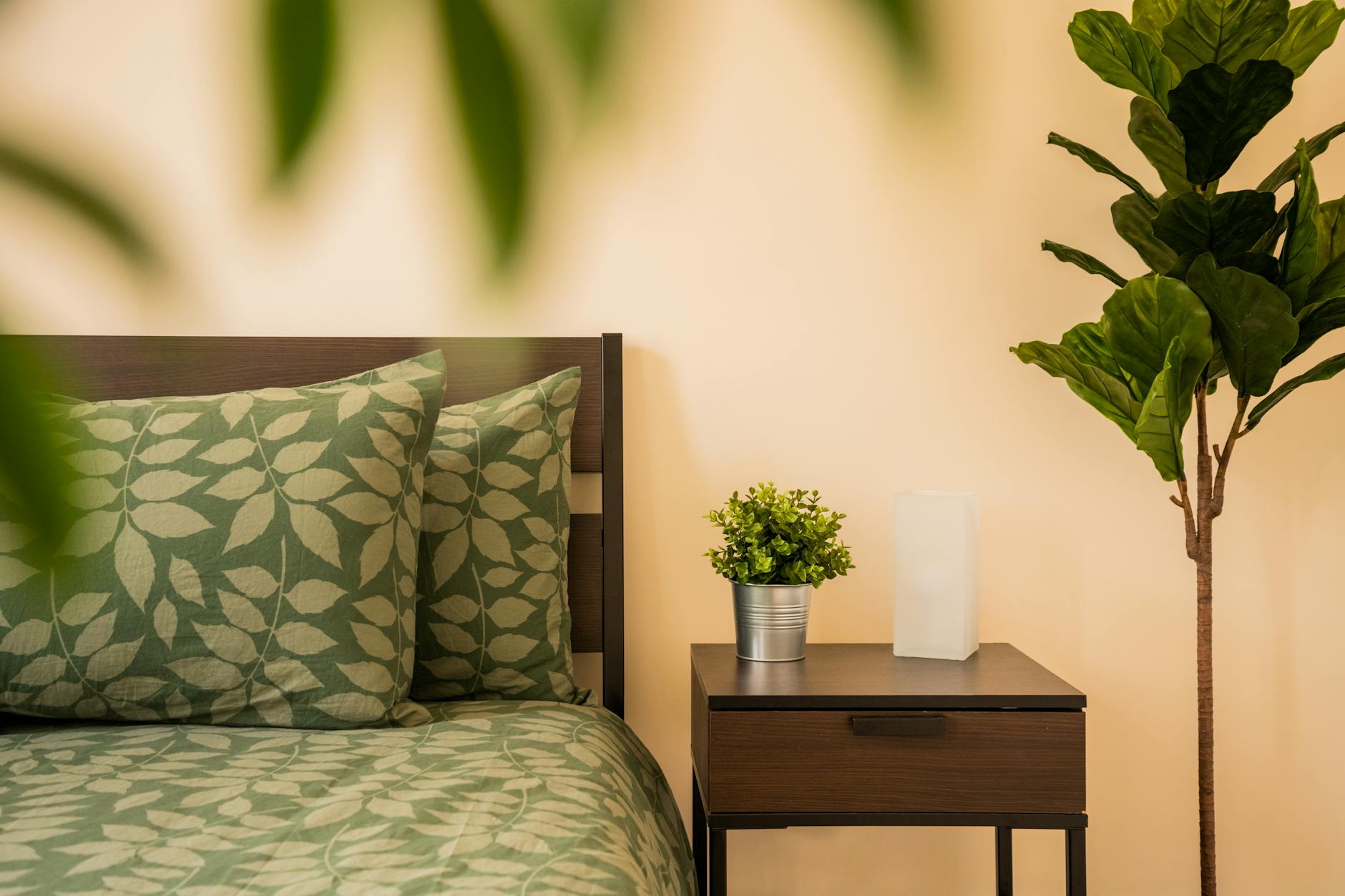
Color Palettes That Promote Calm
Color choices have a profound impact on our emotions and perceptions of space. In the realm of modern serenity, the focus is on muted palettes that evoke a sense of calm and balance. Shades of white, beige, and soft pastels create a serene backdrop that allows the mind to unwind. These colors also reflect light, enhancing the overall brightness of a space without overwhelming it.
To add depth and interest, consider incorporating deeper hues like soft blues or greens. These colors are often associated with nature and can elicit feelings of tranquility. Using accent pieces in these hues—such as throw pillows, artwork, or rugs—can create a harmonious vibe without detracting from the overall serene aesthetic. Furthermore, the use of textured materials, such as linen and cotton, can add warmth and comfort, making the space feel inviting while remaining sophisticated.
“Design is not just what it looks like and feels like. Design is how it works.” – Steve Jobs
Functional and Thoughtful Layouts
In modern serenity, thoughtful layouts are crucial for creating spaces that feel open and uncluttered. The principles of feng shui often inform these designs, emphasizing the flow of energy within a space. Prioritizing functionality means that every piece of furniture and decor must serve a purpose, eliminating excess and creating a clear pathway throughout the home.
For living areas, consider incorporating modular furniture that can be easily rearranged to accommodate gatherings or quiet moments of solitude. In bedrooms, opt for low-profile beds that maintain a sense of space while providing comfort. Each area should feel cohesive rather than chaotic, allowing residents to engage with their environment effortlessly. This intentional approach to layout fosters an atmosphere of calm, where the mind can relax and rejuvenate.
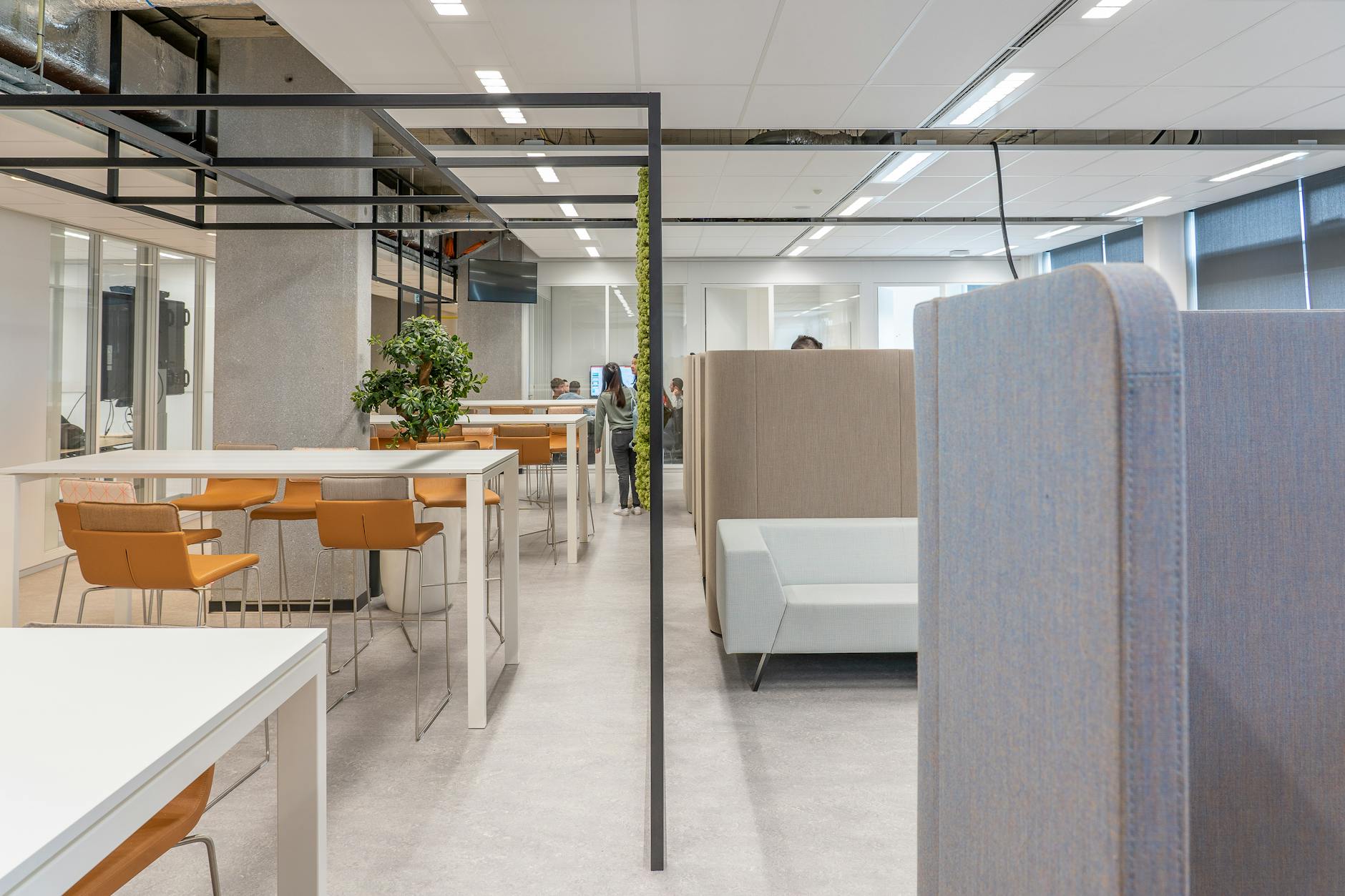
The Importance of Lighting
Lighting plays a transformative role in any interior design, but in modern serenity, it becomes an essential tool for crafting atmosphere. The goal is to create layers of light that enhance the natural beauty of a space. Natural light, when abundant, can create a connection to the outdoors, promoting well-being. However, complementary lighting, such as soft pendant lights or strategically placed floor lamps, can provide warmth and comfort during the evening hours.
Consider designing spaces with dimmable options, allowing residents to adjust the mood according to their needs. Warm-toned LED bulbs can replace harsh fluorescents, contributing to a more relaxing visual experience. Incorporating candles can provide not only gentle lighting but also a sensory element that promotes relaxation through scent. The thoughtful integration of light fosters a sense of harmony, enhancing the calming character of the space.
Personal Touches and Mindfulness
While modern serenity emphasizes minimalism and calm, personal touches are crucial for creating a true sanctuary. The beauty of this design style lies in its adaptability to individual tastes and experiences. Artwork, family heirlooms, or books can serve as meaningful decor that reflects personal stories, adding warmth and character to the serene environment.
Moreover, creating designated spaces for mindfulness practices—such as meditation corners or reading nooks—can further enhance the atmosphere. Utilizing soft throws, comfortable seating, and calming visuals in these areas encourages dedicated time for relaxation and reflection. By embracing both simplicity and personal expression, modern serenity becomes a reflection of the individual, transforming a house into a home.
In conclusion, the allure of modern serenity lies in its ability to create peaceful sanctuaries amidst the chaos of modern life. Through the use of natural elements, calming color palettes, thoughtful layouts, effective lighting, and personal touches, anyone can cultivate an inviting atmosphere that promotes well-being and relaxation. By adopting these principles, your home can transform into a space where serenity thrives, allowing for moments of peace and clarity in the hustle and bustle of daily life.