
The concept of minimalism has gained significant traction in recent years, resonating particularly with those seeking tranquility and simplicity in their bustling lives. By adopting a minimalist lifestyle indoors, individuals can create a serene environment that promotes focus, productivity, and well-being. This article explores practical strategies for maintaining a minimalist indoor lifestyle, emphasizing organization, intentional living, and mindful consumption.
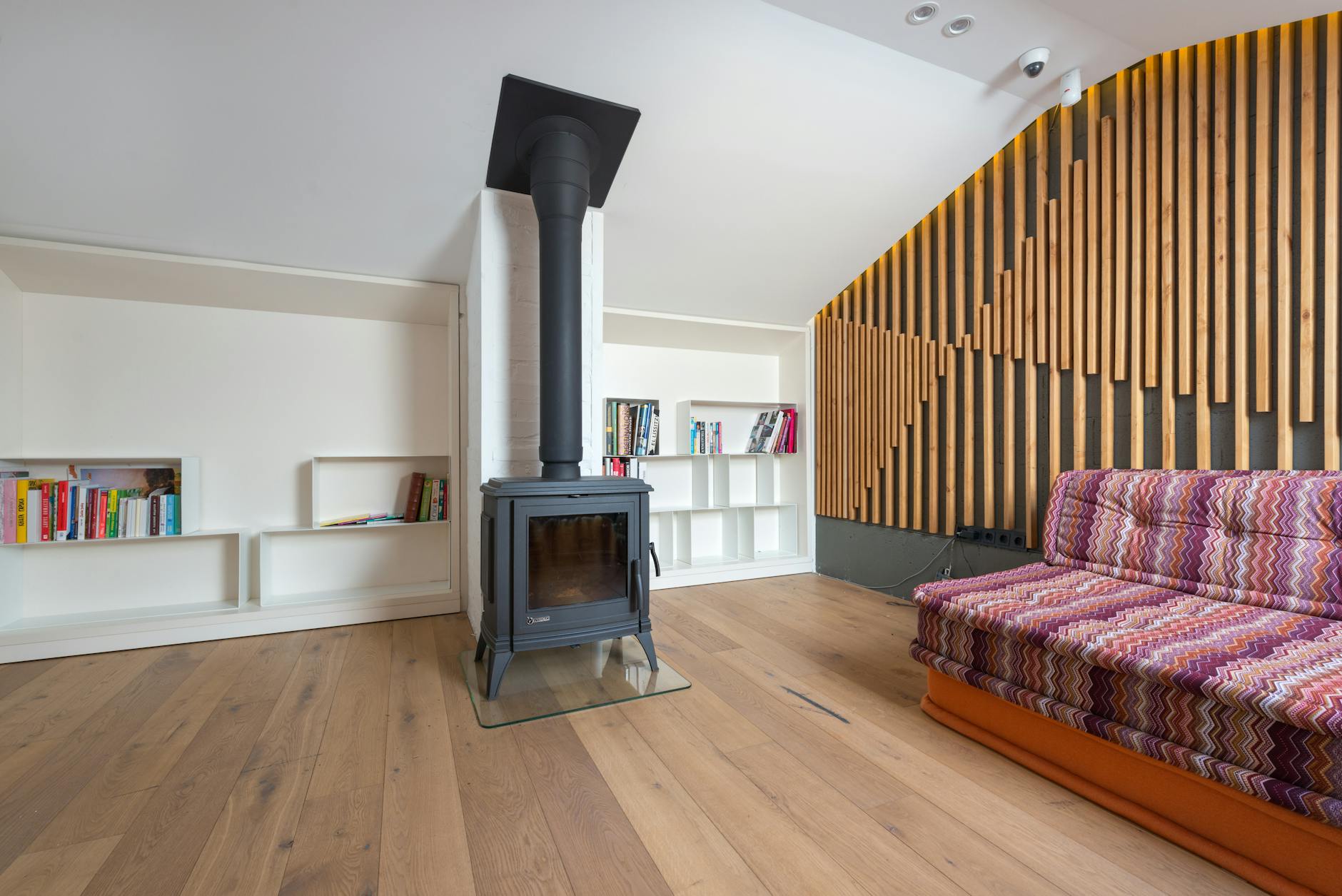
Embrace the Philosophy of Minimalism
To embark on the journey of minimalism, understanding its core philosophy is crucial. Minimalism is more than just a design trend; it is a way of life centered around the belief that less is more. This philosophy encourages individuals to strip away the unnecessary, allowing space for what truly matters. The first step in embracing minimalism involves self-reflection. Ask yourself what brings you joy and fulfillment. By identifying your core values, you can begin to eliminate the excess that distracts you from them.
Consider keeping a journal to document your thoughts and feelings about your possessions and living space. This practice will help you gain clarity on what items enhance your life and which ones merely occupy space. A minimalist lifestyle isn’t about deprivation; rather, it’s about enhancing your living experience by surrounding yourself with items that serve a purpose or evoke joy.
Declutter with Purpose
Decluttering is an essential step in achieving a minimalist indoor environment. However, not all decluttering methods are equally effective. A strategic approach is to tackle one area at a time, which allows for a more manageable and less overwhelming process. Start with your closet, kitchen, or any space that tends to accumulate clutter. As you sort through your belongings, be honest with yourself. If an item doesn’t serve a purpose or hold sentimental value, consider donating or recycling it.
The “One-Year Rule” can be a helpful guideline—if you haven’t used an item in the past year, it’s likely that you won’t use it again. Another effective technique is to apply the “Four-Box Method,” where you categorize items into boxes labeled “Keep,” “Donate,” “Trash,” and “Undecided.” This method encourages thoughtful decision-making and reduces the likelihood of retaining items out of guilt or obligation.
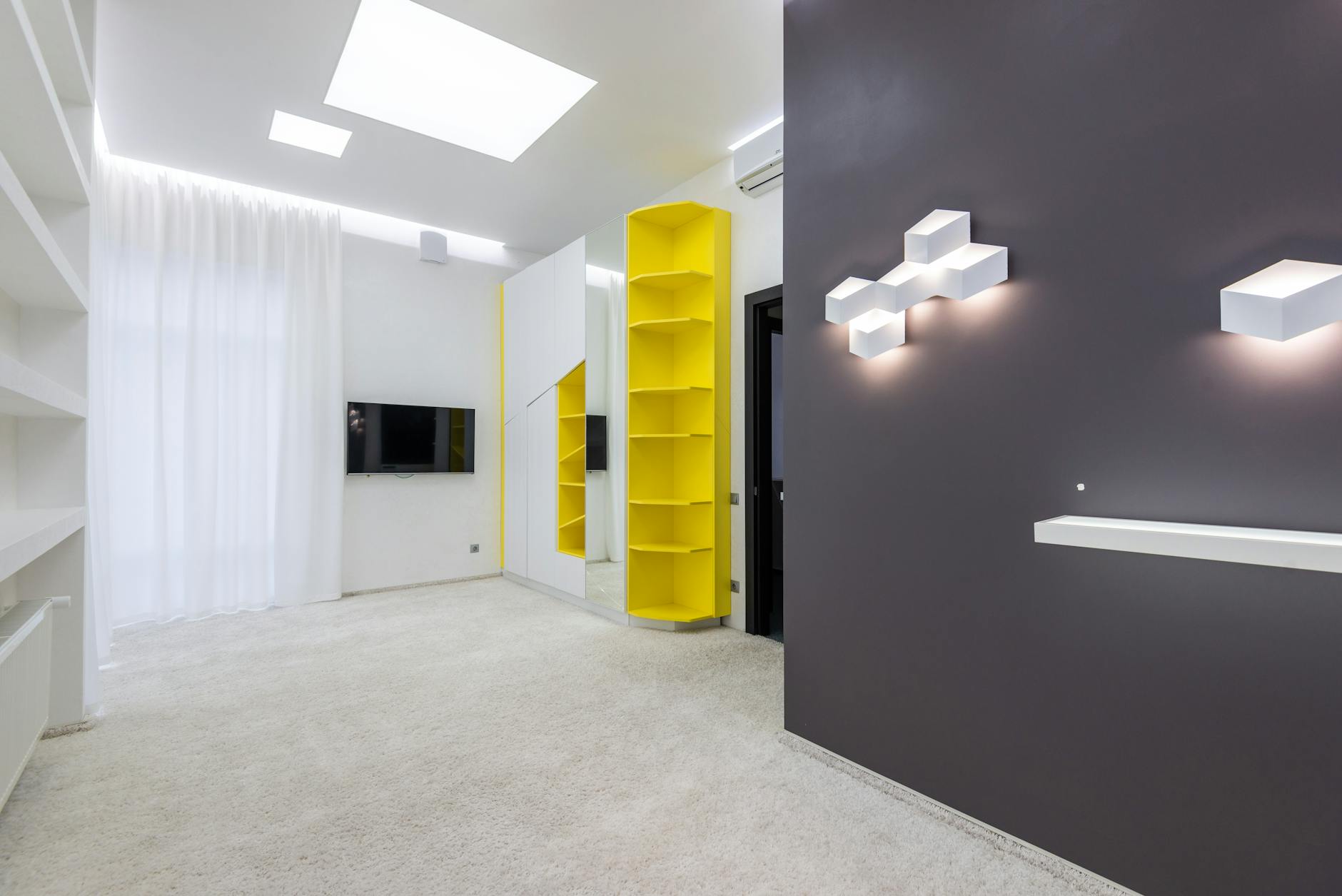
Design Intentional Spaces
Once decluttering is complete, focus on designing your living spaces to reflect minimalism. The goal is to create intentional spaces that foster both functionality and comfort. Start with a neutral color palette; soft whites, earthy tones, and muted hues can create a calm atmosphere. When selecting furniture, look for multifunctional pieces that serve dual purposes—storage ottomans or sofa beds, for example, can help to maximize space and reduce clutter.
Another key aspect of a minimalist design is open space. Avoid overwhelming your living areas with excessive decoration. Instead, choose a few carefully curated items that resonate with you personally or reflect your values. A single piece of art, a well-placed plant, or a cherished photograph can create a focal point while maintaining an uncluttered aesthetic. Remember, minimalist design is about creating harmony and visual appeal through simplicity.
Cultivate Mindful Consumption
Maintaining a minimalist lifestyle indoors requires an ongoing commitment to mindful consumption. This means being intentional about what you bring into your home. Before making a purchase, consider whether the item aligns with your values and if it adds substantial value to your life. A useful strategy is the “30-Day Rule,” where you wait 30 days before buying non-essential items. This waiting period allows for reflection and helps prevent impulse purchases that contribute to clutter.
Additionally, be mindful of digital consumption. Just as physical clutter can overwhelm your space, digital clutter—such as excessive emails, files, and apps—can create mental noise. Regularly review and delete unnecessary digital items, and limit your engagement with social media to maintain a focused mindset. Embracing a minimalist lifestyle indoors extends beyond physical items; it encompasses how you interact with your digital environment as well.

Regular Maintenance and Mindset Shifts
To sustain a minimalist lifestyle, regular maintenance is crucial. Set aside time—whether weekly or monthly—to reassess your living space and belongings. This practice not only keeps clutter at bay but also reinforces the minimalist mindset. Cultivating a habit of questioning your purchases and regularly decluttering will strengthen your commitment to minimalism.
It’s also essential to shift your mindset toward gratitude and appreciation for what you have rather than focusing on what you lack. This change in perspective enhances your overall sense of well-being and diminishes the desire for more possessions. Celebrate the benefits of living minimally, such as reduced stress and increased clarity, and remind yourself of these advantages whenever the urge to acquire new items arises.
Conclusion
Maintaining a minimalist lifestyle indoors is a rewarding journey that requires intentional effort and reflection. By embracing the minimalist philosophy, decluttering with purpose, designing intentional spaces, cultivating mindful consumption, and committing to regular maintenance, you can cultivate an environment that enhances your quality of life. Remember, minimalism is not about deprivation; it’s about making room for what truly enriches your existence. Start your journey today and discover the transformative power of simplicity in your indoor living.